
TL;DR
The short version
How we use AI is shifting from prompt craft to seven stickier patterns. This hub is the overview; each pattern has a dedicated concept page.
On The AI Daily Brief (20 Sep 2026), Nathaniel Whittemore argues these moves look fundamental — Muse and Anthropic collapsing modes, Codex/Claude/Cursor productizing long-lived coordinators, and agents starting to live at the team layer.
Built on NLW’s AI Daily Brief interaction-patterns episode (20 Sep 2026).
The seven concept pages
Each shift below is its own scannable concept page. Start here for the map; open a card when you want the operating move.
- Product Simplification — simpler unified products (Muse; Claude chat+Cowork) remove “which product?” friction.
- Mono-Threads — long-lived compounding threads via compaction (Codex, Claude/Cursor Projects).
- Chatbot as Agent Fleet Manager — familiar chat UI; orchestrator spins specialist sub-agents.
- Voice Plus Real Work — voice stops being a gimmick when the agent can execute.
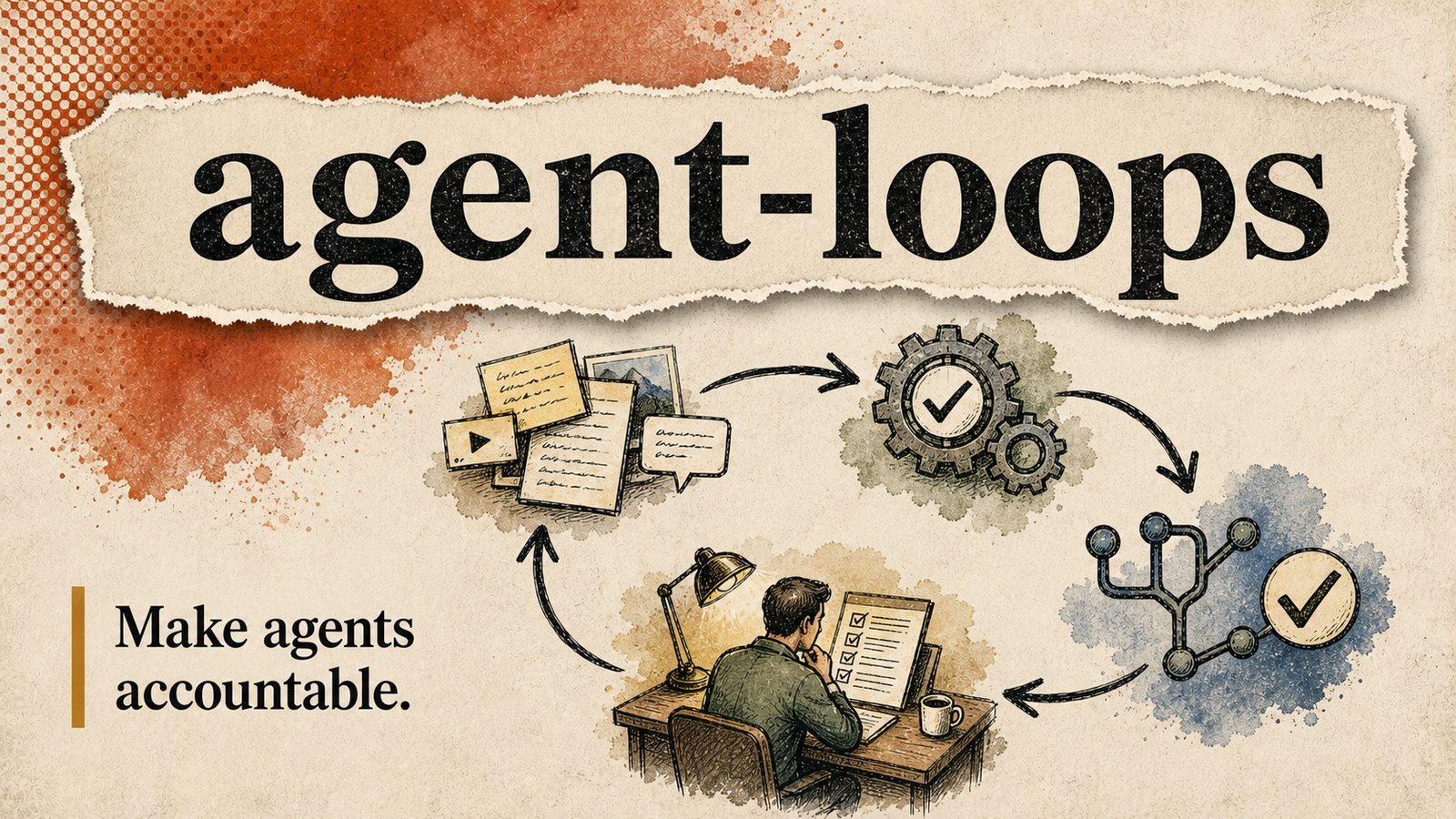
- Goals and Loops Beat Prompts — success criteria + iterate-until-met (points to Agent Loops).
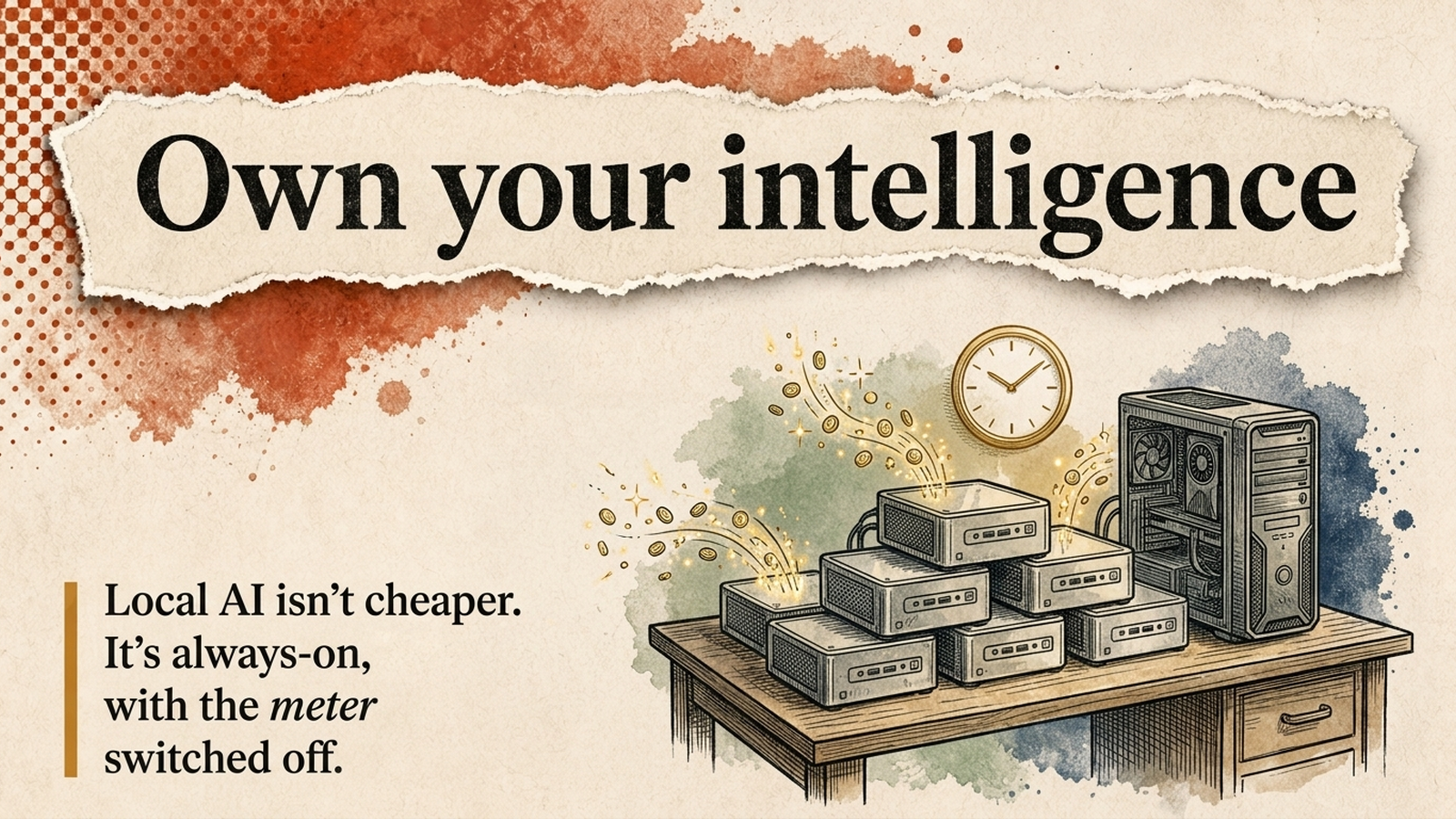
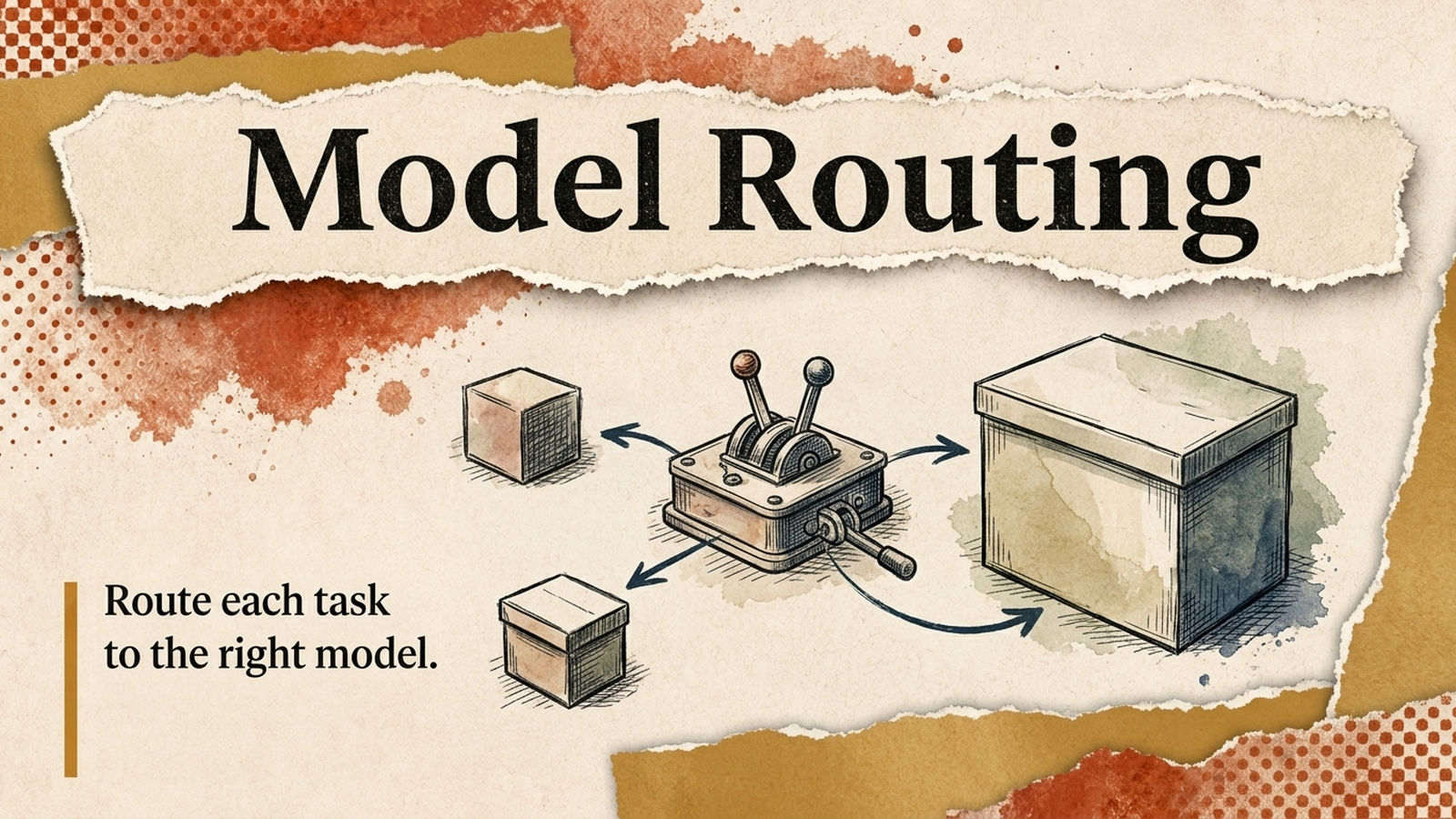
- Multi-Model Routing as Cost Hygiene — don’t default every sub-agent to frontier (points to Model Routing).
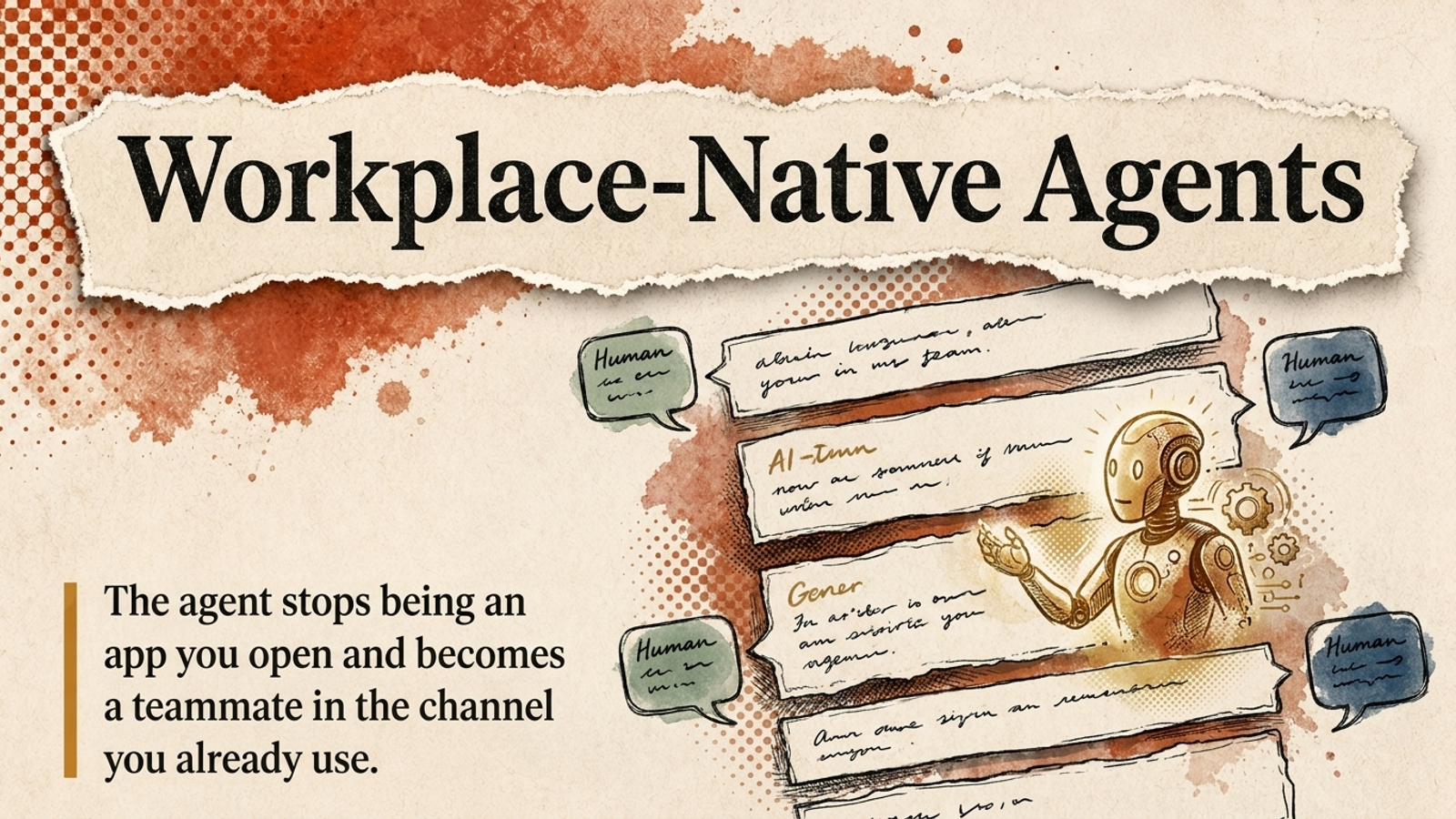
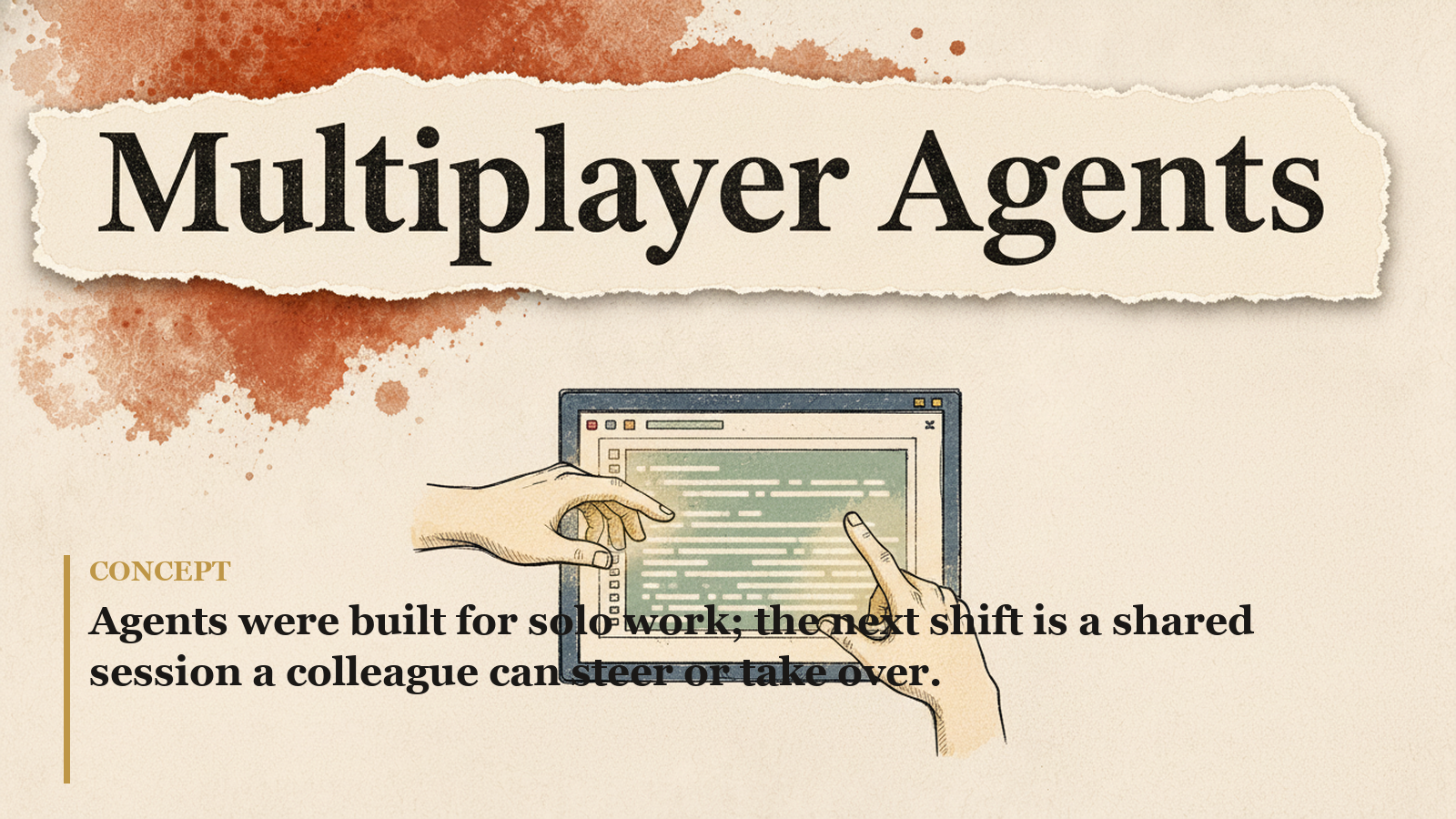
- Multiplayer Agents — shared / team-scoped agents (Claude Tag, Mio) — existing vault page, attributed to this seven-ways set.
Products got simpler on purpose
Early AI rewarded people willing to crawl through complexity. Mass design is now doing the opposite. Meta’s Muse is praised even by power users for how little it asks. Anthropic made the same bet at work: Claude Cowork and chat are now one Claude.
The most common thing we hear: people aren't sure which product to start with. That friction gets in the way of getting the best from what these models can do.
Whittemore admits he likes finer control and feels out of sync. The average-user vector does not care. Detail: Product Simplification.
Mono-threads and the chatbot as fleet manager
Codex’s Nick Bauman: with better compaction, a thread’s value increases over time. Claude Projects and Cursor Projects productize one persistent coordinator; sub-work happens elsewhere. Detail: Mono-Threads.
That coordinator pattern keeps the familiar chat UI while changing its job. You talk to an orchestrator; it spins specialist sub-agents. Detail: Chatbot as Agent Fleet Manager.
Voice, goals, and model routing
Voice stopped feeling like a gimmick once agents could finish work. Detail: Voice Plus Real Work.
Instructions changed in parallel — goals and success criteria over one-shot prompts. Detail: Goals and Loops Beat Prompts → Agent Loops. Multi-model routing is cost hygiene for fleets. Detail: Multi-Model Routing as Cost Hygiene → Model Routing.
Agents move from personal silos to the team
For most of 2026, agents were individual. Claude Tag flips Slack Claude from “my bot” to “this channel’s Claude.” Mio pitches a shared AI employee. Ethan Mollick calls multiplayer AI one of the biggest non-technical problems left. Detail: Multiplayer Agents.
Pick one mono-thread for a recurring workstream and stop resetting it. Collapse mode-picking into a single surface. Try voice only on a task the agent can finish. Write success criteria before the next long job. Route cheap models to sub-research. If your team still has five private agent setups and no shared one, that is the gap.