
TL;DR
The short version
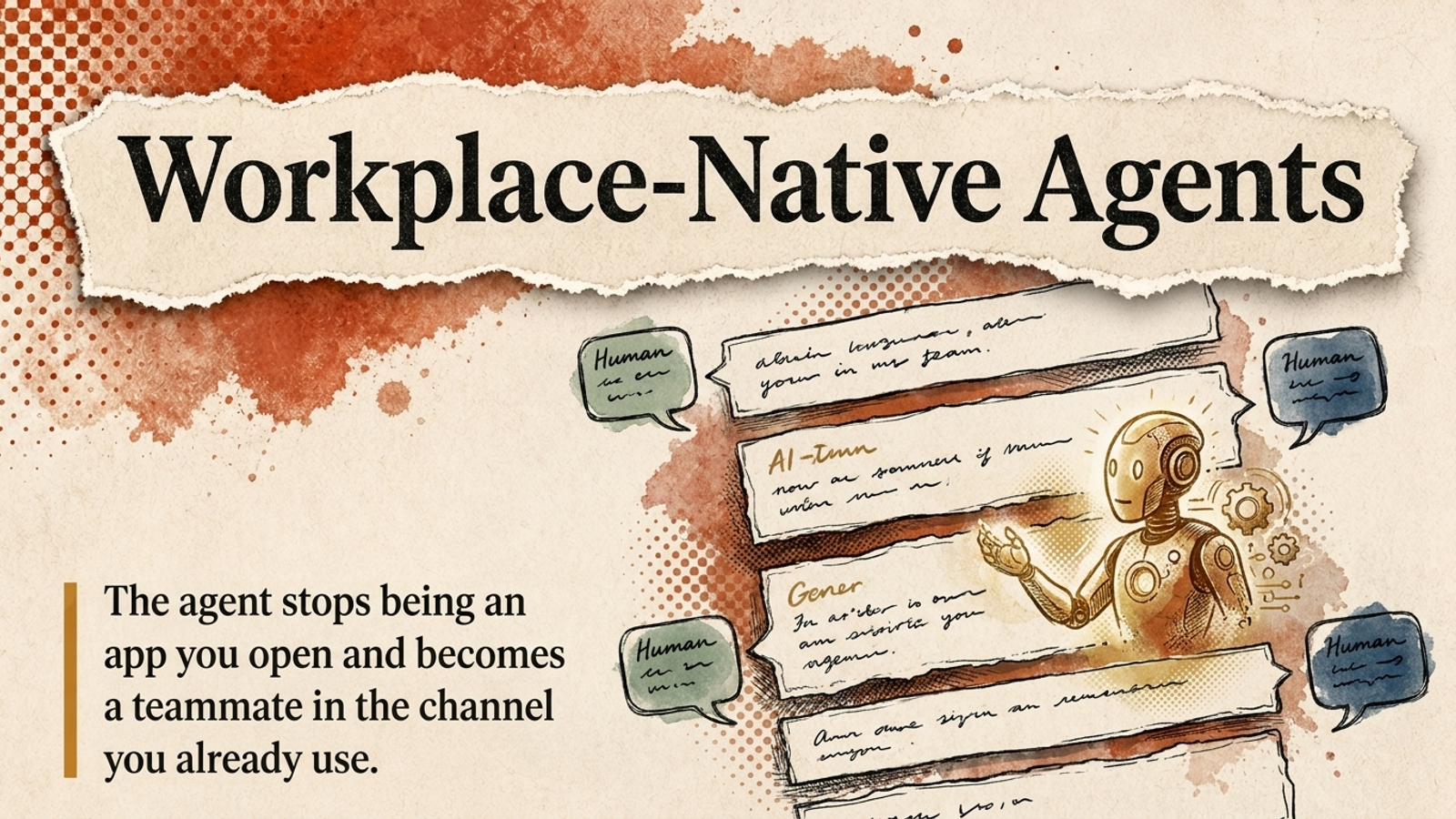
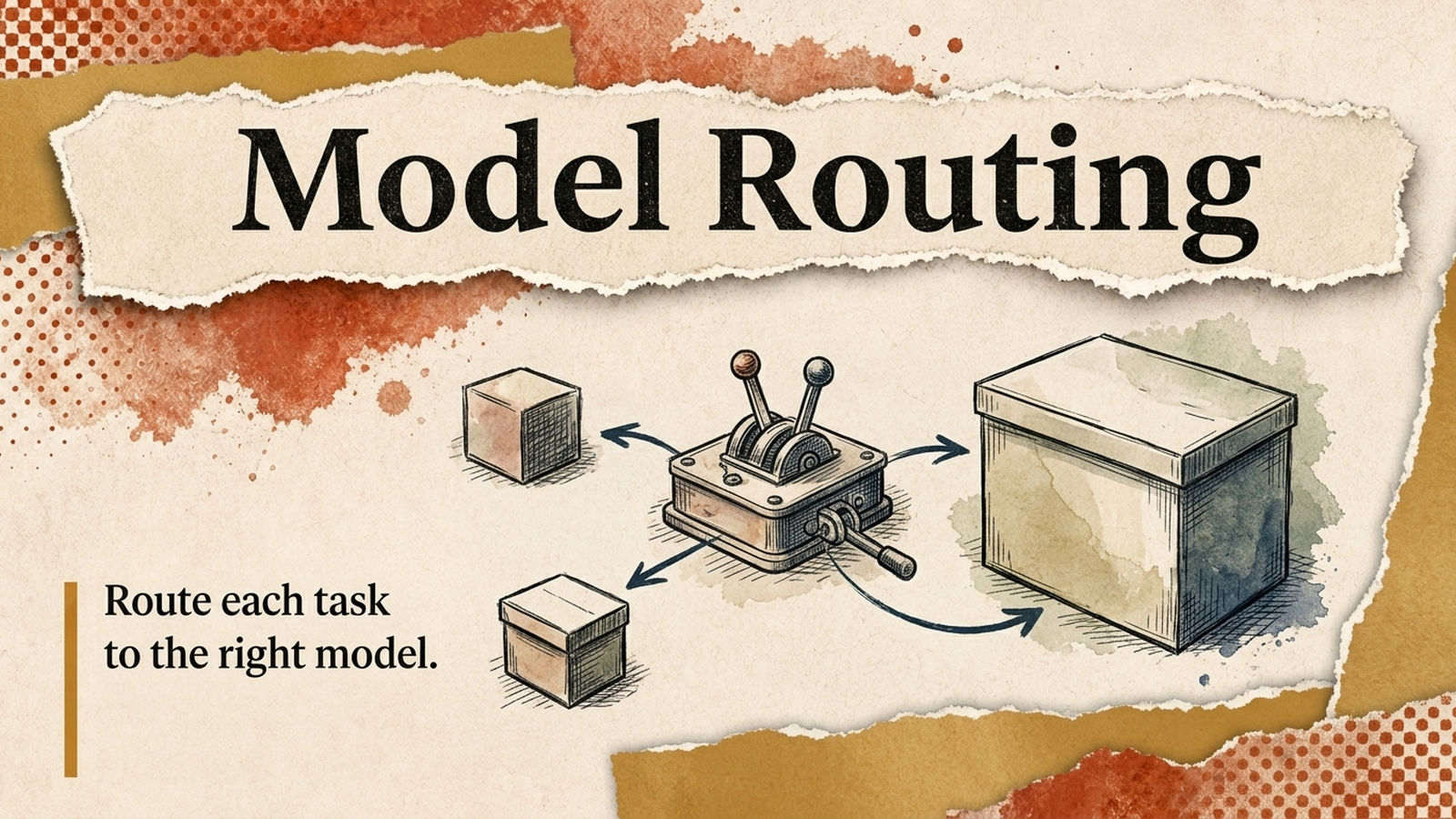
Chat didn’t leave. Chat’s job changed. You talk to an orchestrator; it spins specialist sub-agents — expensive where judgment matters, cheap for grunt research.
Ethan Mollick’s picture of Claude Projects, relayed in NLW’s episode: a temporary organization assembled to solve the issue. Same pattern as Cursor’s coordinator agent and mono-threads.
Built on NLW’s AI Daily Brief (20 Sep 2026).
Same UI, different contract
Users still type into a chat box. Underneath, the coordinator fans work out: browse, draft, code, check. Apps start to feel like databases the agent updates when you state intent — not like tools you operate step by step.
This is why product simplification and fleet management arrive together. Hide mode-picking on the surface; let the orchestrator pick specialists underneath.
Fleet implies routing
If every sub-agent defaults to a frontier model, caps burn on work a cheaper almost-SOTA model could finish. Fleet management without multi-model cost hygiene is an expensive novelty.
Temporary organizations, not smarter autocomplete
Ethan Mollick’s Claude Projects picture — relayed in NLW’s roundup — is the mental model: you are not chatting with a single brain. You are briefing an orchestrator that assembles a temporary organization. Research agents, drafting agents, checkers. The UI stayed chat because chat is the brief; the runtime became a fleet.
That shift reframes product reviews. Ask “what specialists does this surface spawn?” not only “how good is the reply?” If the product cannot fan out, you still have a chatbot. If it can fan out but every specialist is frontier-priced, you have a cost bomb wearing a friendly UI.
Operator discipline: name the coordinator, list specialist jobs, attach success criteria, and decide which jobs may use cheaper models. Fleet management without those three is just more chat tabs.