TL;DR
The short version
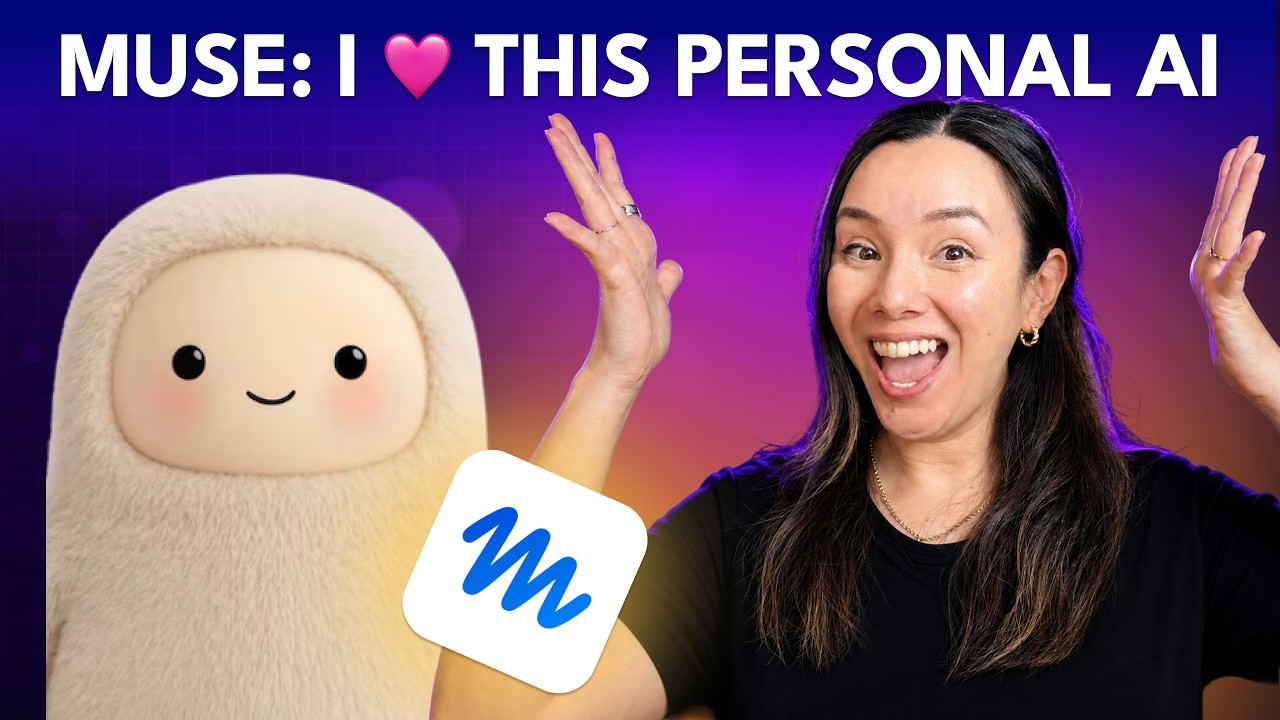
Meta's Muse isn't winning Claire Vo's review on model IQ. It wins on consumer agent design: progressive permissioning, Goals/Ideas/Library primitives, and UI that makes agency feel safe instead of scary.
On How I AI, Vo walks parent-oriented onboarding, a kitchen-table morning brief PDF she prefers to prior OpenClaw/Grok Bot layouts, and a clear miss on browser shopping — then tells PMs and designers to study how much Muse exposes versus hides.
Built on Claire Vo's How I AI episode reviewing Meta Muse (16 Sep 2026).
Same computer, different product
Meta launched Muse on 8 September 2026 as a US personal agent on iOS, Android, muse.ai, and WhatsApp (Meta Newsroom). Under the hood it is familiar agent substrate: a dedicated Secure VM with its own browser, credential storage, connector "apps," and Stripe Link for purchases (Meta safety post; Stripe).
Vo's point is packaging. Muse does not lead with "persistent isolated Linux virtual machine." It leads with permission slips, strollers, inbox cleanup, and dinner with a friend you haven't seen. Full power underneath; consumer nouns on top.
Trust is a sequence, not a toggle
The strongest part of the review is permission UX. Muse asks to connect Google Calendar, then asks before deleting soccer practice. When Vo connects email for a family morning brief, it asks to look — then shows what it inferred and asks again before using that profile.
I don't want agents that get me on my computer. I don't want agents where my face is in the phone. I want agents that get me with my family into my life in an offline way.
Claire Vo, How I AI
No auto-approve. No YOLO. Progressive disclosure timed to the action — and Vo reports she was "0% annoyed," rare praise for an agent that needs calendar, email, and payment access to be useful.
Primitives that match life
Muse ships Activity (task history + tool-call lineage), Feed, Ideas (slash-starters), Goals (personal outcomes with nudges), and Library (PDFs, sites, images, videos, NotebookLM-style podcasts). Identity is OpenClaw-shaped — editable soul/identity/memory — inside a product that also animates the avatar while it works.
The family morning-brief PDF is her proof artifact: one-shot layout she prefers to prior OpenClaw and Grok Bot versions, built for the kitchen table.
Where it still fails — and what to copy
Browser shopping is the miss: wrong New Balance colourway, flaky vision. A later Odyssey IMAX ticket flow reaches Stripe Link guest checkout and feels closer to the intended personal-shopper job — but Vo is clear Codex-style browser use would crush the same task today.
Copy the shell, not the brand: hide the scary full VM, expose the browser slice people understand, show work at the elevation the user wants, and optimize personal agents for offline outcomes. Muse is still Meta with Meta's privacy history — Vo's "devil you know" shrug is adoption reality, not a safety proof.