
TL;DR
The short version
Voice became table stakes for agent products in Sep 2026 — Grok Bot native voice (✅ verified rollout), Codex/Devon on GPT Live, Gemini Live. The useful critique: voice felt like a gimmick until the agent could actually go do things.
From NLW’s seven-ways episode: the combo is voice plus real work, not voice as a separate demo mode.
Built on NLW’s AI Daily Brief (20 Sep 2026).
Gimmick until execution
Tried voice on a bunch of agent products this year, and it always felt like a gimmick until the agent could actually go do things. Voice plus real work is the combo.
Gaurav Bison, via AI Daily Brief
That line is the whole concept. Dictation into a chat that can’t act is a nicer keyboard. Voice into an agent that can browse, edit, ship, or schedule is a different interface job.
Where it fits the seven shifts
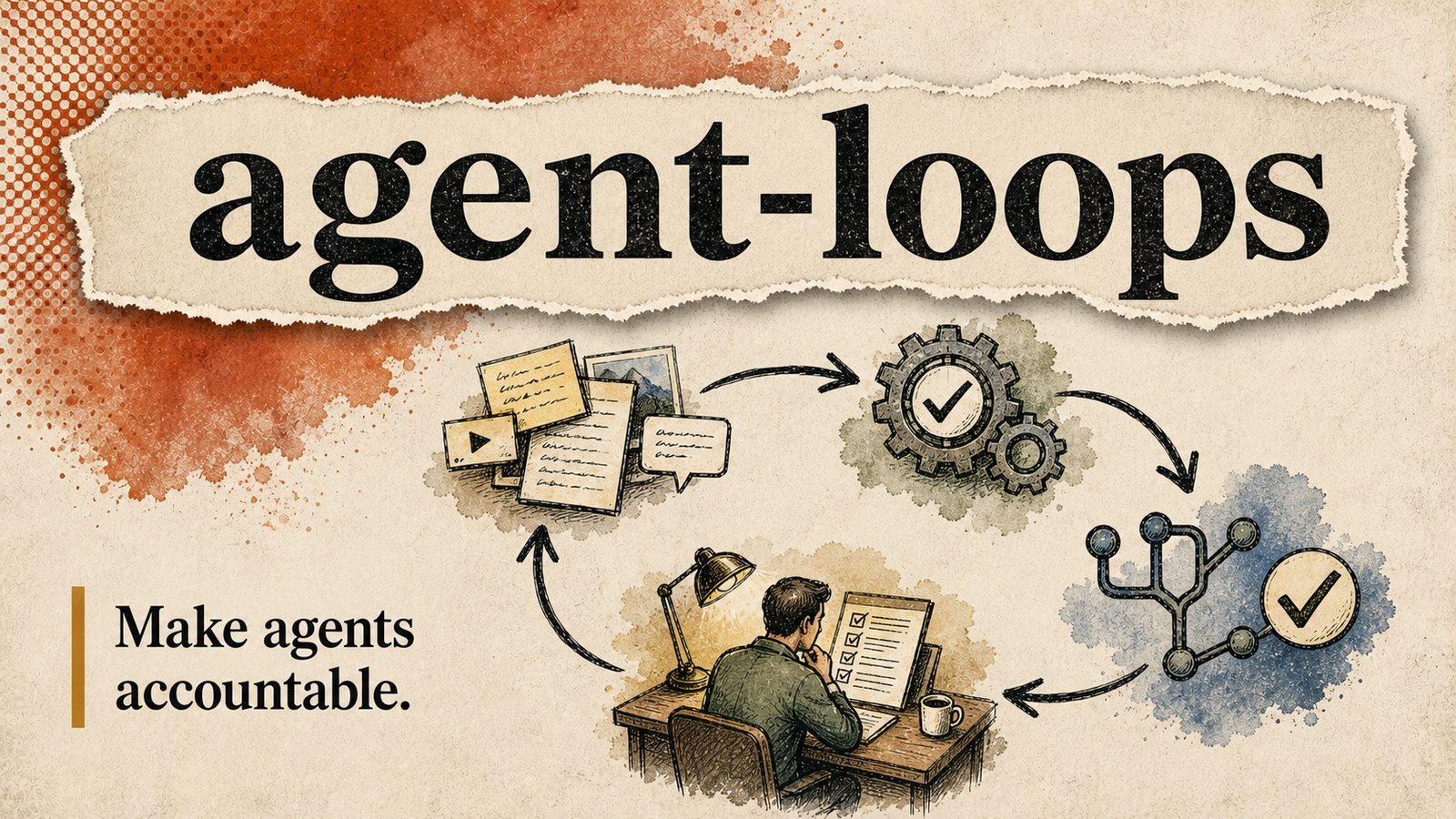
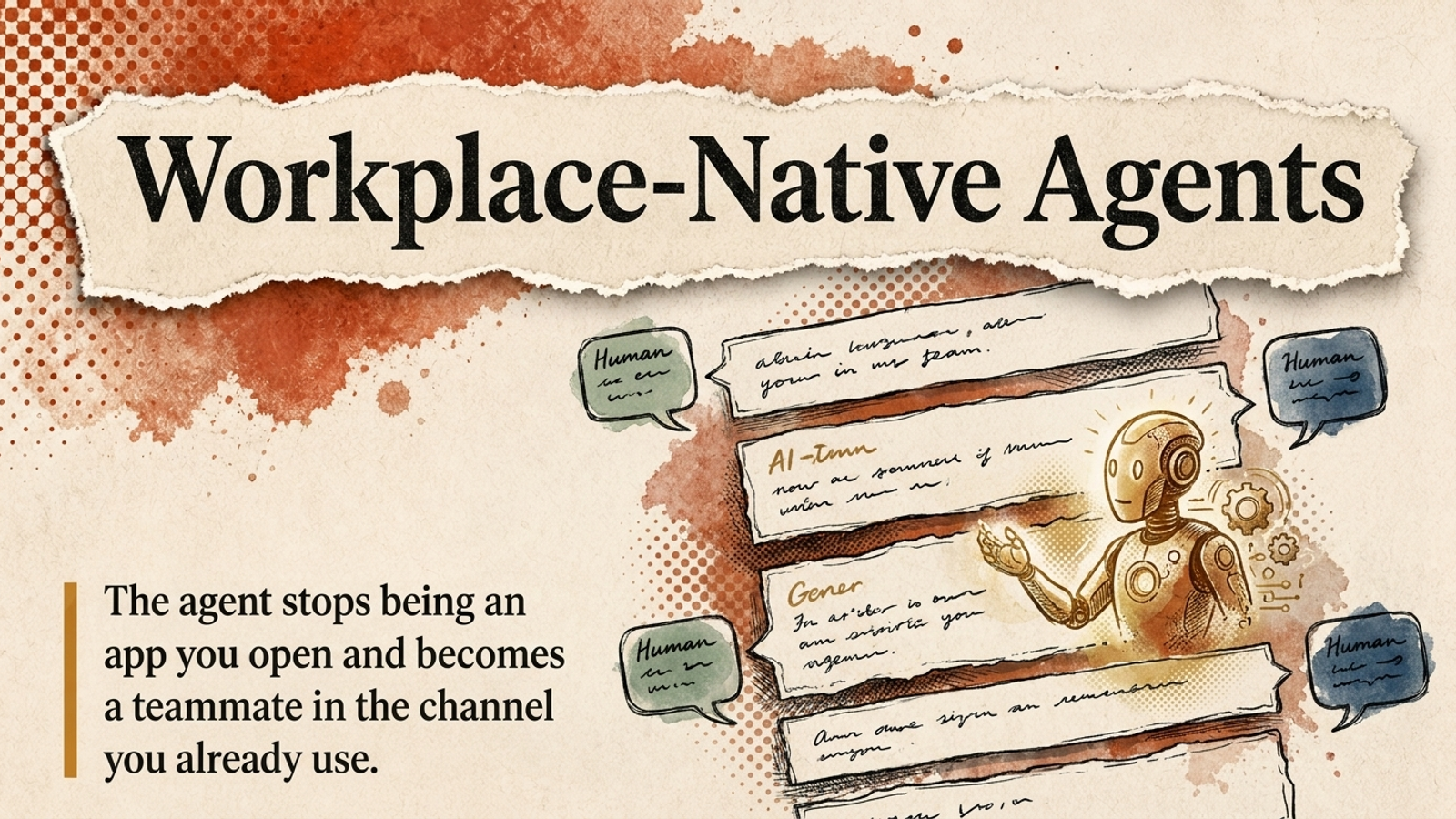
Voice pairs with mono-threads (talk into the long-lived coordinator) and fleet managers (speak intent; specialists run). It also raises the bar for goals and loops: spoken goals still need checkable success criteria.
Table stakes, not a feature checkbox
Grok Bot shipping native voice in the same window as other agent products made the competitive read clear: voice is becoming expected on agent surfaces, not a novelty demo. GPT Live and Gemini Live sit in the same bucket — spoken intent into a system that can act.
The failure mode is still common: beautiful speech-to-text into a model that cannot browse, edit files, schedule, or ship. Users then correctly conclude “voice AI” is decorative. Gate voice behind execution capability, or you teach the wrong lesson.
Best first tests are tasks with a finish line you can see — send the email, update the doc, file the ticket — spoken end to end. Pair with goals/loops so spoken intent still ends in checkable criteria.