
TL;DR
The short version
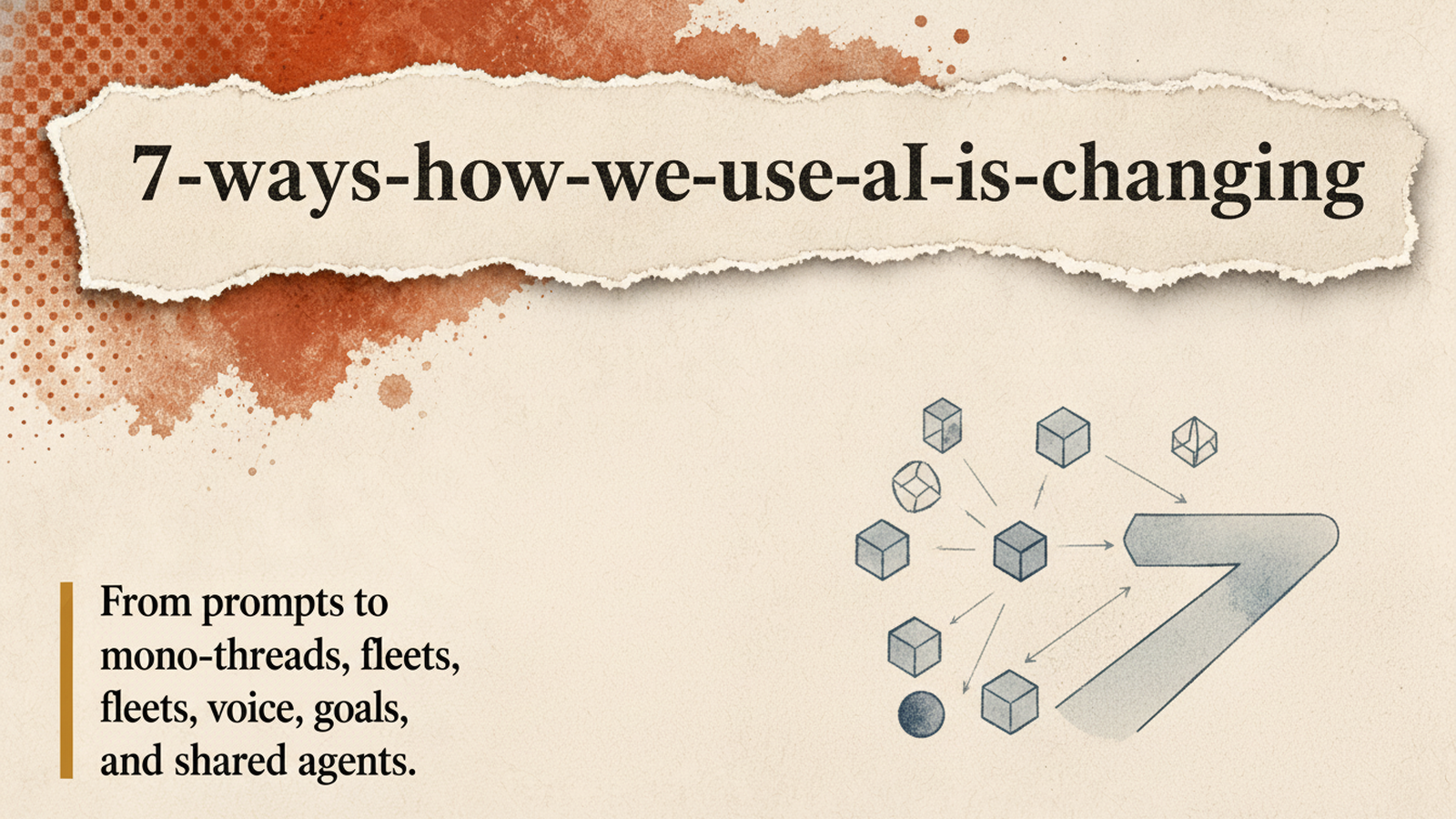
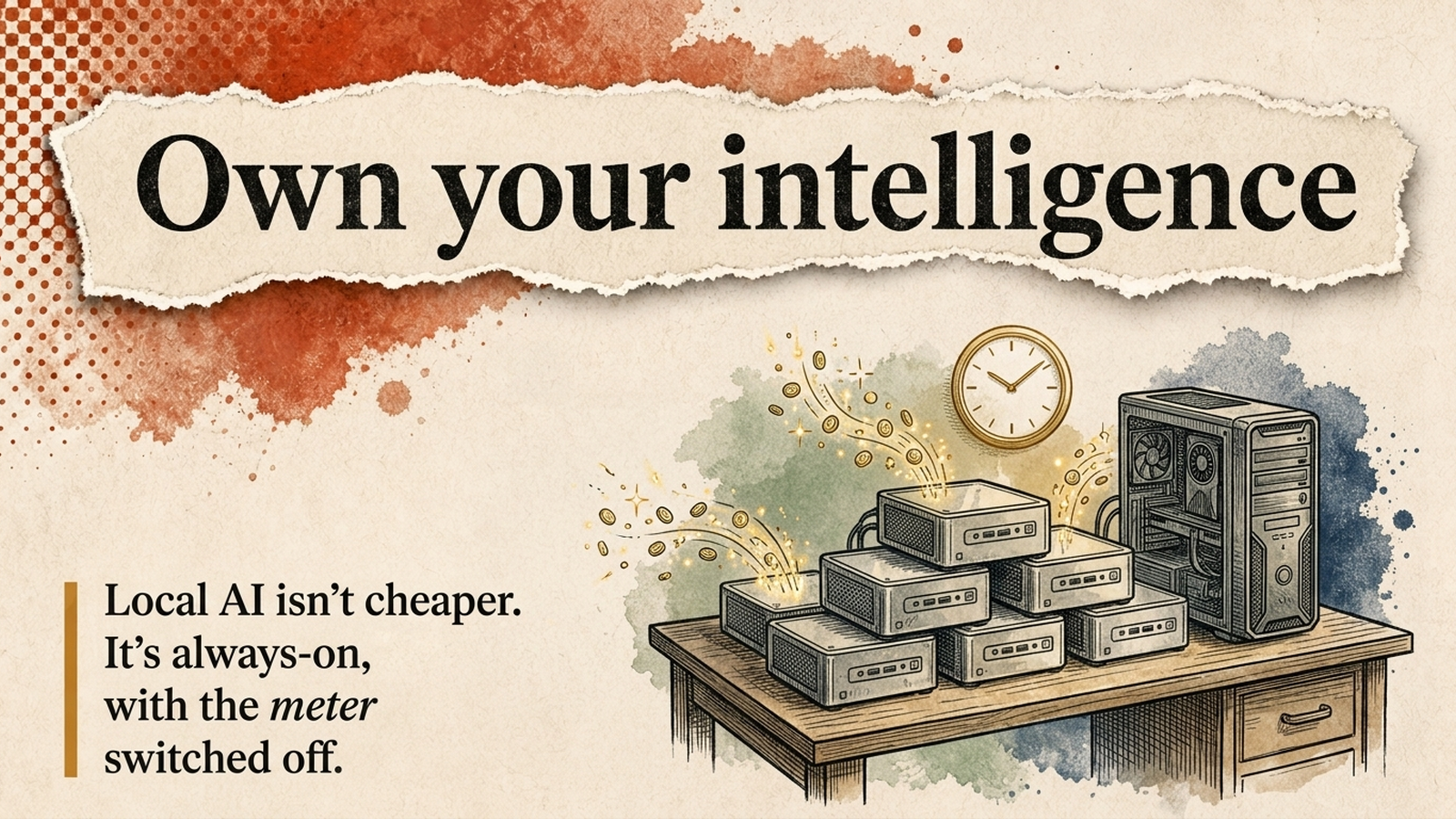
In the seven-ways framing, multi-model use stopped being early-adopter alpha and became cost hygiene: frontier defaults for every sub-agent in a fleet burn usage on work a slightly older, cheaper model could finish.
Labs’ push toward product simplification may hide routing knobs. Keep personal agency. Full decision tree and benchmarks: Model Routing.
Built on NLW’s AI Daily Brief (20 Sep 2026); folds into Model Routing.
Fleet default is the budget bug
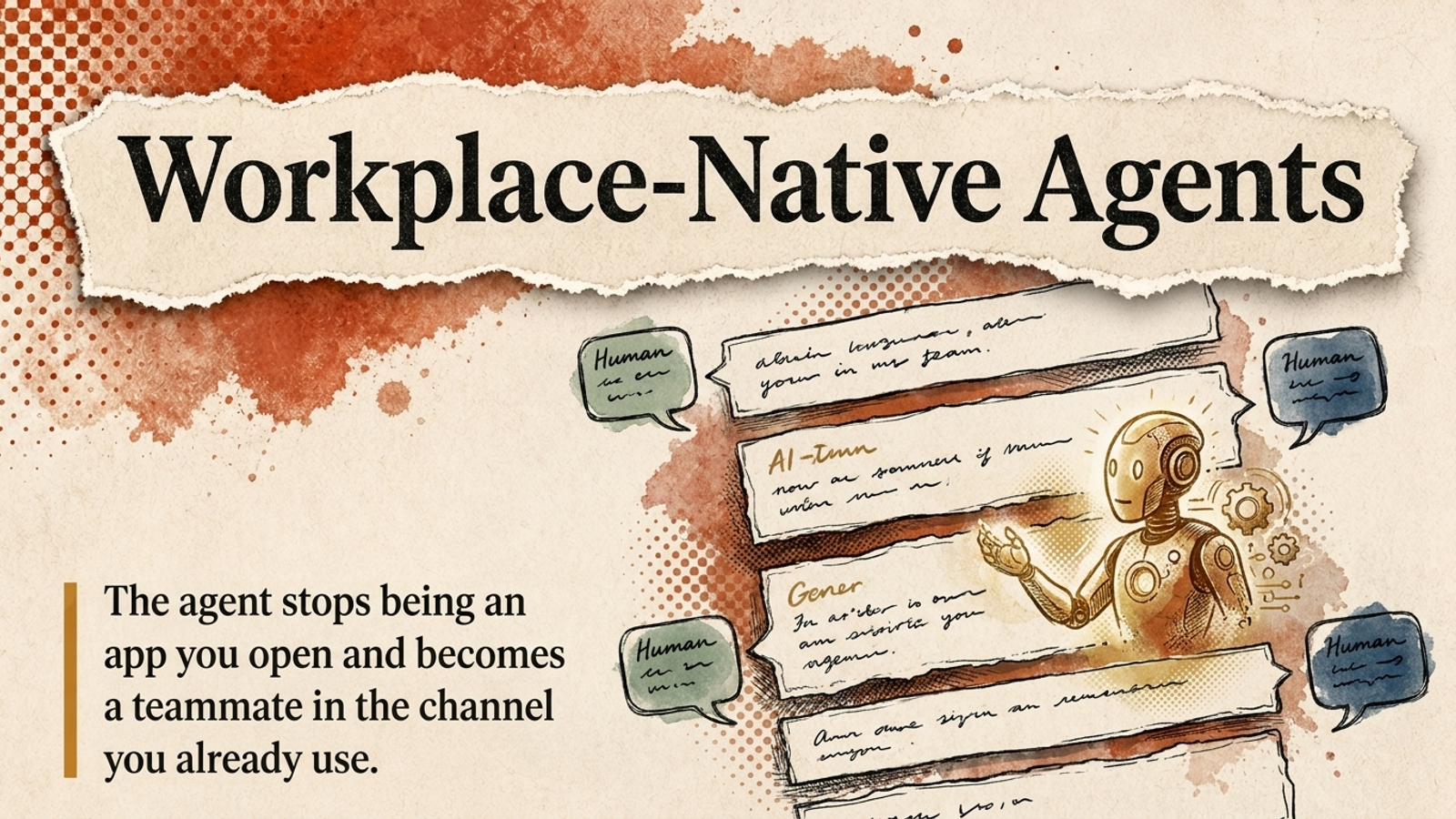
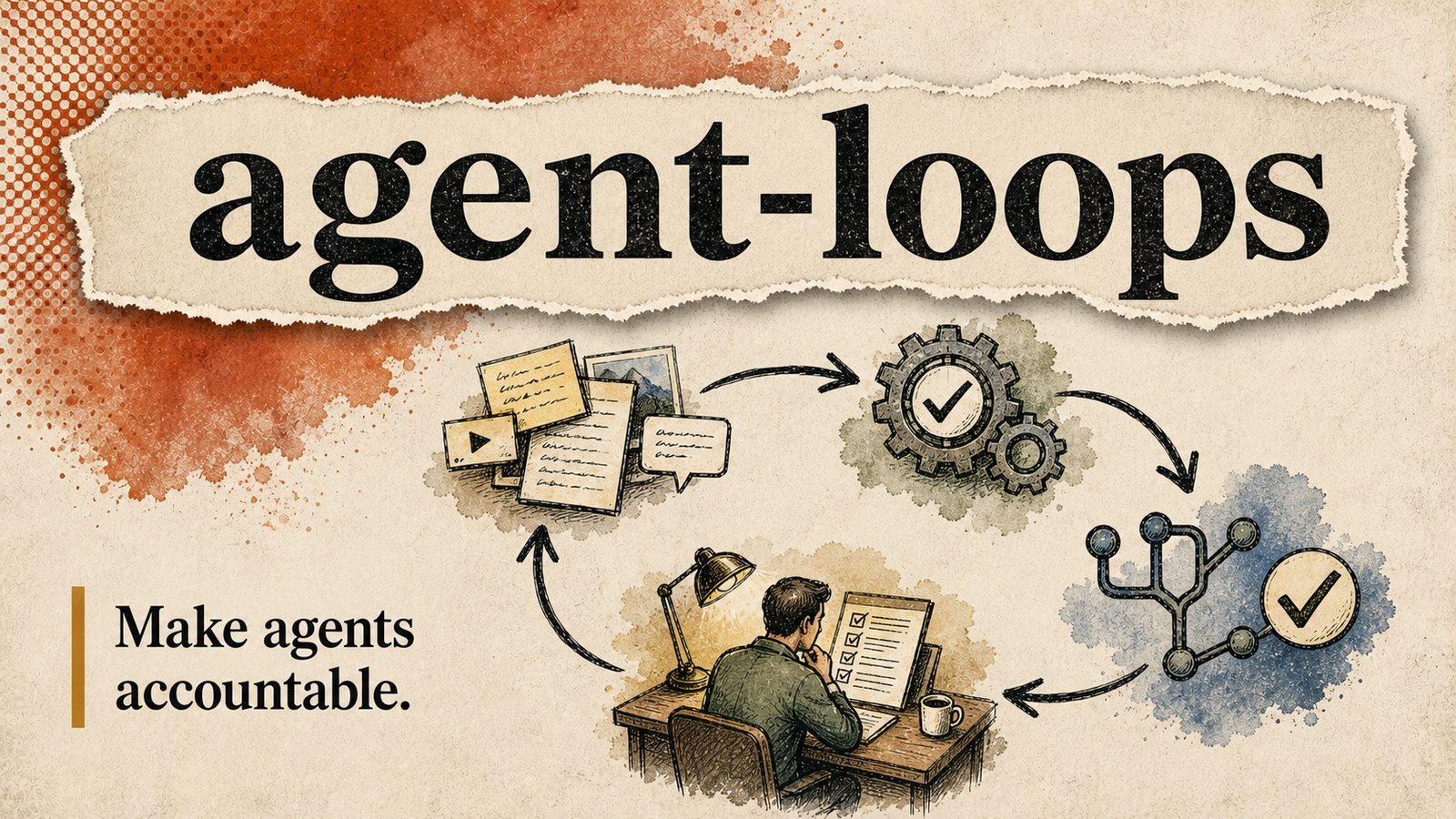
Once a chatbot becomes a fleet manager, each specialist call is a routing decision. Defaulting every call to the frontier model is the expensive habit. Route almost-SOTA to research, browse, and draft; keep frontier on planning, review, and high-stakes judgment.
Go deeper on Model Routing
Model Routing already covers the operator decision tree, cost-per-completed-task, open-weight hedges, and stakes-based splits. Use this page as the seven-ways rail card; use that page as the playbook.
Almost-SOTA is the fleet default
In a single-chat world, “just use the best model” was lazy but bounded. In a fleet world, every specialist call multiplies that laziness. Research grunt work, mechanical transforms, and first drafts rarely need the frontier; planning, ambiguous judgment, and final review often do.
NLW flags the tension with labs’ simplicity push: unified products may hide model pickers. Automated routers help non-experts, but they are not gospel. Keep an override for jobs where a wrong-tier model creates expensive rework.
This page is the cost-hygiene rail for the seven-ways set. For decision trees, cost-per-completed-task, open-weight hedges, and stakes-based splits, go to Model Routing.