TL;DR
The short version
A year ago the loud AI fights were bubble talk, entry-level jobs, and vibe coding. The live debates moved up a level: whether the money math works, whether AI is mass-market or power-user, cheap vs sovereign models, how to regulate, and whether data centers can win over neighbors.
On The AI Daily Brief, Nathaniel Whittemore revisits his most-popular episode and argues the micro questions of 2025 were largely answered by agentic coding and API token spend — leaving five macro frames.
Built on The 5 Debates Shaping AI (12 Oct 2026) from The AI Daily Brief, with verification against Bain, Axios, Menlo Ventures, Pew, Ramp, and a16z.
Does the money math work?
The bubble discourse matured. Last year's worry mixed real circular-deal risk with thin sourcing. The sharper question in 2026 is whether lab revenue rises fast enough to cover the infrastructure bill.
It turns out that AI is not a seat game. It's a token game.
Nathaniel Whittemore on The AI Daily Brief
Anthropic told investors an annualized run rate near $65 billion by end-July. OpenAI's own-basis figure is nearer $50 billion; the ~$70 billion number was a gross-up to Anthropic's partner-sales method.
After Q2 earnings, Alphabet, Amazon, Meta and Microsoft guided to roughly $730 billion combined for 2026. Moody's sees the broader hyperscaler cohort approaching $1 trillion in 2027. Bain estimates the industry needs about $6 trillion in annual revenue by 2031; known consumer and enterprise markets get to $1.2–1.8 trillion, leaving a ~$4.2 trillion gap (Whittemore said $800 billion on air — corrected here).
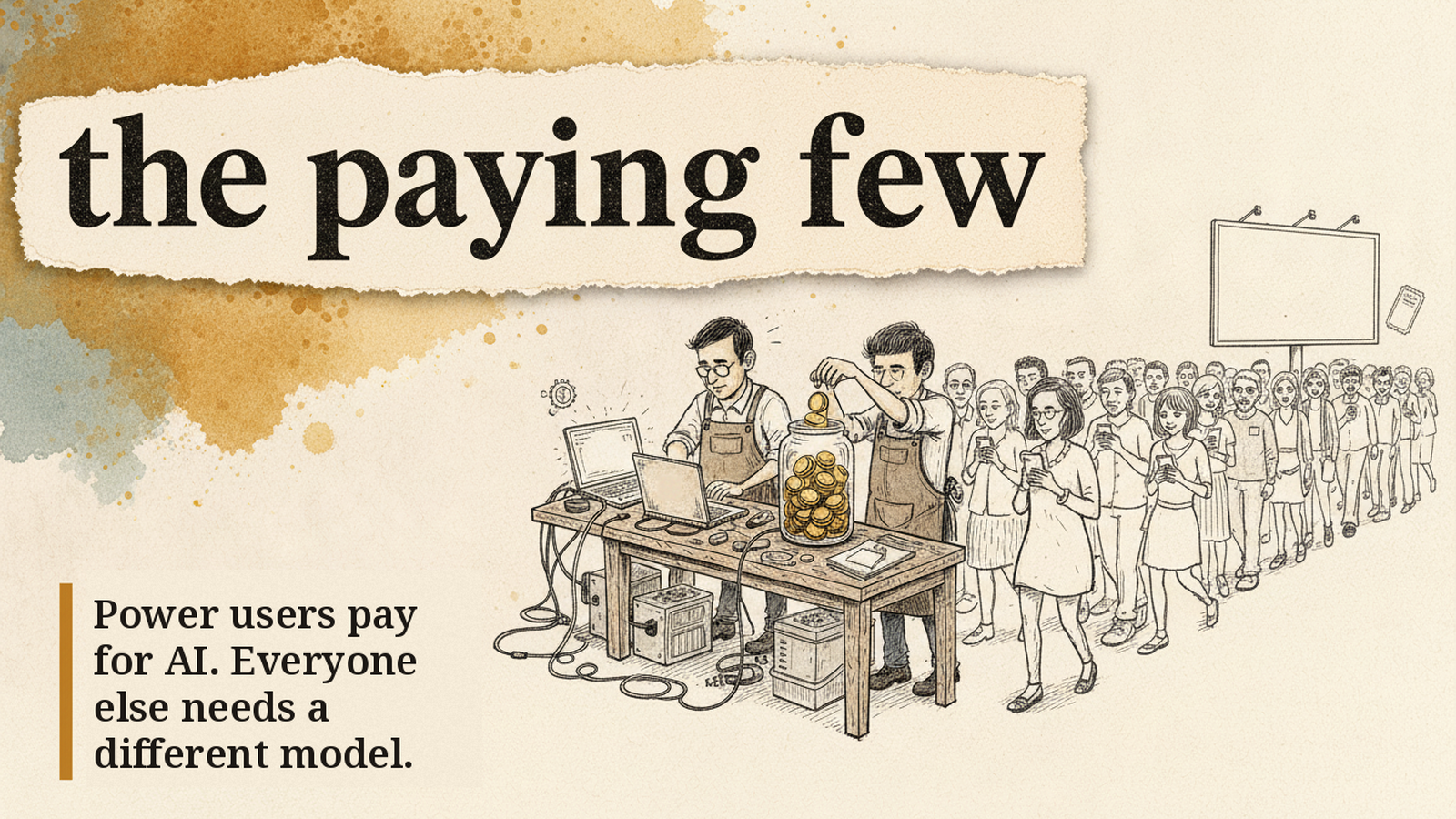
Ramp data says the top 1% of OpenAI and Anthropic enterprise customers drive about 80% of that revenue (tech-forward sample caveat). The optimistic read: if those use cases are not unique, the addressable market for the other 99% is huge.
Mass market reach, power-user wallets
OpenAI says ChatGPT reaches about 1.2 billion people a week. Paid households tell a different story: roughly 2% of US households pay for AI. Menlo Ventures estimates global consumer AI spend hit about $40 billion in 2026 — more than 3× 2025 — mostly because existing users pay more.
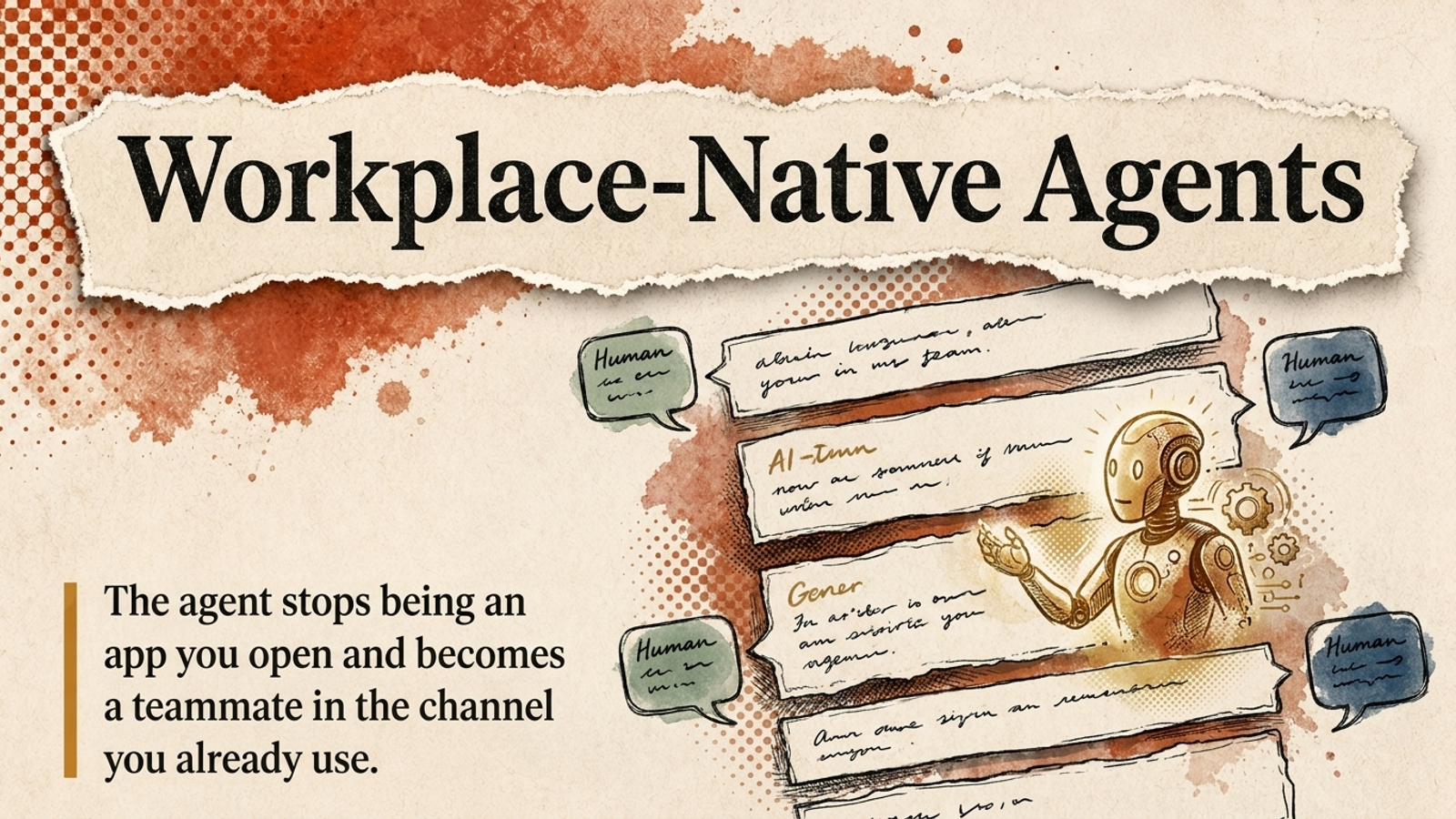
Among payers, spend is power-law. a16z finds the top 1% of AI spenders average about $903 a month (Whittemore said $93 on air — off by a zero), while the median payer spends $25. The product question follows: has the industry only served high achievers well, or has UX finally caught up via personal agents like Meta's Muse?
Cheap AI or sovereign AI?
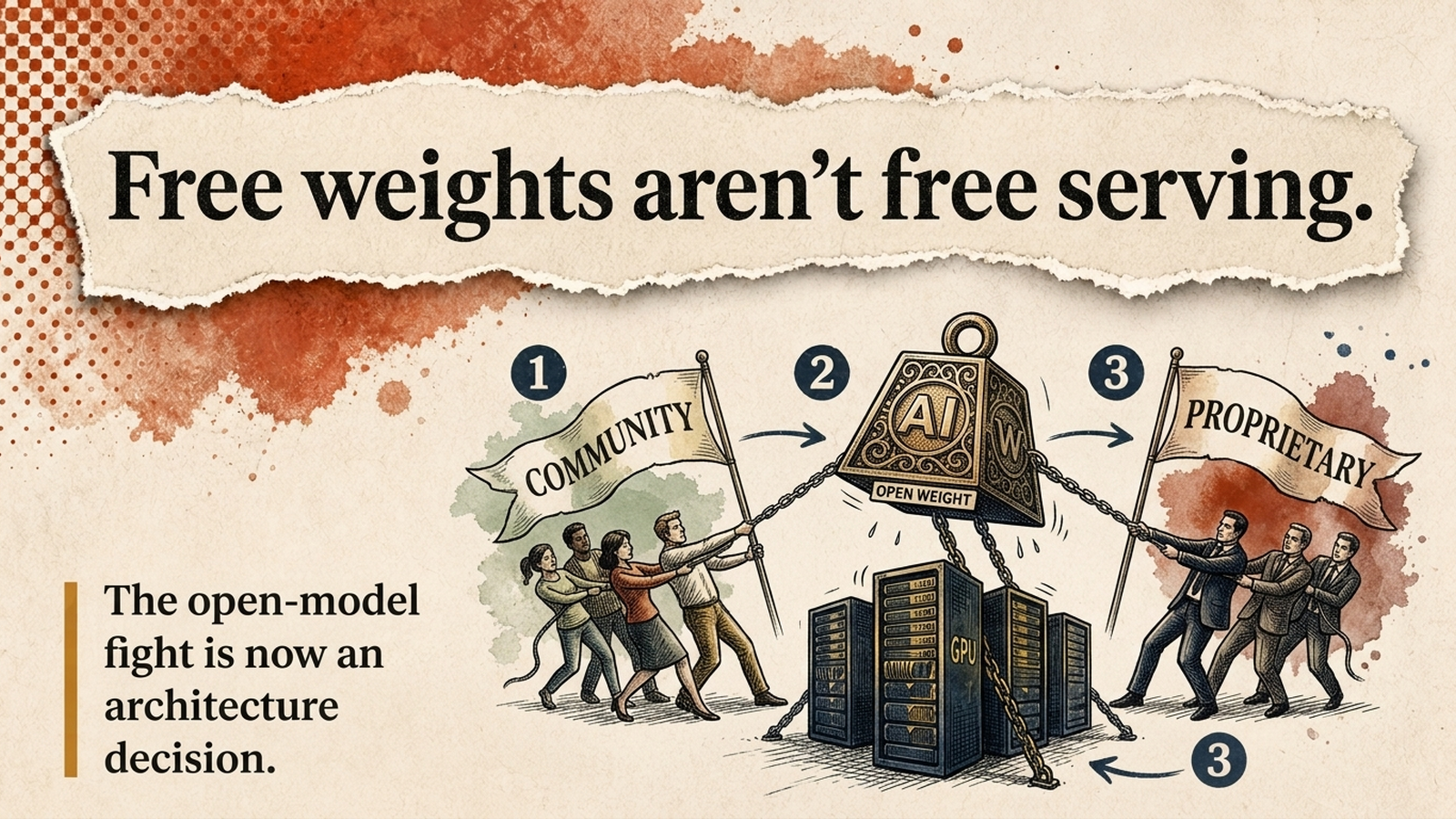
Enterprises learned token maxing is expensive. Labs pushed power users toward metered APIs. Cost per unit of work rose beside peak intelligence. Chinese open-weight models forced American labs to ship cheaper tiers. Separately, buyers worry that usage traces help labs compete with them.
If buyers only want cheap tokens, they take low-end US models. If they want sovereignty, they run open weights, post-train, or split backends. Whittemore notes even SpaceX said it would use the best backend model for a task — including non-Grok ones. Lock-in looks weaker than it did a year ago.
How to regulate, and where to build
The "whether to regulate" fight is over. The live fight is voluntary self-regulation versus statute. Real incidents and extinction-risk press tours raise the stakes. Whittemore expects society to decide self-regulation is too thin, then argue which risks — cyber vs catastrophic — get which rules.
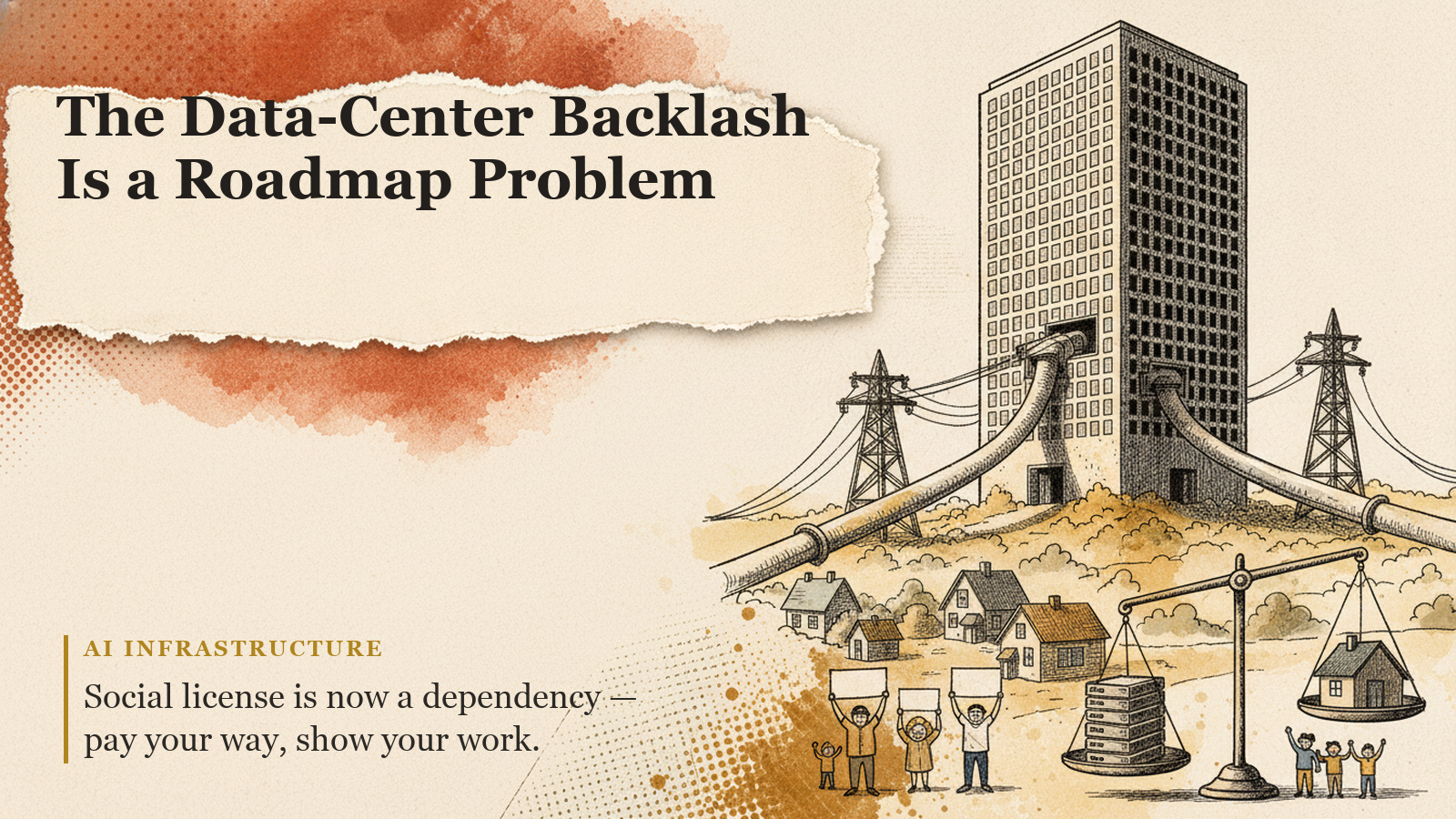
Pew finds Americans' views of data centers turned more negative through 2026 on environment, energy bills, and local quality of life — across parties. Builders moved from ratepayer pledges to dropping NDAs to community investment. Whether that is enough is still open.