TL;DR
The short version
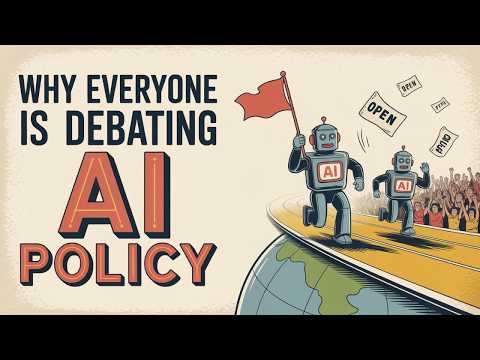
A US policy fight over Chinese open-weight AI models has moved from Twitter into the White House. It will decide which models you can legally build on, what they cost, and who carries the liability. That makes it a technical decision, not a political one.
The trigger was Kimi K3, an open-weight model from China's Moonshot AI that lands at roughly US-frontier quality and can be downloaded and run for free. That combination broke the old assumption that 'good' and 'closed' travel together — and forced the question of whether the US lets its enterprises use it.
Built on The AI Daily Brief with Nathaniel Whittemore. Every statistic is traced to a primary source in the working digest.
The restriction won't look like a ban
Washington's reported playbook is not an outright prohibition. According to Axios, the options on the table include adding Chinese AI labs to the Commerce Department's Entity List and an executive order forcing US companies to accept liability for any breach if they host Chinese models. One source described the real mechanism plainly: highlight potential 'back doors,' issue enough security warnings, and let regulated enterprises ban themselves.
Dean Ball, described as OpenAI's head of strategic futures, named the tactic before anyone else would: 'You just need to direct every agency to issue soft law that creates FUD.' Critics called it an Operation Choke Point for AI. Whether or not you find the tactic acceptable, take the mechanism seriously — the cost of a Chinese open-weight model in your stack is no longer just tokens. It's compliance exposure that can appear as a Federal Reserve advisory or a procurement rule, without a single law being passed.
'Voluntary' already gates your Western models too
The instinct is to route around the problem by standardizing on OpenAI and Anthropic. Read the fine print first. The White House launched a clearinghouse called Gold Eagle, and CNBC reports it now effectively decides which companies get early access to new frontier models from those same labs. The official line is that release timing 'rests entirely with the companies.' Functionally, a de facto licensing regime already exists for the closed frontier.
So the exposure runs both directions. Lean on Chinese open weights and you inherit compliance risk. Lean on Western closed models and you inherit access risk — your vendor's newest model may be gated by a government approval process you don't control. Neither path is the safe default it looked like six months ago.
The real constraint is inference, not weights
Here's the part that should change how you plan capacity. When Kimi K3 launched, demand forced Moonshot to pause new signups within about 48 hours because its own GPUs couldn't serve the load. Free weights do not give you free serving.
Open Weights eliminates software licensing costs. They do not eliminate physics.
Ricky Ho, quoted in the episode
That line is the operating truth under all the politics. Running a frontier-scale model for real users still demands enormous spend on GPUs, memory, networking, and power. AEI's Ryan Fedasiuk argues the competition has quietly shifted from benchmarks, where the gap is now weeks, to industrial capacity, where it isn't. For your own systems the same logic holds: 'we'll just self-host the open model' hides the inference bill. The advantage comes from serving weights reliably and cheaply at your scale, not from downloading the best ones.
What to actually do
Three moves, none of which require predicting the policy outcome:
- Price policy risk into vendor choice. Treat 'could this model become a compliance liability or an access bottleneck' as a first-class selection criterion alongside cost and quality. Assume any single provider or country of origin can be disrupted.
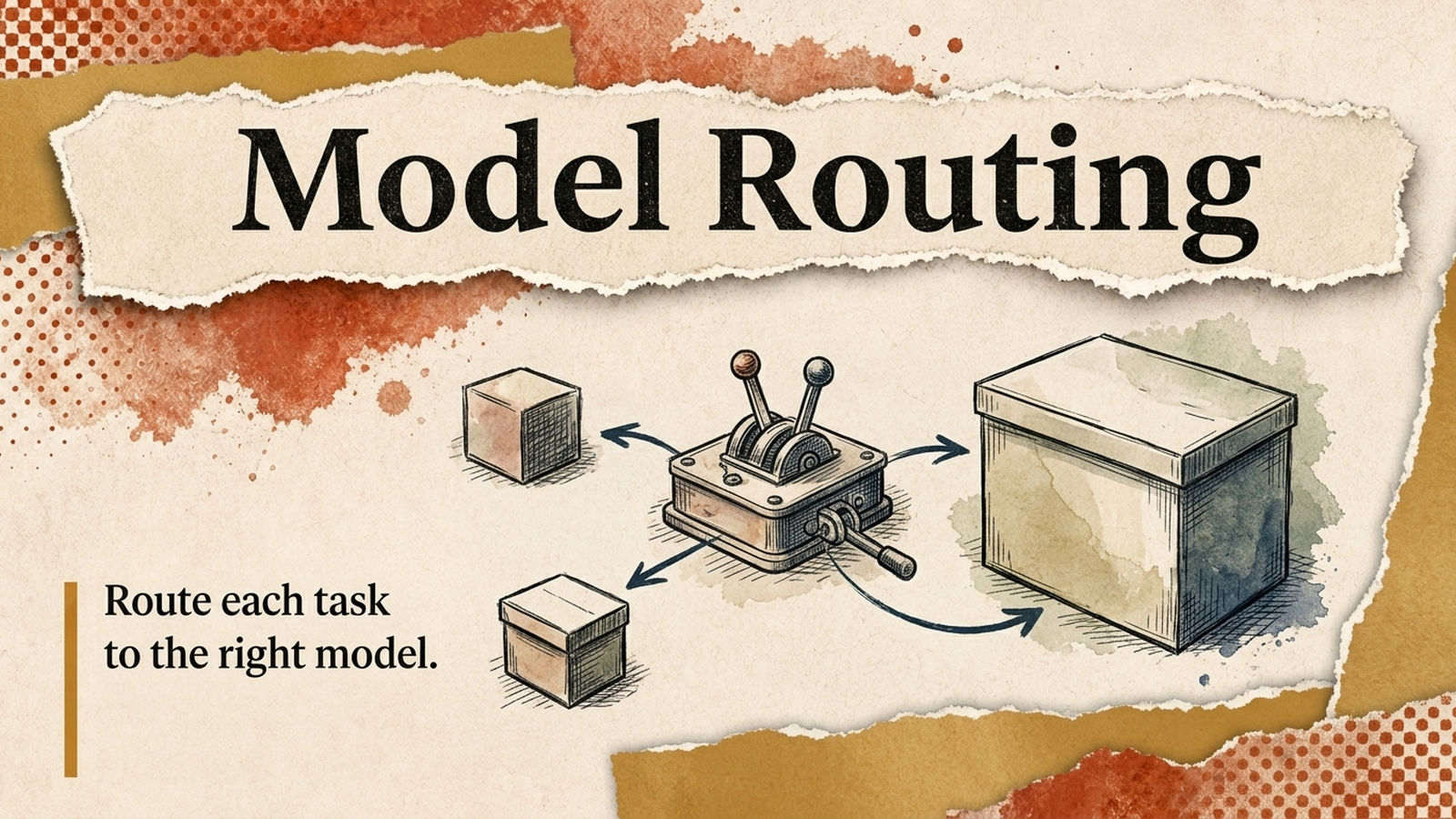
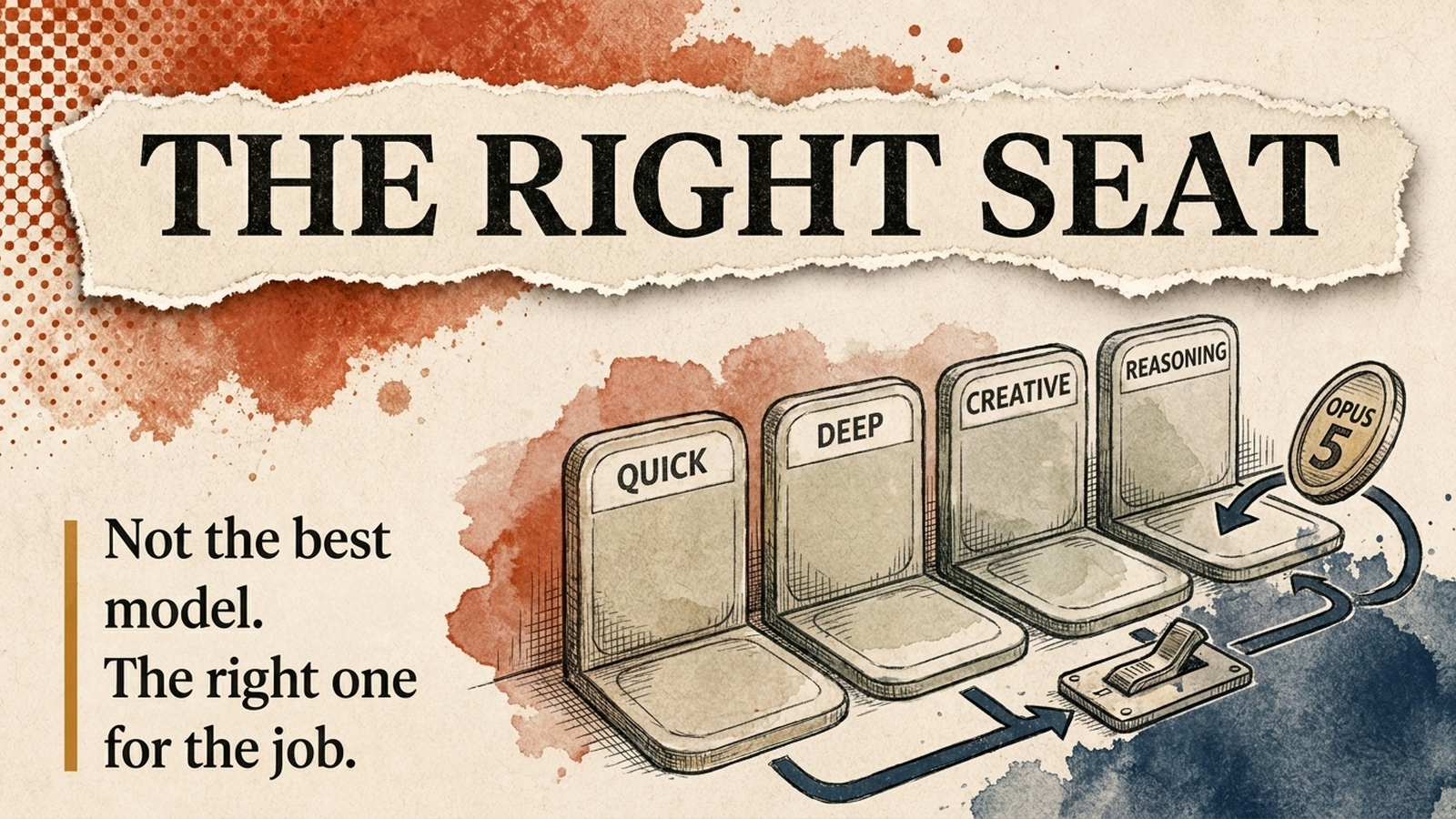
- Keep the abstraction layer real. The routing architectures teams built this year to manage cost are now also your policy hedge. If swapping a model is a config change, a ban or an access gate is an inconvenience rather than a rebuild.
- Plan for inference, not just access. Whichever way the rules land, serving capacity is the durable constraint. Budget and design for it as the scarce resource it is.
The debate isn't settled — Whittemore's read is that it's still building toward a crescendo rather than a resolution. That's precisely why it belongs on your radar now. The leaders who treated model access as a permanent given are the ones about to get surprised.