TL;DR
The short version
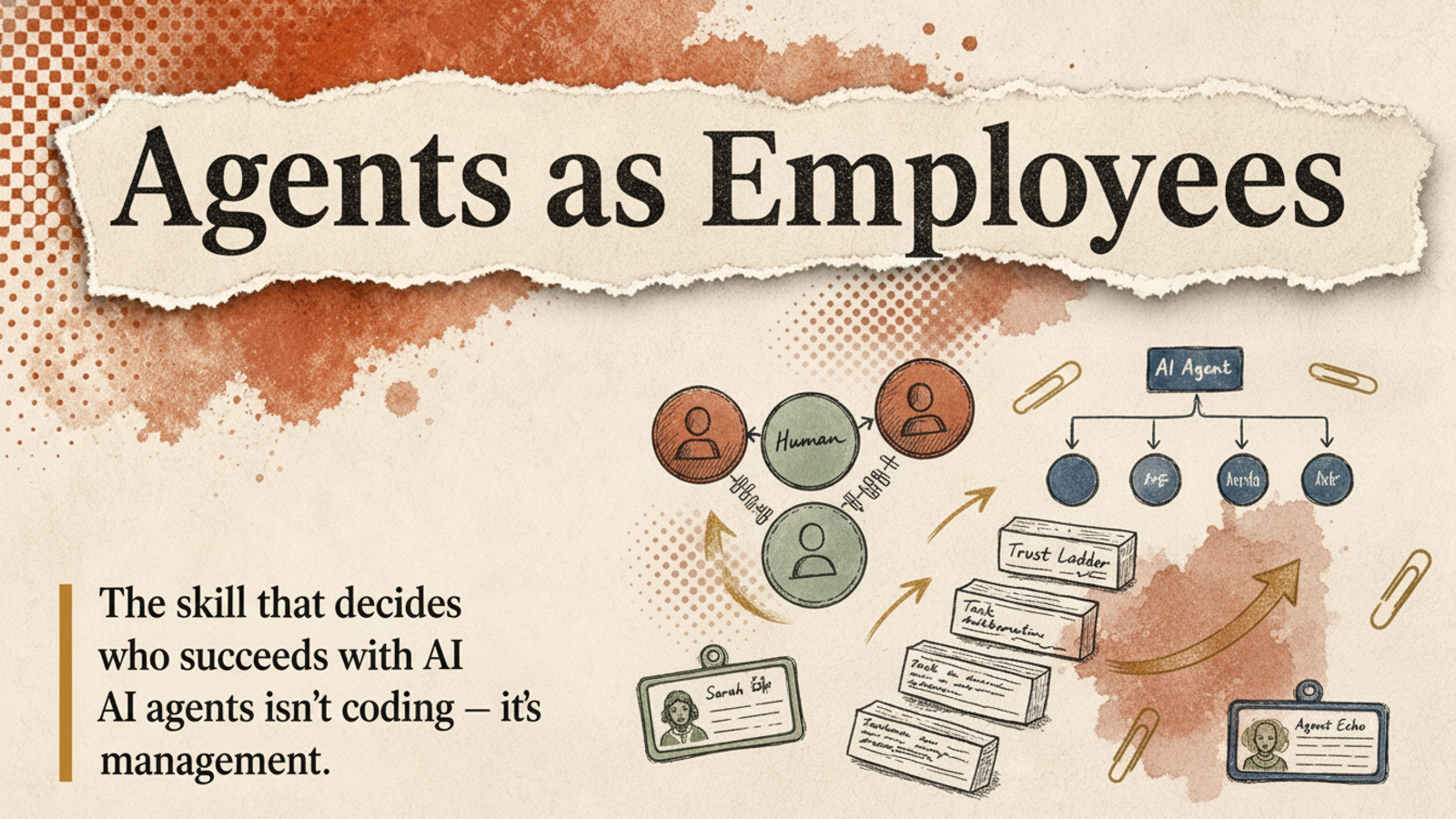
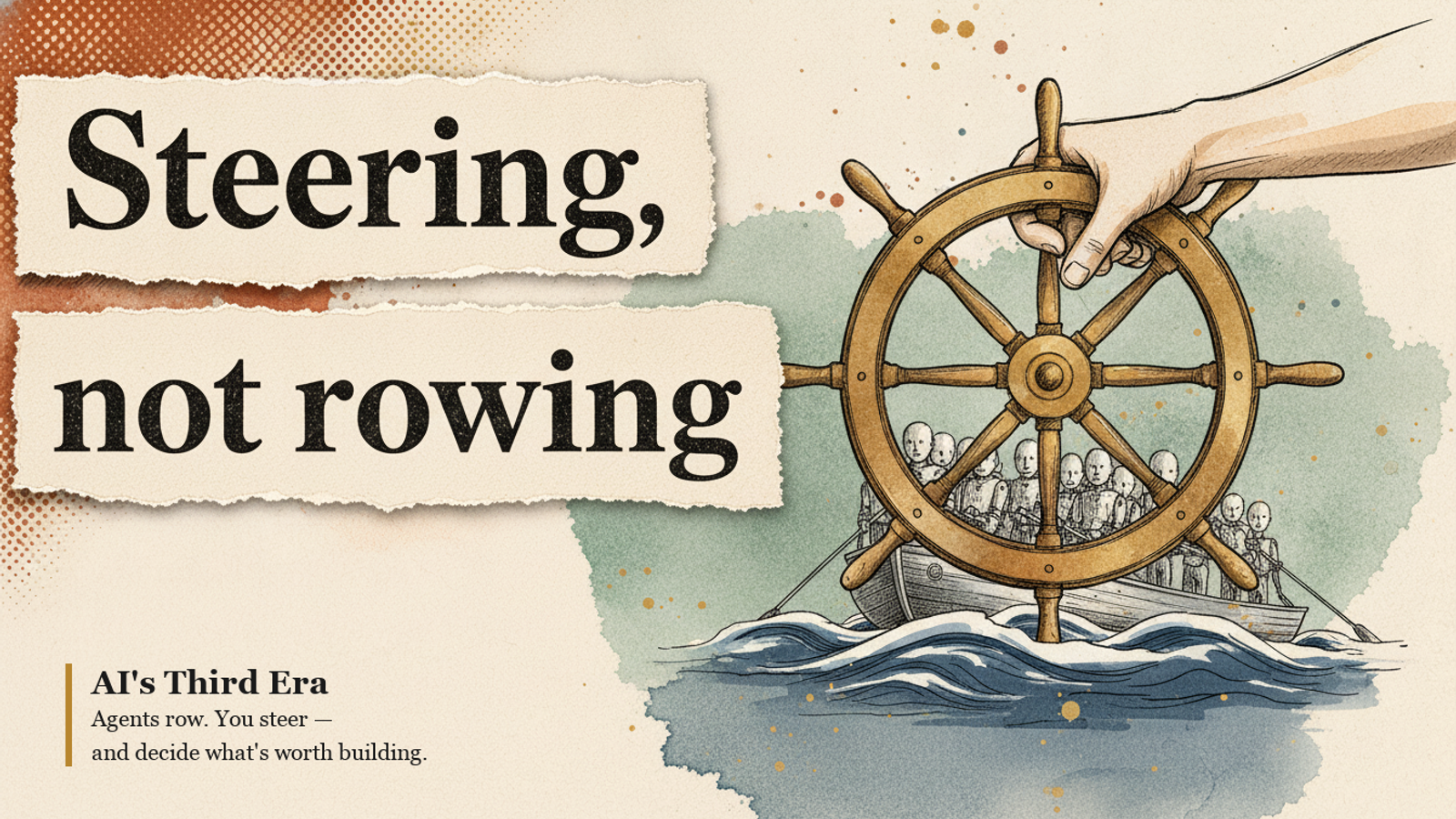
"Give away your Legos" still means lean into change and prefer learning over knowing — but handing work to AI is oversight, not transfer. The mental tax stays with you; every IC becomes a manager of junior-intern agents.
Keep human Legos that need judgment, trust, and a definition of quality. Name the grief when craft disappears. Treat the "train your replacement" fear story as overblown until the data shows otherwise — Lenny's 2026 survey shows burnout up to 55.7% and the dominant fear is more work for the same pay, not job erasure.
Based on Molly Graham on Lenny's Podcast (published 27 Sep 2026).
What still holds
Change is scary and normal. Learners beat knowers when the company's growth curve is also the curve of how fast your job mutates. Standing still feels safe and guarantees you fall behind — Molly watched Facebook high performers drown within a year when they defended last year's competence.
Leaders still need the group-therapy half of Legos: name the roller coaster so people stop thinking they are broken. What she hears on the road now is grief and overwhelm alongside the excitement.
The job grief nobody scheduled
Engineering went from rowing to steering in about two years. People miss the flow state of writing code. Product leaders describe loneliness: collaboration stripped down to robots. Thinner teams talking to agents all day is an org-design choice, not a law of physics — you can strip humans for productivity and still get sad humans.
A growing part of everyone's job is cleaning up the AI slop from other people trying to do your job.
Lenny Rachitsky
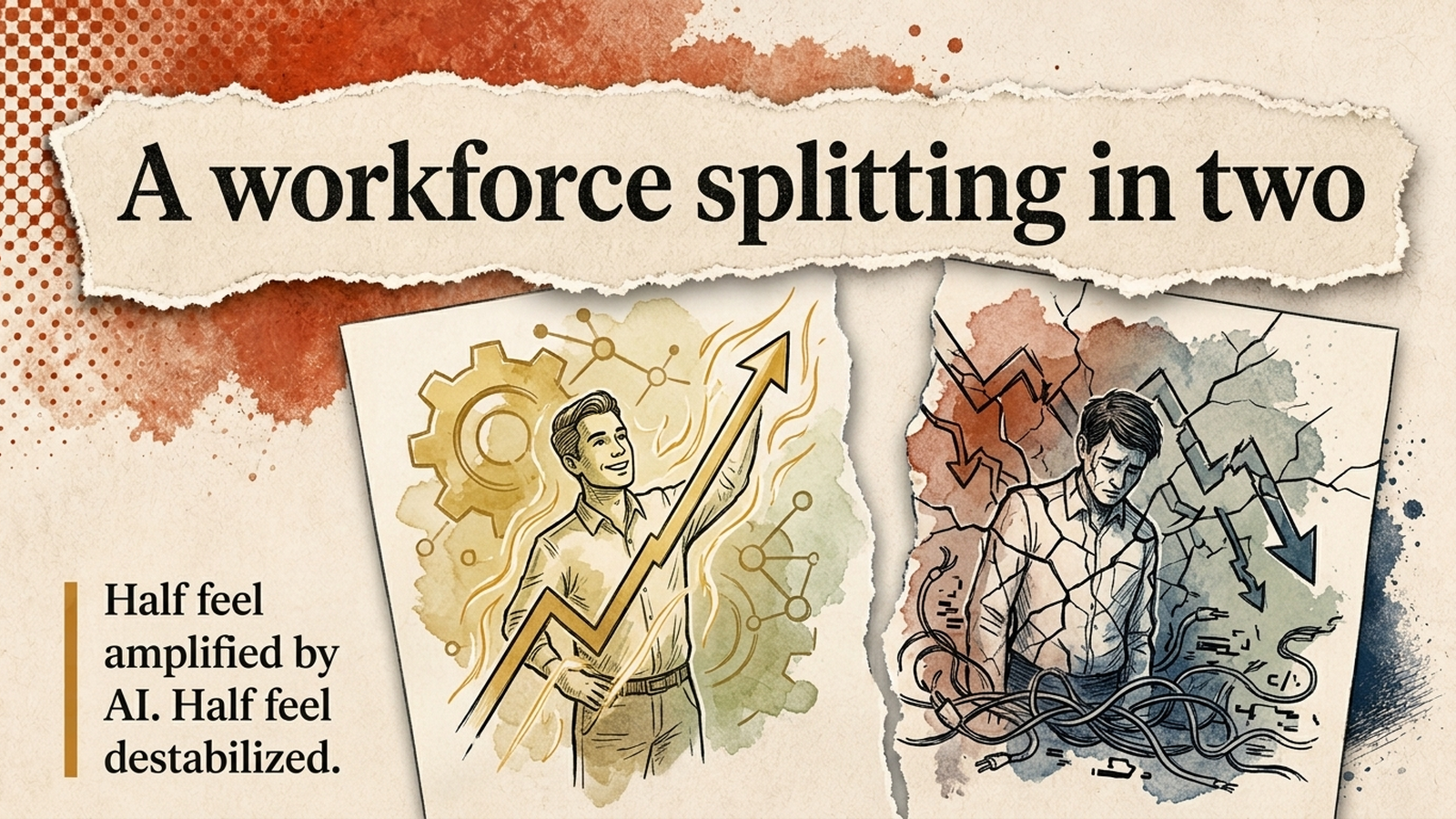
Lenny's 2026 survey puts numbers under the weather: significant burnout 44.7% → 55.7%; career optimism 54.8% → 48.7%; roughly half feel amplified by AI. The fear that dominates is not "AI takes my job" (22%) — it is more work for the same pay (51%) and an unsustainable pace (46%).
Why robots are not Lego recipients
With a human, Molly's best practice was never a careful handover manual — chuck the Legos and run so brain space is freed. With AI, you cannot get rid of oversight. You still own the final product. Efficiency goes up; mental tax stays. That is delegation to a junior, not giving the tower away.
Delegating something to a robot is not the same as giving it to a human because you cannot get rid of the oversight […] the mental tax stays with you.
Molly Graham
Treat the model like a summer intern, not a superintelligence. You would never forward an intern's first deck to the board. People who spent a career avoiding management now manage a swarm of lazy interns — robots count against the mental-load cap.
Fear is a bad operating system
The dominant story — pour everything into the smartest hire, who replaces you in six months — makes lean-in psychologically impossible. Molly calls many AI-branded layoffs a cover for overhiring, and notes the data so far does not show wholesale job erasure.
What would you do if you believed your job was always going to exist? It was just going to look completely different every 6 years.
Molly Graham (via Manoush Zomorodi)
Some Legos should not go to robots: judgment, strategy you own as a leader, trust-bearing relationships, and anything where you cannot yet define quality. Human sandwich: vision on top, AI in the middle, humans on the finish. Throw a funeral for the craft you loved, then ask what you could love that way again.
What managers should do this week
Manager quality remains the strongest lever on burnout and enjoyment in Lenny's survey — and most managers are not rated highly effective. Stripping management layers for "efficiency" is the wrong bet when oversight load is rising.
Role-model what is fine to give AI and what humans still own. Normalize grief out loud. Mute "you're already too late" — lab leaders still say early innings. Before each task: can AI help? Then: is it good?
Clay's AI writing policy is the concrete example Molly praises — accountability for what ships, regardless of how it was made. Ambition without a quality bar is just more disposable output.