TL;DR
The short version
Adam Mosseri runs a product used by 3 billion people a month. His read on AI is simple: when it costs almost nothing to build things, the scarce skill becomes deciding what to build — taste, judgment, and strategy — and the org chart is already reshaping to match.
Instagram moved to small generalist "pods," is long on designers, and is betting that a flood of synthetic content makes real creators more valuable, not less. From Lenny's Podcast.
Built on the 9 Jul 2026 Lenny's Podcast interview with Adam Mosseri, Head of Instagram.
The canonical team just got smaller
For years, a team at Meta looked like a baker's dozen: two or three engineers each for iOS, Android, and server, plus a PM, a designer, a data scientist, and a researcher if you were lucky.
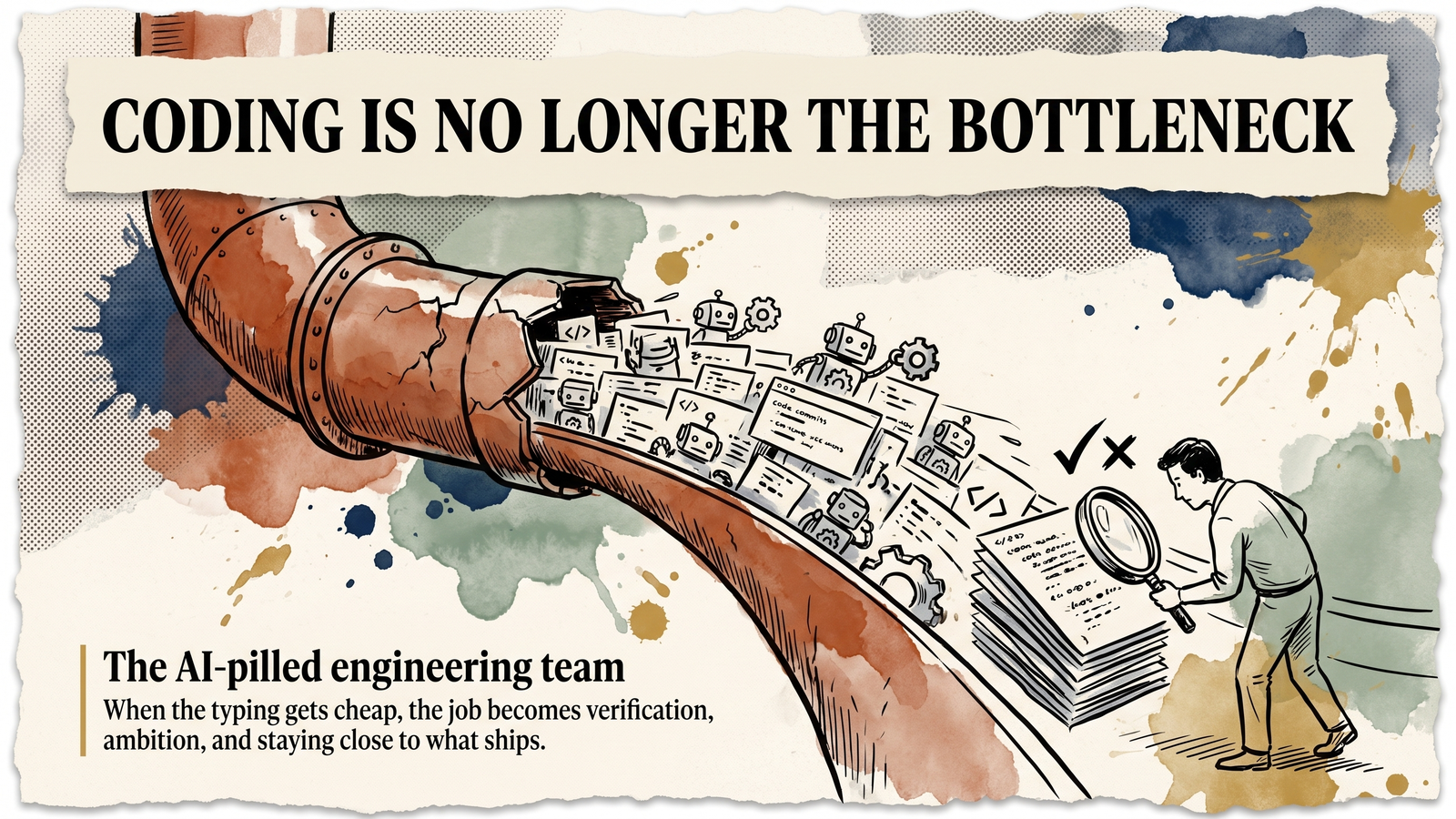
That shape is gone. This year Meta moved to "pods" — four to six generalist engineers plus a new role Mosseri calls "product staff," a PM who now does slices of design, data, and research using newer tools. The core team lands at six or seven. Specialists still exist, but you pull in a senior one only when the work demands it: a pricing problem needs a data scientist, a novel interface needs a strong designer.
Smaller teams coordinate less and decide faster. "Less design by committee," as Mosseri puts it. The functions are bleeding into each other, and the whole industry is working out what that means.
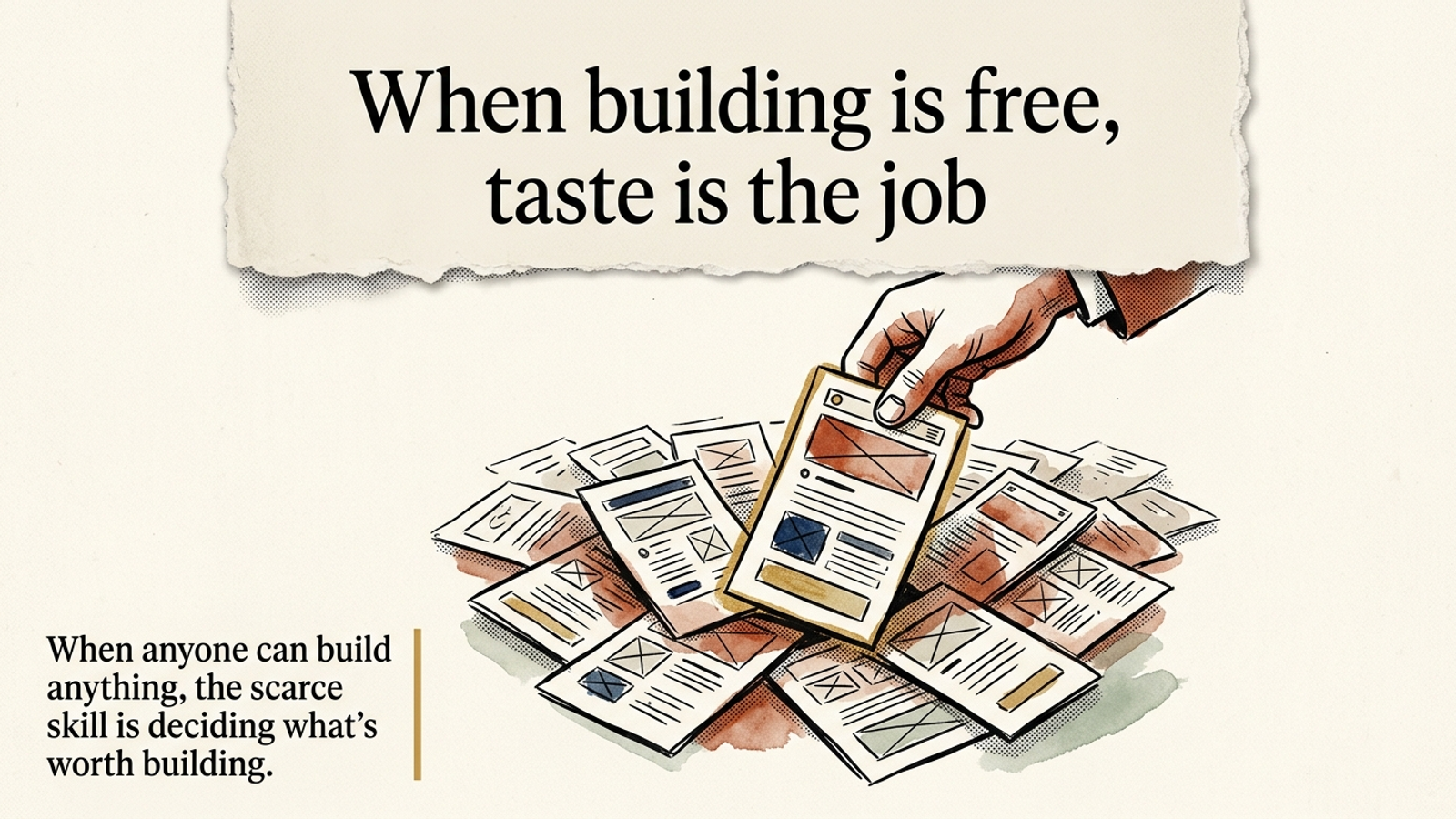
Taste is what's left when building is cheap
Here is the load-bearing line:
In a world where it's easier to build things, it's more important to make sure that your time is spent figuring out what you should be building in the first place.
Adam Mosseri, Head of Instagram
That reorders what's valuable. Mosseri says he's "long on designers" — not because they push pixels, but because they have taste, and taste is hard to automate. The same logic explains the hiring shift. The baseline stays constant: grit, quick learning, self-awareness. What's rising is curiosity and the willingness to look foolish — "willing to sound like an idiot" while trying new tools, the way you do when learning a language. What's falling is large-org management, because there are fewer large orgs to manage.
It also reframes leadership. The best product leaders Mosseri has worked with aren't idea machines — they're curators, of people, ideas, and strategies. They don't need every idea to be theirs. They build a team with enough trust that good ideas surface and get chosen.
AI is bad at strategy, and that's the tell
You'd expect AI to be great at strategy — feed it the market, the competitors, the metrics, ask it how to win. Mosseri says it isn't, "unless you steer it pretty aggressively" — not toward an answer, but on the constraints: the state of the tech, the team and what motivates them, the competitive and regulatory landscape, the brand's reason to exist.
Ask lazily and you get something predictable — exactly what a competitor would expect you to do. That's why he defines a real strategy as one that has to be controversial: a reasonable person should be able to disagree with it, because otherwise you're probably just trying to compete on raw execution. Vision and judgment are where human cycles keep paying off. Execution is where they stop.
The authenticity bet
Instagram's algorithm knows less about you than you assume. It doesn't hold a semantic profile that says you like surfing — it holds "a big ass number that happens to correlate with surfing," a vector in an embedding space. What's new is that LLMs can now translate those opaque numbers into readable topics, which is how the "your algorithm" feature lets you see and edit what it thinks you're into.
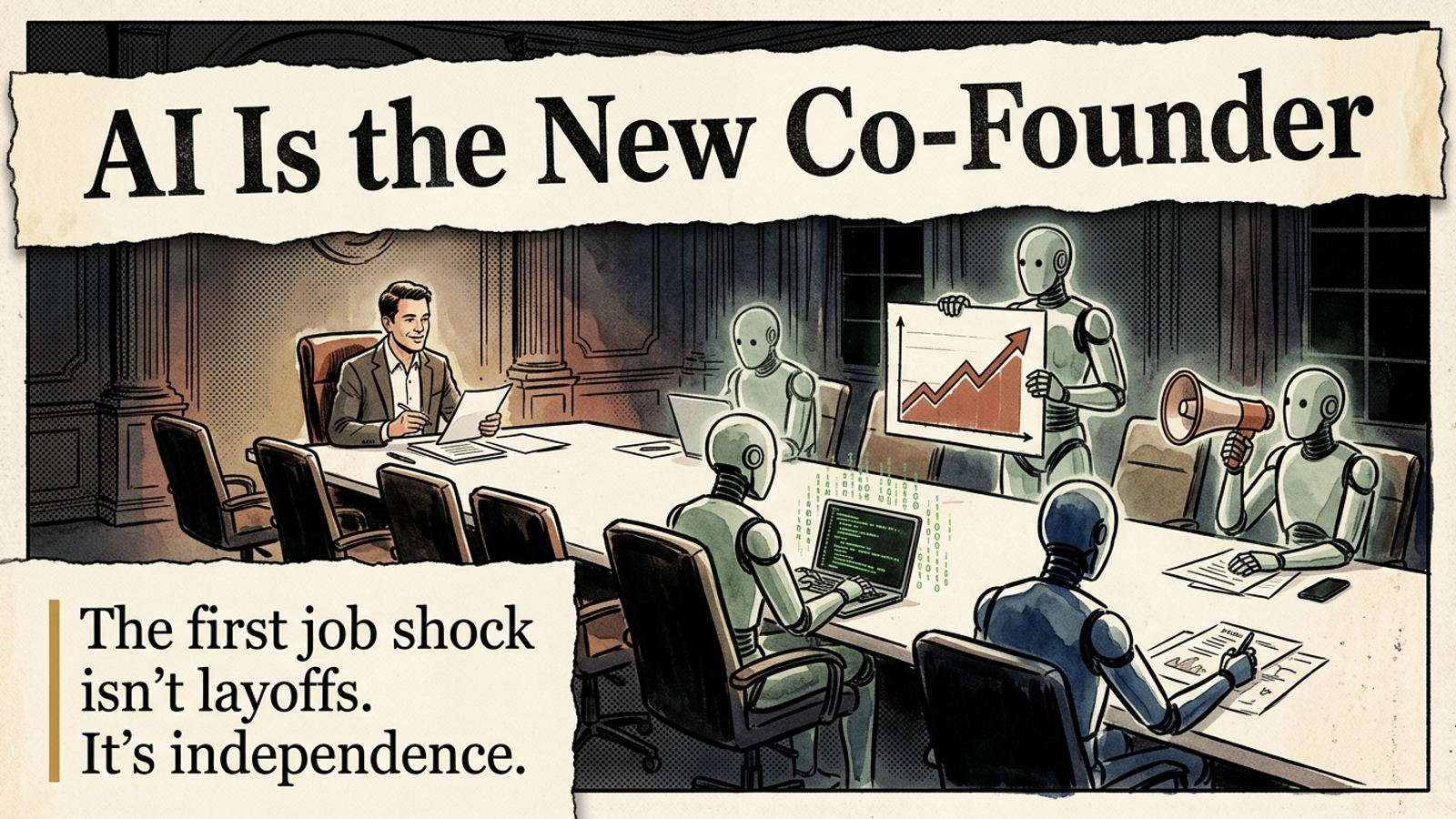
That same shift shapes his call on AI content. Don't filter it — label it, and label the account behind it. "I don't think we should judge content based on the tool that made it." As power moves from institutions to individuals — the way athletes now outweigh their teams — Mosseri bets that a flood of synthetic content makes people want real creators more, not less. It's a self-serving bet for the largest creator platform, and worth reading as positioning as much as prediction. But the underlying claim is sturdy: people follow the person, not just the pixels.
What to copy
You don't run a 3-billion-user app. The moves still transfer.