TL;DR
The short version
Katie Dill compares the AI building boom to post-war architecture that copied modernism without intentionality and left zombie buildings — today's risk is zombie UI: probable, prematurely done, disposable interfaces.
Her four moves: hold a point of view, encode standards into production systems that scale intent, refuse done=good with post-build editing, and unleash artistry so AI raises the ceiling.
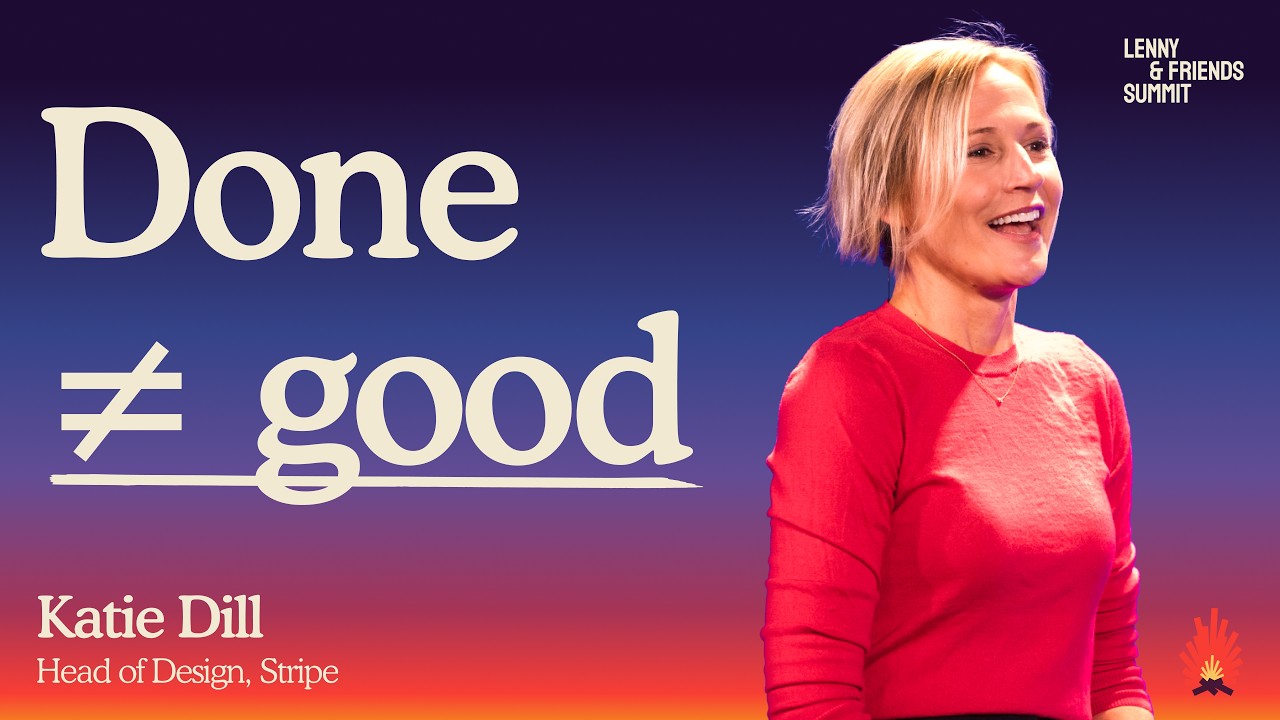
Based on Katie Dill's talk on Lenny's Podcast (published 25 Sep 2026; Lenny & Friends Summit).
How zombie UI arrives
LLMs favor probable past answers over brand-specific originality. AI makes interfaces feel finished early — the microwave-burrito temptation. Cheap output feels disposable, so long-term care drops out. Combined: monotonous screens with no context, brand, or care for people who already live on screens.
LLMs are really good at telling you the most probable answer [...] less good at telling you what's original or specific to you.
Katie Dill
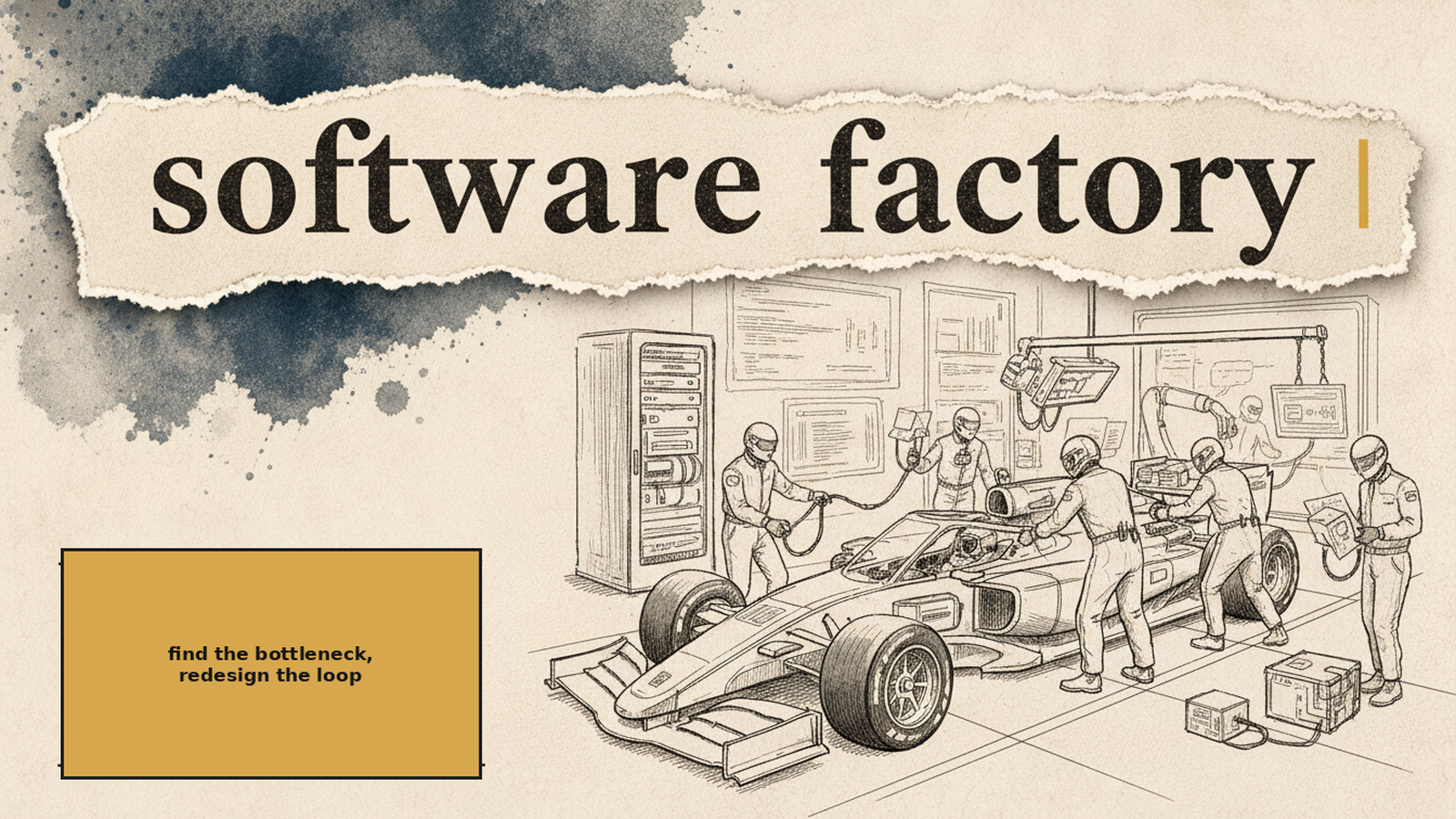
Encode intent; edit after build
If you lack a point of view, AI invents a generic one. Users do not care whether AI made it — they care if it is good. Design systems must serve agents and distributed builders: Stripe evolved from a weak docs MCP to a CLI harness with templates and flows so the object of design is the system that scales intent. Scarcity used to filter before staffing; now filtering happens post-build, when saying no is harder. Editors own journey coherence and unexpected detail.
Raise the ceiling
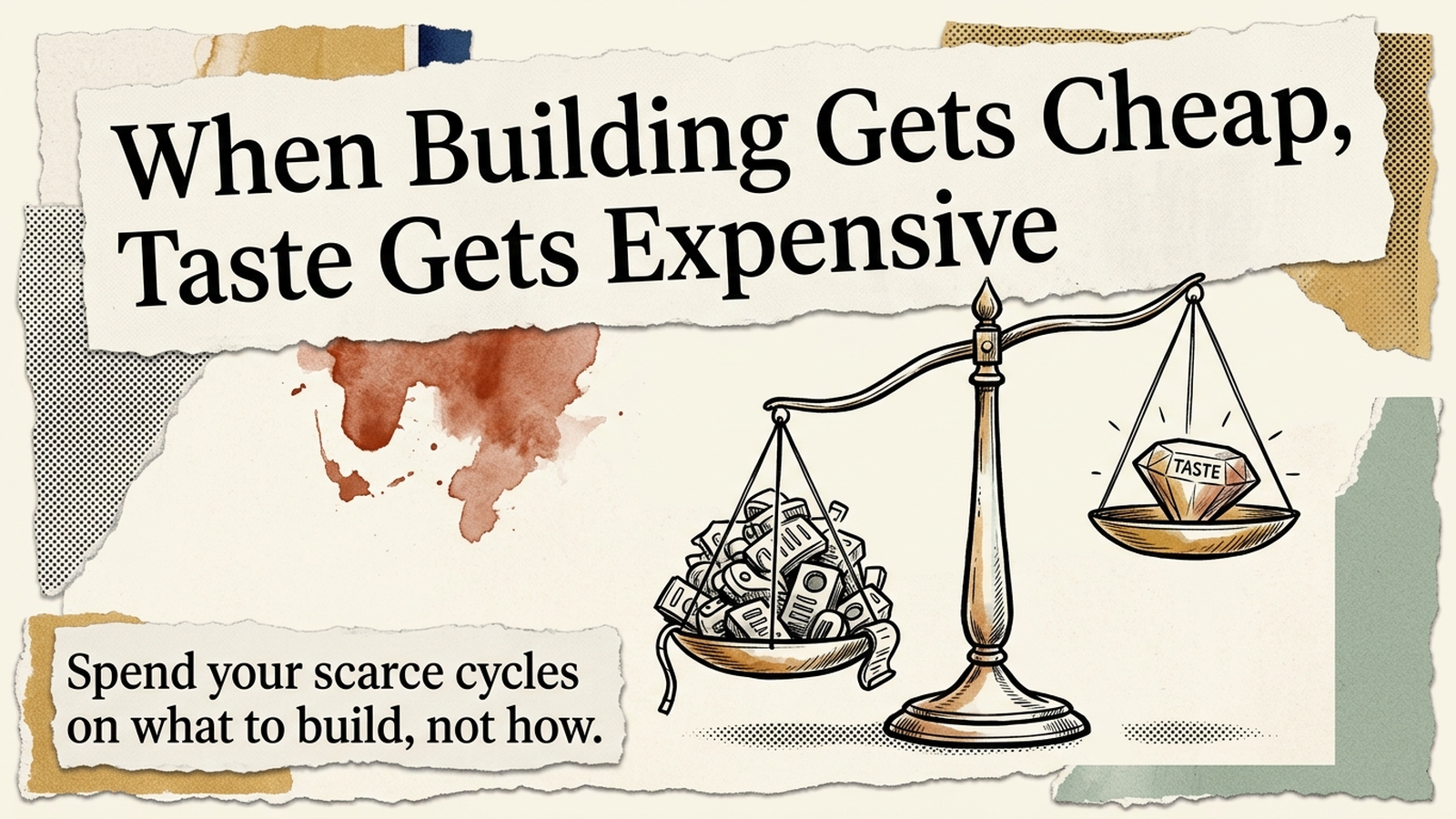
When everyone can build, chats/charts/CLIs are not the interaction ceiling. Improve brand-specific inputs, stress outputs past premature polish, use adversarial critique, and if you lead — protect strange exploration. Spend some of AI's cost savings on craft. Users notice anticipated needs and character, not that you animated something in thirty minutes.