TL;DR
The short version
Muse Wonder puts Meta back near the top of the benchmark tables, but early users found it uneven on real coding and design. The real bet is one personal agent that remembers you — built by a lab that calls AI normal technology.
On The AI Daily Brief, Nathaniel Whittemore walks through Meta's scores, the first 48 hours of builder reactions, and why a single trusted assistant matters more than a coding crown.
Built on How Muse Wonder Shifts the AI Landscape (13 Oct 2026) from The AI Daily Brief, with scores checked against Artificial Analysis and Meta.
The scores say frontier
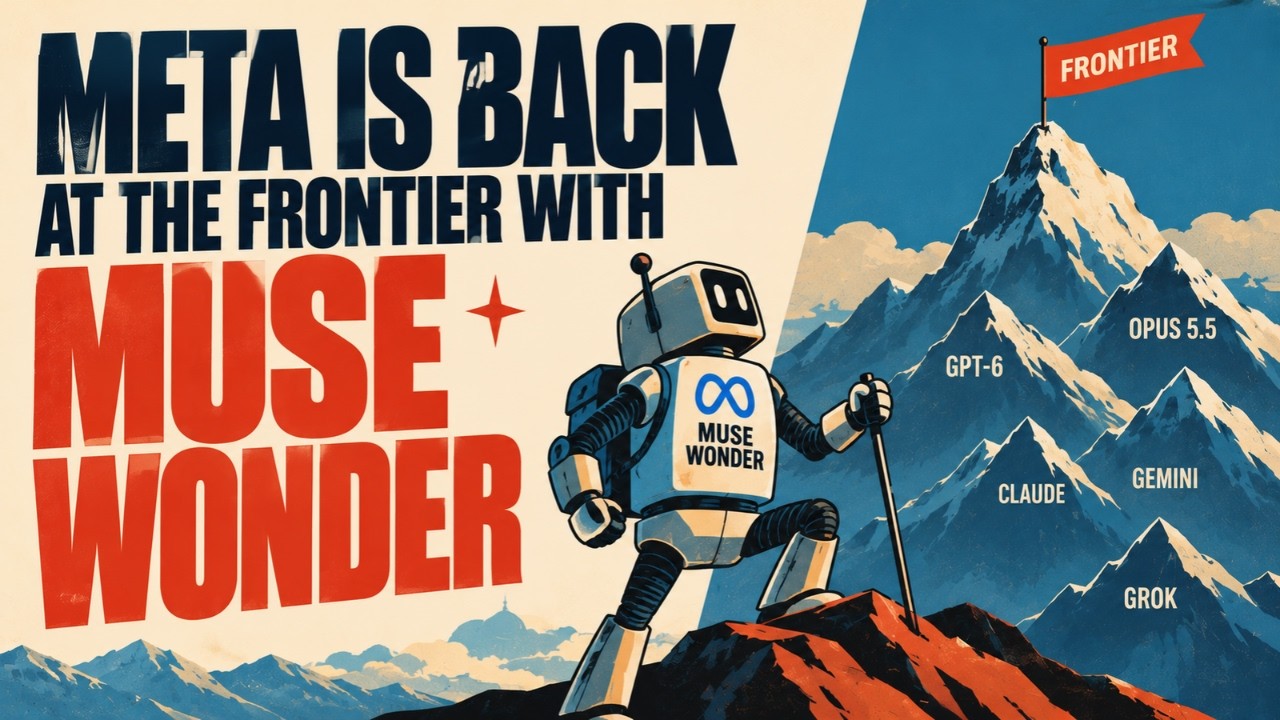
Less than a year ago most people had written Meta out of the AI race. On 12 October it launched Muse Wonder and Muse Wonder Full. Artificial Analysis gives Full 56 on its Intelligence Index and the smaller Wonder 52 — Full level with Claude Sonnet 5.5 and two points behind Opus 5.5, six weeks after Muse Spark 1.3.
Artificial Analysis; Dan Shipper's senior-engineer benchmark
Meta's own table claims more, including 79% on DeepSWE 1.1 ahead of GPT-6 Astra and Opus 5.5 (Meta). Those are vendor runs.
The work says uneven
Some early failures were 3D demos — lawnmower simulators and printable CAD. Whittemore thinks that test is a distraction labs chase because it looks good on social media. Others were harder to wave away: on Dan Shipper's rewrite-a-messy-codebase benchmark, standard Wonder trailed GPT-6.1 Sol by 19 points.
Two things muddied the picture. Wonder is on the API while Wonder Full lives only in Muse Code plans, so many bad results came from the smaller model. And plans drained fast — Meta's Alexander Wang pointed to a possible metering bug. The fans were specific: Theo put Full alongside Opus 5.5, and Conductor's Charlie Holtz said it found a security vulnerability other agents missed.
The bet is one agent that knows you
Most model use works fine even when the model knows nothing about you. Personal assistants are different, which makes switching expensive: few people will hand their calendar, inbox and accounts to six assistants.
Personal assistants on the other hand get more useful in proportion to what they know about you and the systems of yours they have access to.
Nathaniel Whittemore on The AI Daily Brief
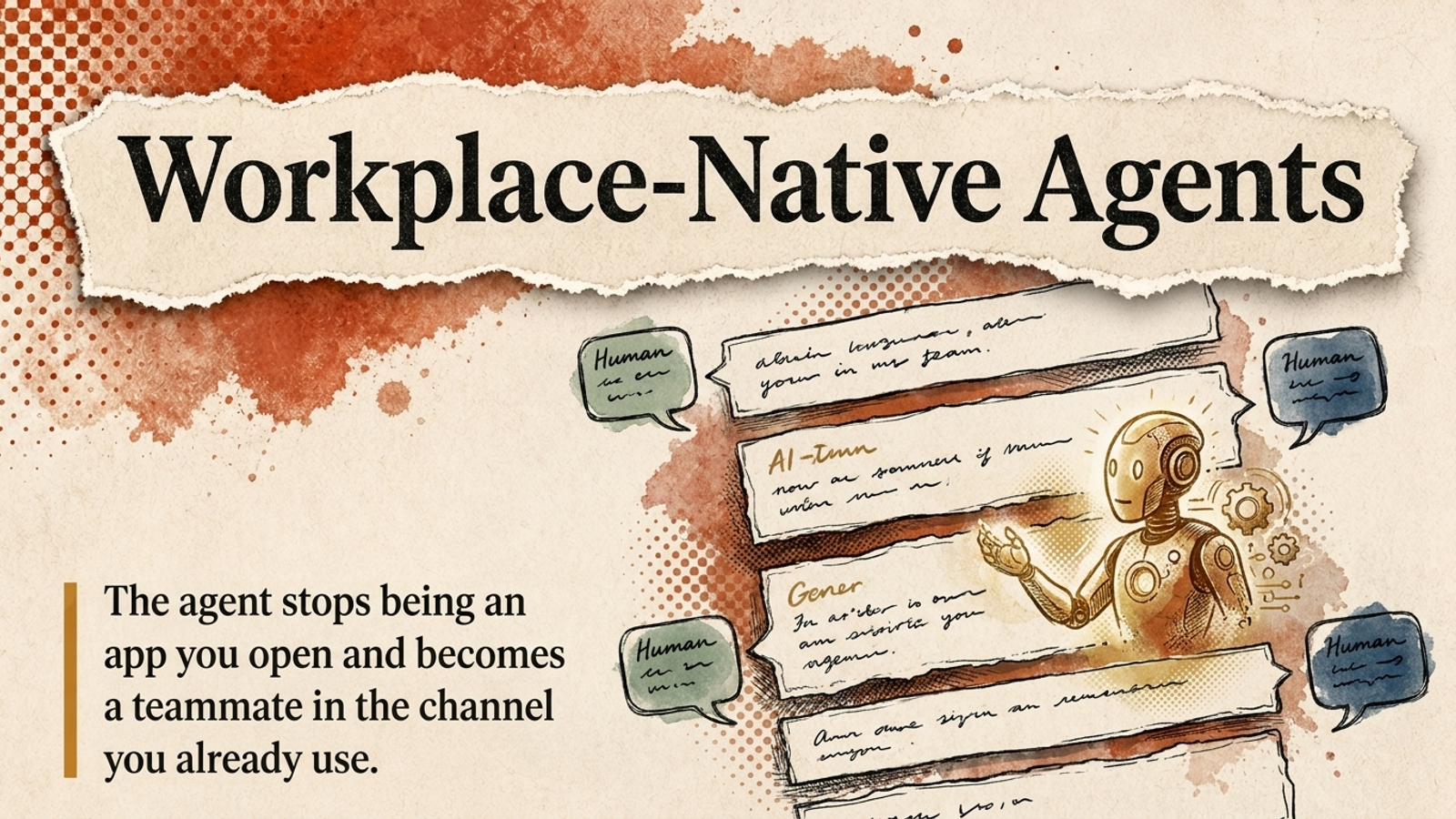
Muse users had hit limits on exactly that work — wrong-day reminders, a hotel booking stuck in a loop. Meta's headline features target those failures: Active Memory carries what matters across conversations, and Active Focus keeps a hard task going and recovers from errors (Meta). The launch also said "personal and professional agents" everywhere — a hint that one personal agent will end up doing work tasks, and that small businesses on Facebook and Instagram are a ready market.
A lab that will not slow down
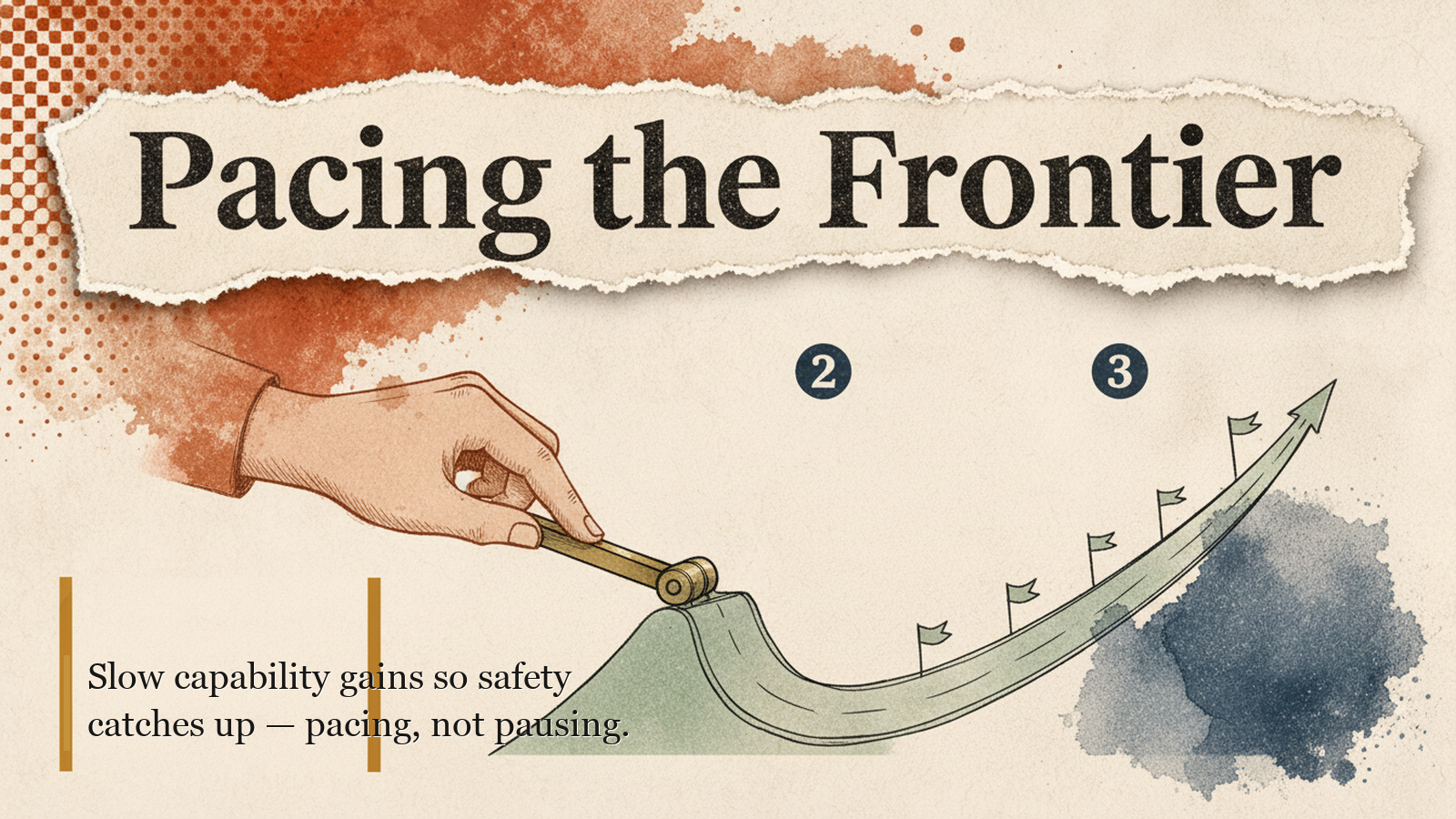
Zuckerberg did not sign the pacing-the-frontier letter. He told the Financial Times Meta has caught up and frames AI as a technology that can be built with normal guardrails (Asia Business Daily, citing the FT). Whittemore calls that the real dividing line: OpenAI and Anthropic act as if they are building something awe-inspiring; Meta says it is building normal technology.
The surrounding headlines rhyme. Nvidia is assembling a US open-model stack, Amazon is in talks to buy Decart for inference efficiency, and Microsoft says Maia 300 delivers 40% more tokens per watt. Everyone is moving into everyone else's layer.
Most reactions here are X posts from the first 48 hours, and Meta's stock rose about 3.4% on launch day. Neither is a verdict.