TL;DR
The short version
Gemini 4 Argon puts Google back among the top labs on paper — Vals Index 68.9%, DeepSWE 77.9%, Artificial Analysis Index 53 — but it is not generally available, and the real race has moved to agents, routing, and product surfaces.
Drawn from Nathaniel Whittemore's AI Daily Brief (Oct 1, 2026), with benches checked against Google DeepMind and Artificial Analysis.
Source: The AI Daily Brief — Gemini 4 Argon, Sonnet 5.5 and What Models You Should Be Using Right Now
Benches say return. Access says wait.
Google's table puts Gemini 4 Argon first on the Vals Index (68.9%) and DeepSWE v1.1 (77.9%). Artificial Analysis scores it 53 — tied with GPT-6 Astra. The same sheet shows coding/computer-use gaps: FrontierSWE 55%, Terminal-Bench 4.0 57.4%, OSWorld 69.2% vs Astra's 72.6%.
Cyber gating (CWE-bench ~68%) keeps Argon with trusted defenders for now. A bench lead you cannot invoke is a press release, not a migration plan.
Sonnet 5.5 recovers the mid-tier — with a token bill
Sonnet is definitely not the same as Opus, just 50% cheaper. […] Opus approaches ambiguous product problems strategically; Sonnet asks how do I do this?
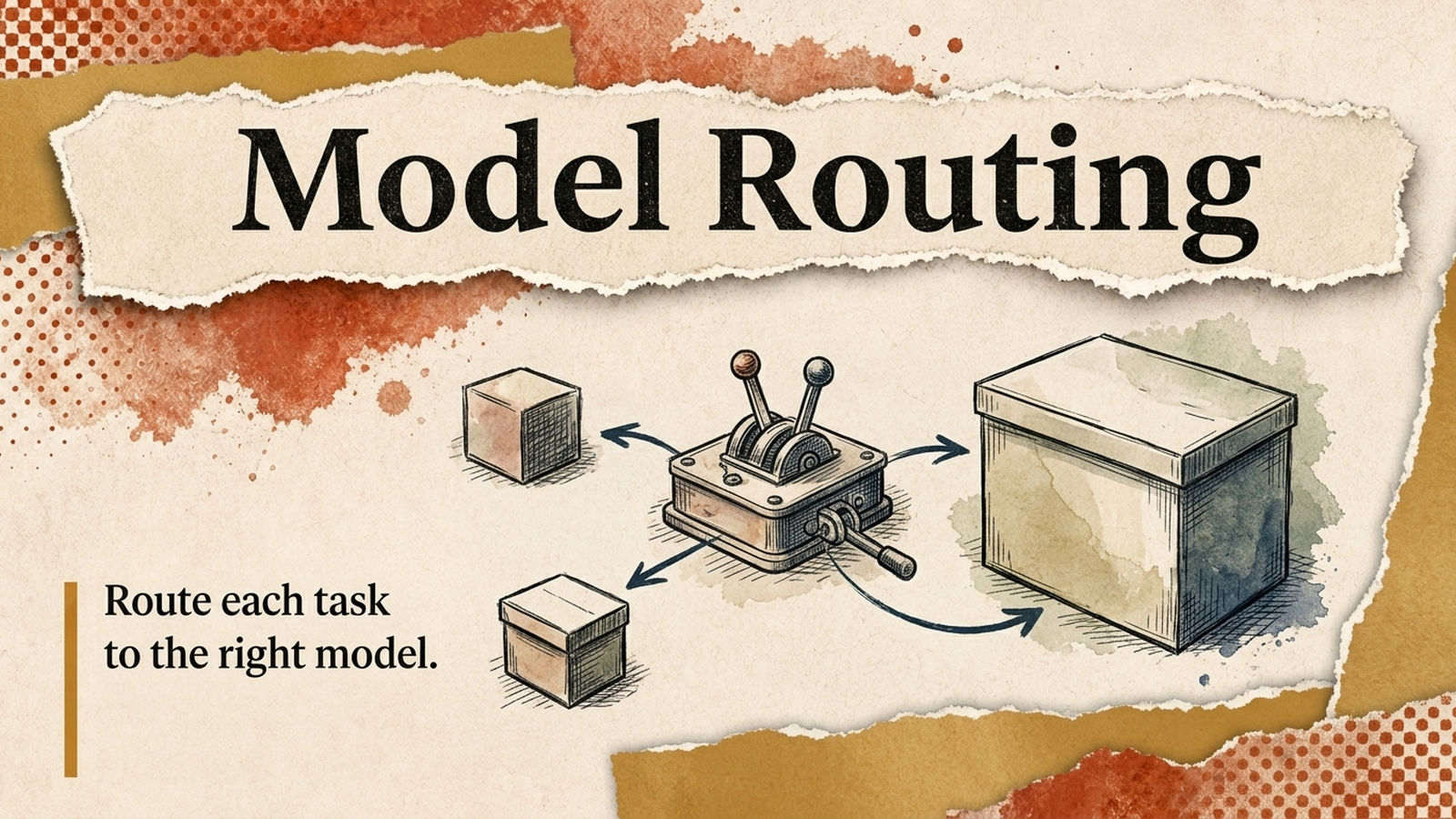
Sonnet 5.5 posts 70.6% on Anthropic's Terminal-Bench 4.0 run and 56 on the AA Intelligence Index. Anthropic's 30% cheaper claim fails at max effort — AA measures $7.60 per task. Route it: Opus for planning, Sonnet for implementation, a rescue model when stuck.
The race left "best model" behind
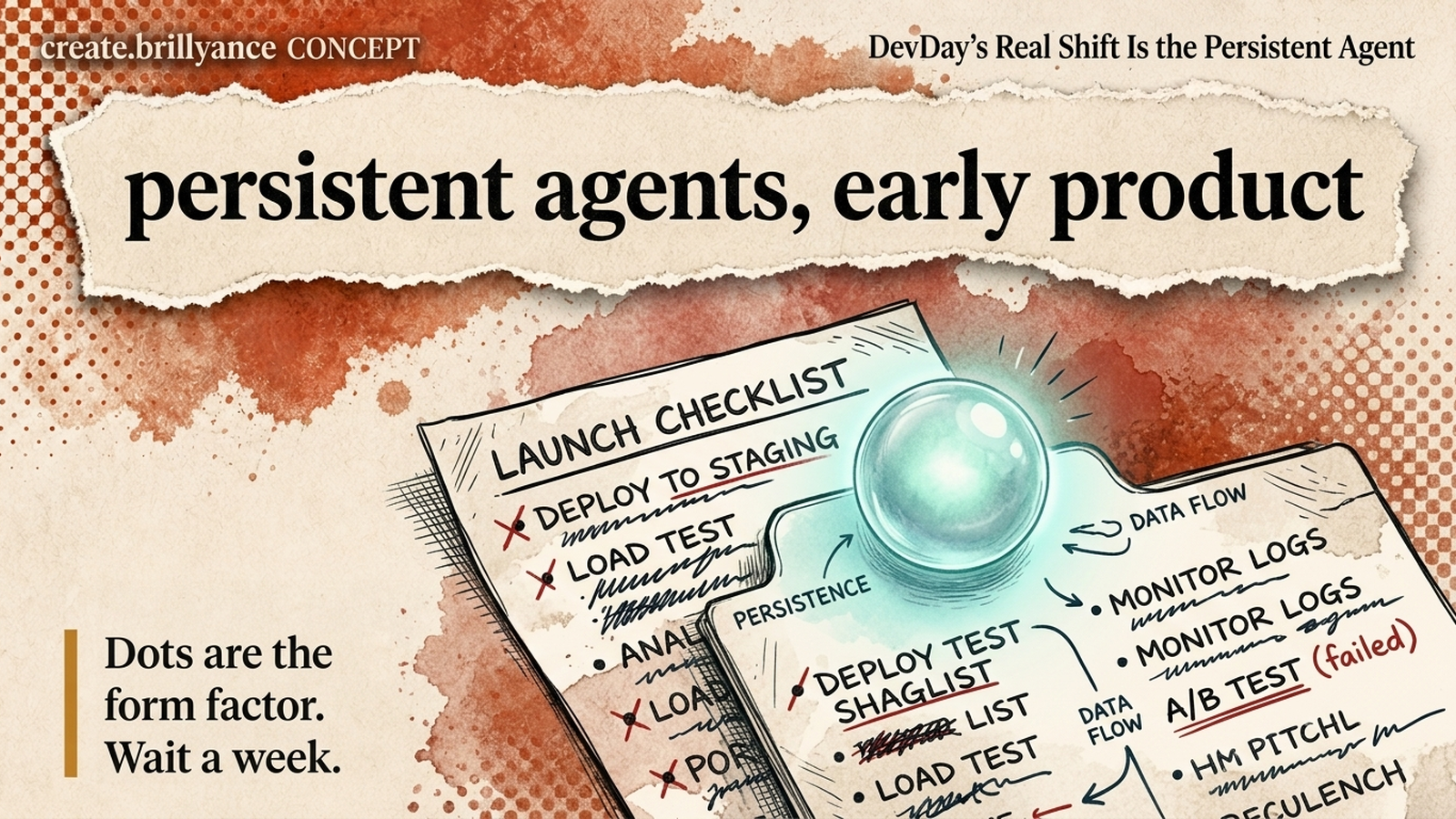
Muse hit ~3M weekly prompters and ~1M daily users in about three weeks. That is UX and distribution. Whittemore's live question: Muse form-factor with a weaker base model versus Dots with Astra. DoorDash shipping its own text-order agent is the same fork — own the agent or partner with category agents.
Route by job. Score agents on utility surface. Treat announce-without-access as PR. Watch Muse vs Dots as a UX-vs-intelligence experiment — not a brand war.