TL;DR
The short version
Grok 4.6 landed as a frontier-adjacent model at a fraction of the price. That's the tell: a year after "frontier" meant three US labs, buyers now have SpaceXAI plus a stack of cheap Chinese models to pick from.
The operator's job is shifting from "get the best model" to "match the cheapest model that clears the bar." This builds on Nathaniel Whittemore's analysis on The AI Daily Brief.
Source: "Grok 4.6 Shows How Fast Your AI Options Are Expanding" — Nathaniel Whittemore, The AI Daily Brief (13 Aug 2026). Benchmark and pricing figures verified against Artificial Analysis and VentureBeat; Whittemore's reads are flagged as opinion in the underlying digest.
The frontier stopped being a three-horse race
A year ago, if you said "frontier model," you meant OpenAI, Anthropic, or Google. A month ago it felt like Anthropic had simply run away with it. This week SpaceXAI's Grok 4.6 scored 61 on the Artificial Analysis Intelligence Index — tying GPT-5.6 Sol, a point or two behind the frontier leaders — at $2 per million input tokens and $6 per million output, roughly 60% cheaper per token than GPT-5.6 Sol.
The number that matters isn't 61. It's how fast the list of credible models grew. SpaceXAI re-entered the race; Chinese open-weight labs pushed in behind it. DeepSeek's leaked V4 Pro benchmarks looked competitive on paper — 87.9% on Terminal Bench 2.1 — even if its actual Artificial Analysis index came in at a soft 53.
For a leader, "more credible models" is the headline. It means less single-vendor risk and more leverage on price.
Grok 4.6 competes on cost, not on a new ceiling
Be honest about what Grok 4.6 is. On the show, Whittemore takes release benchmarks "not just with a grain of salt but with an entire bowl full," and the community read was mixed — some called it their new default, others hit incomplete work and odd token behavior. The fair framing: it's "middleish," advancing to the playoffs but mid-rank against tough competition, and it's being measured against GPT-5.6 Sol and other models several months old.
What Grok did clear is the economics.
Artificial Analysis; VentureBeat
That's the real move: frontier-tier output at mid-tier cost (VentureBeat).
"Good enough, far cheaper" is becoming the default buyer logic
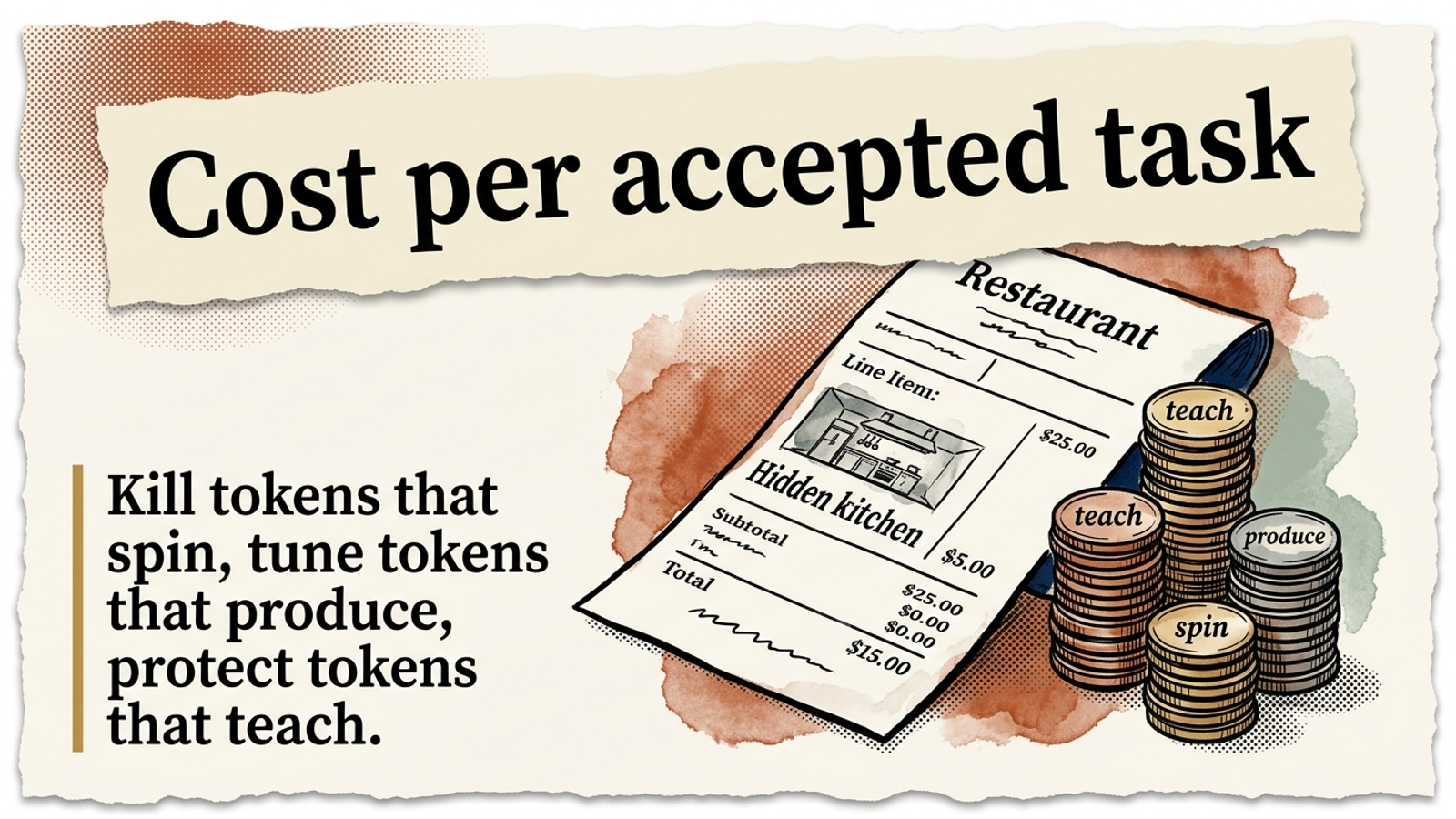
As one analyst put it, "as the frontier proceeds, fewer and fewer people need the bleeding edge and need it less often." RAMP's August index looked like proof: Anthropic's top model made up just 6% of tokens and 11.4% of dollars businesses bought from Anthropic (Ramp AI Index).
But read that number carefully before you act on it. Whittemore's pushback is worth keeping: RAMP's data comes from a spend-management product, so its users are pre-selected to optimize cost away from expensive models. And the top model still carries a 30-day prompt-retention requirement tied to US government safety checks — a compliance blocker many enterprises won't touch regardless of price. The "too expensive" story is real but partial. Treat the low adoption as one signal, not a verdict.
What this changes for how you operate
Stop shopping for the single best model. Build a stack and route to it.
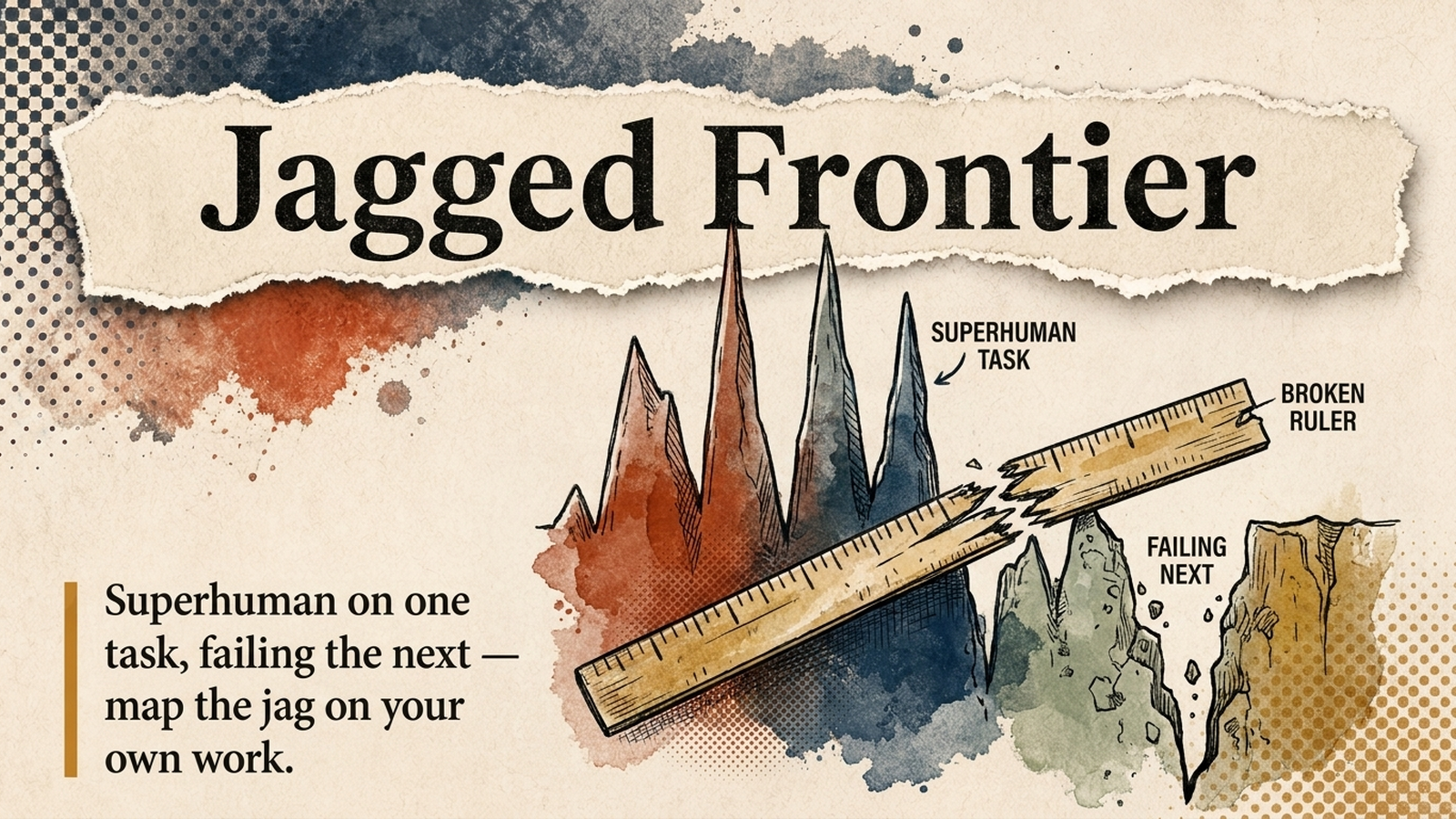
The jagged part is worth remembering too. Samsung's chip team cut a system-on-chip verification task from over a month to two days with Claude Code, and had a second-year engineer finish a month-long job in a day (Neowin). The same tooling also masked errors and touched things it shouldn't. More options mean more upside and more ways to get burned. Pick per job.
It's pretty hard to look around the model landscape right now and not feel like we have increasingly more rather than less choice.
Nathaniel Whittemore, The AI Daily Brief