TL;DR
The short version
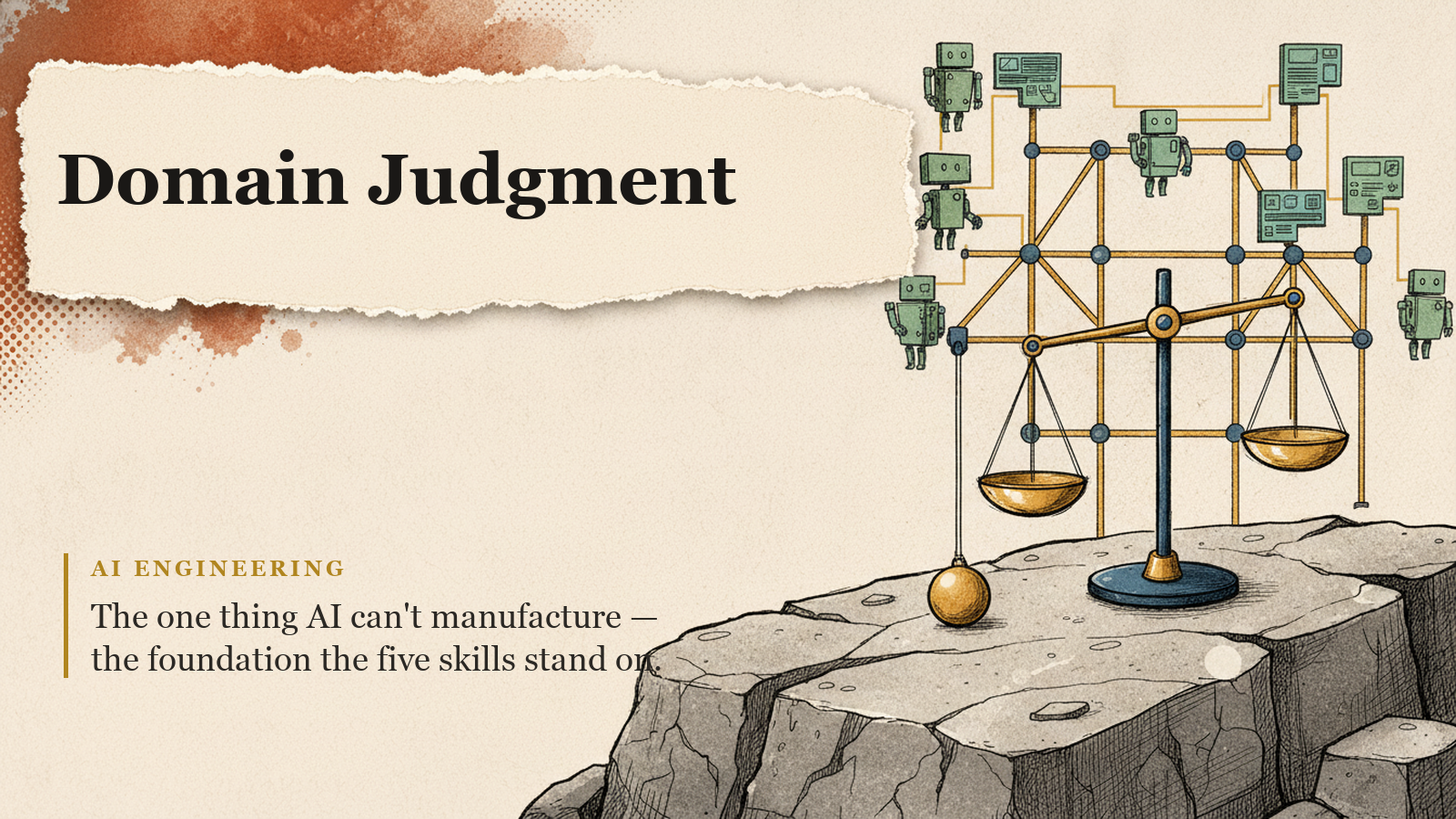
Checking AI output takes deep expertise. Deep expertise comes from years of grunt work. And grunt work is the first thing AI eats. Each firm cutting its junior roles is acting rationally — juniors are the least defensible cost — but collectively they drain a shared pool of future experts. The result is distributed deskilling: adoption climbs while the supply of people able to supervise the machine erodes.
The bill comes due later, when the seniors who could catch the model's mistakes retire and no one behind them learned the hard way. Nathaniel Whittemore frames the tentative fix as moving AI's core unit from the individual to the small team — an apprenticeship problem, still unsolved.
Built on Nathaniel Whittemore's The AI Daily Brief, drawing on Nolan Lovett's 2026 paper The Tragedy of the Cognitive Commons and BCG deskilling data.
A loop that eats its own seed corn
The mechanism is simple and vicious. Effective AI oversight depends on exactly the expertise that AI adoption undermines — Lovett names the human check on the machine the "validation tether," and it only holds while enough humans still have the judgment to check.
Checking AI output requires deep expertise. Deep expertise comes from doing grunt work for years. And grunt work is the first thing AI eats.
Zara Zhang
Rational for each firm, a tragedy in aggregate
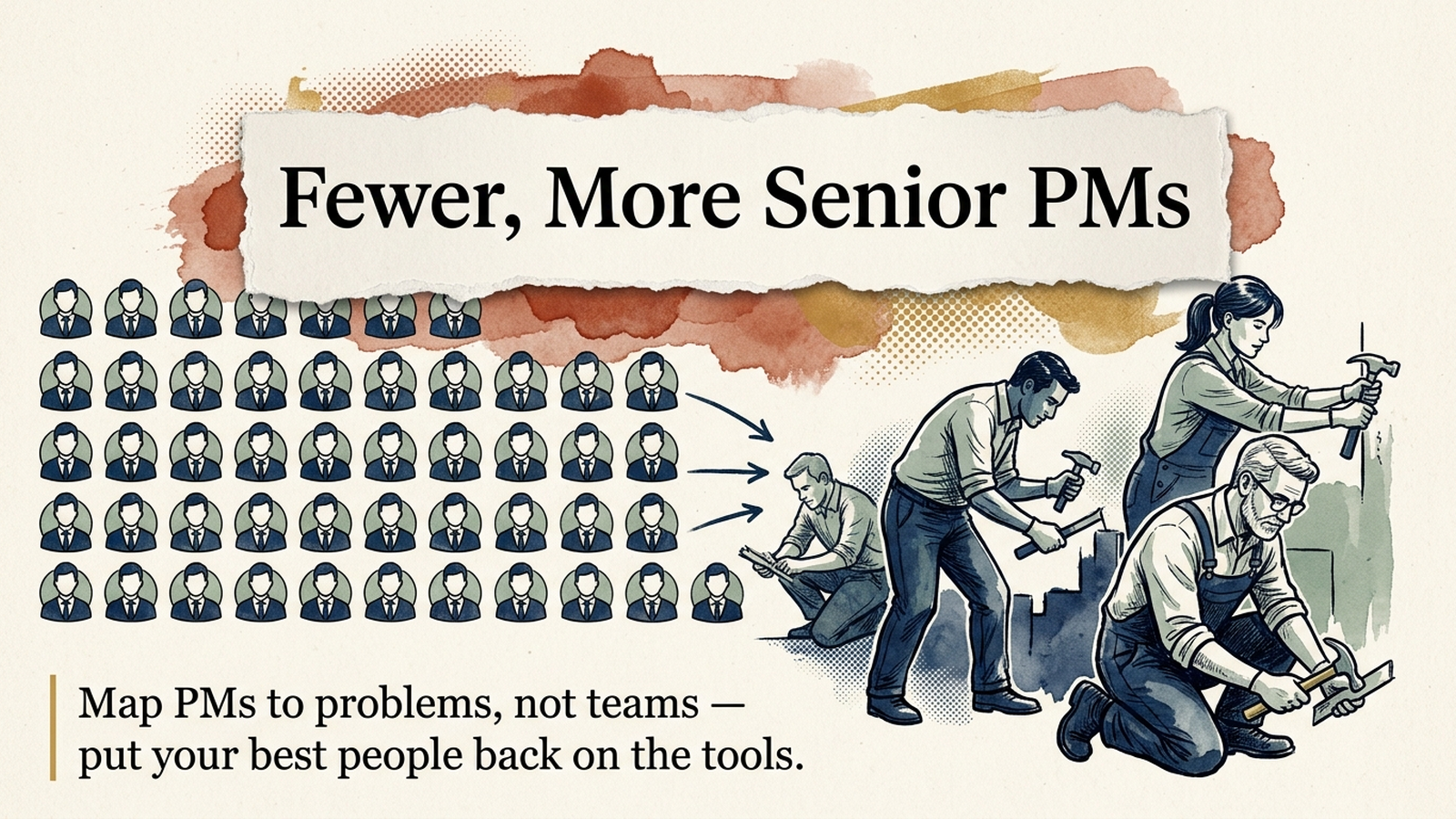
Junior roles are the cheapest to automate and the easiest to justify cutting, so each firm does it. But the junior tier is where the next generation of experts is minted. Firm-level rationality depletes an industry-level resource no single firm owns or protects — the classic commons failure, applied to professional expertise.
It's already visible, not a distant risk.
The tentative fix: teams, not solo players
Whittemore's answer to the apprenticeship problem is to relocate where judgment is developed — from AI as "single-player" (one person plus their agents, learning alone) to AI as "multiplayer," where the small team is the unit and juniors build judgment inside a group that still reviews, corrects, and teaches. It's a directional bet, not a solved design. The mechanism for regenerating expertise is the open question.
The operator read: protect the bench on purpose
Left to per-firm cost logic, the junior tier gets optimized away and the deskilling compounds silently. A leader who wants supervisable AI in five years has to fund the expensive-looking thing now — keep people doing enough hard-way work to build the judgment that makes oversight possible. It's the same underinvestment pattern as funding tools over training: the cheap cut today is the expensive gap later.