TL;DR
The short version
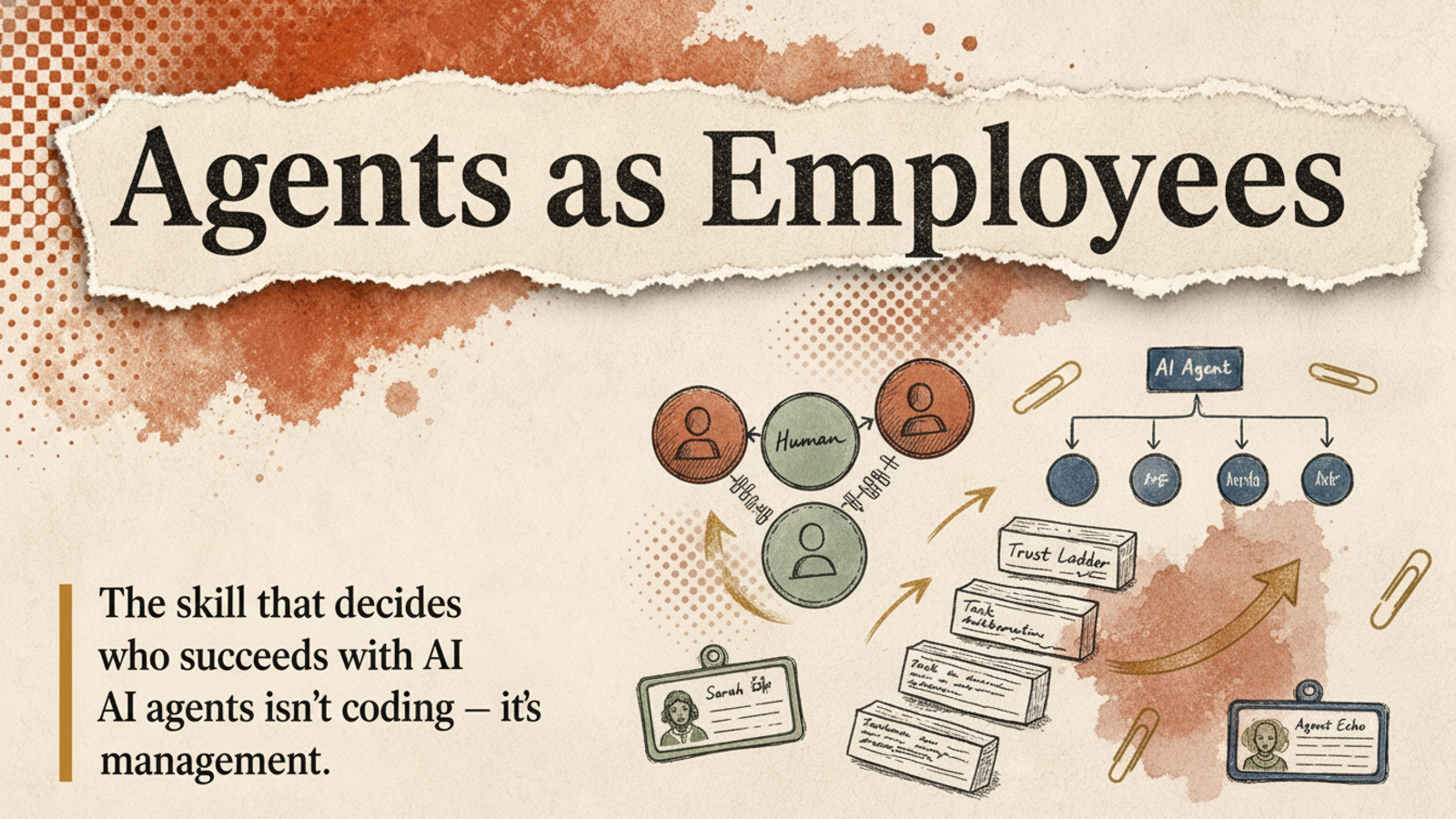
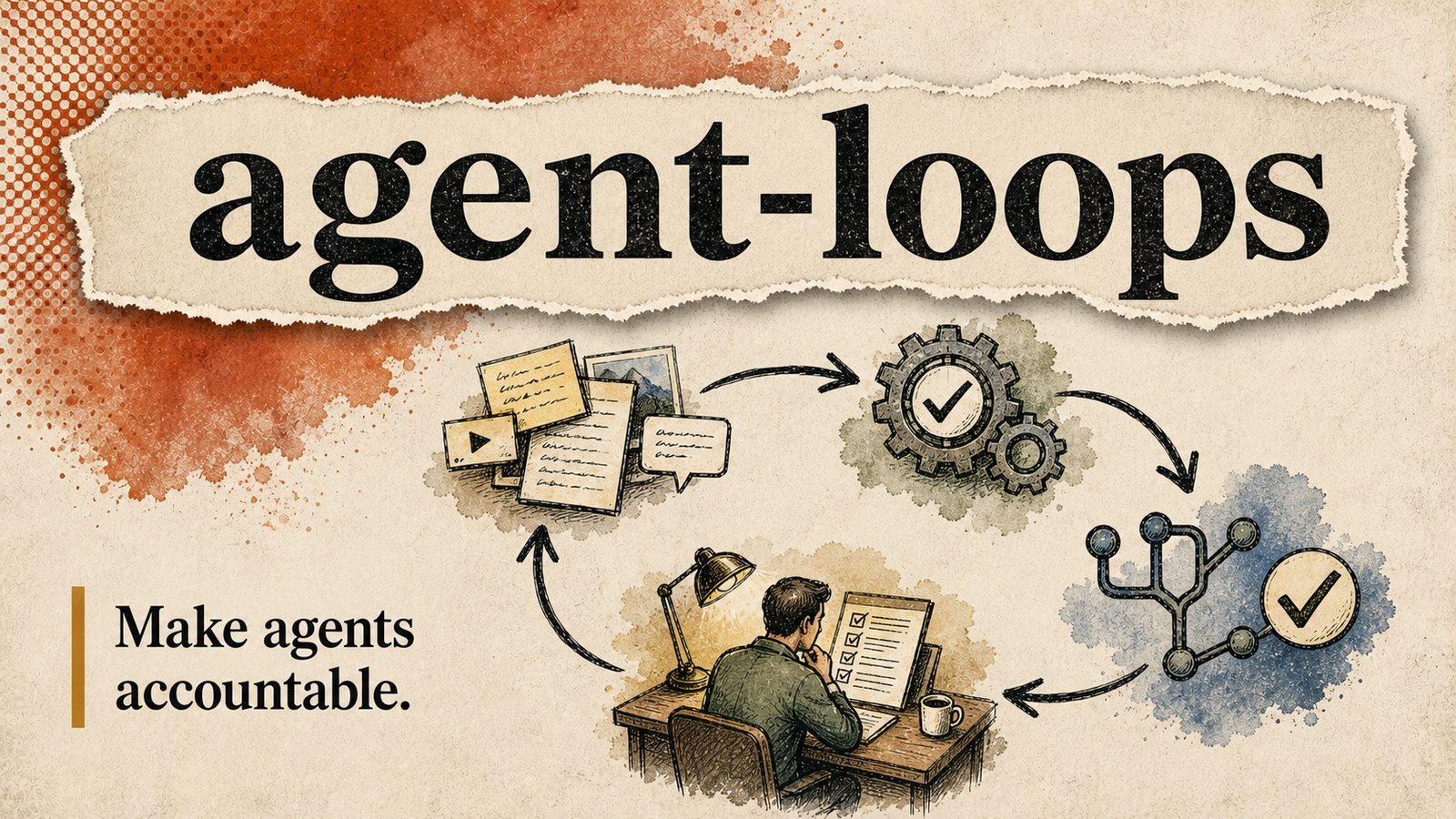
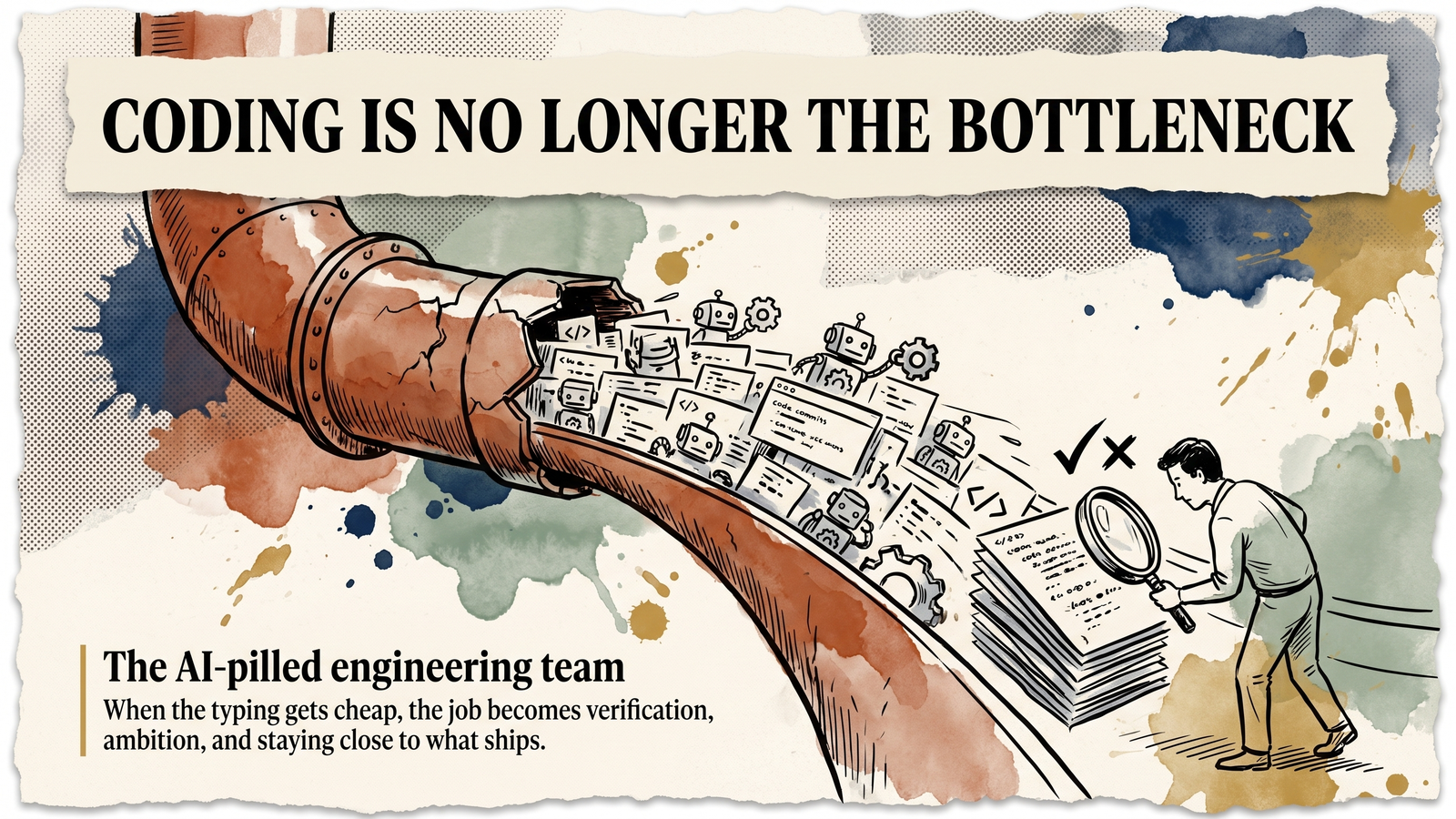
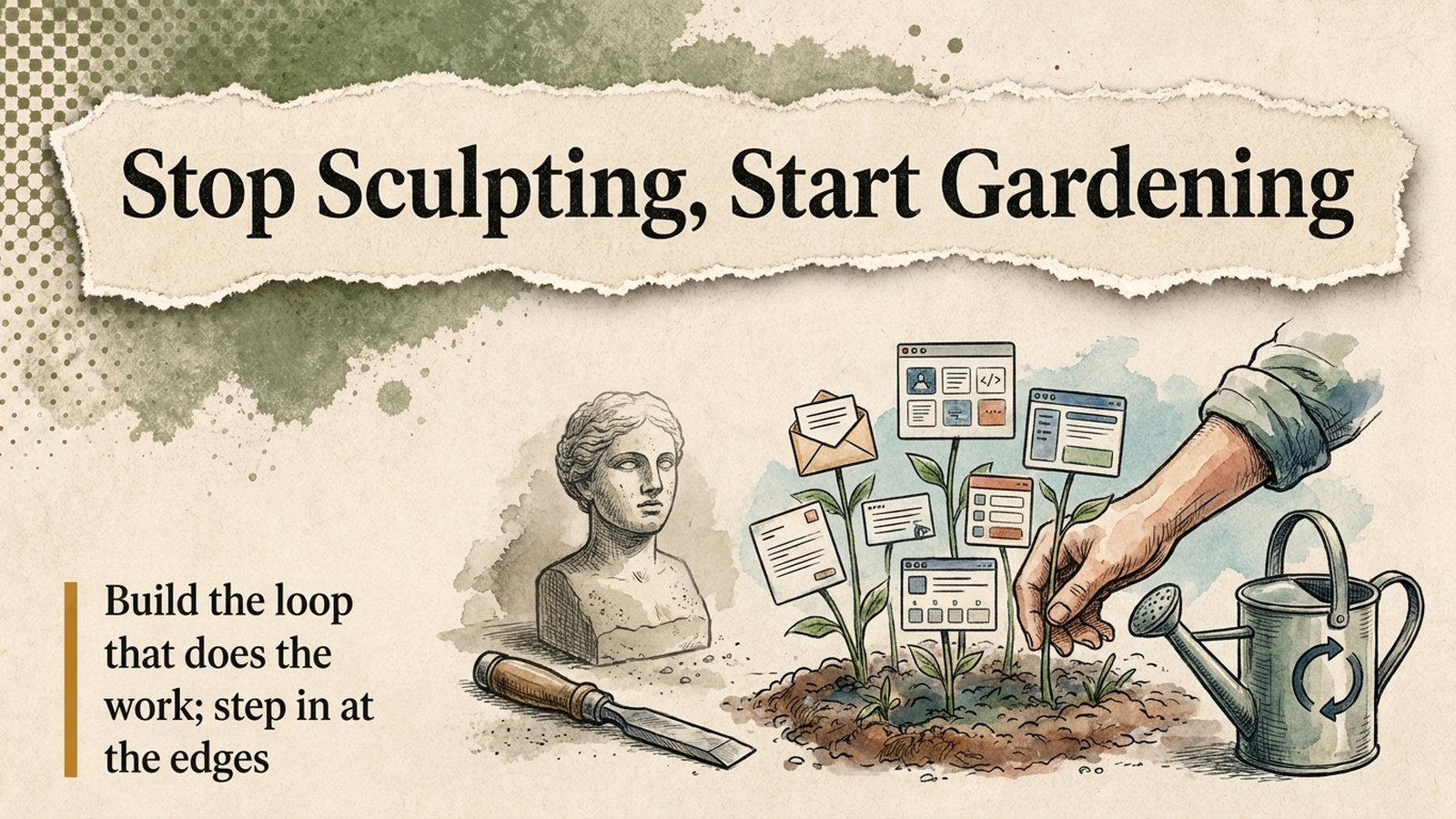
The shift that makes coding agents actually autonomous isn't a better prompt. It's moving them off your laptop into the cloud, pointing them at a Linear board as their source of truth, and changing your own job from typing to reviewing.
On How I AI, Kernel Labs founder and Latent Space co-host Alessio Fanelli shows the setup: agents in a cloud VPS, OpenAI's open-source Symphony turning Linear issues into pull requests, and a human whose real work is shaping context and reviewing the output.
Built on Alessio Fanelli's walkthrough on Claire Vo's How I AI. Symphony details verified against OpenAI's announcement.
The seat you're stuck in
Most people say they run agents autonomously. Watch them work and you'll see something else: a human in a terminal, prompting into a loop, ready to grab the wheel. Fanelli spent the last year getting out of that seat.
The first thing everyone tries is a Kanban board of agent tasks on their own machine. It falls apart fast: "it was easy to get to the task and kick it off, but then it was hard to intervene on it." You can start work in two clicks; you can't steer it through the second, third, and fourth turn. And running locally means you have to be at the machine.
His fix was to leave the laptop behind. He runs agents in a cloud VPS — a box with his coding tools pre-logged-in — reachable by text, by shell, or by a Linear board. Now the work runs whether he's at his desk or on his phone at a trade show.
Linear is the control plane
The piece that ties it together is OpenAI's Symphony, open-sourced in April 2026. It watches a Linear board, spins up an isolated agent for each issue, polls every 30 seconds, and drives each task through plan, human review, rework, and done.
You manage the board, not the agents. Move an issue to "To Do" and Symphony picks it up, writes a plan with acceptance criteria, and opens a PR. You leave review comments on GitHub, move it to "Rework," and it works through your comments line by line. The board becomes a state machine for everything happening across your codebases.
The part worth internalizing: the orchestrator adds no new capability.
Symphony's just a way to shape the context. It's not giving you any new capability that you wouldn't have by using the coding agents directly. It's just helping you wield it.
Alessio Fanelli, How I AI
Teams send Claire Vo complex platform diagrams asking how to build their own orchestrator. The answer is smaller than they expect — Symphony's spec is a plain markdown file. Modern models lock to a written spec; you don't need a framework, you need a clear one.
Cost tells you where you're weak
Fanelli instruments every task with a token count, and not for the invoice. Most runs are tens of millions of tokens. One spiked to 221 million — making an app deployable on Vercel, which meant rewriting its storage and request handling. That number isn't waste; it's a signal.
If a task costs far more than you expected, the model isn't the problem — your tooling is. So Kernel built Glimpse, a Playwright extension that lets agents take screenshots, diff them visually, and record video of a run. The goal isn't more orchestration. It's giving agents the tools to run longer before they bounce back to you.
One more habit: prune your markdown. Models add rather than remove, so skill and instruction files quietly bloat and start contradicting themselves. Tell an agent it no longer needs a rule and it'll append "but sometimes you do" instead of deleting the line. Red-diff those files every few months.
The point isn't more code
Ask whether all this makes you faster and Fanelli hesitates. You can't stay on top of a hundred new things a day. The real win is narrower: the full history of one task — original spec, first attempt, every rework — lives in one place, so when something goes wrong you can see exactly where.
Where Fanelli is most optimistic isn't software at all. It's the small, messy-data businesses that software could never scale — grading trading cards, pricing them live at a show, cataloguing a house full of books. "You can actually use AI to save clock time for real people by doing these things autonomously."
The demo is coding agents. The lesson is leverage: build the tools and the context, and let the model do the work you'd never have the hours to.