TL;DR
The short version
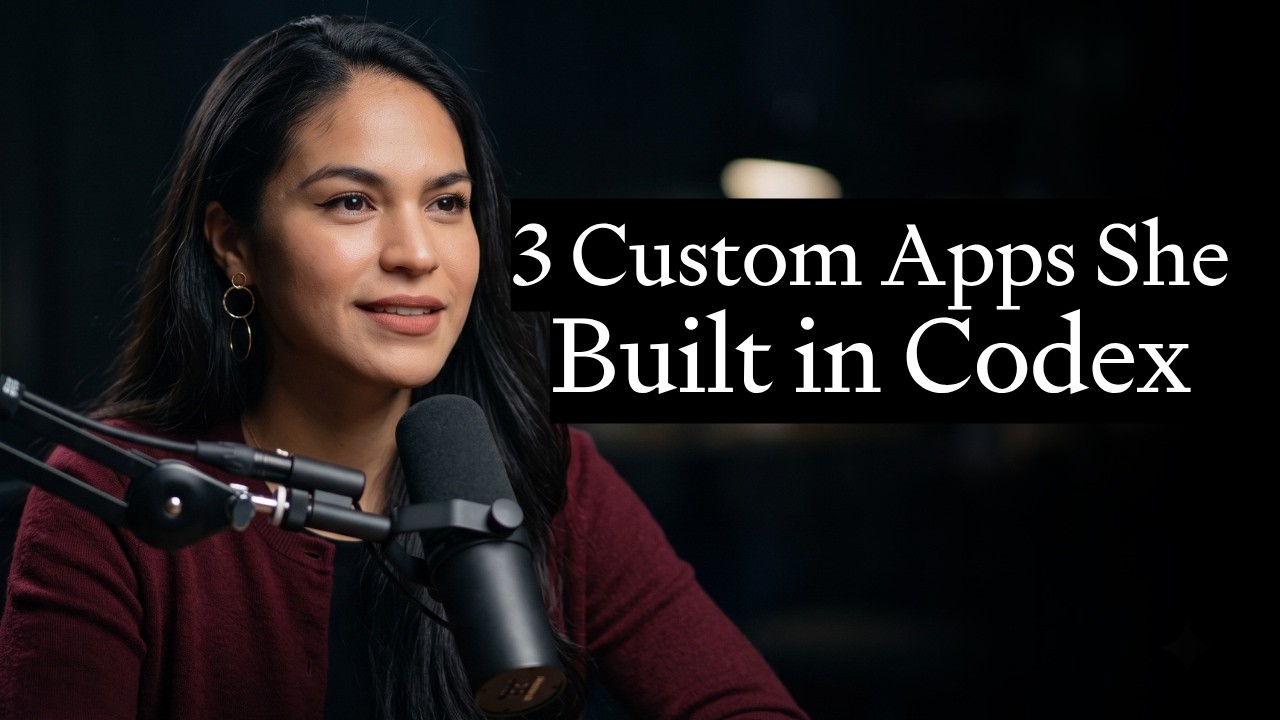
Natalyia runs consulting at Every, teaching executives to use AI, and now builds and runs her own practice on Codex despite a non-technical background. Her reframe: stop doing tasks by hand (sculpting) and build the system that does them (gardening), stepping in only at the edges.
The other half is discipline about tooling. She vibe-coded a CRM, then bought Attio — because in the AI era you can build anything, but the real question is whether you should build and maintain it.
From Dan Shipper's AI & I conversation with Natalyia on Every. Metrics are personal anecdotes; Attio is also the episode sponsor.
From sculpting to gardening
Old knowledge work was sculpting. Every mark on the sculpture was something you did with your hands — each email, each doc, each spreadsheet row.
The shift she describes is toward gardening. You create the conditions for growth; you don't make the plant with your hands. In practice that means you stop doing individual tasks and start building the system that does them, then intervene at specific points.
Knowledge work now is turning into something like gardening — you're creating the conditions for the growth to happen, but you're not making the plant with your hands.
Natalyia, Every
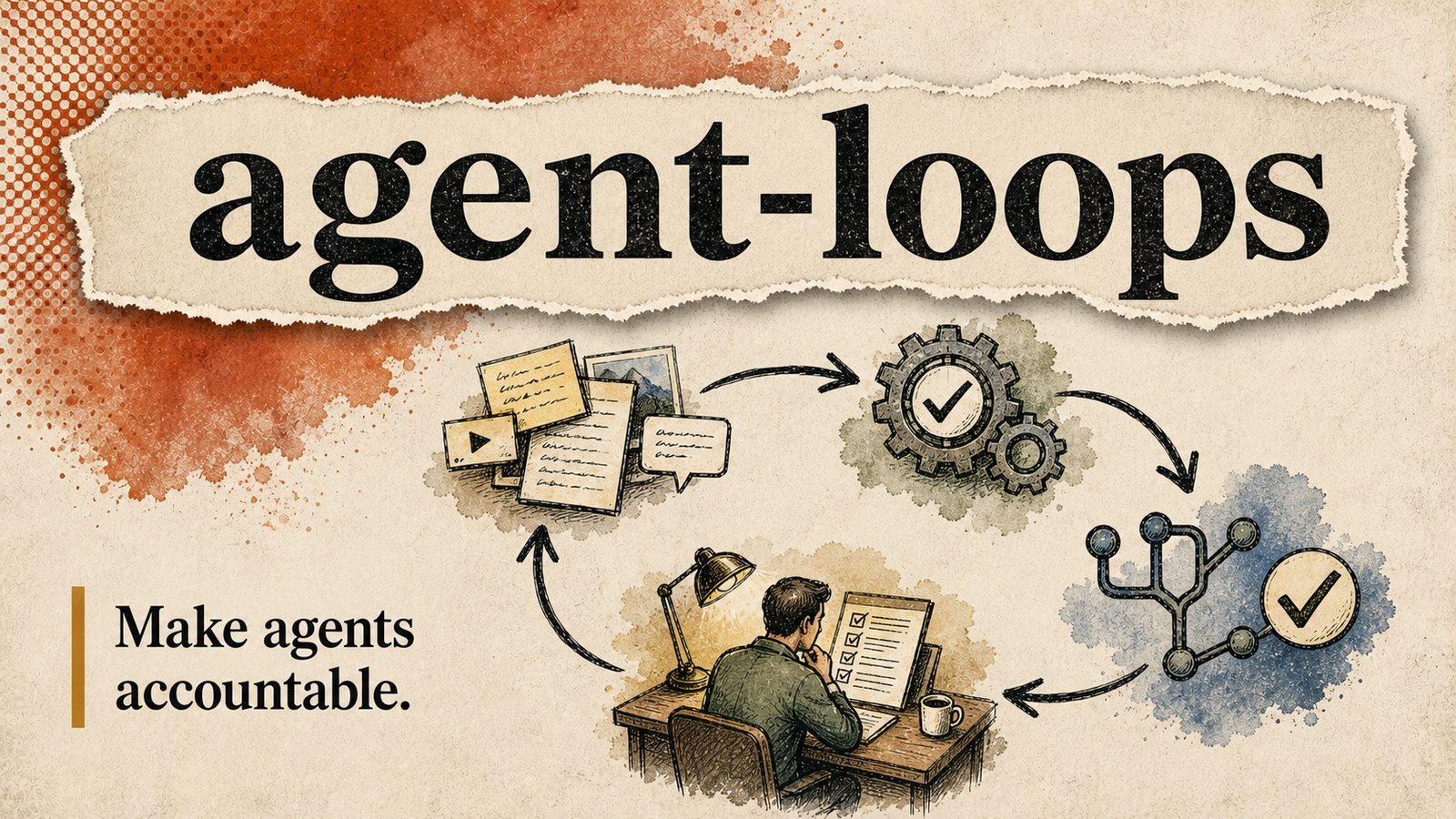
Shipper has a name for those points: the human sandwich. A human at the start to say this is worth doing, and a human at the end to refine the output. In between, the system runs — and every time it runs, you compound what you learned back into it. That's a loop.
Her best example: she gave Codex a single goal — reconcile the CRM against every client conversation and inbox thread — and went to sleep. Six hours later she woke to what would have been weeks of manual work, done.
Software is bones; the model is the brain
The seductive mistake is thinking AI can now build and run everything, so you never buy software again. Natalyia hit that wall directly.
She vibe-coded a CRM in Google Sheets, glued together by her AI agent. It worked — until the data quality needed constant maintenance to stay useful. So she moved to Attio, and to Asana for project management.
Her rule: "You can build anything. The question is should you build and maintain whatever you actually build." Shipper's metaphor sharpens it — real software is a compilation of thousands of little logical rules (bones, structure); a language model is the brain and ligaments (adaptation). An LLM works around a deterministic system well, but won't one-shot every edge-case rule a mature product already encodes. The build is cheap now; the maintenance is the cost.
Agents need managing, not just deploying
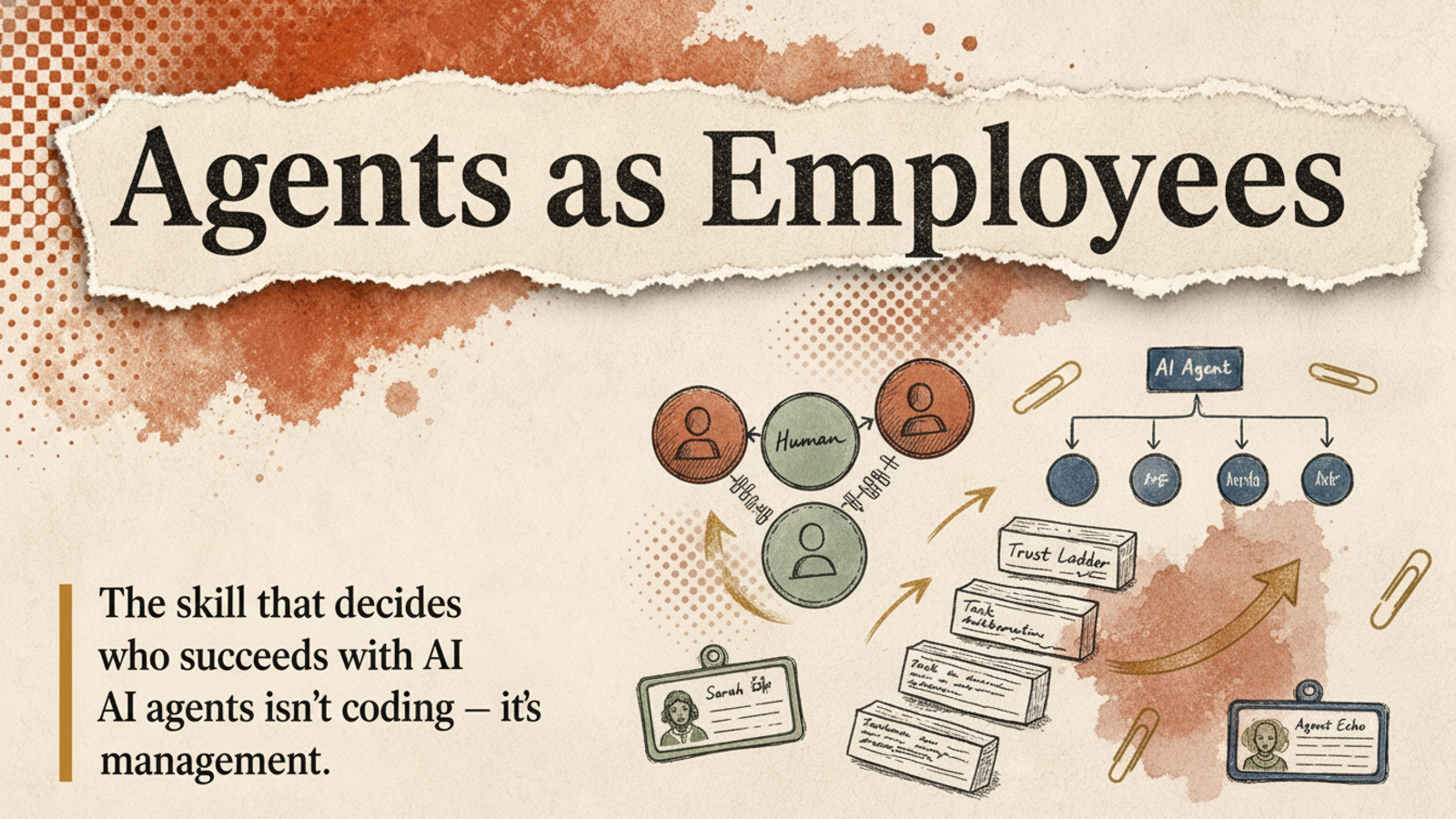
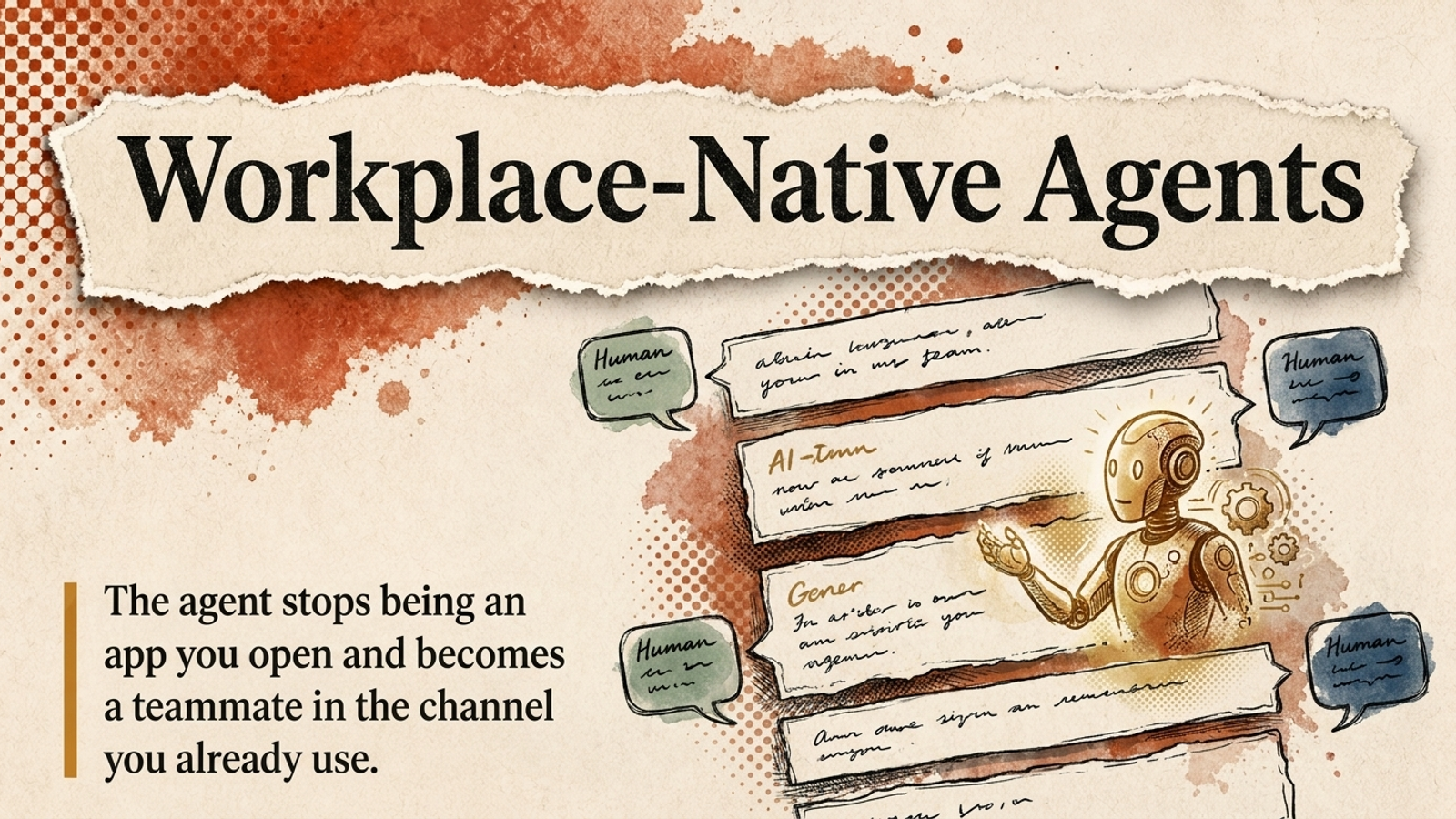
Even Claudia — Every consulting's internal AI agent that runs sales, CRM, and dashboards daily — has hard limits. It's exceptional at executing a standard operating procedure. It is not a substitute for judgment.
Two things it still needs: constant oversight to reach for taste and excellence, and a human to say what's actually interesting in the data it surfaces. That's why Natalyia is expanding her human team around the agent, not shrinking it. The agent generates the dashboards; people lead the conversations those dashboards should start.
Where to start
Her advice for anyone running a team is refreshingly unsexy. Start with the systems you already have — the same OKRs, KPIs, and playbooks you use to guide people are what you hand to the AI. Then decide what only your people should do — the client calls, the real relationships — and give the rest away one task at a time.
The biggest mistake she still makes, and sees clients make, is trying to remake the whole thing at once.