TL;DR
The short version
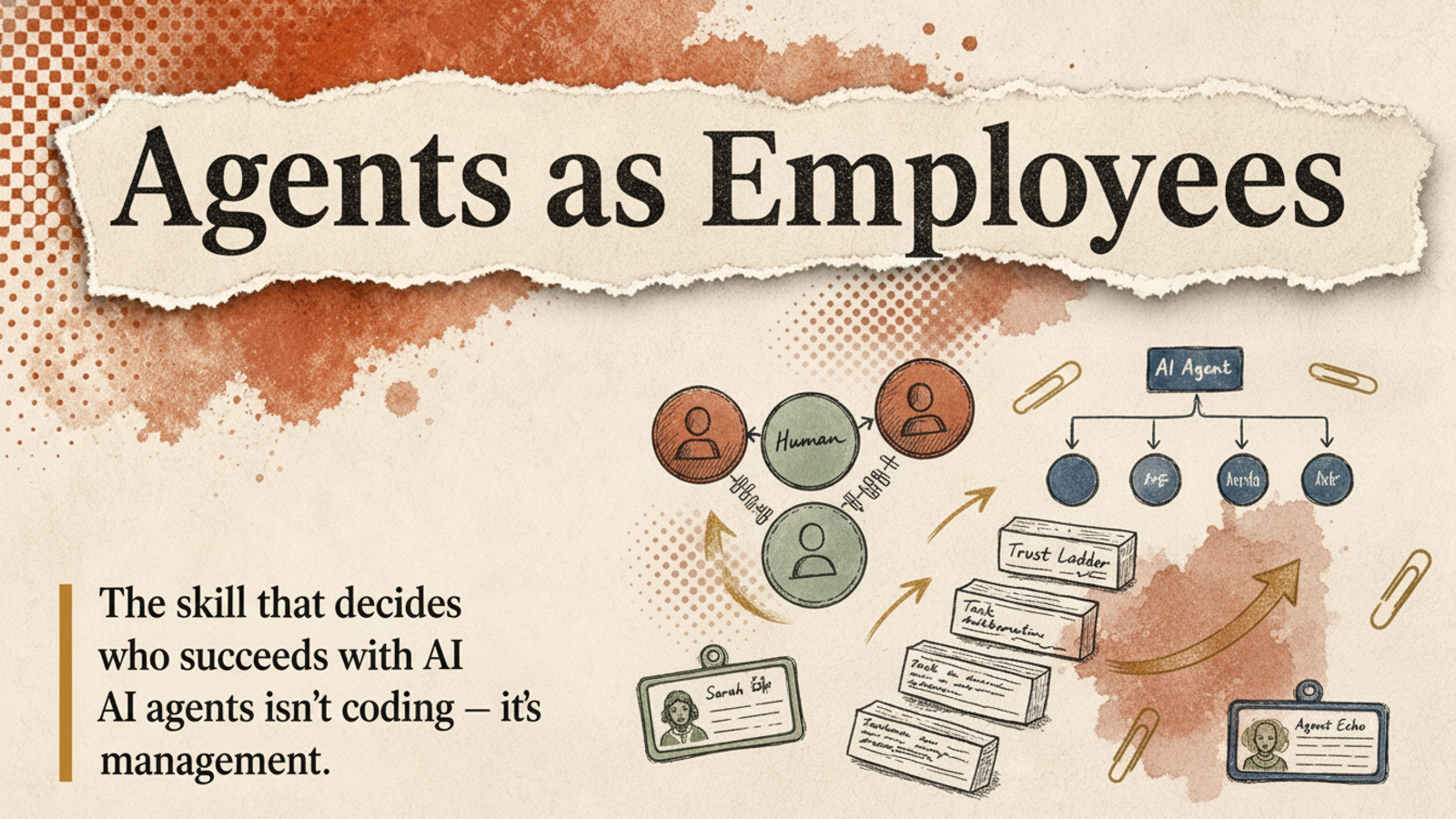
A solo founder built an entire fashion company — designs, 3D-printed garments, vendor outreach, storefront, payments — without hiring an engineer, by treating AI as her technical cofounder.
The transferable lesson isn't fashion. It's that a precise spec plus a computer-use agent now does the work you used to need a team for — and specialized software isn't dead, agents just operate it.
Built on Yana Welander's appearance on How I AI with Claire Vo.
She didn't hire the team
Yana Welander runs an AI-native fashion brand called Yana Banana. She's a solo founder. In an earlier era she'd have hired engineers, or gone without and stayed small.
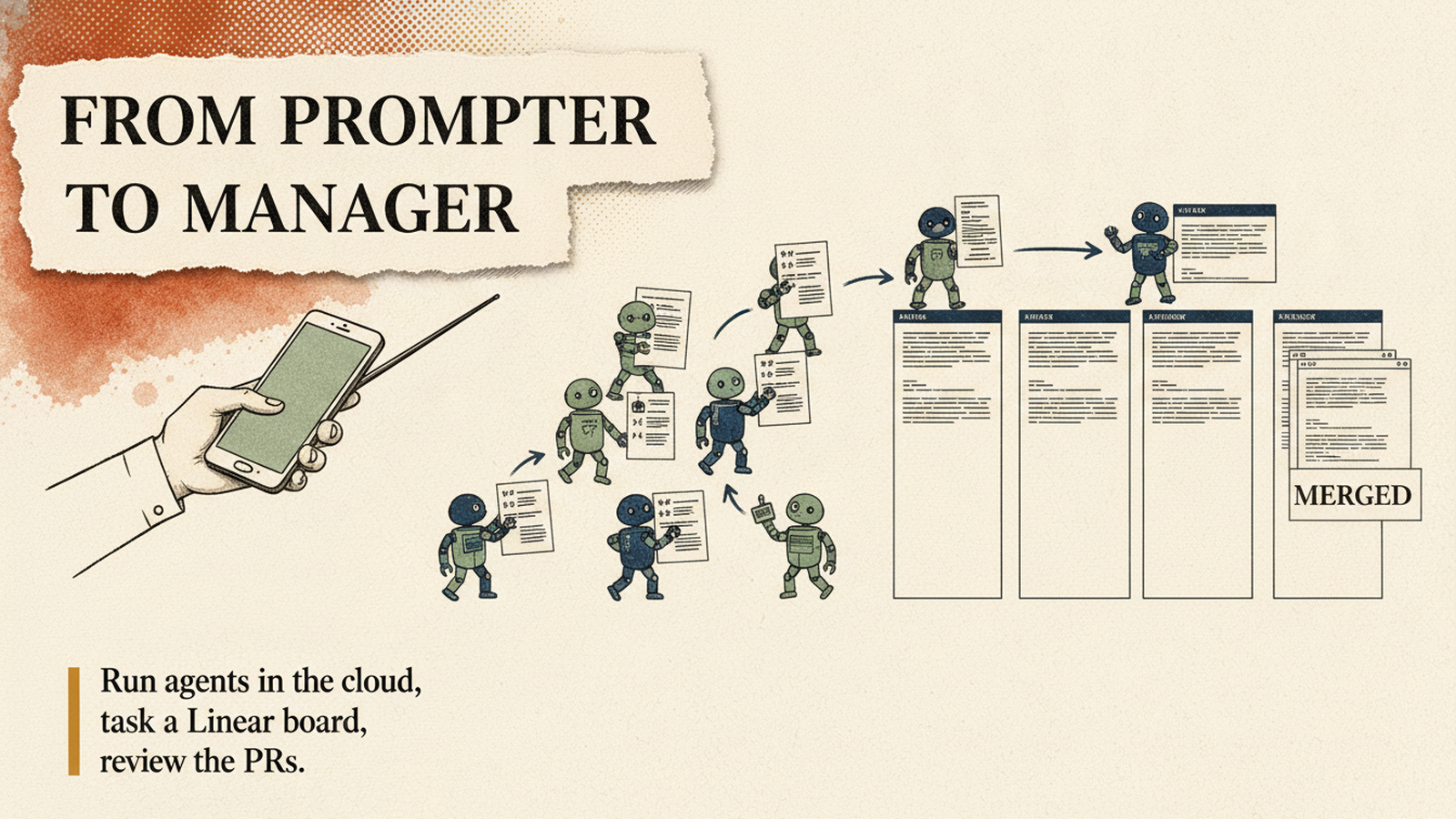
She did neither. She came to Codex — OpenAI's coding agent — and asked it to build the website. Then a Stripe checkout. Then a database to track which garments people vote for. When she needs a change, she lists what she wants and the agent finds the repo and makes it.
Normally, I would hire a technical team, like engineers. I didn't. I sort of just came to Codex and asked it to build the website. It's literally my technical co-founder.
Yana Welander, How I AI
For an operator, that's the whole shift in one sentence. The bottleneck used to be headcount. Now it's whether you can say clearly what you want.
The spec is the leverage, not the tool
Welander's designs run through a "fashion prompt" she wrote — silhouette, proportion, how the fabric flows, how the garment moves, even how it sounds. It's detailed on purpose. Without that precision, the image model renders fabric that looks like paper.
The host, Claire Vo, names what's happening: your prompt is a spec. Write down your process. Write down what "good" looks like. Define five things about the output and you get a good result. Then the line worth keeping: "what's good for AI is good for humans." The brief that makes a model produce the right garment is the exact brief a human maker would need.
Computer-use un-kills SaaS
Here's the counterintuitive one for anyone building software. Welander went through what she calls the "trough of despair" — the belief that SaaS is dead, that we'll never touch a website again. She came out the other side.
Codex on its own is not great at producing a final CAD file. But point it at real software through computer-use — where the agent drives a normal app by clicking and typing — and it's excellent. She has it operate a 3D fashion tool called CLO that she never learned herself. Her conclusion: "agents are really good at pressing buttons. So software is back — but agents are going to use it."
That reframes vertical software. The specialized app isn't dead weight in an AI world; it becomes the tool an agent operates. One dress she calls "previously unmanufacturable" got 3D-printed because Codex generated the CAD files via computer-use. The printer was never the barrier. The modeling tedium was — and removing tedium turns a class of "we could but never would" work into routine.
The minimum viable practice
You don't need a fashion brand to copy this. Three moves:
- Write the spec you'd hand a good contractor. Enumerate the constraints and the definition of "good." If you can't, that's the work — not the AI.
- Point agents at real software, not around it. When the model is weak at producing a final artifact, have it operate the purpose-built tool instead.
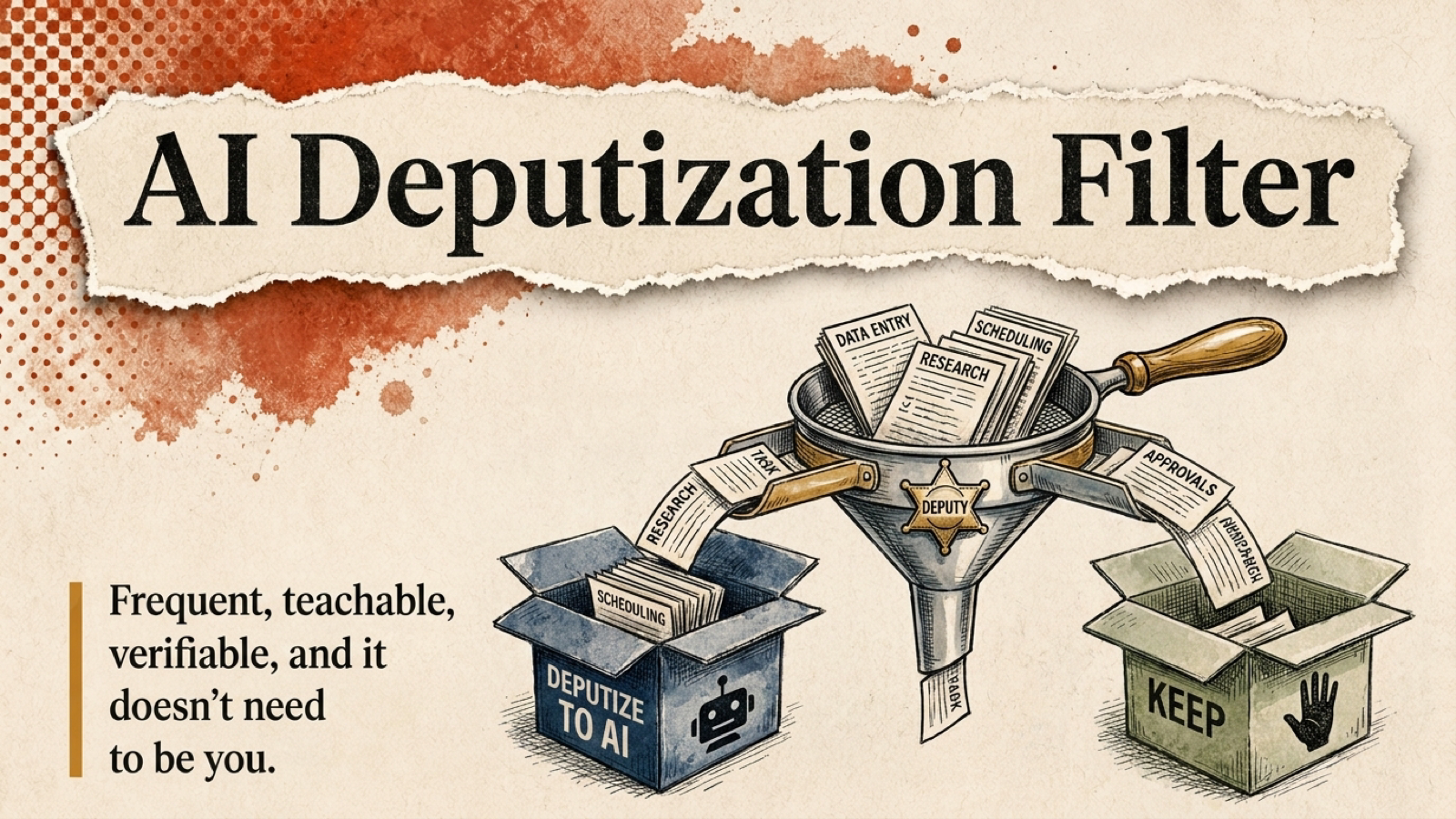
- Keep a human gate on anything that leaves the building. Welander lets the agent draft vendor emails but clicks send herself. Delegate the work, not the accountability.
And the boundary: this is a founder's demo, not a case study with numbers. Pattern-making — the part that needs real accuracy — is still unsolved, so she races human pattern-makers against the agent to see who reaches her vision first. The agent is a cofounder, not a finished org.