TL;DR
The short version
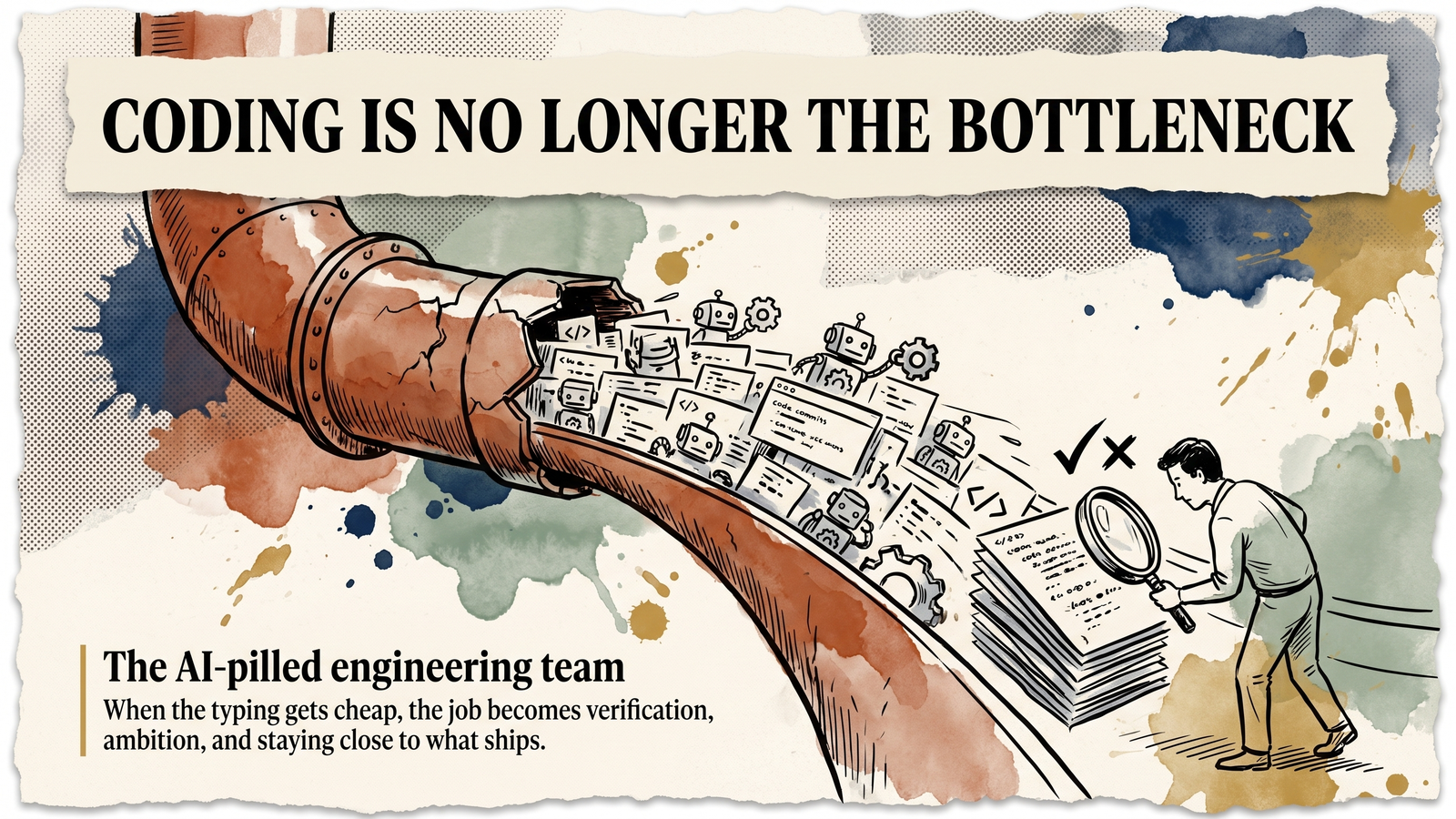
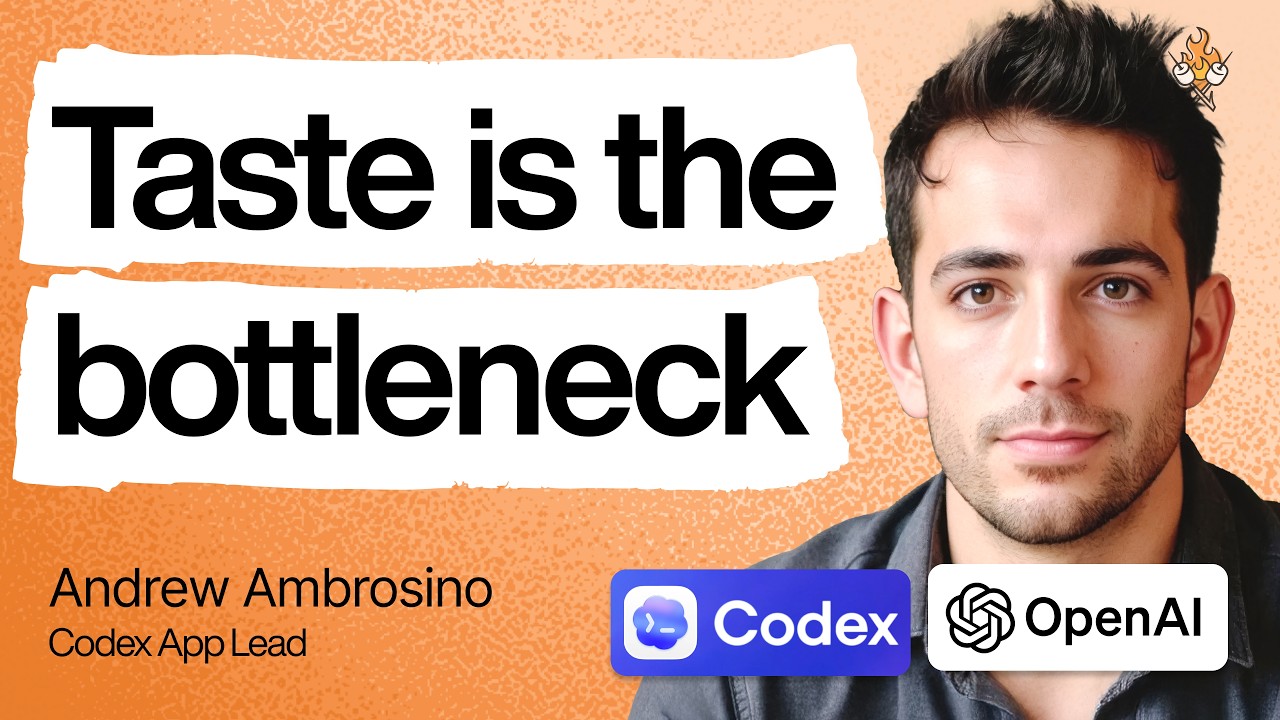
Andrew Ambrosino, who leads OpenAI's Codex desktop app, says implementation has become nearly free. Anyone can stand up any feature, so teams now generate dozens of versions in parallel. The scarce skill is no longer execution — it's taste: deciding which attempt is right, what medium fits the point, and what's even worth building.
He pushes back on the fashionable extremes ("PRDs are dead," "everyone's a builder"): roles blur, but disciplines and their best practices shouldn't be thrown out. From the conversation with Lenny Rachitsky.
Built on Andrew Ambrosino's appearance on Lenny's Podcast. Usage figures are OpenAI's own self-reported numbers.
The process inverted
For two decades, product process ran on one assumption: building is expensive. So you de-risked everything before you built — research, then docs, then prototypes, then, finally, code. That assumption is gone.
The implementation is actually not the expensive part anymore. It's dare I say taste.
Andrew Ambrosino, OpenAI Codex lead
He has a clear vantage point. Codex now has more than 5 million weekly active users, up roughly 6x since its desktop app launched in February, and OpenAI says about 98% of its own employees use it weekly — not just engineers (these are OpenAI's self-reported figures, not independently audited).
The old flow de-risked first and built last. The new one builds first — constantly, by everyone. Ambrosino describes a feature his team needed where "90 different uncoordinated teams" were implementing versions of it. That isn't chaos to eliminate; it's the new design process. The hard part moved downstream: of those 90 attempts, which is good, and what should fold into the others?
"PRDs are dead" is the wrong lesson
A popular take says prototypes killed the written spec. Ambrosino doesn't buy it: "It's really important to pick the right format for the point you're trying to make."
If the point is product clarity in a vague area, that's a document. If the point is stress-testing an interaction, that's a prototype. The failure mode now is jumping straight to a polished prototype because building is easy — and over-anchoring everyone on the first thing they can see.
There's a subtler cost. The medium used to carry a signal: a screen that looked production-ready meant assumptions were de-risked and design had reviewed it. That link is broken — "now those things are sort of divorced." A vibe-coded prototype can look shippable on day one, so teams have to say out loud where in the process they actually are, because the artifact no longer tells you.
Roles blur, but disciplines shouldn't die
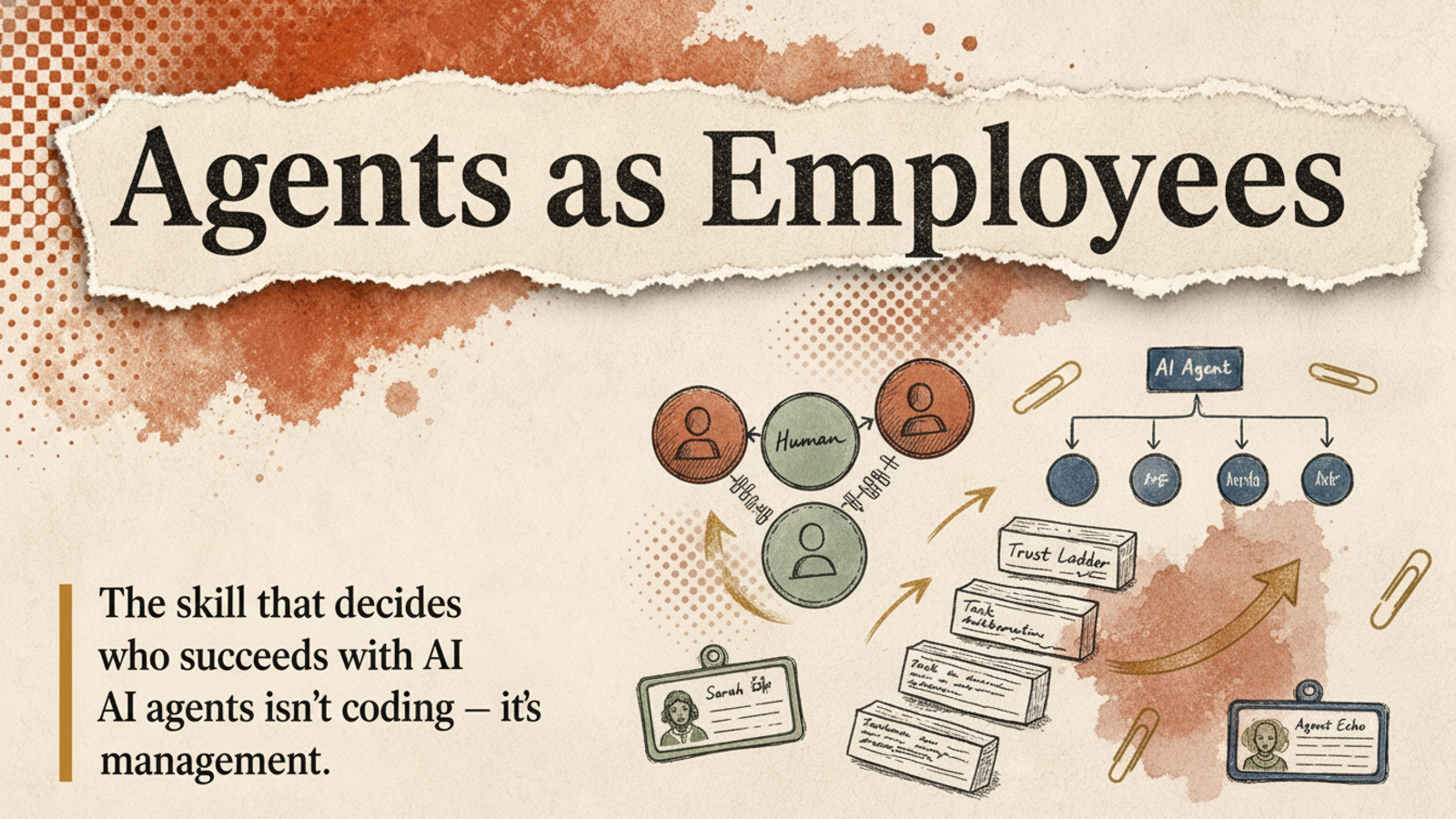
On Ambrosino's team, designers write code and PMs speak fluent technical. He frames identity by behavior: you're defined "more [by] the average of where they're working." If most of your week is PM work, you're a PM for now.
But he draws a hard line against the fashionable extreme: "Part of the danger in eliminating the concept of roles is that it can dangerously eliminate the idea that things are specialties with knowable best practices." Companies killing the product role so "everyone's a builder" are discarding real, hard-won discipline. You can use Excel; that doesn't mean you can run finance.
His coordination model is "zone defense": if two product people work too closely, that's a bad signal. Spread out, find the gaps, cover the whole field of ideas.
Build ahead of the model
The most useful reframe for leaders: a feature's success can depend entirely on model timing, not on its design. "I am very confident that the Codex app that we released in February, if that had been ready in November, it would have absolutely failed in the market" — same shape, different outcome, "the only difference was the models."
Operator, then Atlas, then Codex traced the same idea, re-released as intelligence caught up. The lesson: don't kill a feature because it isn't working yet. Prototype the ambitious things, let them sit, and re-run them each time the model takes a leap.
What to copy
You don't need OpenAI's token budget to apply this:
- Name the stage, not the polish. Before reacting to any artifact, state where it is in the process. Looks-done is not done.
- Pick the medium for the point. Doc for clarity, prototype for interaction — don't default to whichever is fastest to generate.
- Protect the disciplines. Blur roles, keep specialties. "Everyone's a builder" is how best practices quietly get abandoned.
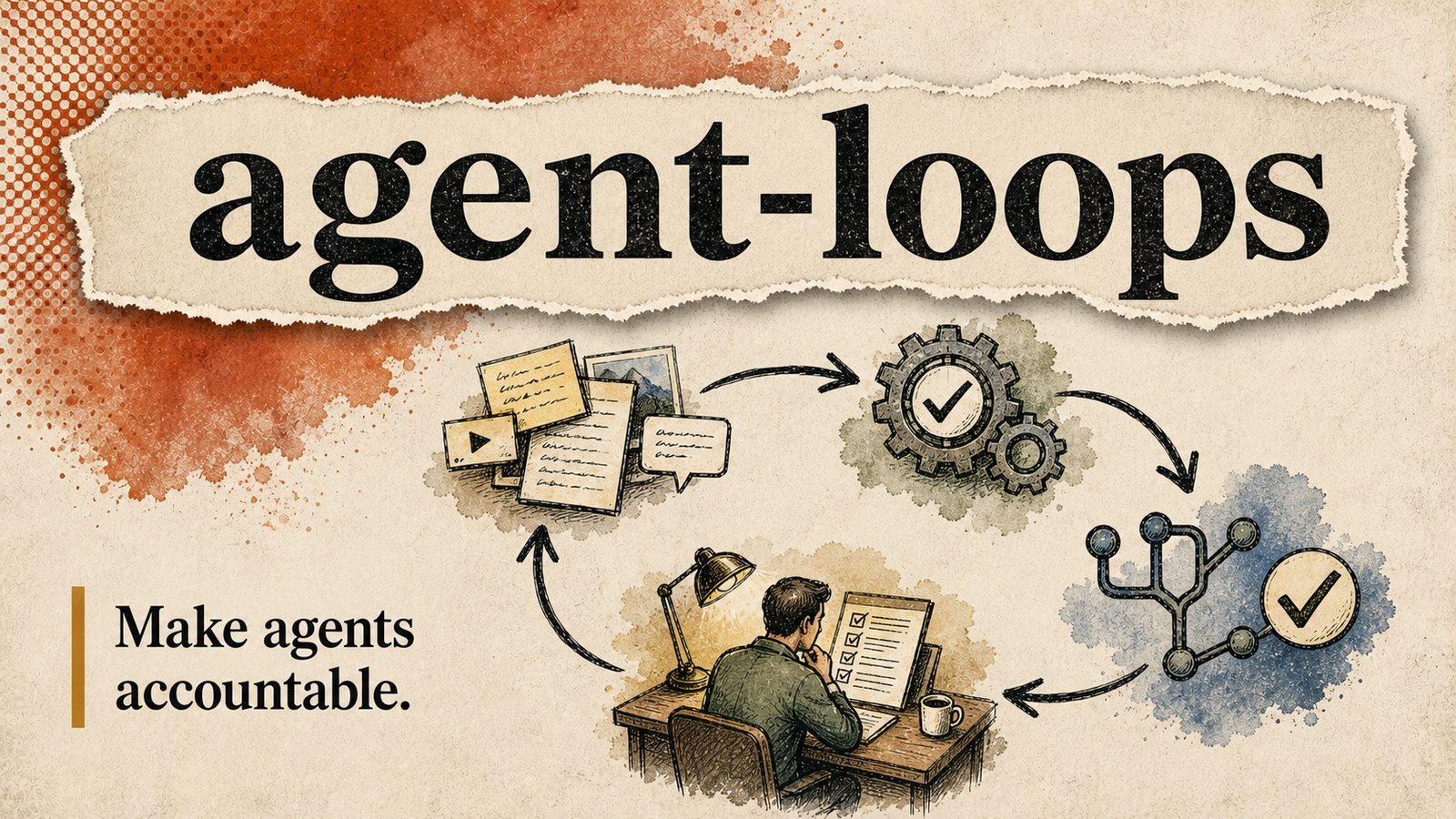
- Curate ruthlessly. With unlimited generation, the value isn't making more — it's knowing what's signal and what's slop.
When anyone can build anything, the work that's left is deciding what's worth building, and what's good once it exists. That's taste — and for now, it's still a human job.