TL;DR
The short version
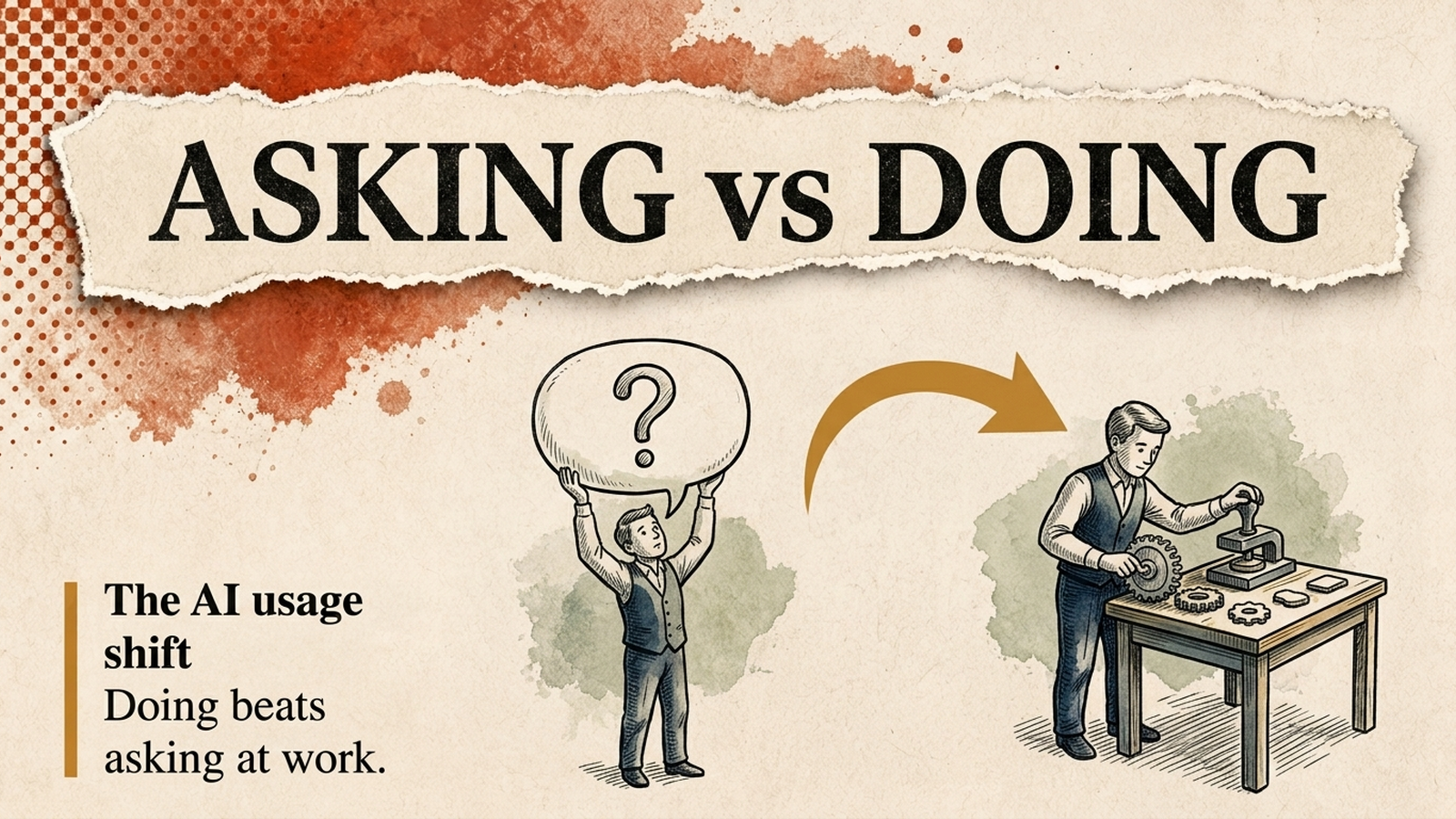
The hard part of handing work to AI has shifted from capability to context. Models are good enough; what they lack is enough of your context to act usefully. So the binding question is no longer "can it do this?" — it's "which of my tasks is worth teaching it?"
Nathaniel Whittemore offers a five-part filter for what to deputize — work that's frequent, time-consuming, teachable, easily verifiable, and doesn't require you to have done it — and a warning that the real blocker isn't the model. It's carving out the time to change how you already work.
From The AI Daily Brief (Nathaniel Whittemore), 2026-08-16. It's an AI-optimist daily show — the filter is the durable takeaway; the product hype around it is time-stamped.
From capability to context
For years the question about AI at work was whether the model could do the job. That question is mostly settled — the models are good enough. The constraint moved downstream: what does the model know about you? Prompting a model cold gives it none of your context. The new interface closes that gap by showing rather than telling.
Two products make the shift concrete. Grok Bot's "teach a task" records you doing something once — roughly ten minutes of work — and converts it into a reusable skill. ChatGPT's "computer history" watches how you work over time and remembers it. In both cases you stop describing the task and start demonstrating it, and the context gap that kept AI from real work starts to close.
The five-part filter
Once the model can learn your context, the scarce decision is which work to hand over. Whittemore's screen is a five-part test — the best AI work scores high on all of them:
- Frequent — it recurs often enough that teaching it pays back
- Time-consuming — it eats real hours you'd rather spend elsewhere
- Teachable — you can show it, not just describe it
- Easily verifiable — you can quickly tell whether the output is right
- Doesn't require you — success doesn't depend on you having done it personally
The work best suited for AI deputization is frequent, time-consuming, teachable, easily verifiable, and doesn't require you to have been the one to do it to be successful.
Nathaniel Whittemore, The AI Daily Brief
The load-bearing screen is verifiability. Anything that scores low there is exactly where agents quietly go wrong — the output looks plausible, you can't cheaply check it, and the error compounds. A task that's frequent and teachable but hard to verify isn't a good first hand-off; it's a trap.
Topic per bot, coordinated by a chief of staff
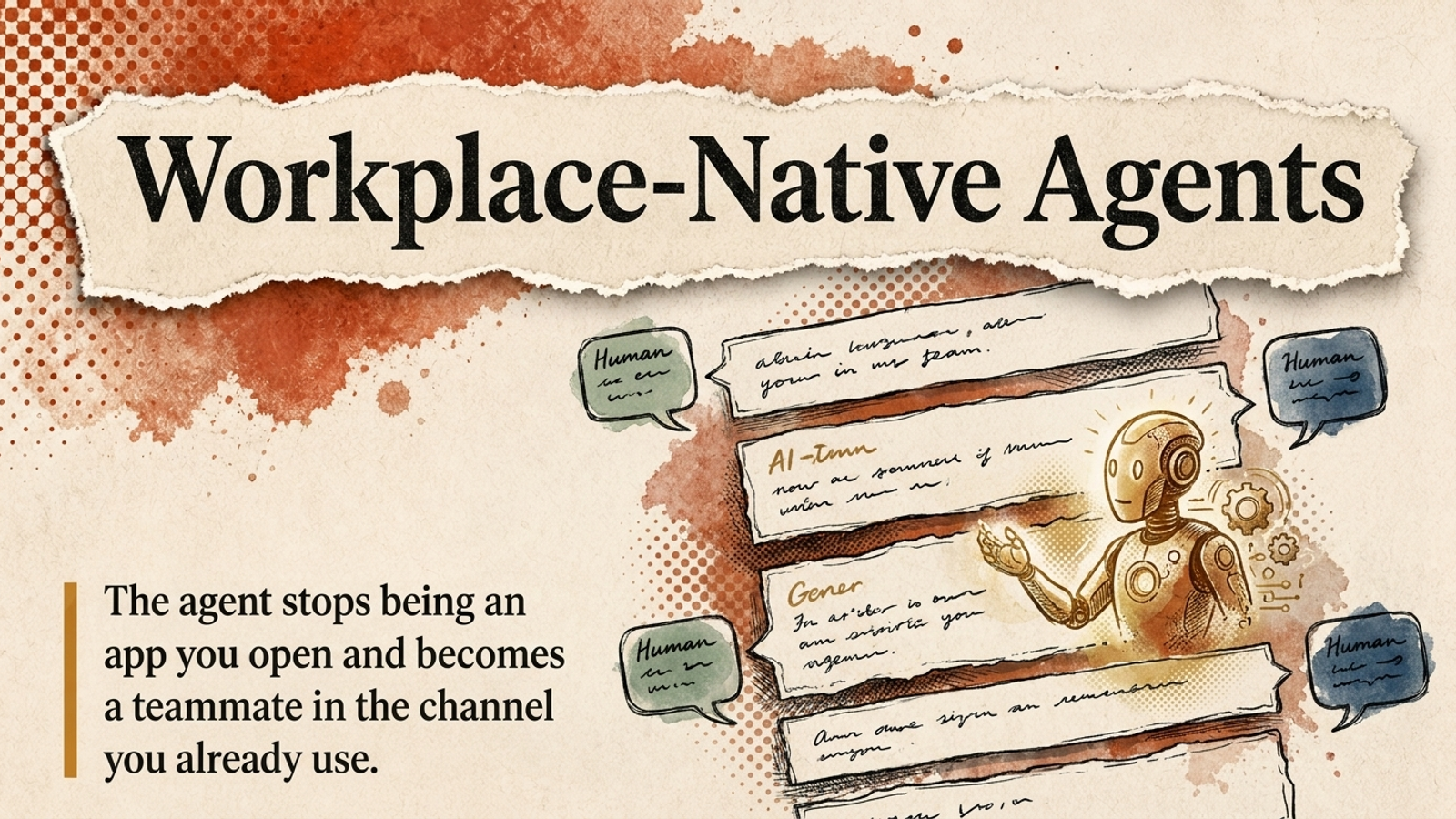
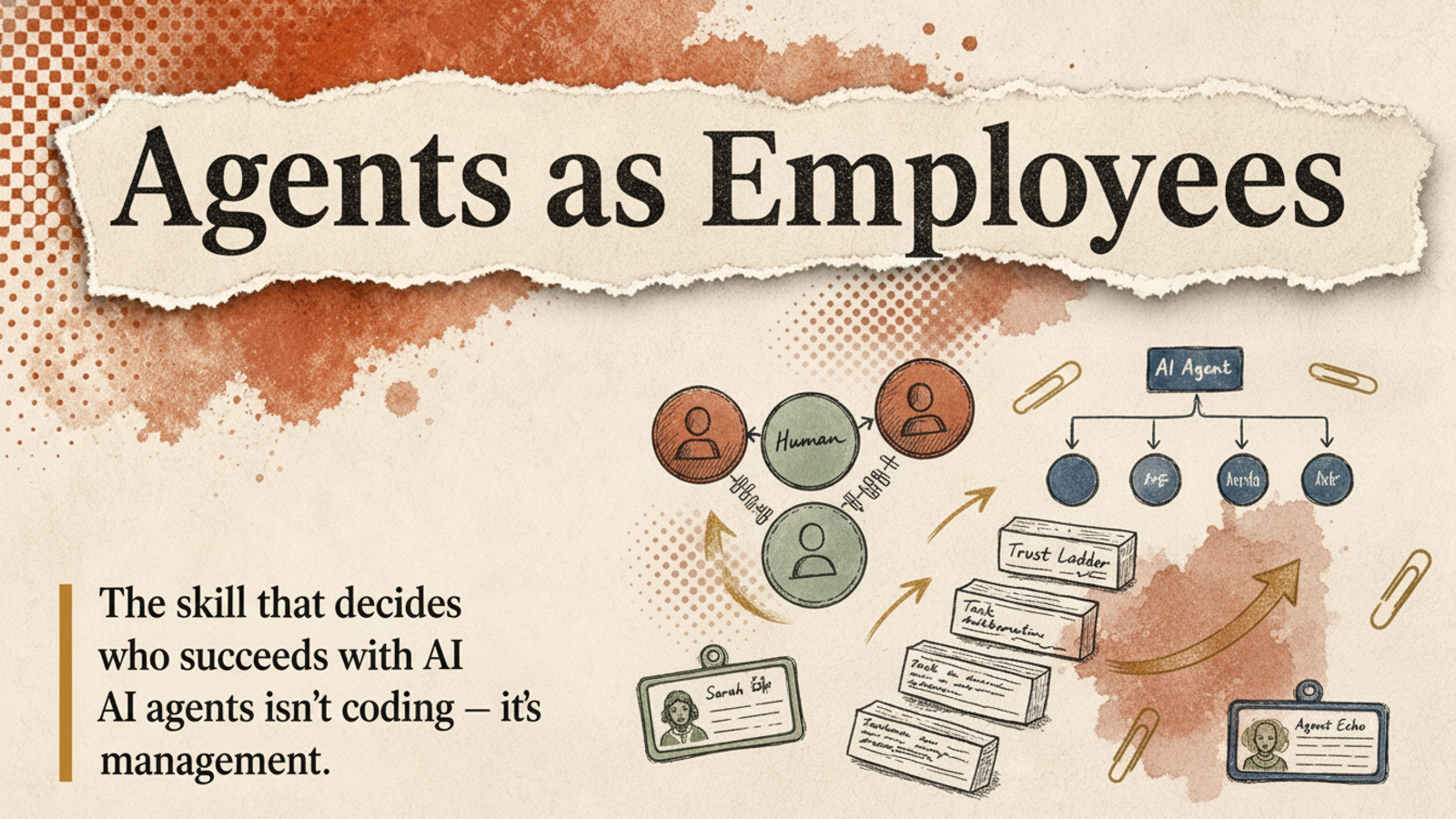
The emerging pattern isn't one do-everything assistant. It's a bot per task, coordinated through a single orchestrator — a "chief of staff" agent that routes work to the specialists. It's the single-operator version of running a team of agents, each with a bounded job.
The universal on-ramp is the morning brief: an inbox or Slack summary waiting when you start the day. It's frequent, easy to verify, and now roughly a minute to set up — the lowest-risk way to build the deputization habit before you trust an agent with anything bigger.
The real blocker isn't the model
The scarce resource isn't capability. It's attention — specifically, the attention it takes to change a workflow you've already dialed in. The most productive people have the highest switching cost, because what they do now already works, and re-learning it feels wasteful in the short term even when it pays off.