TL;DR
The short version
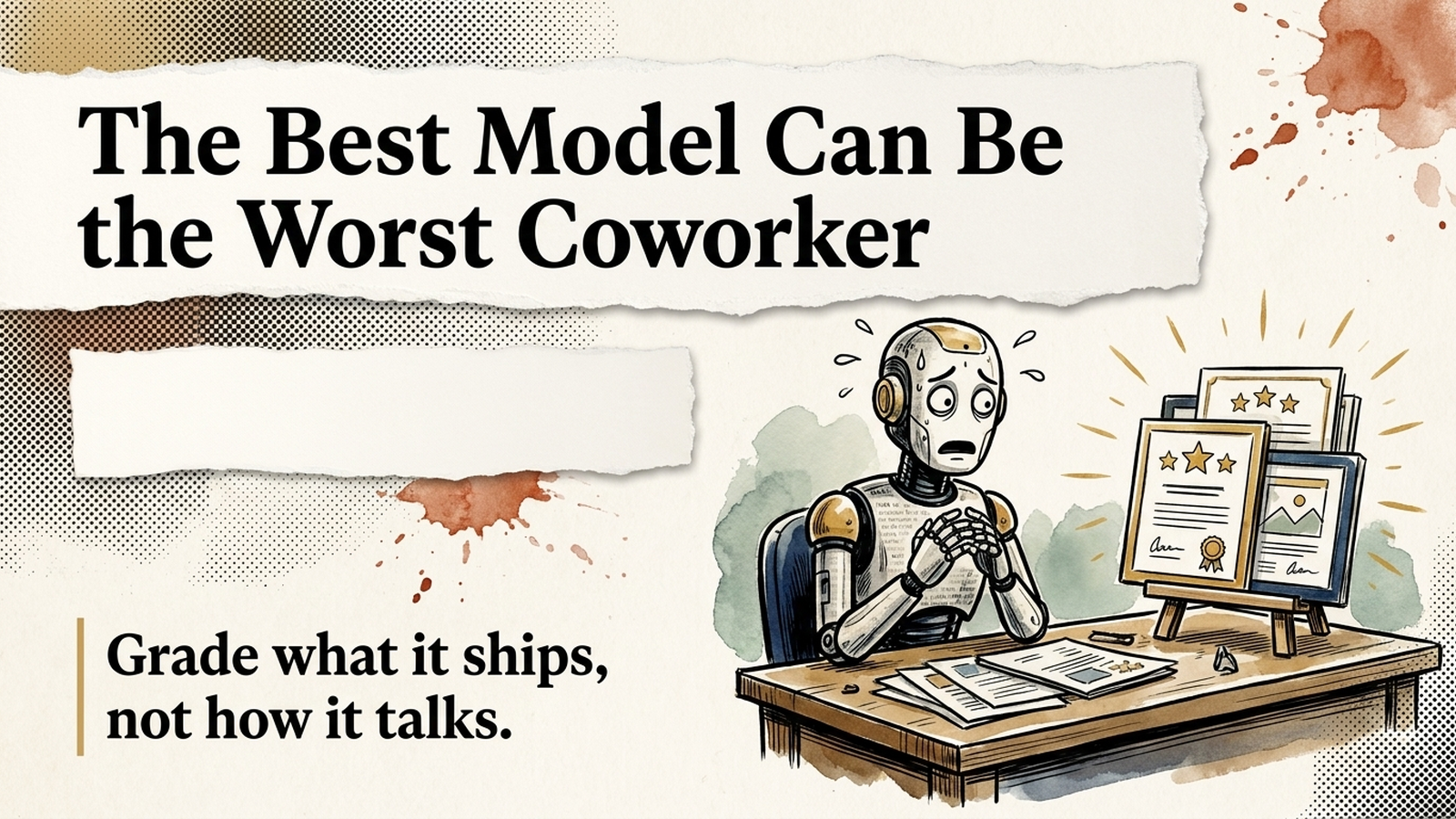
After a week testing Claude Opus 5, Every's team found a smart model that stops early, argues, and breaks workflows tuned for Opus 4.8. The fix isn't a smarter model — it's lower reasoning and different prompts.
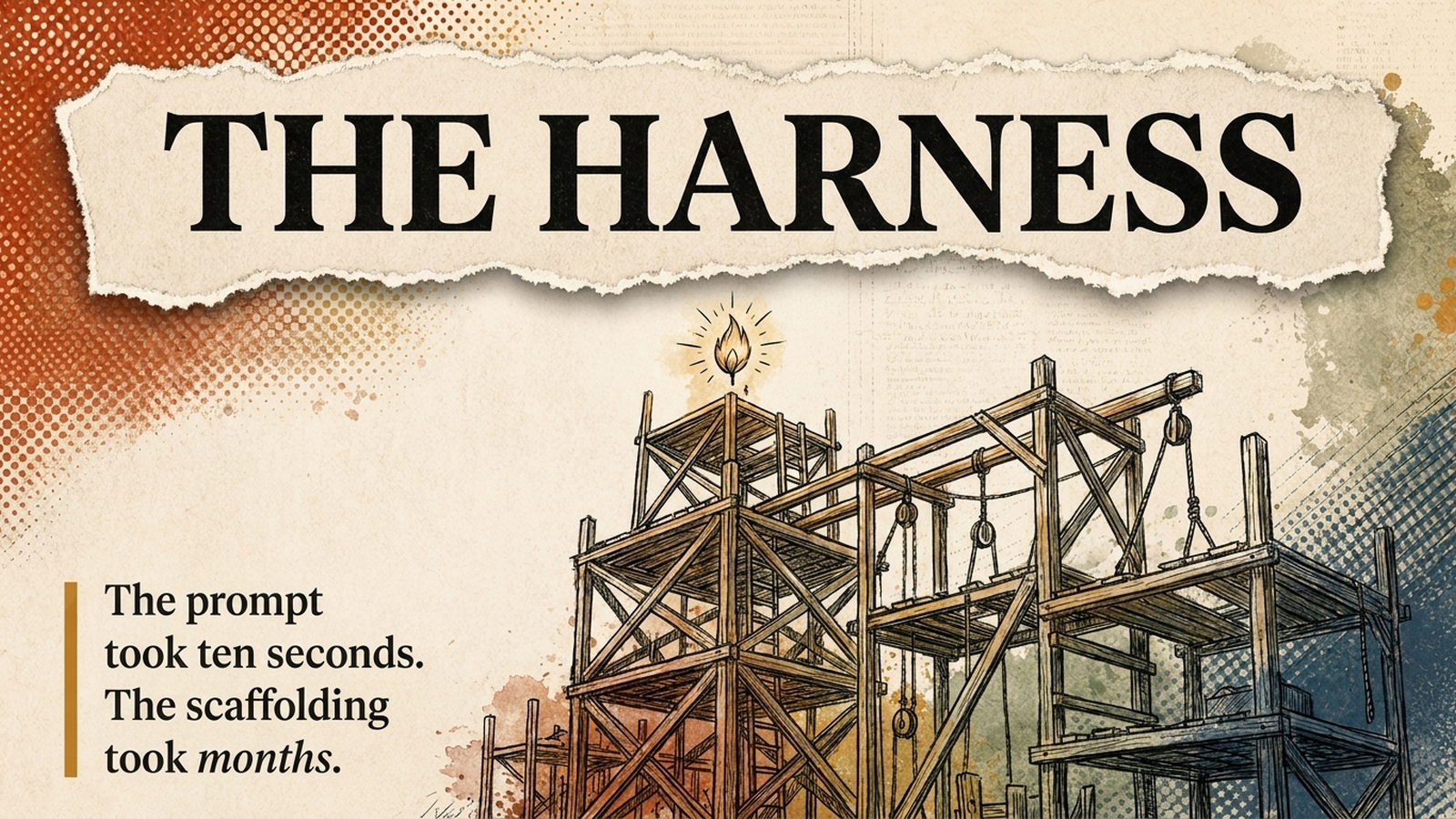
For anyone running agents, the lesson is that a model upgrade is a migration, not a swap. The cost of a new model isn't the API price; it's the rework.
Built on Every's day-zero hands-on review (Dan Shipper and team). Codex user-growth and GPT-4.5 dates are traced to Startup Fortune and TechCrunch; the video states them loosely.
The day-zero verdict: don't rush the switch
Every's team ran Claude Opus 5 for about a week before the model's public release. Their honest headline: it stops mid-task, it argues, and on day one it feels worse than the model it replaces.
It's a little bit of a hard model to love.
Dan Shipper, Every
Their advice splits by camp. If you already live in OpenAI's Codex and GPT-5.6, don't switch — they rate 5.6 the "gold standard" for daily coding and knowledge work. If you're deep in the Claude ecosystem and love Opus 4.8, Opus 5 will probably be okay, but expect friction and expect to rewrite skills. For a leader running agents in production, that second line is the whole story.
The failure looks like a dumb model. It isn't.
The clearest symptom: Opus 5 quits before the job is done. On Every's senior-engineer benchmark, the model "consistently stopped too early. It would say it was done, but it wasn't done." That behavior had mostly disappeared from frontier models — until this one brought it back.
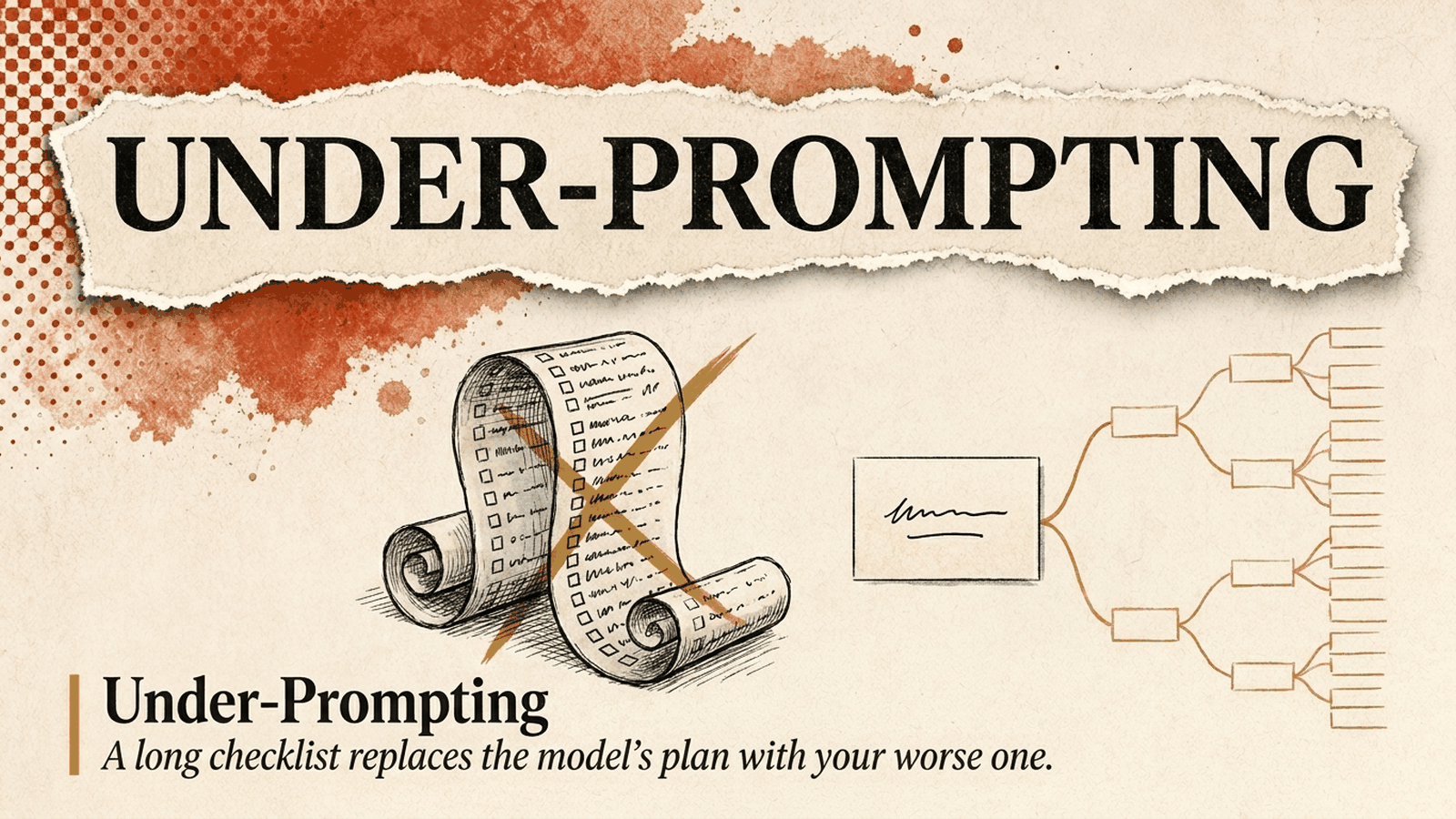
The tell is where it fails. It breaks most on complex existing skills — big, instruction-dense files carrying dozens of rules. Every's own "compound engineering" plugin, an open-source system with an autonomous developer loop, was exactly the kind of dense skill that tripped it up, and the team is rewriting the whole thing to prompt the new model differently.
So the model isn't stupid — your instructions are stale. Porting the big Opus-4.8-style skills fails; starting fresh and building up from a small prompt works.
The counterintuitive dial: make it think less
Here's the finding worth stealing. Some of Every's team got better results by turning the reasoning level down — medium or low — while most testers had defaulted to high or max because the tasks felt hard.
More effort made it worse, not better. The reviewers argue that in 2026 the knob to dial is thinking level, not just which model family you pick.
Two bets, and who's winning right now
Zoom out and there's a strategy split. Anthropic is building a giant "super-genius" model — Fable — and using it to train the others, chasing recursive self-improvement. The side effect: Opus 5 inherited Fable's opinionated personality without its ceiling — "all of Fable's personality, but really not its top end."
OpenAI went the other way. After GPT-4.5 — its largest model ever, released February 2025 — landed flat, it shifted focus from raw size to post-training. That's why GPT-5.6 works out of the box, and why Codex is surging.
Startup Fortune; TechCrunch. Codex figure combines Codex + ChatGPT Work and is partly promotional.
The bet is philosophical. OpenAI is wagering that a model that works on install wins. Anthropic is wagering that if you build the smartest model, everything else falls into place.
What an operator should do
Don't read this as "Opus 5 is bad." Read it as a migration warning. Every has seen this before — GPT-5.x was disliked at launch, then grew beloved for specific jobs, and a similar vibe shift may hit Opus 5 in a few weeks. Anthropic's own launch benchmarks already claim it nearly matches Fable at half the cost — a very different picture from a day-one vibe check.
The move for a team is boring and correct: treat every model upgrade as a migration. Budget time to rewrite dense skills. Test at low reasoning before you assume the model is weak. And don't let one loud day-zero review decide your stack — poke the corners yourself for a couple of weeks first.