TL;DR
The short version
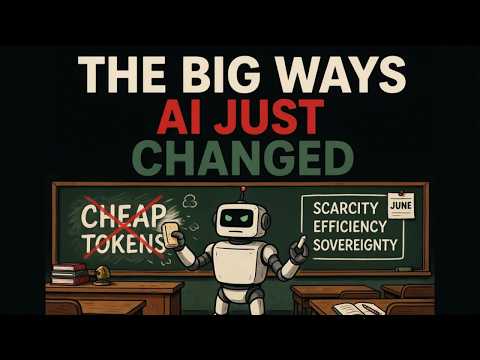
June 2026 was a turning point not because of one launch, but because three pressures hit at once: usage-based pricing forced cost discipline, Anthropic's Fable 5 raised the capability bar, and a government order yanked it offline for weeks.
The lesson for operators: stop optimizing which model you use and start owning the loop around it. Cap your token cost, keep a tested fallback, and put the context, evals, and memory under a named owner. This draws on The AI Daily Brief's month-in-review.
Built on the July 2026 month-in-review from The AI Daily Brief by Nathaniel Whittemore.
The month the ground moved
Nathaniel Whittemore calls June 2026 one of the most significant months in post-ChatGPT AI. Not because of a single release, but because three separate pressures pointed at the same conclusion: the model is no longer where your leverage lives.
Start with cost. Providers dropped flat per-seat pricing for usage-based billing, because agentic workloads burn far more intelligence than the chat queries of 2024 and 2025. Enterprises reacted by capping spend: Walmart moved its internal tools off unlimited usage, and Uber reportedly set a $1,500-per-month ceiling per person.
Then came capability. On June 10, Anthropic shipped Fable 5. Whittemore's sharpest read on why it felt different is worth stealing: earlier coding models lowered the activation energy to start a project but never touched the completion energy to finish one.
Fable 5 was the first model that made it feel fairly insignificant not only to start those big coding projects, but to just finish them as well.
Nathaniel Whittemore, The AI Daily Brief
Then the model got switched off
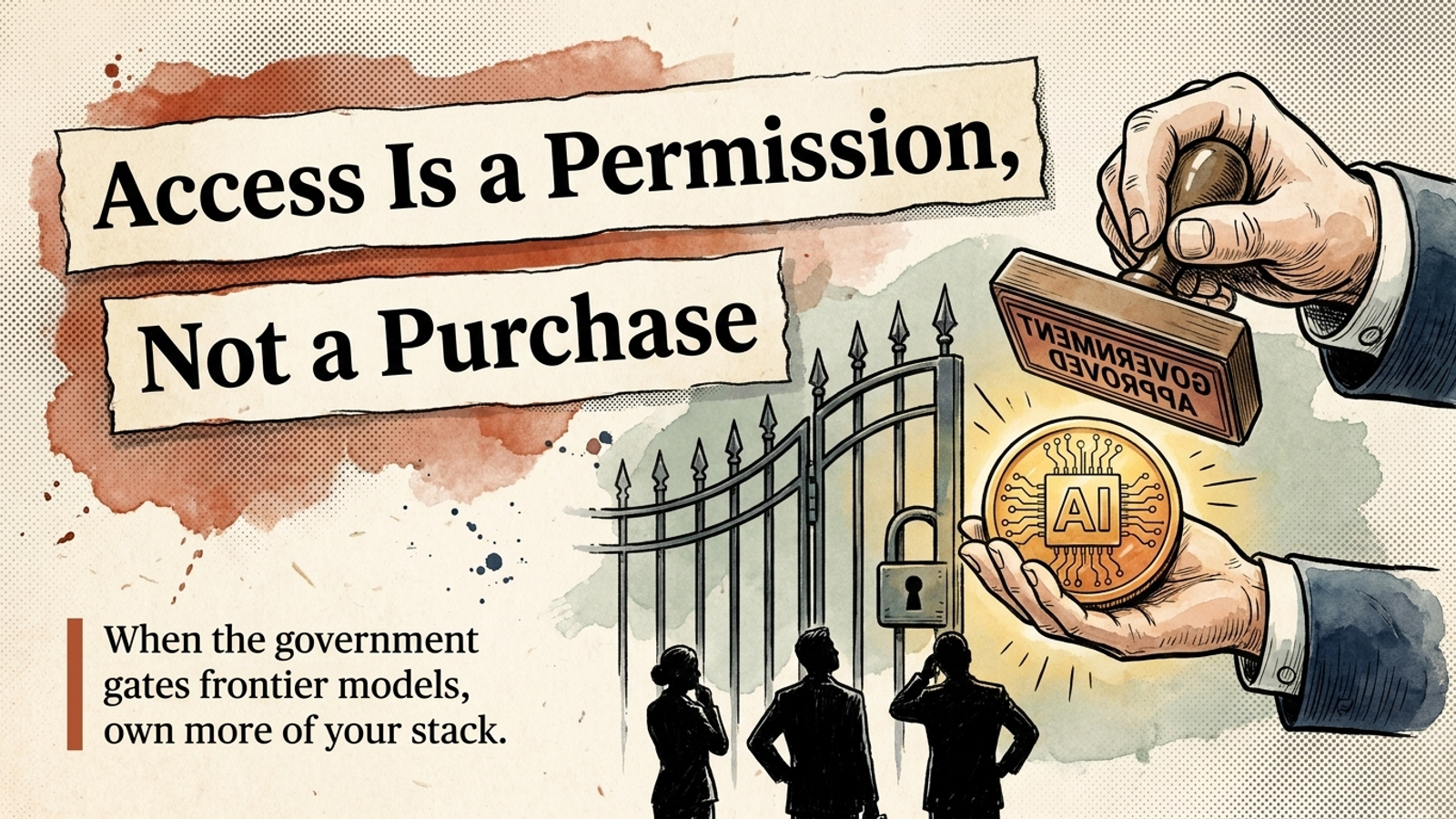
Days later, capability collided with policy. A US export-control directive demanded Anthropic suspend Fable 5 for foreign nationals. Anthropic said the only way to comply was to shut it off for everyone.
The best model on the market vanished for weeks behind an ad-hoc licensing regime with no legal precedent, a government approving access wave by wave. For any leader, that's the whole lesson in one event: your access to a core business asset was mediated by a single company, which was in turn mediated by a government. Overnight, "which model is best" mattered less than "what happens when I can't have it."
Two reasons to diversify, not one
Before June, cost was the only real argument for looking past the top closed models. Now there were two: cost and sovereignty. That changed the math on architecture.
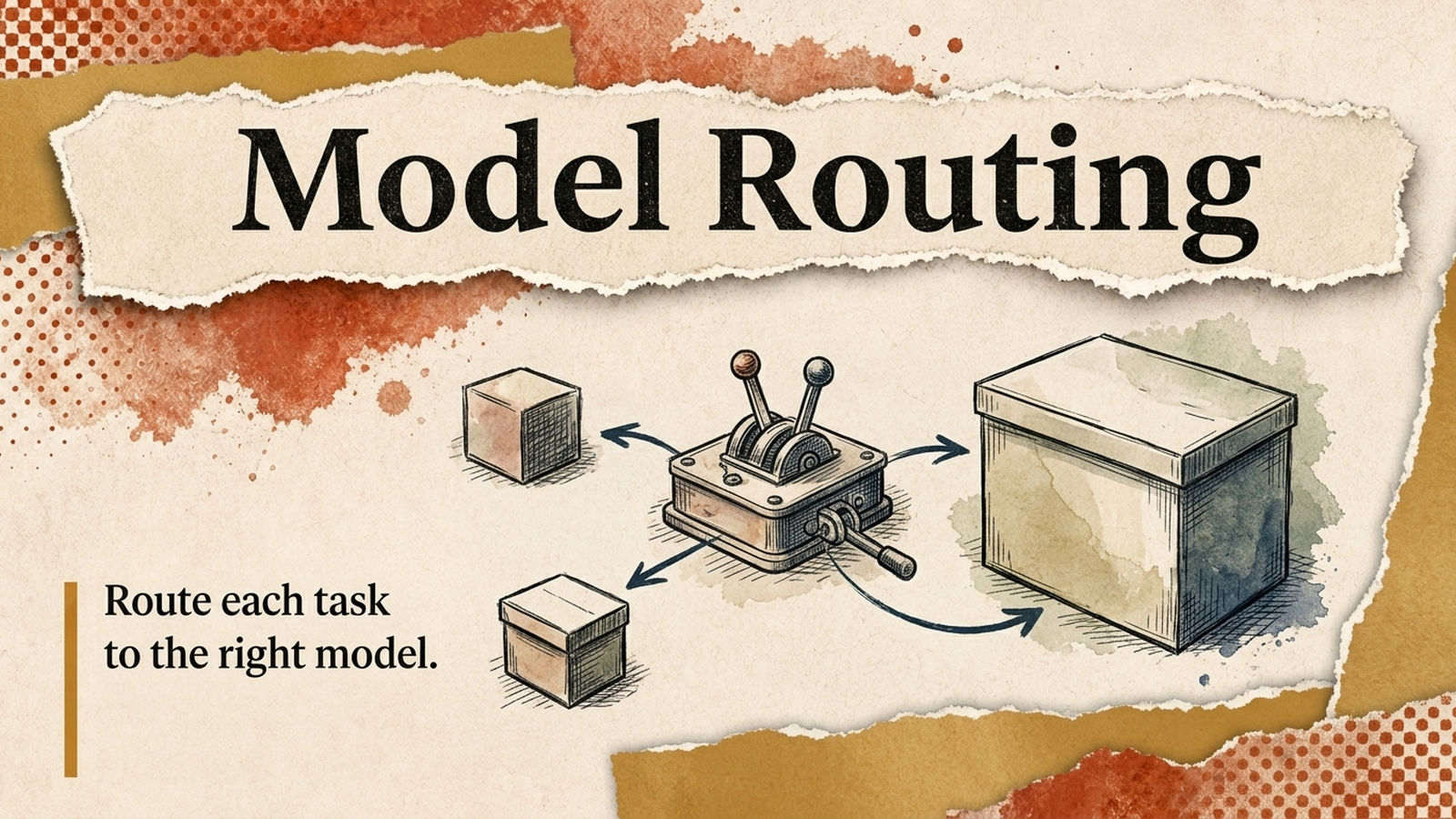
Routing systems that send each task to the right-sized model got serious attention. So did open weights: Z.ai's GLM-5.2 was, in Whittemore's view, the first open model since DeepSeek to make a fallback strategy feel like genuine competition rather than compromise. And the interesting builds were hybrids, pairing an open-weight worker with a frontier advisor to beat the frontier model alone on cost. Local AI stopped being a hobbyist question and started showing up in boardrooms.
The advantage is the loop around the model
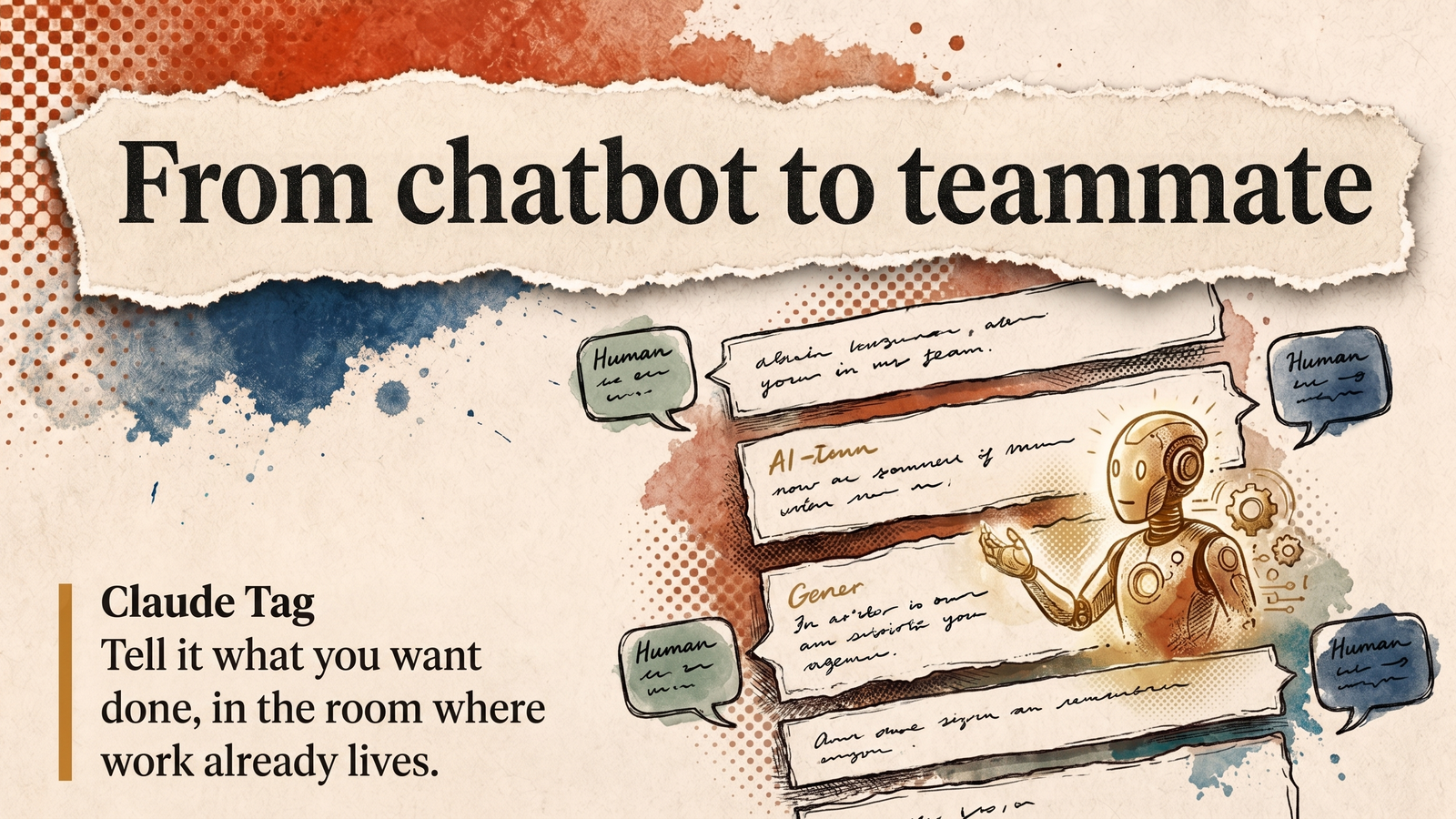
With no new model to play with during the pause, attention moved to the harness, the system wrapped around the model. Both Anthropic and OpenAI pushed HTML and website artifact builders. Anthropic's Claude Tag let anyone invoke Claude Code from inside Slack, turning a solo tool into a group one; the company claimed 65% of its product-team code was being initiated that way. Treat that specific figure as Anthropic's own unverified claim, but the direction is the point.
Satya Nadella named the frame: firms don't just need the right model, they need to own the compounding context, decisions, evaluations, and institutional memory around it. That's the durable asset. Models come and go, one literally disappeared for weeks, but the learning loop compounds.
What this means Monday
The capability overhang won't be closed by better models. It'll be made worse by them, because every jump adds more work you have to manage.
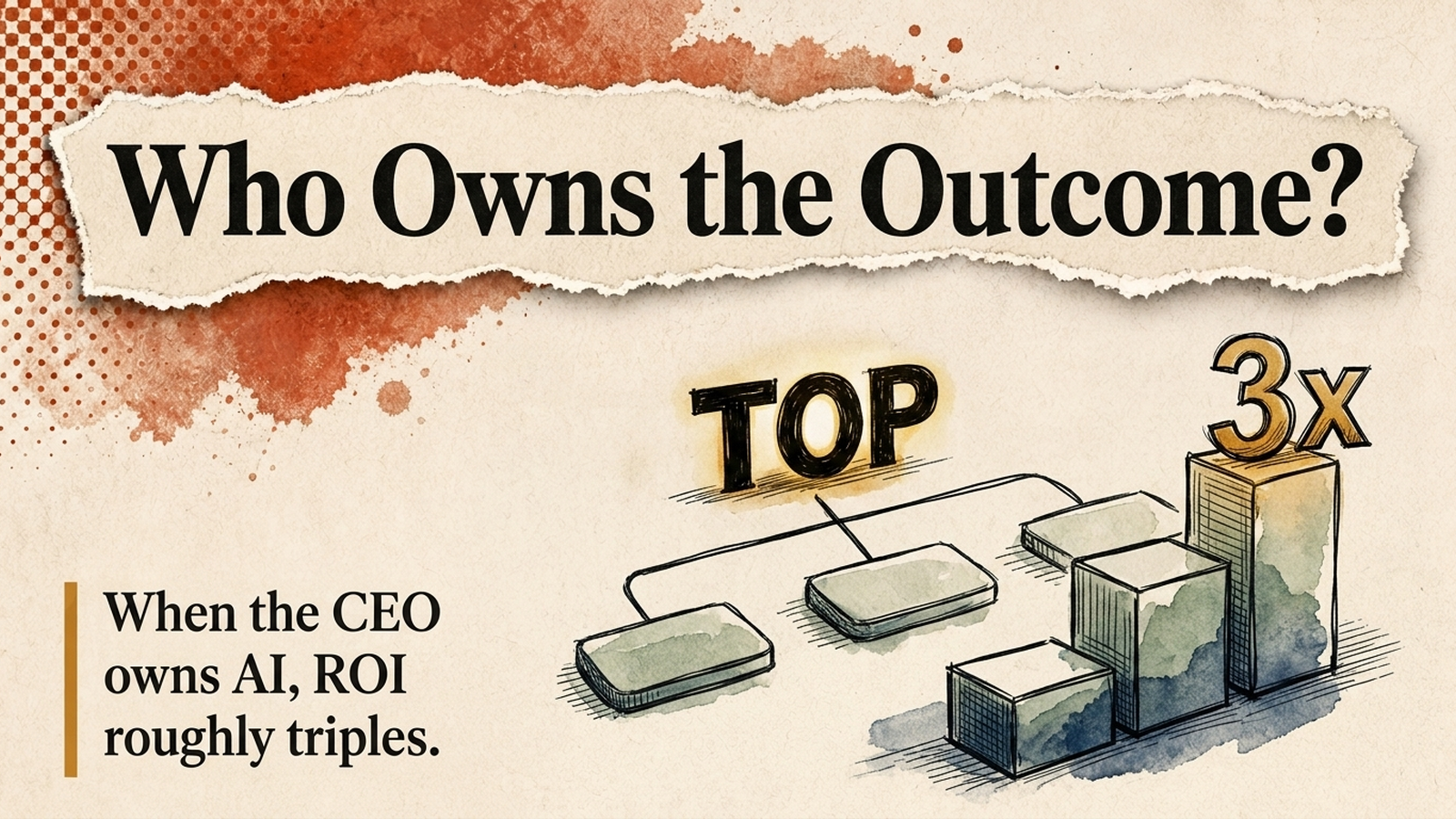
Glean Work AI Index 2026; KPMG Global AI Pulse Q2 2026.
The gap is a change-management problem, and ownership decides the outcome. So the operator's checklist coming out of June is short.
The model you love this quarter may not be available next quarter. What you build around it is yours.