TL;DR
The short version
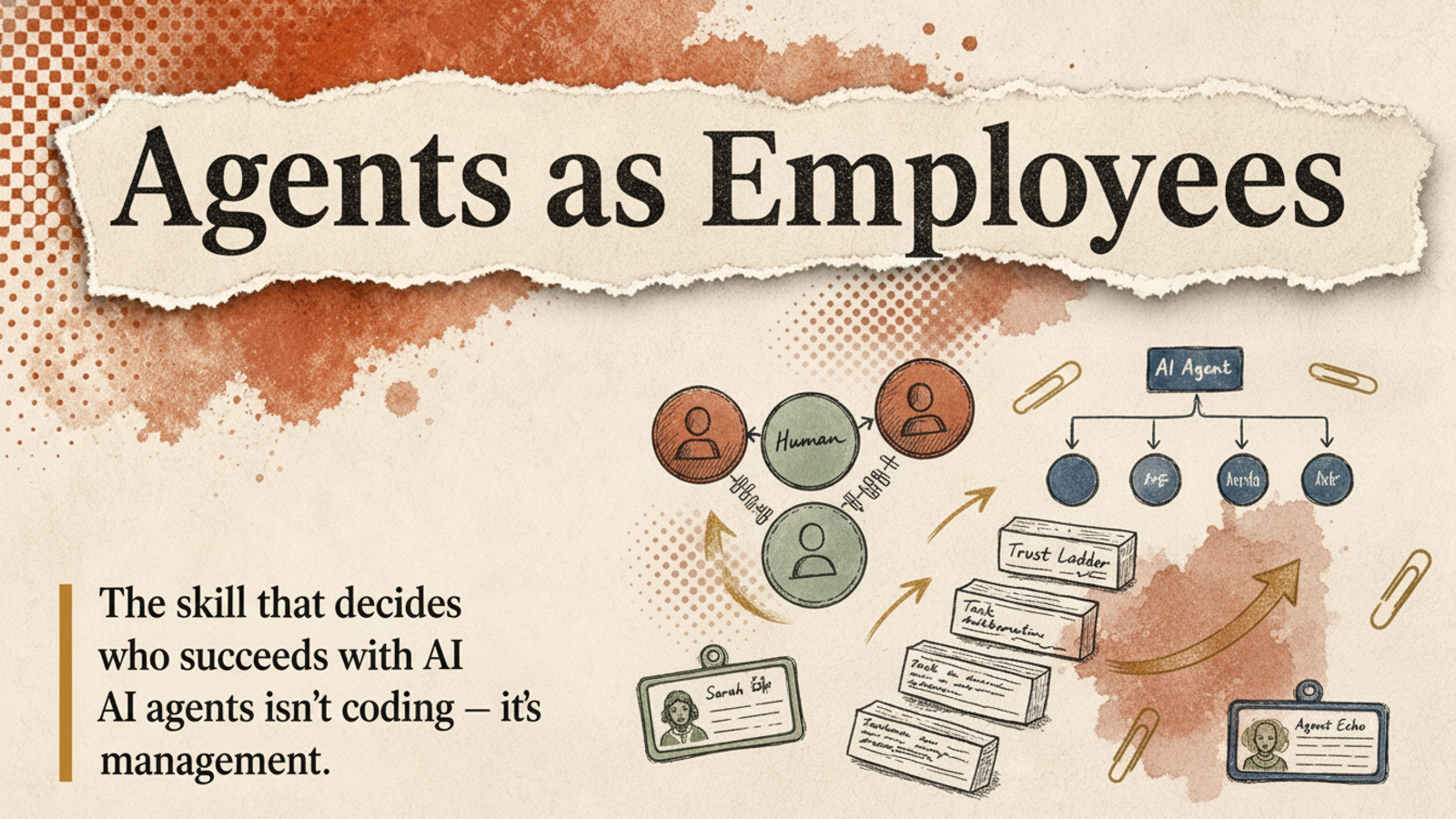
AI blurs the lines between PM, design, engineering, and data science — so the instinct is to hire generalists who can do a bit of everything. Netflix's CPTO Elizabeth Stone reframes the scarce skill more precisely: the systems thinker, who looks across business domains and abstracts them into the reusable building blocks a growing mix of humans and agents can build on.
The borders between crafts go porous, but the craft underneath stays scarce, and humans stay accountable for what agents ship. Underneath it all sits the older Netflix bet Stone calls "excellence as an operating system": talent density is the non-negotiable, and process is the thing you fight, not the fix you reach for.
From Elizabeth Stone (Netflix CPTO) in conversation with Lenny Rachitsky on Lenny's Podcast (2026-07-19). It's a CPTO advocating her own company's culture — the portable findings are separable from the Netflix-is-special framing.
The hire is the systems thinker
When AI lets everyone do more of everyone else's job, the naive move is to hire fewer functions. Stone's answer is different: hire more systems thinkers — people who look across all the business domains and abstract them to the building blocks the org is going to need.
We need more systems thinkers in a world with AI.
Elizabeth Stone, Netflix CPTO
The skill has a concrete mechanic. For each problem, step out one click and ask what you're assuming is true about the broader space, then design for the whole rather than the isolated task. It's the method behind the buzzword — Donella Meadows' Thinking in Systems, applied to how a product org builds. The valuable breadth isn't doing every craft yourself; it's seeing where the reusable pieces are before anyone builds the one-off.
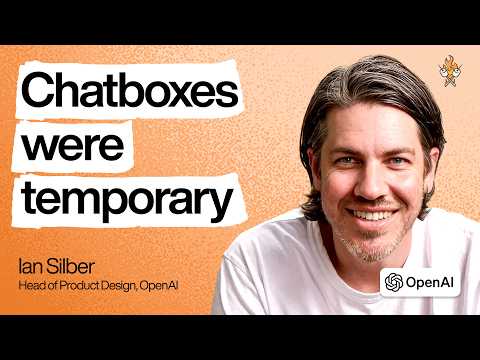
It's not just Netflix. Ian Silber, OpenAI's Head of Product Design, screens designers for the same trait — composable "building-block" thinking (he cites Notion's primitives) over one-off screens — and Lenny Rachitsky notes Silber is the fifth straight guest to name systems thinking as the rising skill. That's a pattern across companies, not a Netflix idiosyncrasy.
Functions blur, but craft doesn't die
PMs prototype, designers write code — yet the crafts underneath stay scarce and still own their piece: data scientists own "can we trust this data," PMs own the what, engineers own the how. Stone is blunt that the ceiling hasn't moved: great engineering, great data science, and great creativity are all still hard to find.
So narrow, deep specialization trends down — Netflix now wants people adaptable in multiple directions — but a few true experts stay irreplaceable where depth is the whole game (video encoding, playback).
Hold the counter-case too: a deep specialist is also a defense against AI. Only a domain expert reliably catches a plausible-but-wrong agent output. Breadth wins the hiring argument; depth is still what catches the mistake.
Paved paths and AI fluency: systems thinking, encoded
Systems thinking becomes org infrastructure through paved paths — opinionated, well-supported defaults that get most teams roughly 80% of the way there so they don't reinvent the building blocks. When humans and agents both ship across systems, encoded "what good looks like" and shared guardrails beat tribal knowledge. It's also the defense against Stone's named failure mode: shipping "Frankensteins," different design languages and interaction models stitched into one product.
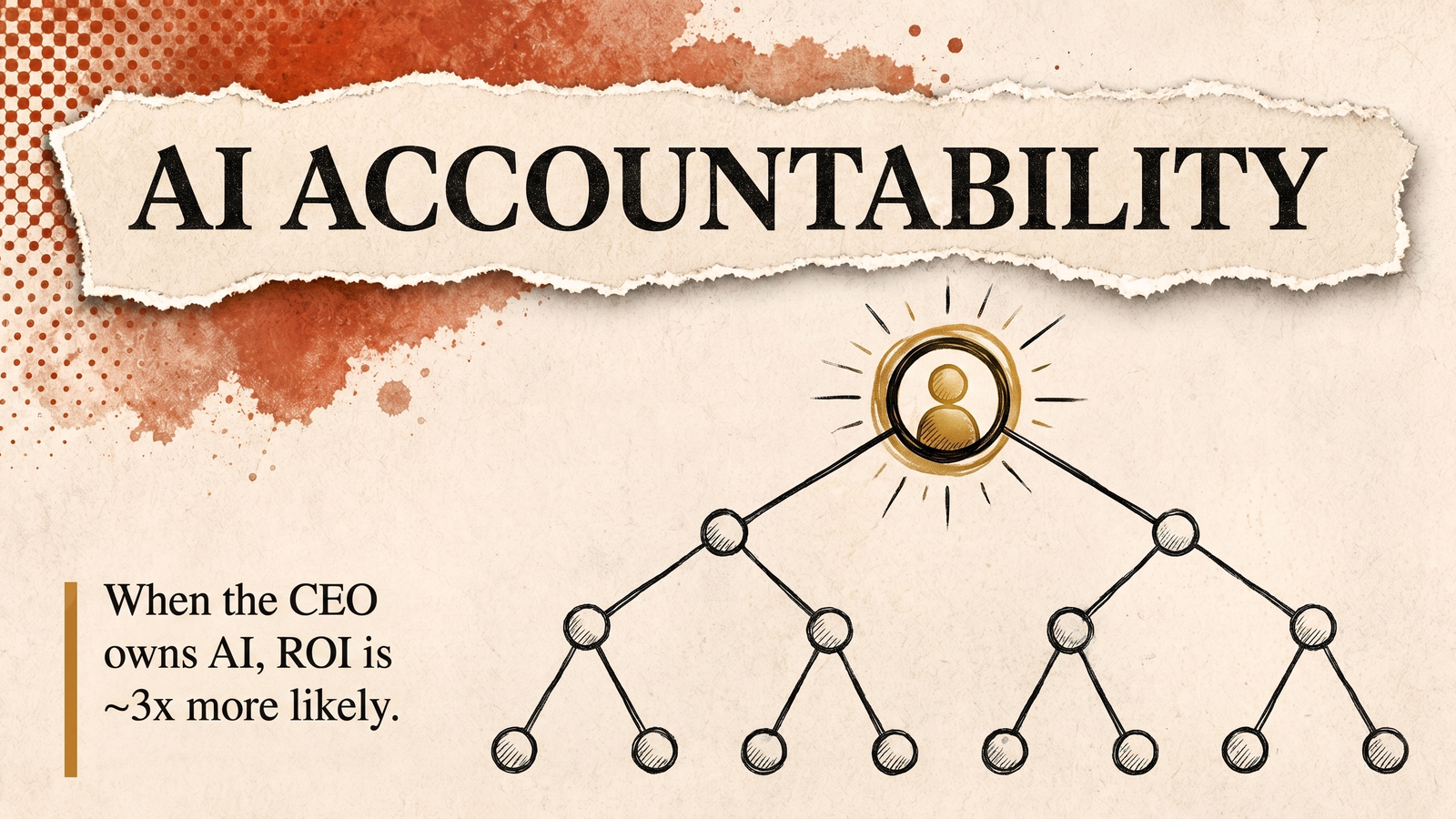
On top of the paved paths sits one flat expectation Netflix put across all talent and hiring: AI fluency — an experimentation mindset plus judgment on where AI actually helps. Rather than rewrite every career level, they made fluency non-negotiable, even for senior people who don't code. And the accountability doesn't move: "an agent wrote the code... but it doesn't make people not have the responsibility." You may not type it, but you own the system it runs in.
Excellence as an operating system
None of this works without the substrate. Stone's operating philosophy starts with one non-negotiable and builds up from there.
The talent density is the non-negotiable. Like you have to start with that.
Elizabeth Stone, Netflix CPTO
Add high accountability, comfort with risk (recover fast, don't avoid failure), and an active resistance to fixing problems with process. That last one is the tell: process is the tax orgs levy to compensate for missing talent density. If density is the thing you refuse to compromise, process is the thing you fight — not the reflex you reach for when something breaks.