TL;DR
The short version
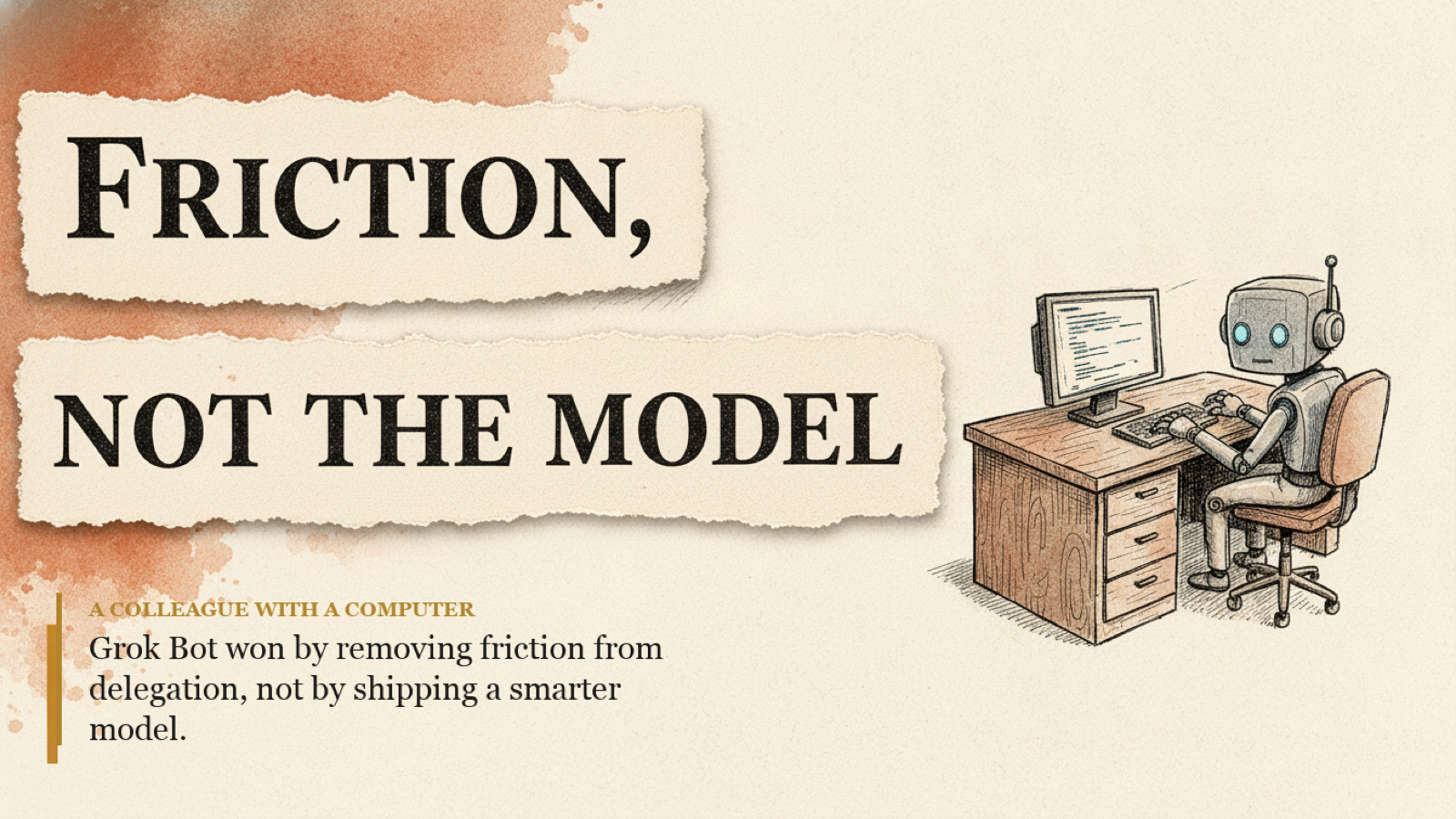
Two designers at xAI don't use AI to move faster inside Figma. They hand whole tasks to named, single-purpose bots — one wired directly into Figma — and review the output later. The job shifts from operating the tool to directing an agent.
On Claire Vo's How I AI, John and Pong show a self-updating personal site built by conversation, production design driven from a gym voice memo through the Figma MCP, and a whole desk of bots for life admin. The skill that matters becomes describing an outcome clearly and judging what comes back.
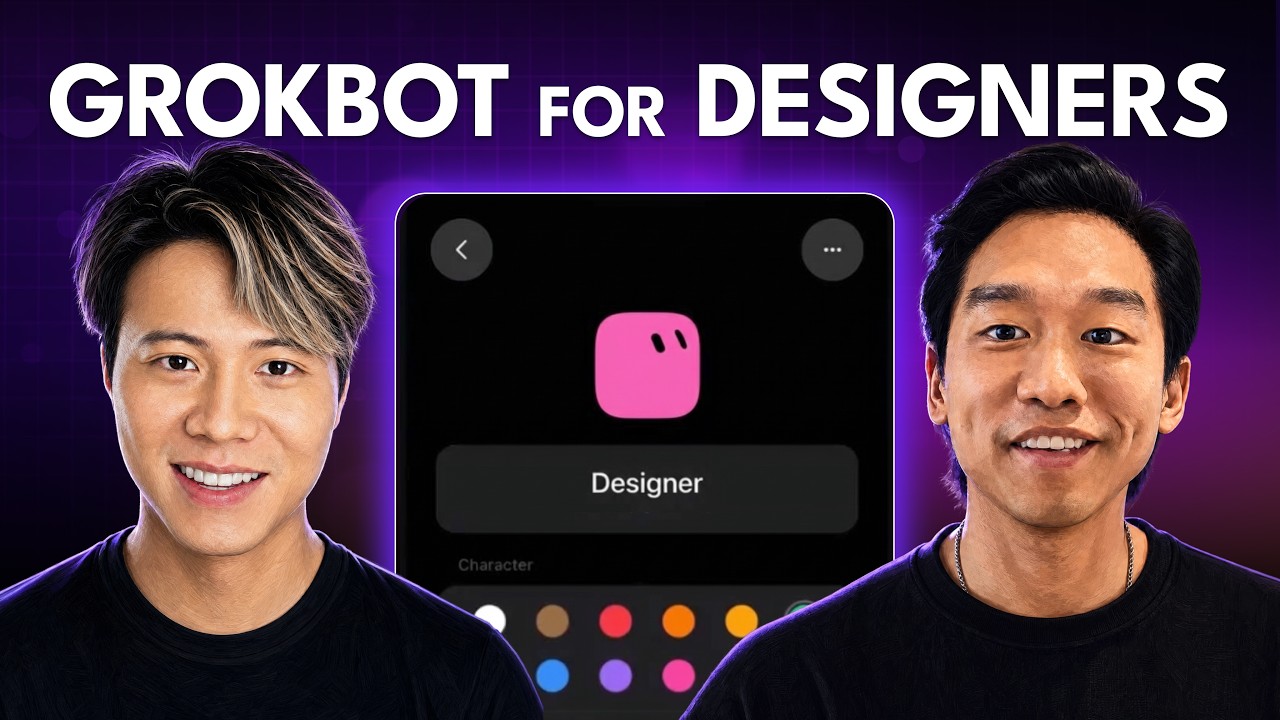
Built on the How I AI episode with Claire Vo and guests John and Pong of the xAI Grok Bot design team.
AI to get you off the computer, not deeper into it
Most "AI for designers" advice is about the desk: better autocomplete, faster mockups, fewer clicks. John and Pong, who design Grok Bot at xAI, work the opposite way. They use AI to get off the computer — kicking off a task and coming back to a finished result.
I use AI to get me off my computer, not on my computer.
Claire Vo, How I AI
That reframes the whole day. If the work happens while you're elsewhere, the skill that matters is no longer speed at the tool. It's how clearly you can describe an outcome and how well you judge what comes back.
One assistant becomes a team of bots
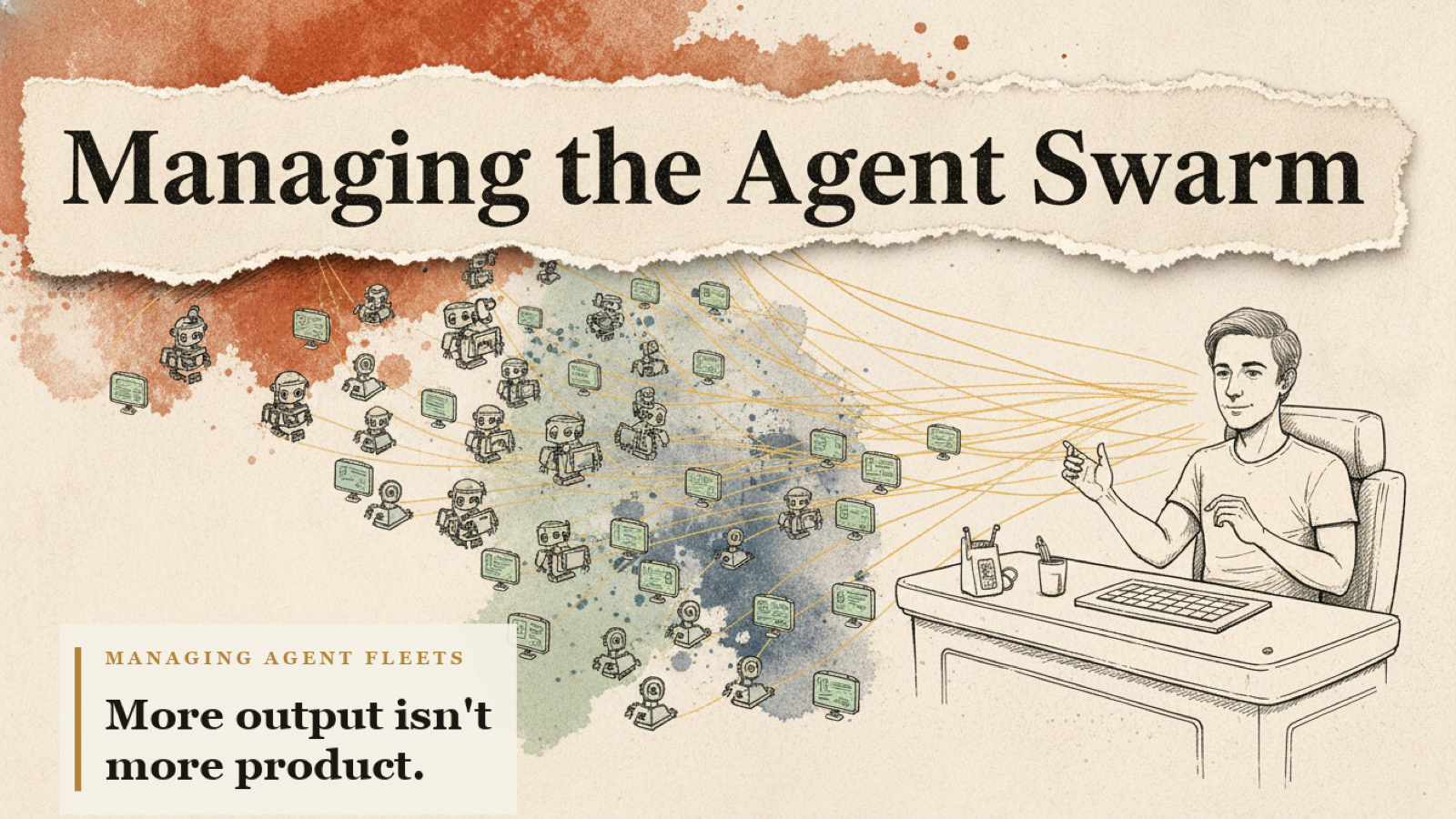
Neither designer runs one all-purpose chat. They run many named bots, each with a narrow job and its own memory.
John has "Figma Bro" for design production and "Devbot" for prototypes. Pong splits his into two buckets, life and work: a chief-of-staff bot, an email manager that surfaces action items, a calendar manager he says has replaced his calendar app, and a legal bot that checks his visa queue every month. He even drops an idea into a group chat of bots — a PM, a designer, an engineer — and watches them argue it out.
The pattern is delegation, not assistance. You don't ask a tool for help with a step. You give a standing worker a domain and let it own the recurring task.
Two concrete cases
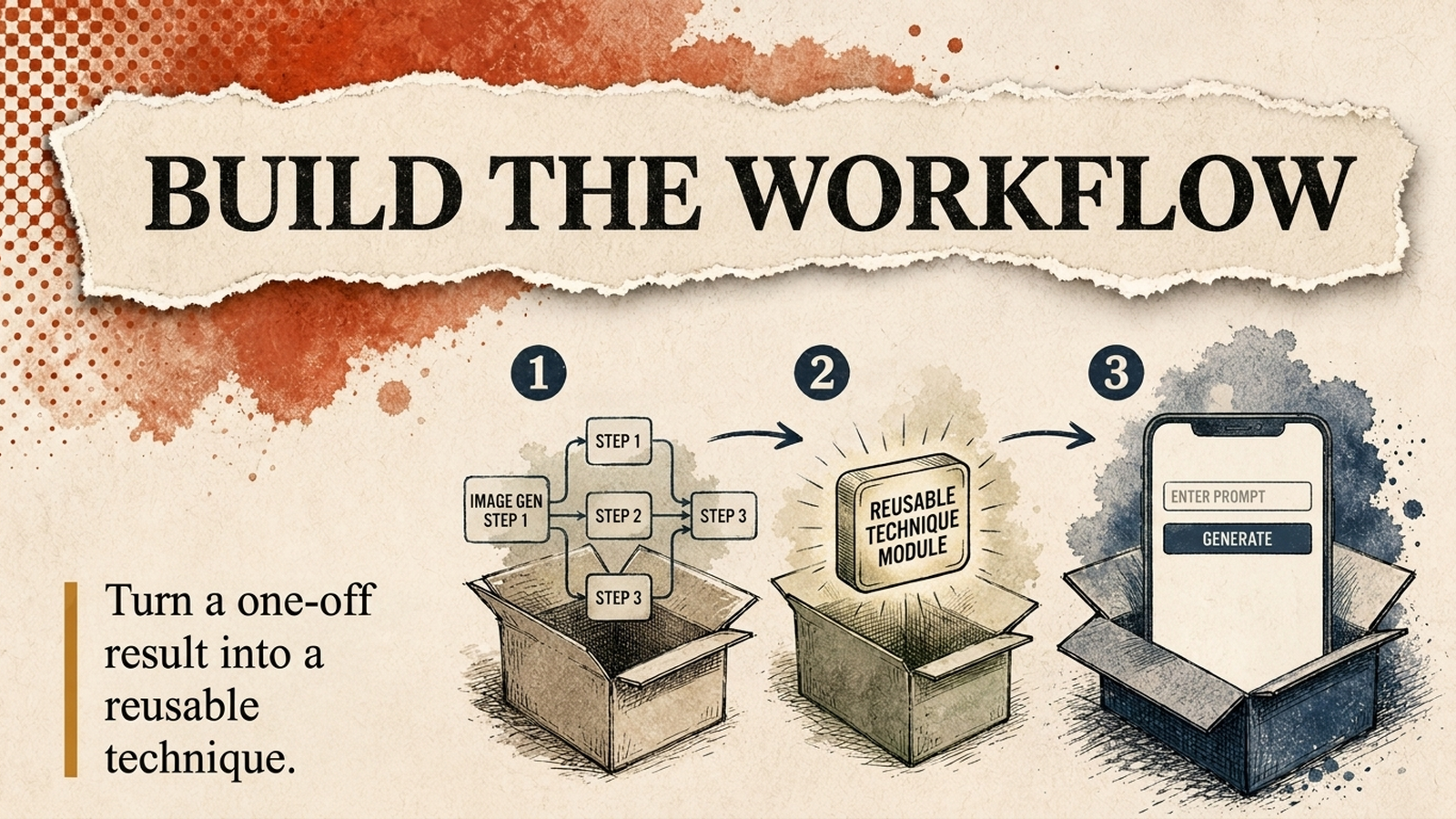
Pong rebuilt his personal site as a self-updating check-in log. He texts a bot a place name or a photo; it runs the Google Places API, generates a light and a dark 3D-clay miniature of the building, strips out people, and publishes the entry. He built the whole pipeline conversationally — "there's no Figma file, there's no spec" — one idea leading to the next until a working system existed.
John's case is production design. He connects a bot to Figma through the Figma MCP — the Model Context Protocol server that hands an AI real design data (components, variables, layout) instead of a flat screenshot. From a voice memo at the gym at 8:52pm, the bot placed icons across artboards and produced three usable outputs; he "didn't even read most of this stuff" before passing it on.
The trick is front-loading the rules: he tells the bot to lay artboards side by side, 50–100px apart, so he doesn't return to a messy file.
The operating lesson: make throwing work away free
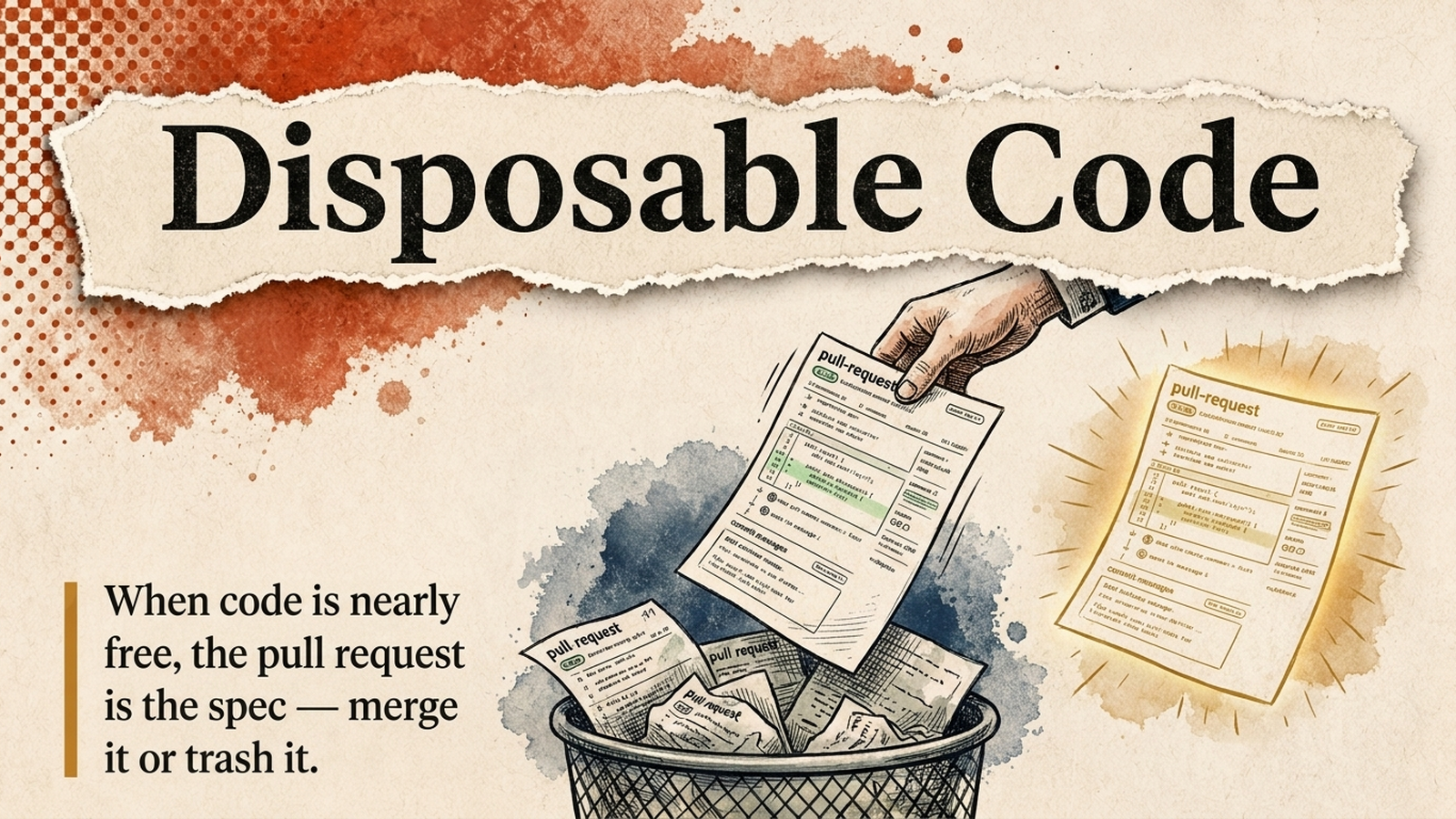
Claire names the mindset the "trash can method" — building on the assumption that discarding a prototype costs nothing. When a rough idea is nearly free to try, it skips the usual gauntlet: the PM asking for the ROI, the engineer refusing to build "that stupid thing."
AI also covers the hard skills a given designer lacks — illustration, 3D, motion — so an idea isn't blocked on finding a specialist.
The boundary
This is a demo of the presenters' own product. John and Pong design Grok Bot; the episode is a best-case showcase, not an independent test. Expect more setup, error-handling, and cleanup than shown — John abandons one prototype as "too derivative," and half his artboards came back needing a second pass. The "trash can" also has a bill: throwaway prototypes that ship become maintenance and tech debt, the exact tension Claire jokes about.
The copyable part isn't the specific bots. It's the shift in where a designer spends attention — away from operating the tool, toward describing outcomes well and judging output fast. Start with one recurring task you'd rather not touch, write the rules once, and let something else carry it to the finish line.