TL;DR
The short version
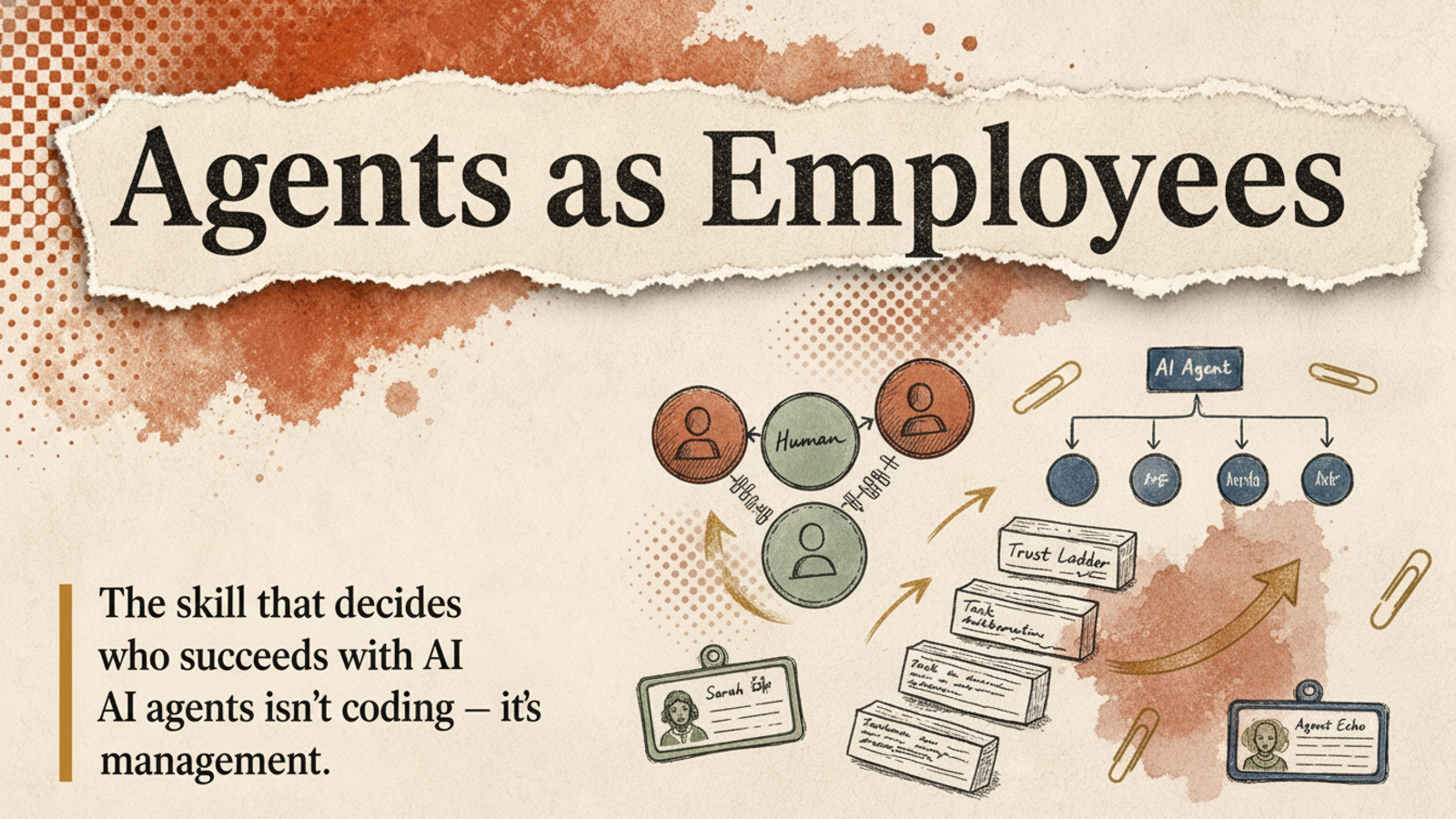
Running a fleet of cloud coding agents is a management job, not a coding one. Ryan Carson runs his startup Untangle almost entirely on Devin — 10–15 threads, bucketed into priority folders, ~40 PRs a day — and argues the new core skill is org design: how you delegate, prioritize, and know where to let go.
But the twist on How I AI is that both Carson and Claire Vo spend most of it warning against their own reputation. More code doesn't make more product. No model knows what to ship. So you constrain output, verify everything, and get out of your chair to talk to real customers.
Built on the How I AI episode with Ryan Carson and Claire Vo (2026-08-24).
The skill is org design, not prompting
Ryan Carson's framing is blunt — running many agents is management, not a coding workflow. Organizations became pyramids because a human can't have a thousand direct reports, and the same limit applies to agents: you can only track a handful of concurrent tasks (the working-memory ceiling is about four things at once, per Cowan, 2001).
The skill is managing throngs of agents. Like that is what I do now.
Ryan Carson
So Carson buckets his Devin threads into P0/P1/P2/bugs folders plus a paper weekly-priority list; Vo runs looser and "just Slacks Devon." Different temperaments, same job. The useful reframe: if you've managed people, the skills transfer — delegation, prioritization, deciding where to micromanage and where to let go now point at agents.
Coding agents aren't just for code
Most people still file cloud coding agents under "writes software." Carson uses Devin to run his Deal Desk — custom quoting — plus ops docs and customer triage. His test for what to hand an agent: "What would you do with somebody who both knew your codebase and could write code to solve anything in your business?"
That's the unlock hiding in plain sight. A background agent that reads your systems and writes code against them is a general-purpose operator, not a code generator. Vo makes the same point from the tooling side: coding platforms are quietly generalizing into business agents.
Output is not the goal
Here's where two self-described token-maximalists surprise you. Carson: "I don't think I get multiples of quality off of multiples of output." He deliberately constrains what he ships, running bugs and triage overnight rather than speculative features.
Vo goes further — "we're nowhere near any frontier model having the intelligence to know what to ship." The automatic improvement loops everyone wanted, where agents find problems and ship fixes, don't work for product. Intelligence didn't create markets; there are no new buyers waiting for whatever the agents produce.
The bottleneck is talking to people
Carson's sharpest line is the least technical: "People are not getting out of their chair enough and actually talking to real people."
He found product-market fit for Untangle the old way. He launched a consumer version; nobody wanted AI for their divorce. So he emailed a lawyer, met her in her office, and heard "there's a paralegal shortage, I love it, and I want to pay for it." That conversation — not another sprint of agent output — turned Untangle into a B2B company selling to family-law firms. The mismatch he keeps naming: you can generate enormous quantities of digital product, and almost none of it is commercializable unless someone talked to a real customer first.
Verification is the actual workflow
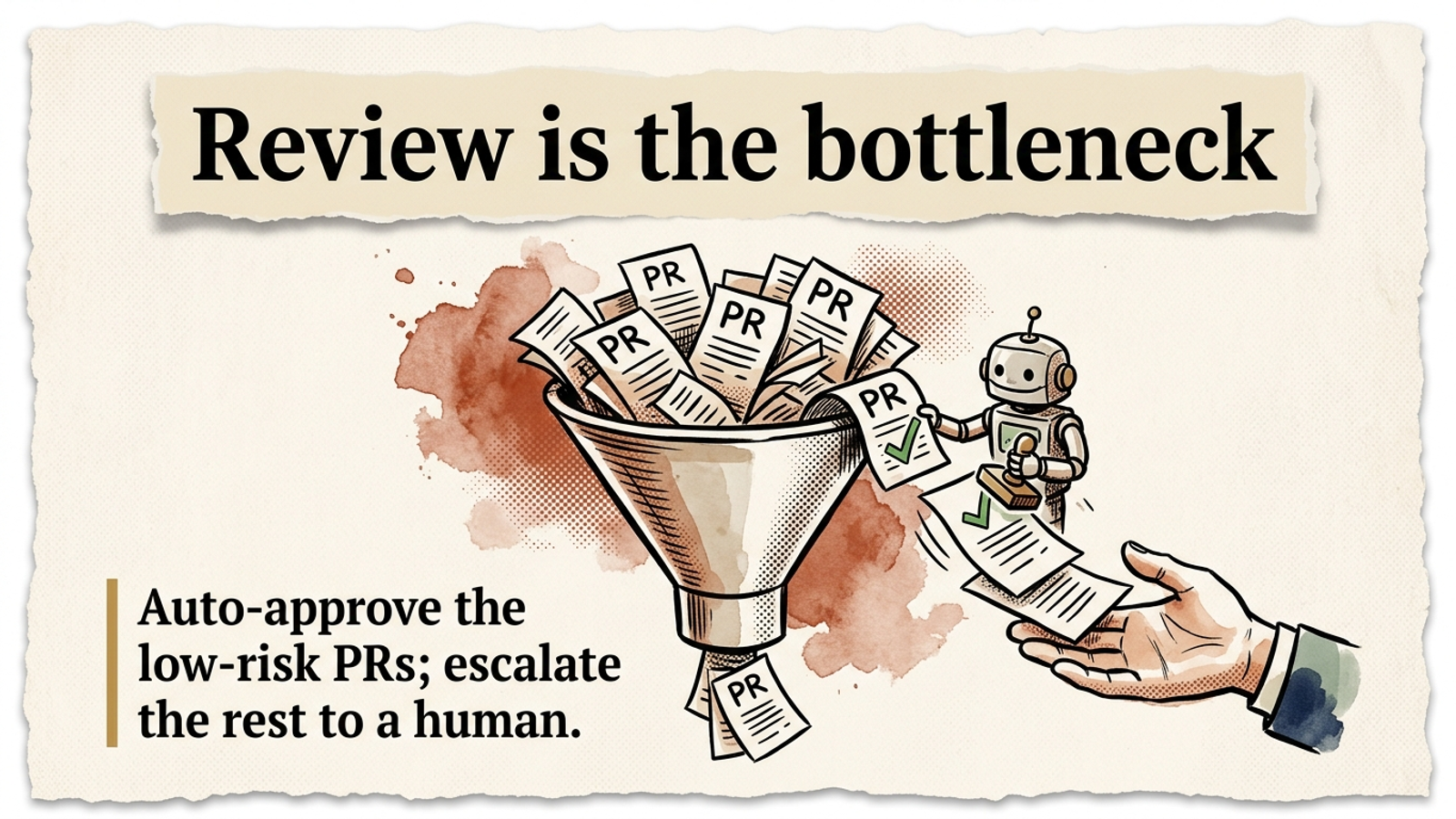
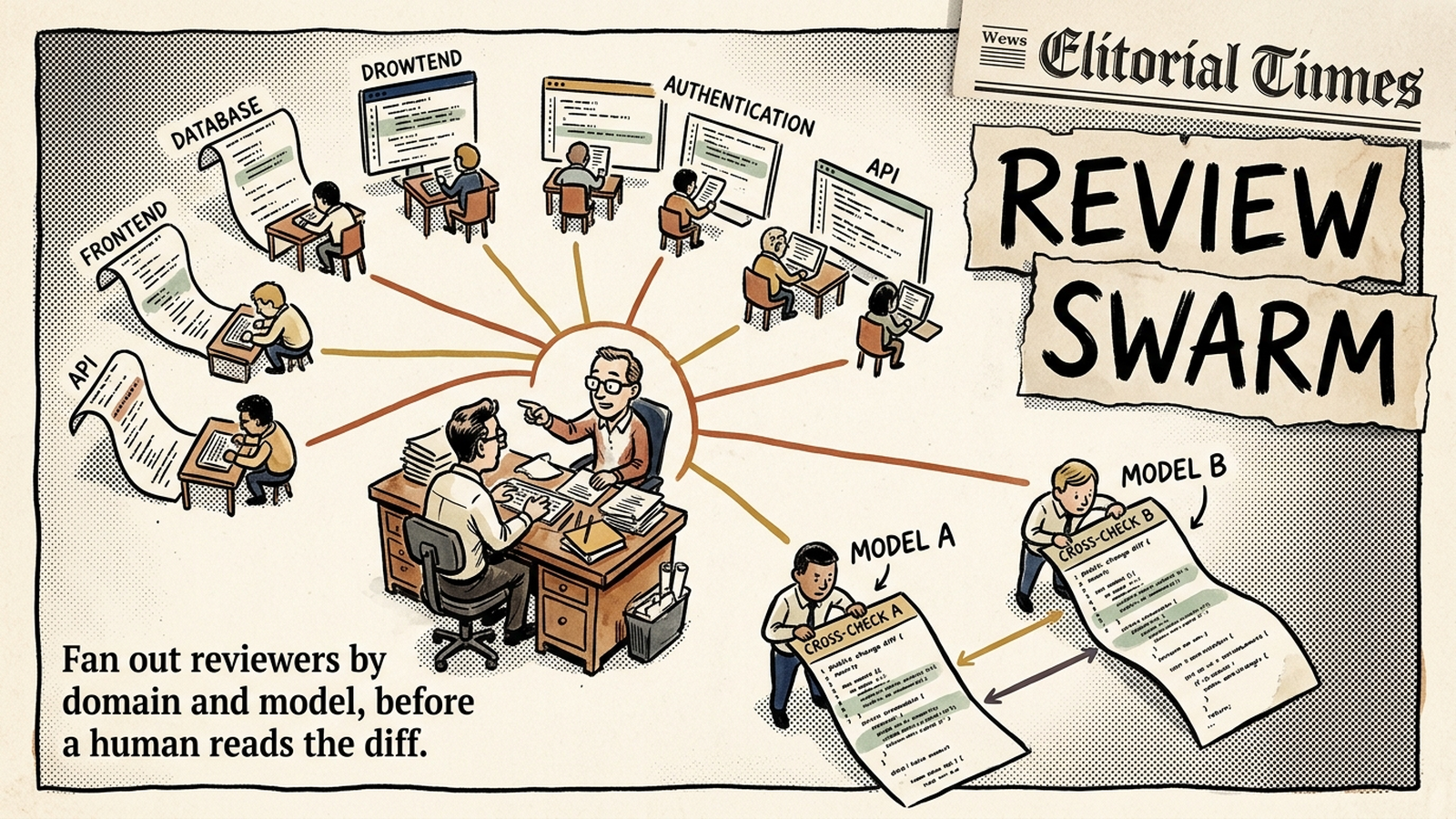
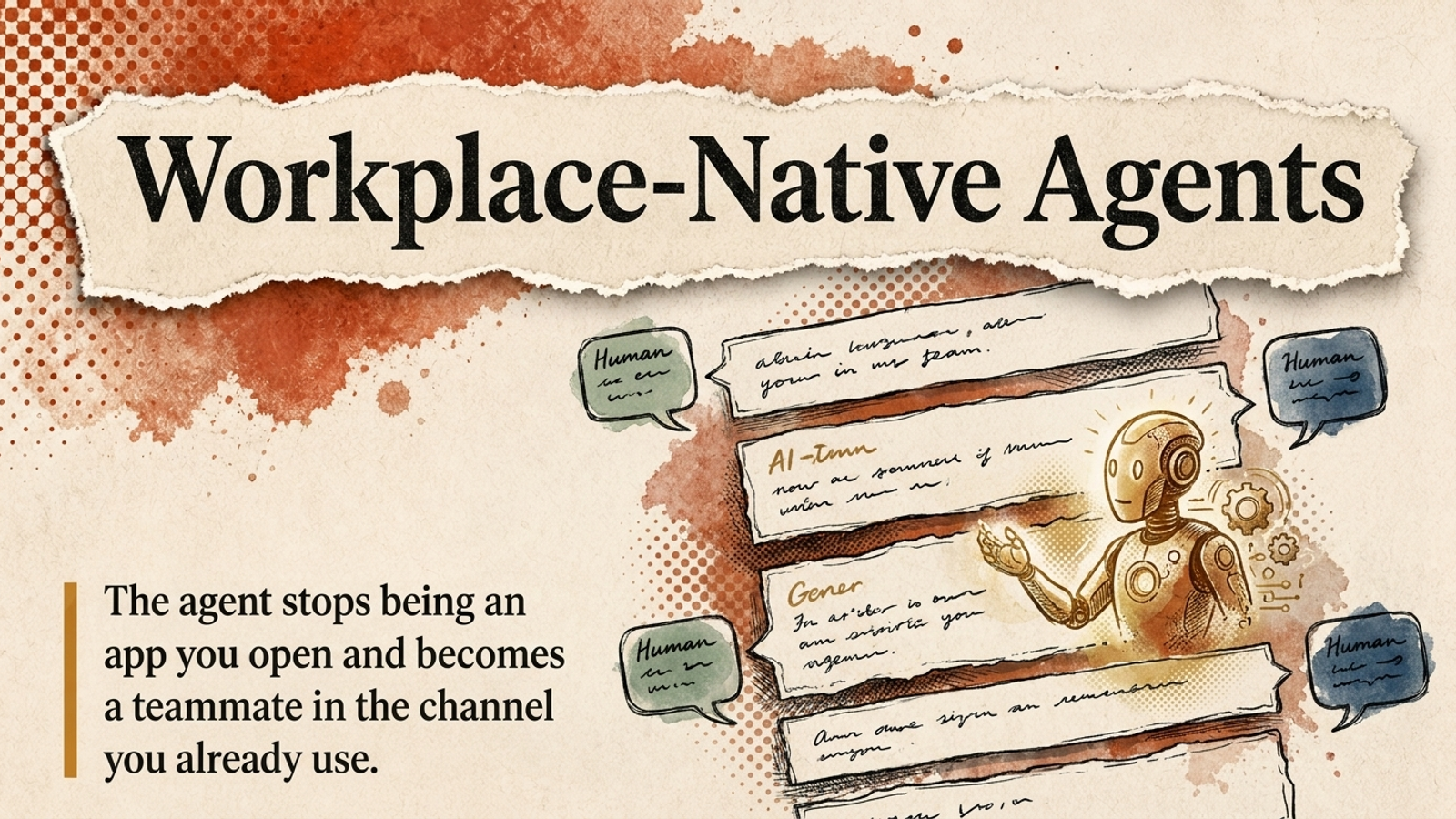
What replaces writing code is checking it. Carson's "Land PR" playbook runs a fresh Devin review, loops up to twice, then records a narrated video walkthrough he must approve before merge. Vo built "Merge Mommy," a Vercel-hosted agent that scores every PR on five risk dimensions, auto-approves the low-risk ones, and pings a human in Slack for medium or high risk — which their SOC 2 controls require anyway.
The same pattern shows up in how Carson now hires: the interview is a full-screen video of a candidate building a feature in an existing app, no meeting. "I just want to see how good of an agent manager you are." It's a verification loop pointed at a person instead of a pull request — which tells you exactly where the scarce skill has moved.