TL;DR
The short version
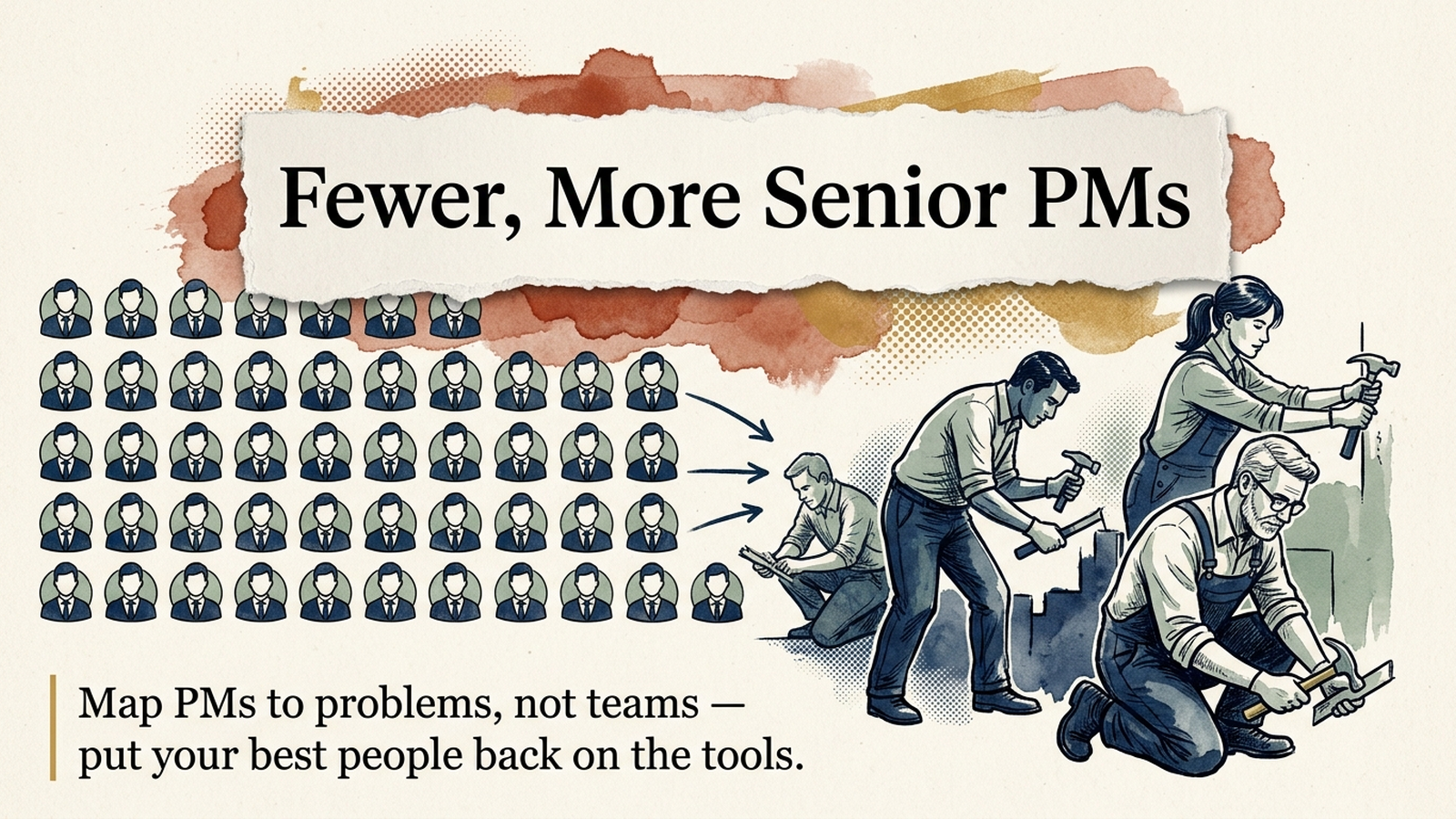
When the cost of building falls below the cost of coordinating, high-impact ICs become rational — people who find, decide, execute across functions, ship, and own outcomes alone.
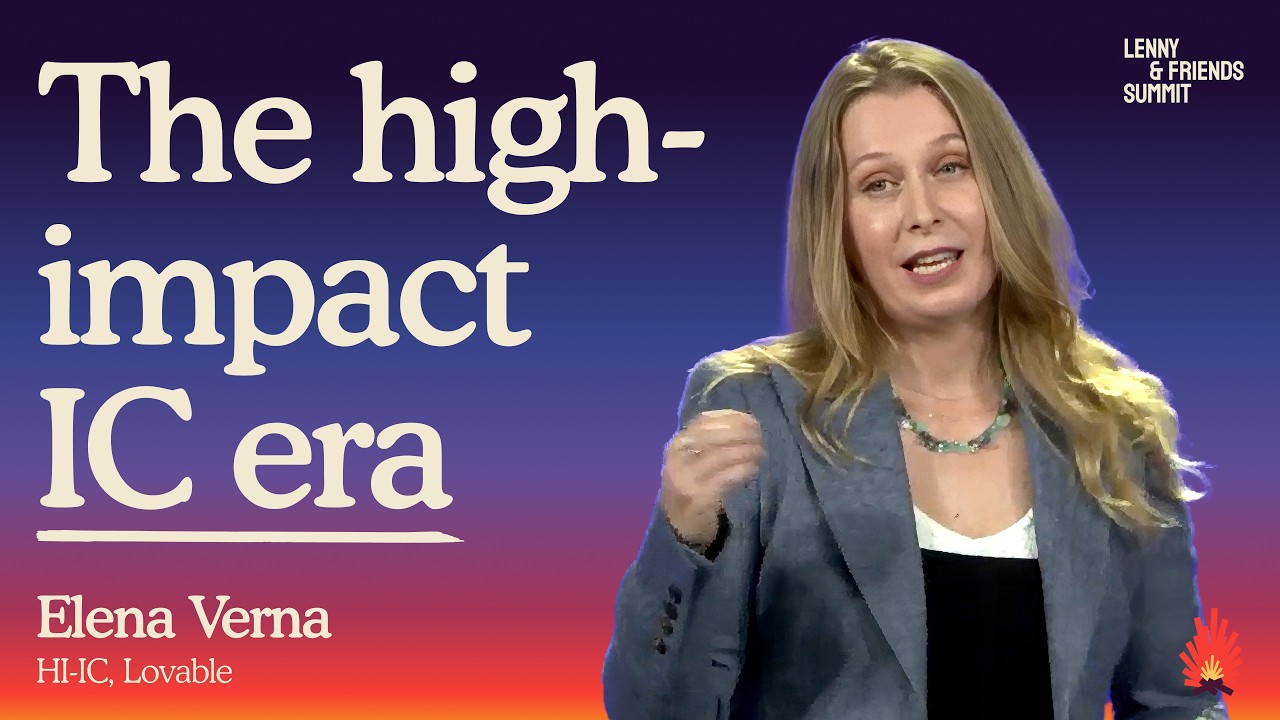
Elena Verna (growth at Lovable) moved from leading a function to staying as an IC. She argues HI-IC is an org operating system: open information, authority with accountability, cross-functional scope, short approvals, and pay decoupled from headcount. Management should be a career path, not the default promotion.
Based on the Lenny's Podcast upload The rise of HI-ICs | Elena Verna (Lovable) (28 Sep 2026).
The ladder's currency was headcount
For decades more impact meant more people underneath you. Verna still remembers a Netflix interview that rejected her for managing too few people. AI makes that currency obsolete: the scarce input is what you can ship.
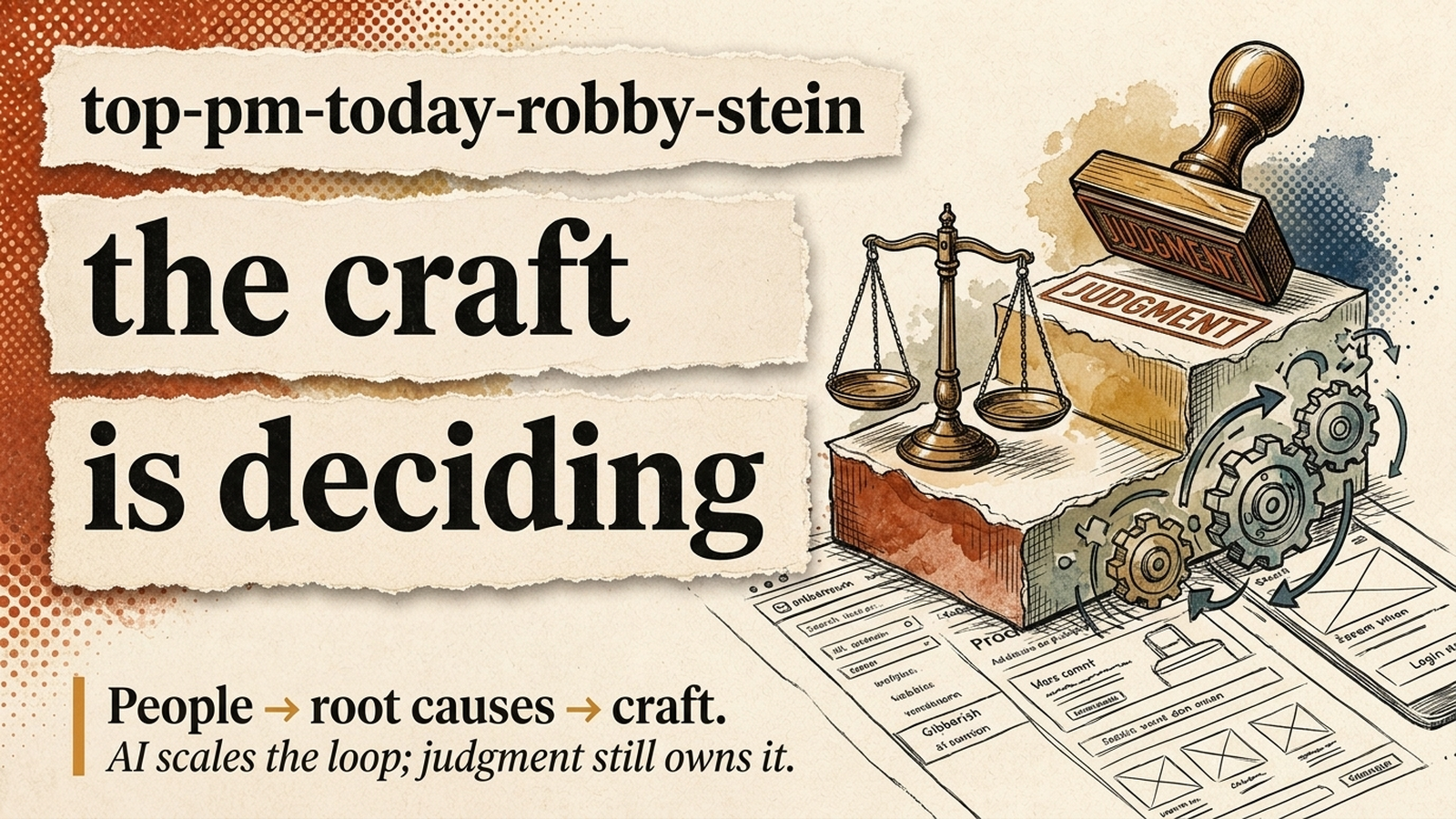
A high-impact IC […] is the person that is able to find problem, make a decision, execute […] across all of the different functions […] ship it and own the outcome.
Elena Verna
That used to be a whole team's charter. A HI-IC (she writes HI-C) is not merely "senior, no directs."
Average intelligence, exceptional craft
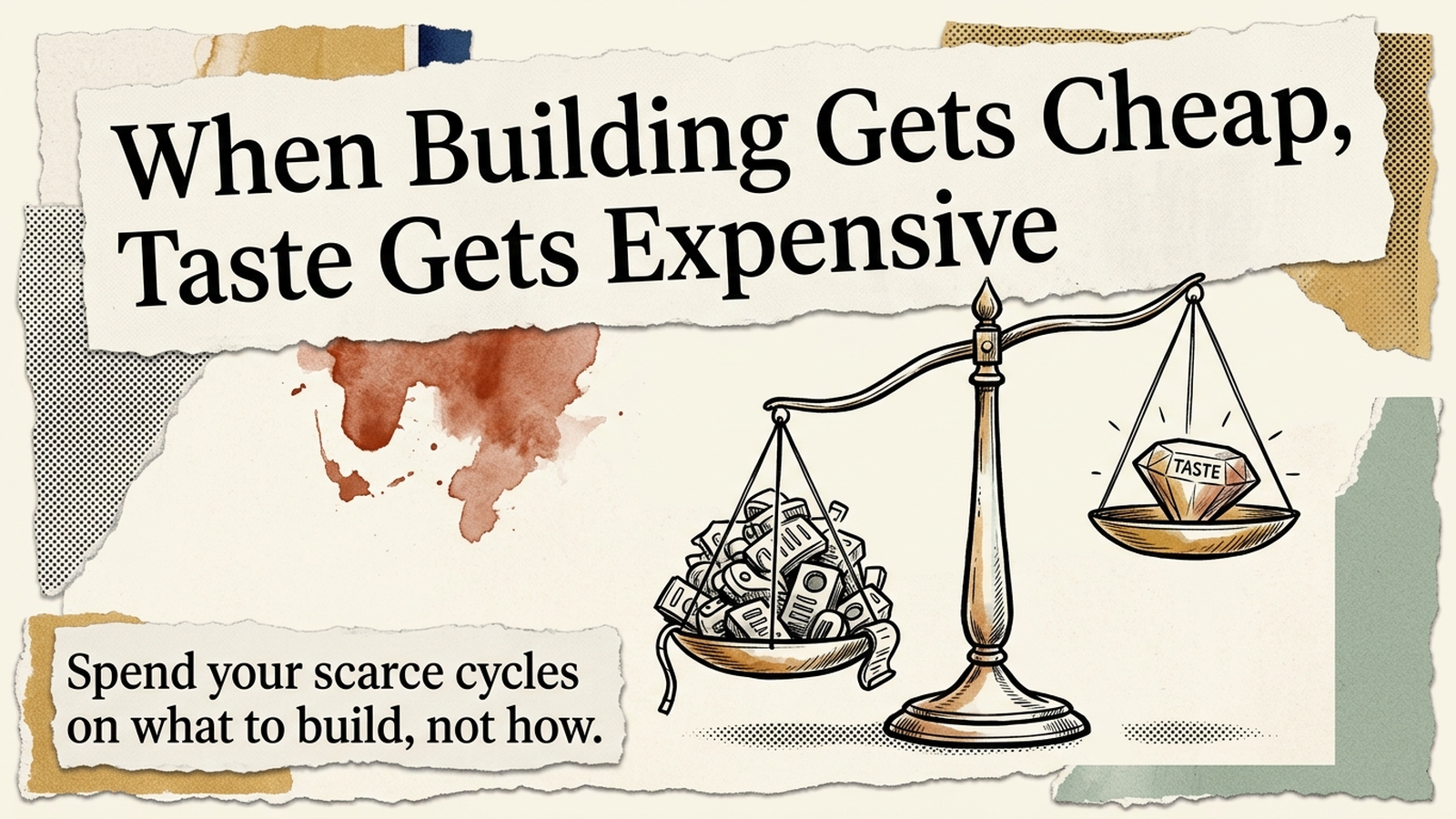
Treat today's models as average intelligence on tap — good-enough adjacent crafts. Keep one or two areas of exceptional skill. Everywhere else, ship to learn from customers instead of waiting for the perfect specialist.
When the cost of building falls below the cost of coordinating, the org chart should change.
Elena Verna
She lives in Lovable: ideation, decks, production deploys. AI-native tooling without org redesign wastes the shift. At Lovable, jobs and reorgs move constantly; stasis means you are not absorbing the change.
Five conditions (or it is just a title)
Information at their fingertips — stop filtering context through layers; lean titles; team agents in Slack with human owners.
Authority with accountability — decide, ship, fail. Millions in failed experiments are acceptable when learning unlocks growth.
Scope not trapped in a function — a growth HI-IC may ship core or marketing when the outcome needs it.
Cheap experiments, short approvals — when trying is cheaper than debating, approval chains are the expensive part.
Pay and status decoupled from headcount — her grade did not drop; if AI is real, high-impact ICs should often out-earn managers or everyone rationally becomes a manager. Do not ask people to be manager and HI-IC at once.
Management as a path, not a promotion
Identity mourning is real — titles wrap who we are after decades on the ladder. Her close: if you love your days, keep going; if you feel the drain, take craft back with leadership-level outcomes and leadership-level pay.
She reports 42 of 51 people-managers in a survey wanted back to IC work (self-reported). AI's interesting org effect is separating impact from headcount — not the replacement headlines.