TL;DR
The short version
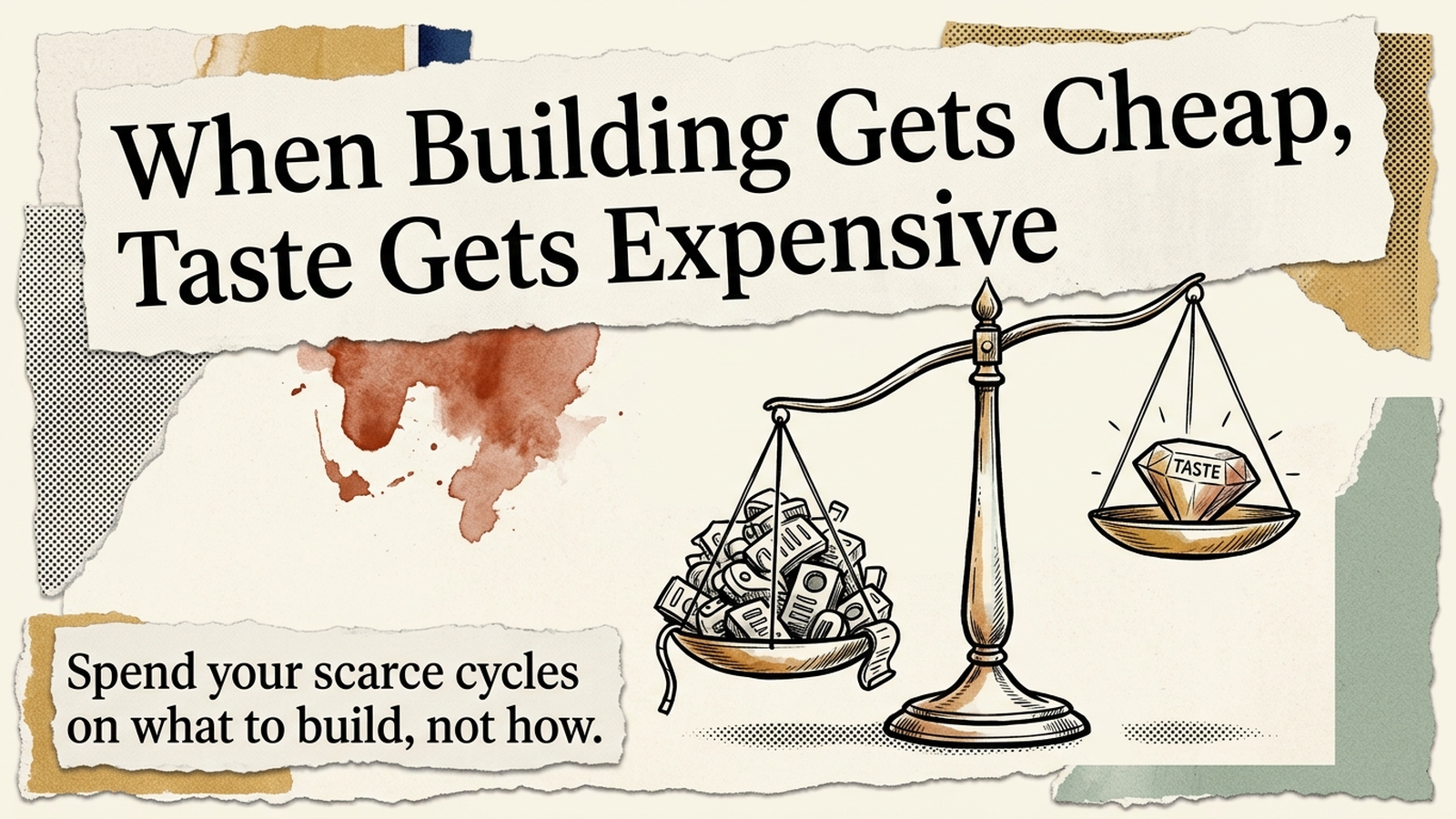
When agents can build what used to take whole teams, PM value concentrates in judgment — taste and decision quality — not project-managing the build.
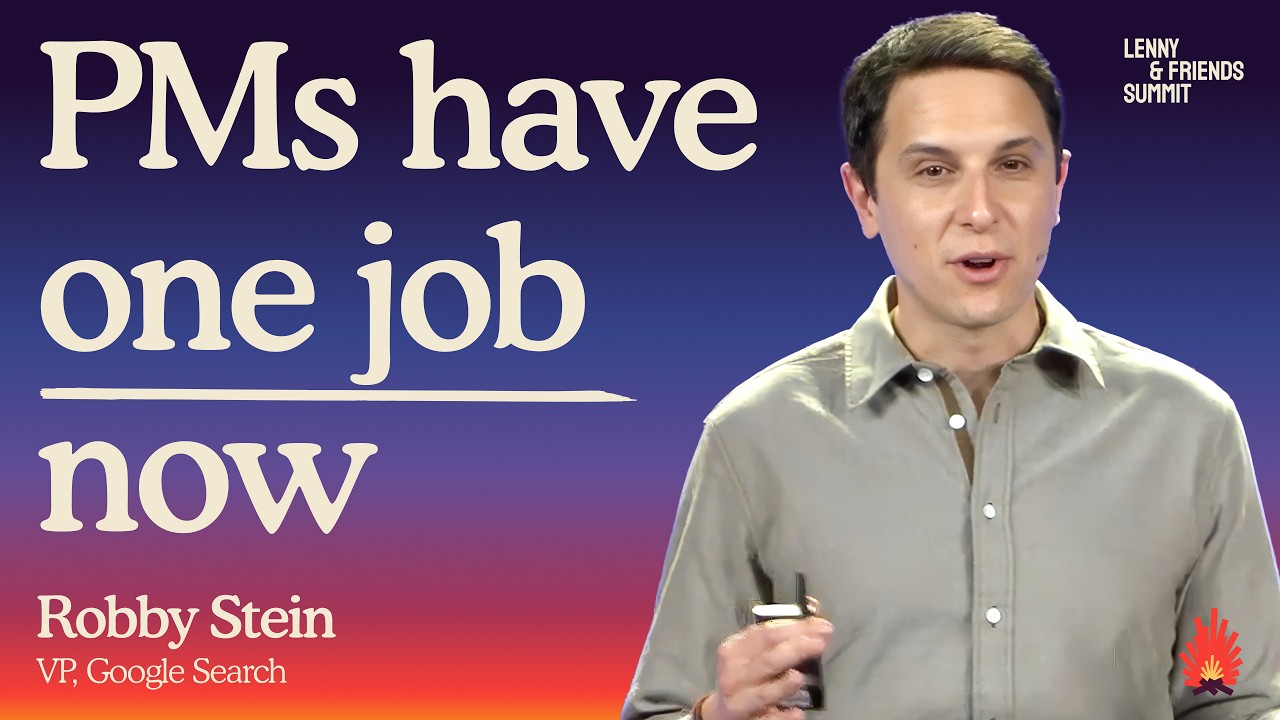
Robby Stein (VP Product, Google Search; ex-Instagram) shares a three-chapter loop: understand people via Jobs-to-be-Done, diagnose root causes recursively until fit, then finish with craft that removes pain and sparks joy. AI scales each chapter; humans still own the decisions.
Based on the Lenny's Podcast upload What it takes to be a top PM today | Robby Stein (Google Search) (28 Sep 2026).
Shipping is no longer the scarce part
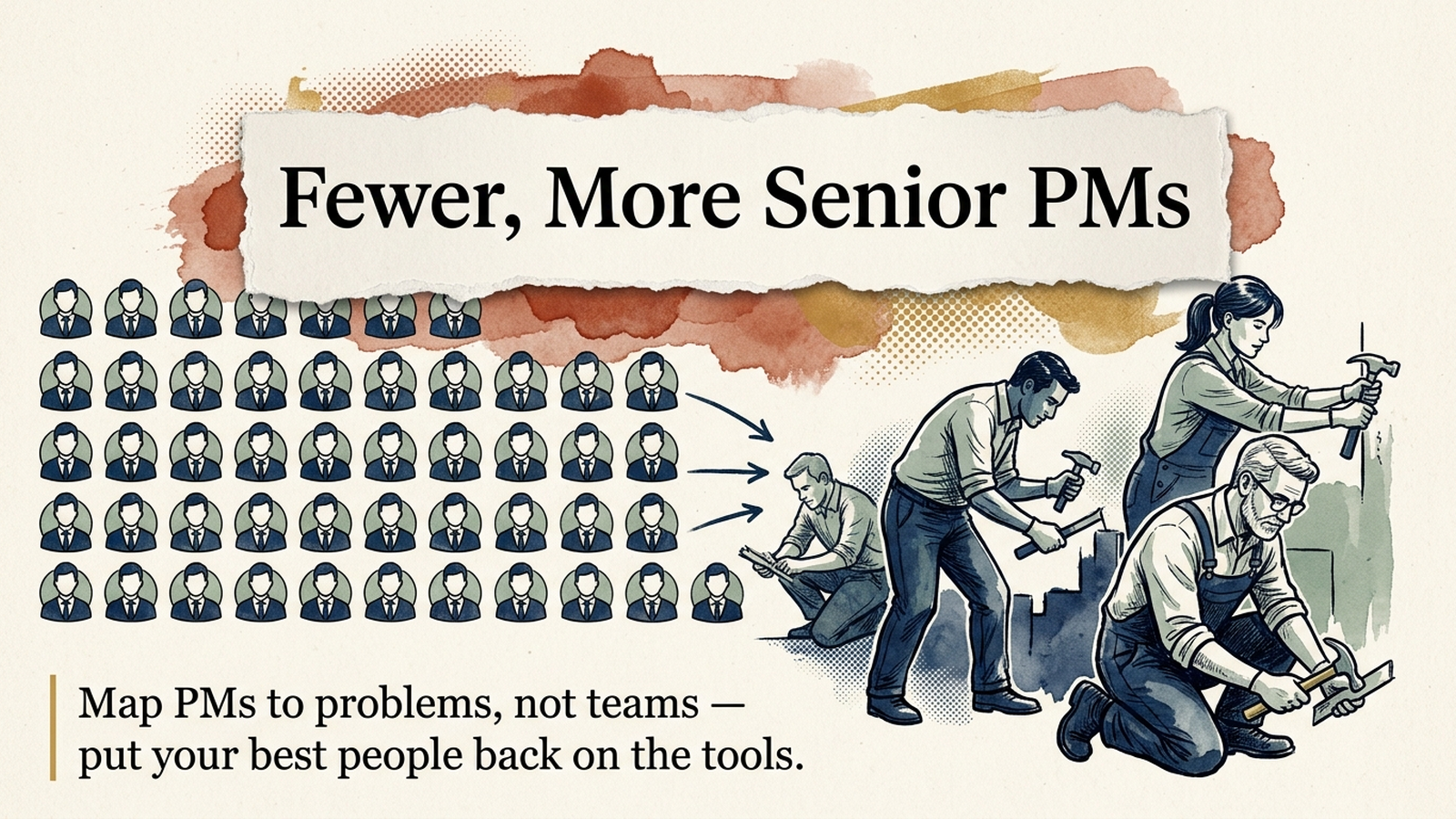
For years a big slice of PM work looked like organizing energy and keeping the train moving. Stein's claim is blunt: when a handful of agents can build what used to take whole teams, that layer thins out.
In the world today almost anything you can think of can get built […] the actual true value of PM is actually around judging. It's around taste.
Robby Stein
The craft to master is decision-making — being a student of great decisions knowing many will be wrong — not being pretty good at everything.
Chapter 1 — Understand people deeply
Anchor in Clayton Christensen's Jobs-to-be-Done: people hire products to do jobs. Extract the job with story interviews that recreate the decision moment — not feature surveys. Stein's bed-shopping story lands on "transference": the mattress that would not wake his wife when he moved. Cooling and price roadmaps would have missed it.
At Google Search, early AI experiences needed multimodal answers because people came for inspirational shopping journeys text could not carry. Early AI Mode answered food questions fluently but missed maps, ratings, and hours — the Google-grade entity layer people were hiring Search for.
AI can scale interview transcripts into JTBD extraction or run interview agents. Ownership of what the job means still sits with the PM.
Chapter 2 — Root causes like training epochs
Most first versions are bad. Clear objective → ranked problems → aggressive fixes → ask again. Stein compares it to model-training epochs: each change list should move toward fit.
Instagram Stories worked early, but sharing lagged. Audience fear (ex, teacher, aunt on the list) was the top cluster. Roughly two years of cycling — publicly visible as Favorites tests from mid-2017 to Close Friends on 30 Nov 2018 — ended with a Stories-only cut after broader private-profile experiments confused people. Reels in Brazil launched ephemeral and failed; creators who invested in a dance wanted permanence and reach.
At Google, opted-in feedback while using products becomes a library models can stack-rank. One shopping example: backpack answers that never asked about a child's height. Fixing that collaborative gap became a major engagement lever.
Chapter 3 — Craft: remove pain, then add soul
Two tests: does it work without pain, and does it make someone feel something? Users can detect whether creators cared.
Pain removal scales with agentic product walks — use the product, screenshot, score against a rubric, find off-spec breaks. Delight is intentional humanity: the AI-era Google search box with color gradient, cycling cursor colors, tap animation, and haptics. People notice and post it. That is the product having a soul.
The compressed playbook: know the human job, rank and fix root causes until the product wins for that job, ship something clean that feels cared for. Spend less on feature lists and distribution tricks. Spend more on the person on the other side of the screen.