TL;DR
The short version
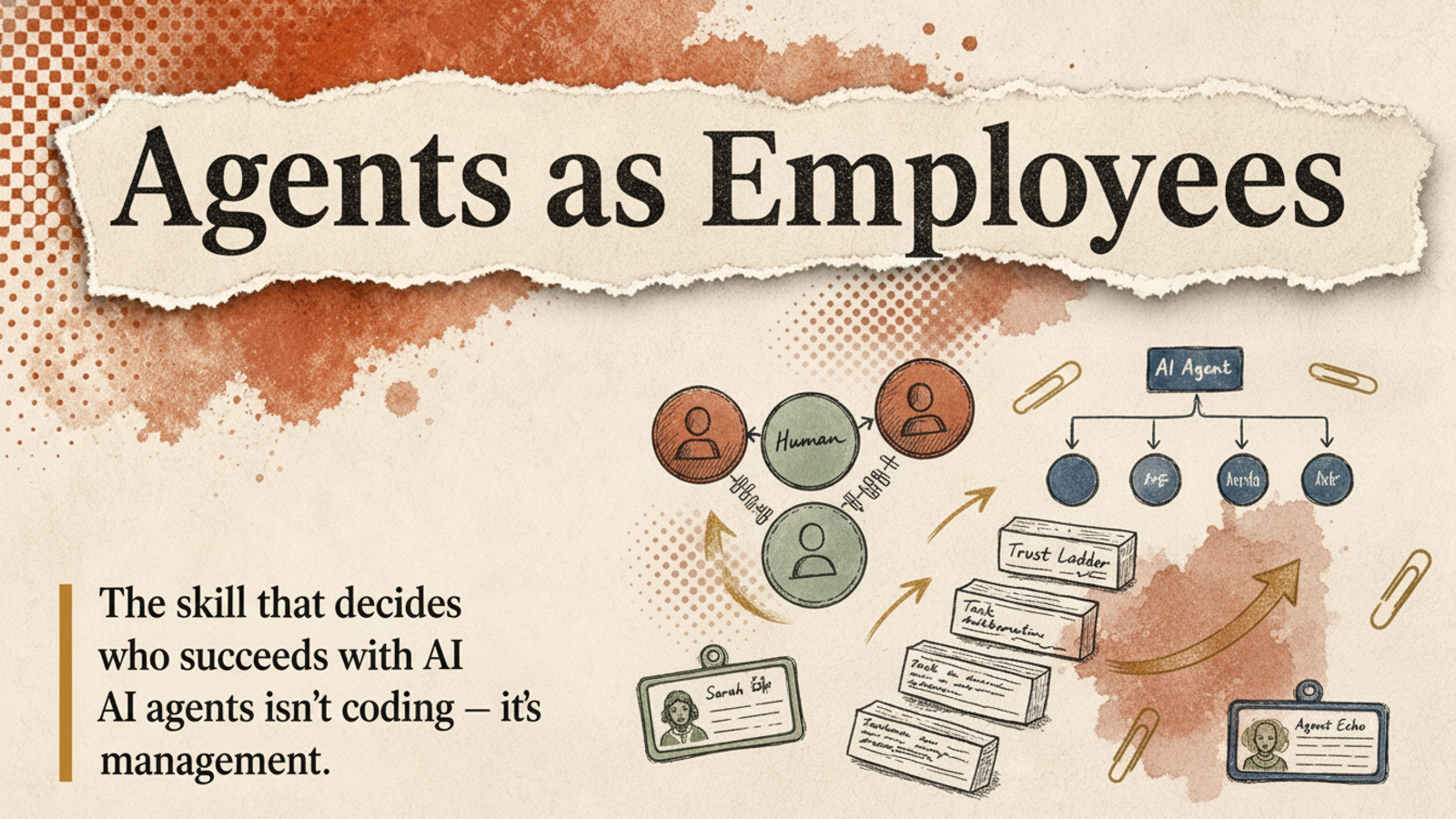
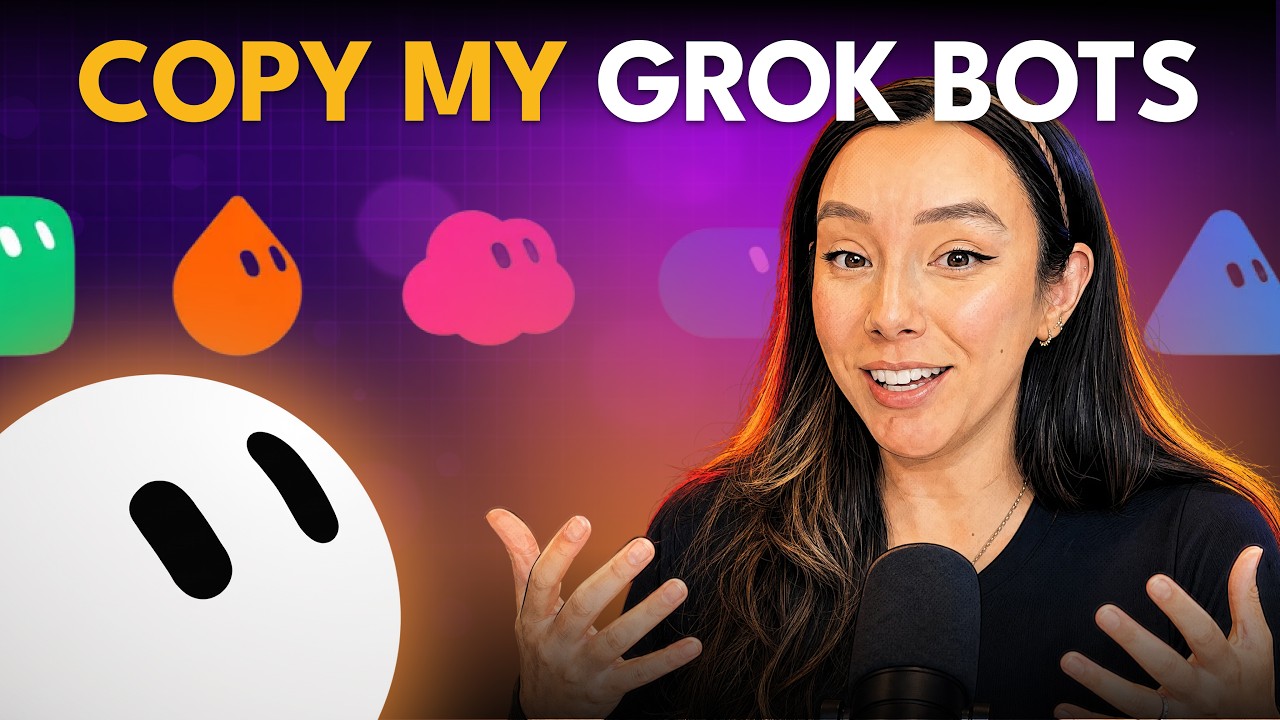
On How I AI, Claire Vo tours seven agents she uses every day, built on xAI's Grok Bot. The interesting part isn't the tool — it's how she structures the work: she hires a roster, not an assistant. Each agent gets a name, a single job, the tools it needs, and a schedule.
Copy the structure and it carries to any agent platform: staff narrow roles instead of building one clever do-everything bot, put the work on a routine, and keep a human approval gate on anything irreversible.
Built on Claire Vo's walkthrough on How I AI; quotes and timestamps traced to the episode, product claims checked against xAI's own docs.
Give each agent one job and a name
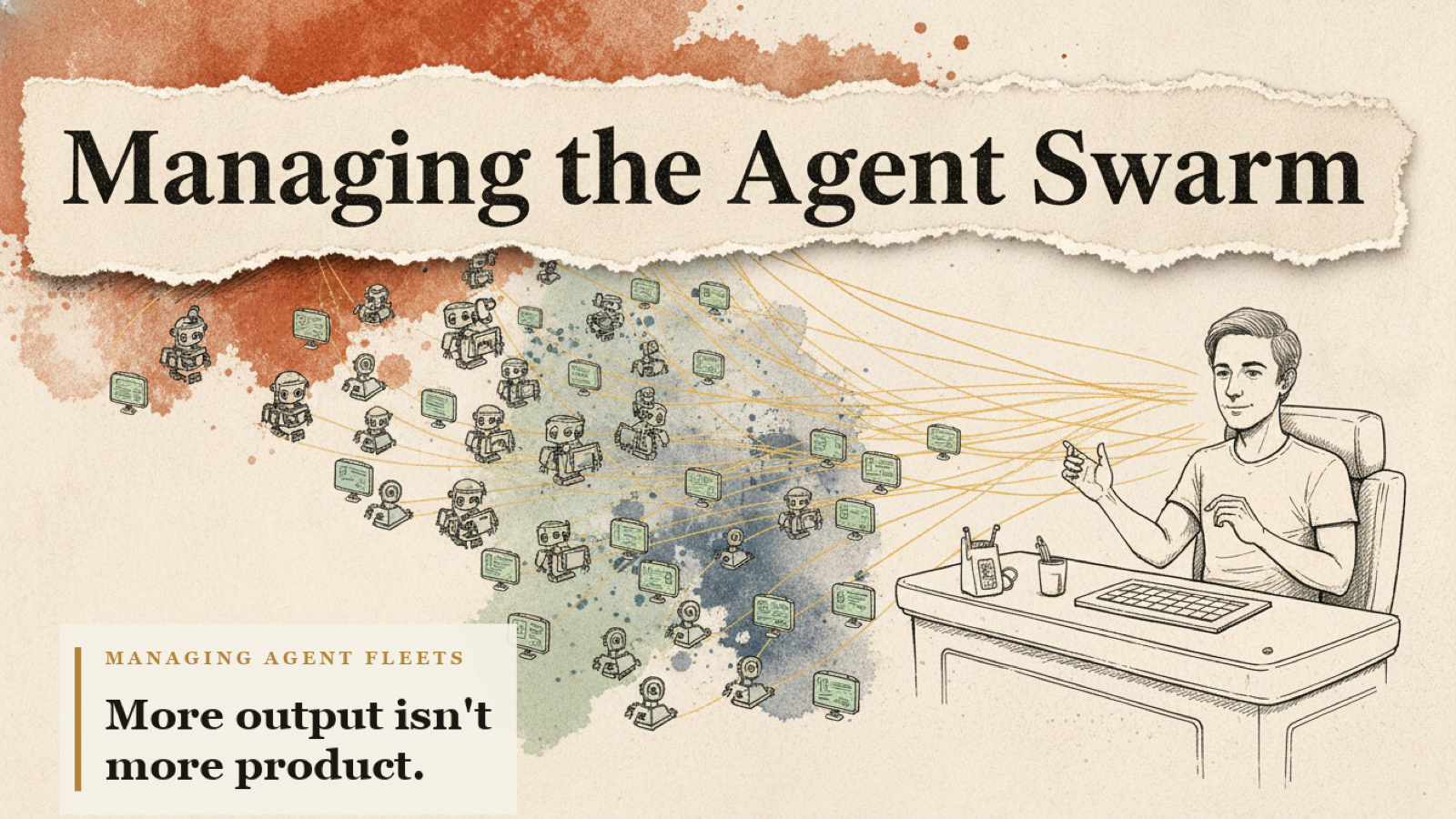
Vo doesn't build an assistant. She hires a roster. Chief runs chief-of-staff duties across her inboxes, calendars, and Slacks. Tadbot runs the household and prints a kitchen-table newspaper for her kids. Look Good To Me closes pull requests. Lockdown watches SOC 2 controls. Holly answers customer support. Penny Pincher audits subscriptions. Sylvie Style manages a wardrobe.
I like to hire my bots like I hire people for specific jobs and with specific names.
Claire Vo, How I AI
Narrow scope is what makes an agent legible. You can tell whether a PR closer is doing its job; you cannot tell that about a do-everything bot, which is why those quietly rot. The naming isn't decoration either — on Grok Bot, a bot's name seeds what it assumes its job is.
Put the work on a schedule
An agent you have to prompt is a chatbot. An agent on a routine is a coworker. That's where the leverage is. Chief sweeps her inboxes hourly during business hours and only pings her when something needs a human. Tadbot checks pickup logistics at 2:30pm and previews the weekend every Friday. Sylvie Style scans retailer sales every Monday at 8am.
Vo is candid that this took work — she had to tell bots repeatedly to "put this on a schedule" rather than wait to be asked. In Grok Bot's model a skill is how to do a task and a routine assigns it to one bot with a time to run. The operator lesson holds regardless of platform: proactivity is a configuration you own, not a personality trait you hope for.
Keep a human gate on anything you can't undo
The pattern that makes this safe to run at scale is the approval gate. Holly Help Desk answers tickets and can even fix bugs by kicking off Cursor coding agents autonomously. But refunds route back through Vo: the bot pushes a Stripe request as an "agent action," and she taps approve or deny before money moves.
Her framing for the compliance bot is the whole philosophy in one line: "We can put AI to work, or we can have AI put us to work in a more effective way." Lockdown doesn't own SOC 2 — it taps her on the shoulder about account-review day "like an intern."
The real constraint is maintenance, not capability
Here's the honest part. Vo rates her old platform, OpenClaw, higher on paper — better proactivity, real multiplayer. She migrated off it anyway because it was "a nightmare to maintain," even for someone running Tailscale into an SSH'd Mac Mini. Her verdict: "UX matters. It just does." A reliable agent that gets you 90% of the way beats a powerful one you fight to keep alive.
For a leader picking agent infrastructure, that reorders the scoring. The winning system isn't the one with the highest ceiling in a demo. It's the one your team can still run in three months without a dedicated babysitter.
Where this still breaks
Two boundaries worth naming before you copy the setup. First, Grok Bot is single-player: bots can coordinate with each other, but you can't drop one shared bot into a chat with a teammate the way a group thread works (Unite.AI). "You can't put a Grok Bot in the group chat. And I want a Grok Bot in the group chat." If your value is a shared agent, this isn't there yet.
Second, the "each bot has its own computer" framing oversells the isolation. xAI's own docs say all your bots share one cloud computer and warn: "do not use separate Bots as a security boundary" (digitalapplied). Naming agents as separate employees is a useful model for scoping work. It is not a security model. Keep those two ideas apart.