TL;DR
The short version
A frontier model release isn't a free upgrade you can ignore. The intelligence gain "can't really be captured in benchmarks and just has to be experienced through trial and error," so every jump forces you to re-test how you work — and usually to unlearn the habits tuned to the last model.
The current wave (Fable 5, GPT-5.6 Sol) rewards the opposite of the old moves: set boundaries because the model is more tenacious, say each instruction once, match compute to the task (and test one effort level lower), raise your ambition, and run the model in loops against a hard bar. The operator version is bigger than your own prompts — a release resets your whole team's habits and every stored harness file at once.
Drawn from The AI Daily Brief (Nathaniel Whittemore, 23 Jul 2026), aggregating the early Fable 5 / GPT-5.6 Sol tips discourse.
New model, new prompting — always
The gains from a jump in intelligence "can't really be captured in anything like benchmarks, and just has to go be experienced through trial and error." Benchmarks tell you a model is better; they don't tell you how to work with it. Treat every release as a standing reason to re-test your workflows rather than assume your old moves carry over.
The most common mistake is prompting a new model exactly the way you prompted its predecessor. As Codex's Eric Provencal notes, people still prompt GPT-5.6 Sol "exactly as they did 5.5" — and it doesn't work, because the model changed underneath them.
Reset boundaries — tenacity is the new failure mode
The defining trait of this generation is that it keeps going. "5.6 Sol is a lot more tenacious and thorough than previous models." A more agentic model that presses on unprompted turns an under-specified prompt into runaway token spend or an unwanted real-world action.
Dial compute down, and say each instruction once
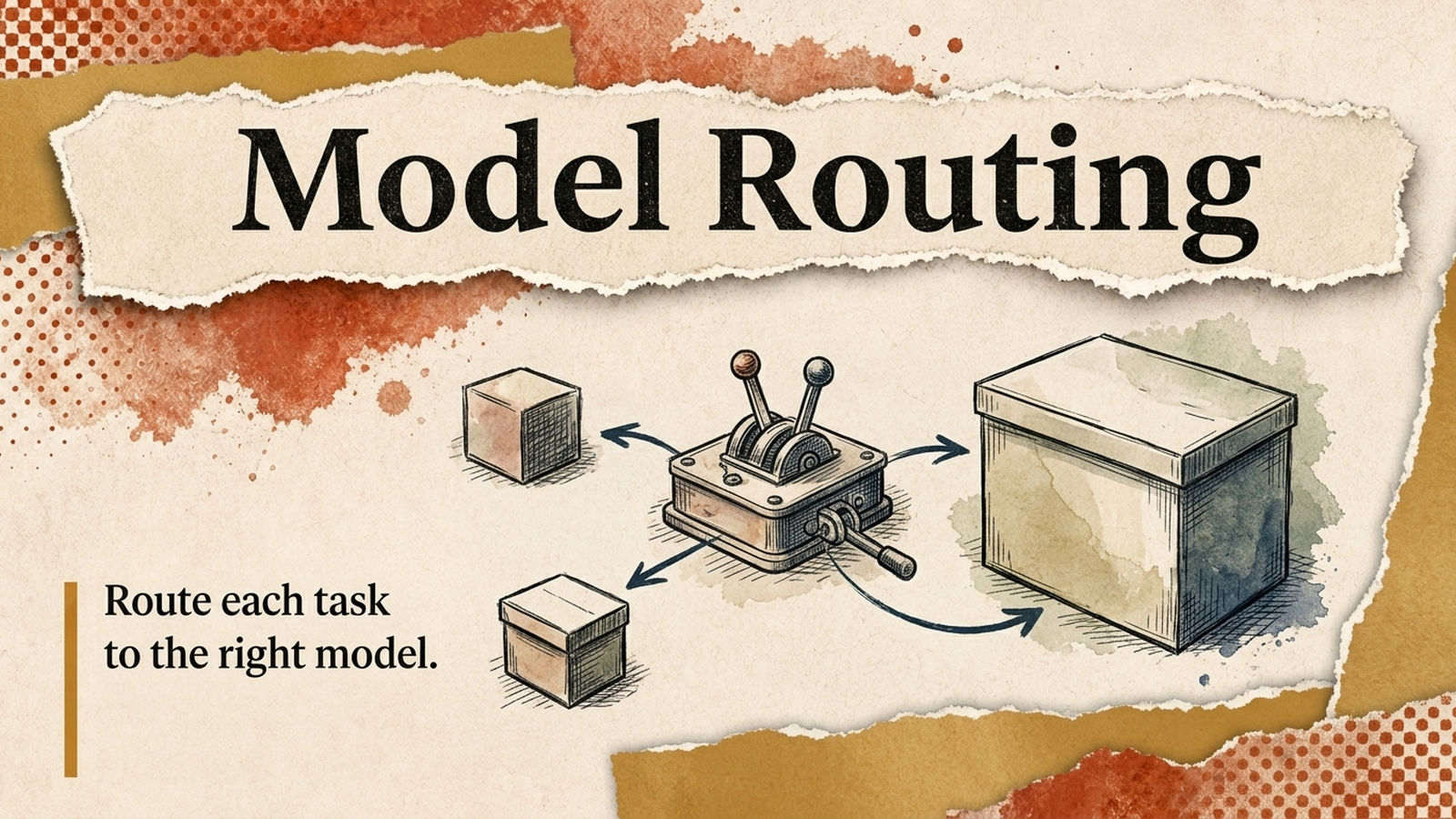
There are now two dials: model size (Sol for the hardest problems, Terra for everyday, Luna for cheap and fast) and thinking effort (six levels, none to max). The counterintuitive advice: start at your last model's setting, then test one level lower, because the new generation usually needs less to clear the same bar. Reflexively maxing effort on a smarter model just wastes tokens.
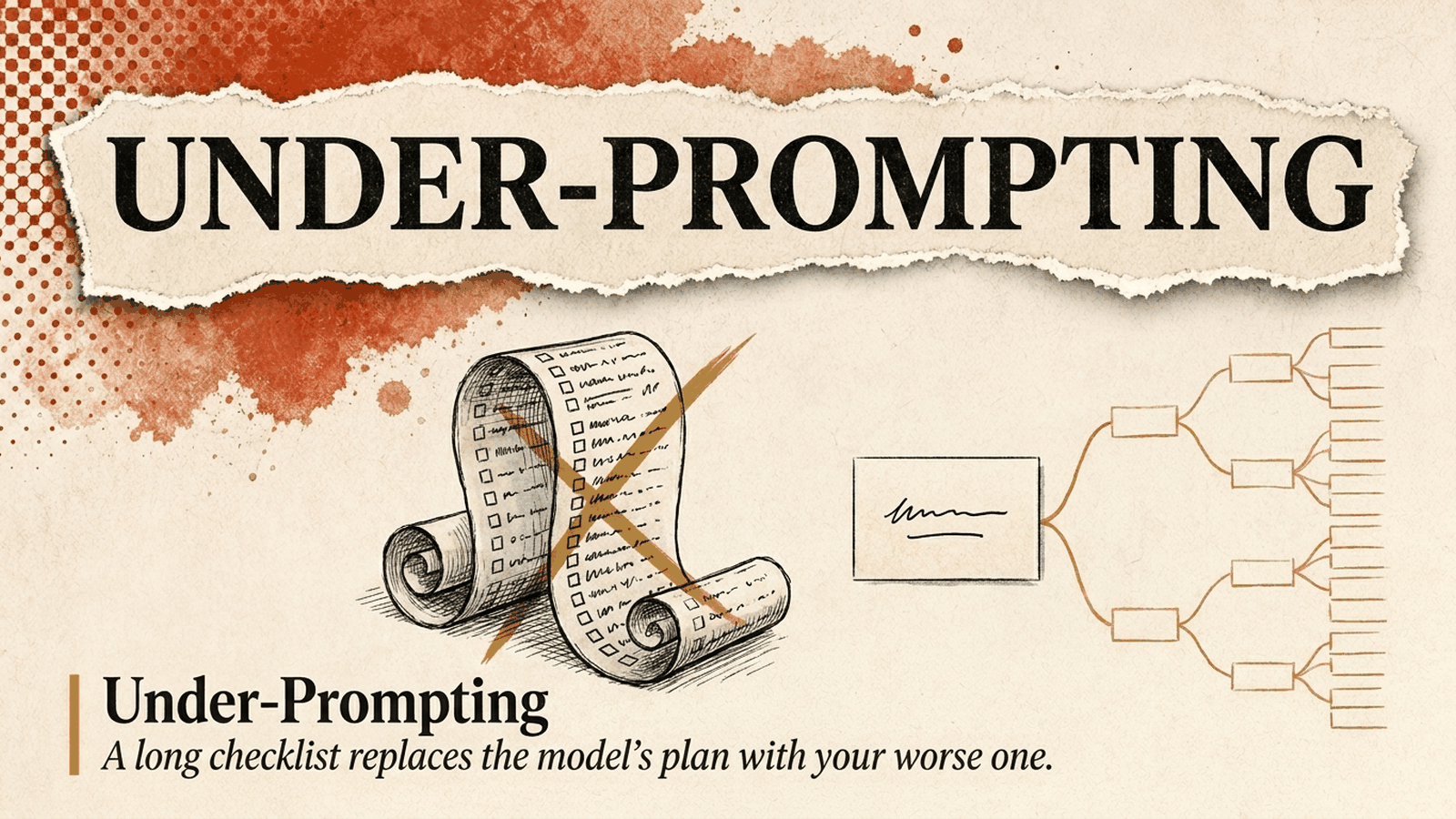
The other big "unlearn" is instruction density. The giant rule-lists you wrote for older models now make answers worse and cost more.
OpenAI's own GPT-5.6 guidance (internal testing, as relayed)
Swap abstract tone words for concrete behavior too: "friendly" gets ignored; "name the customer's problem in your first line, give the fix as numbered steps, skip the apology paragraph" lands.
The scaffolding itself ages, not just your prompts. Anthropic removed roughly 80% of Claude Code's system prompt for the Claude 5 generation with no coding-eval loss — a signal that the skills, instruction files, and rule-stacks you wrote for weaker models now over-constrain a model that reasons better from surrounding context than from rigid rules. The principle is progressive disclosure: surface an instruction only when it's relevant instead of front-loading everything. A major release is a reason to prune the harness, not extend it.
Raise your ambition, then loop against a hard bar
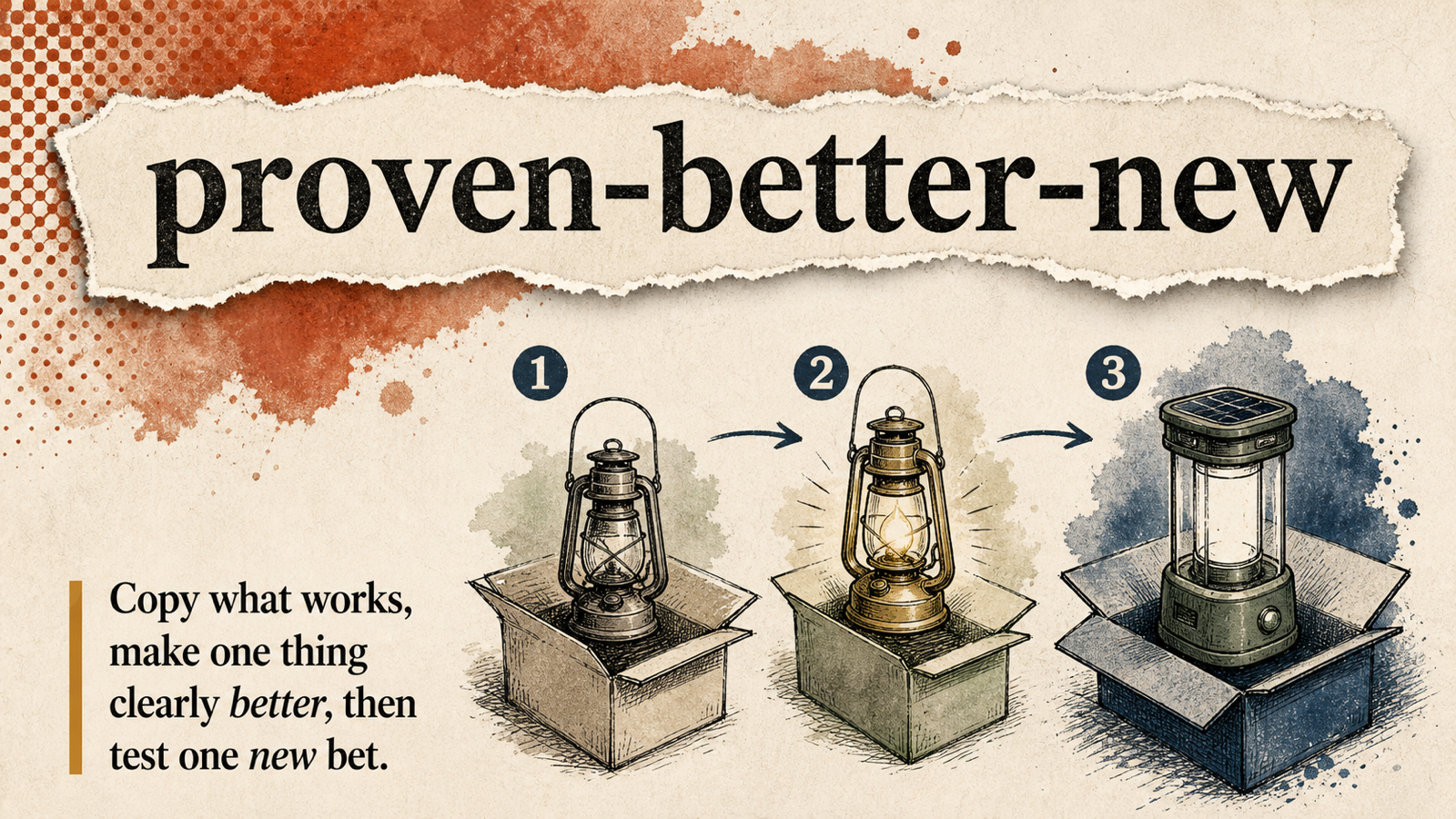
The biggest unknown after a jump is how good the result could now be. Christine Zhu's unlock was moving the model to "higher leverage work, hard tasks I didn't trust Claude with before." Deliberately point a new model at bigger work than you trusted the last one with.
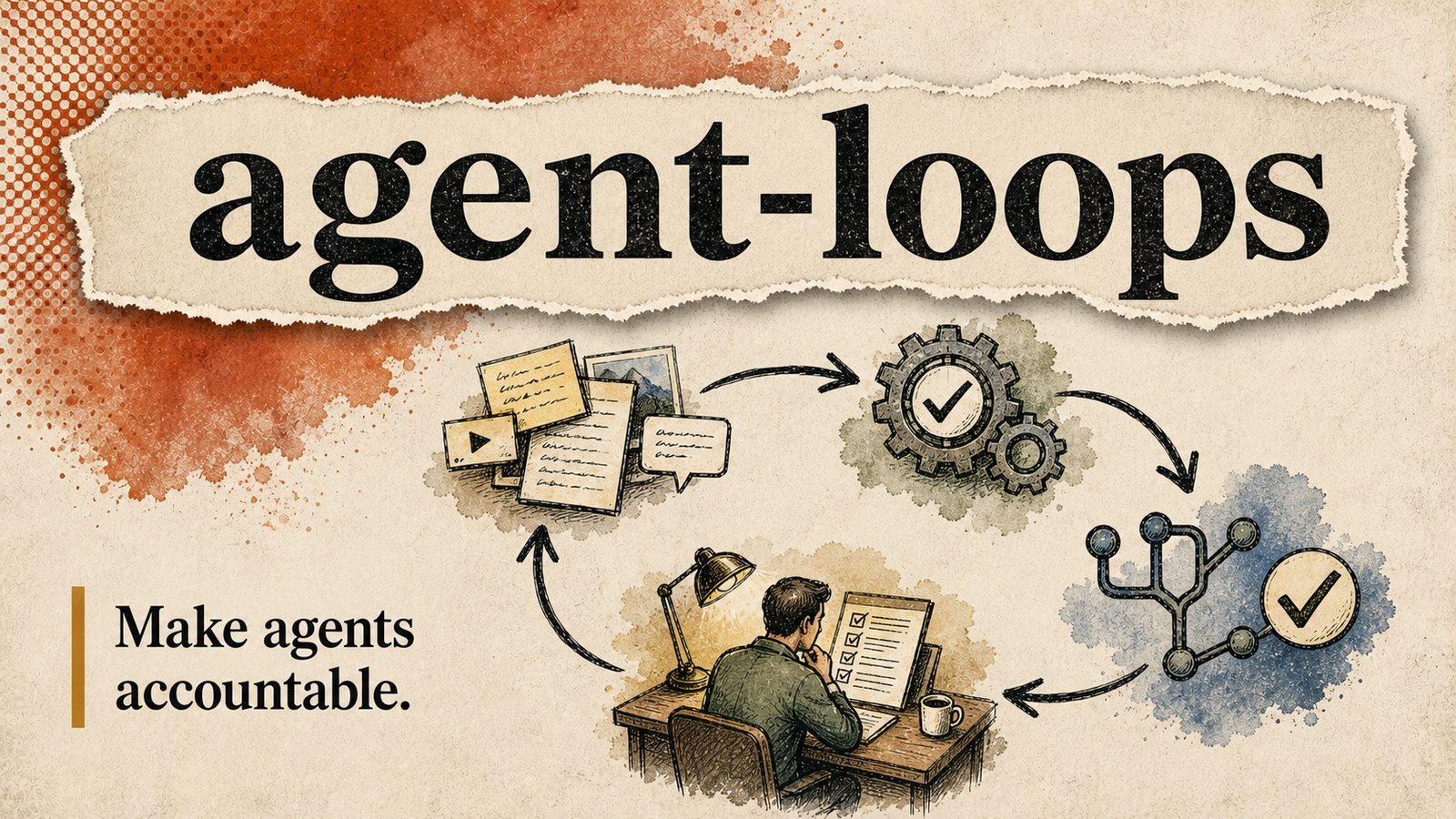
Then hold it to a checkable standard. Matt Shumer's rule: don't hand the model an adjective like "high quality" — it stops at its own idea of good enough, which is lower than yours.
The whole point of the loop is that Fable never gets to decide it's finished. There's always a next gap.
Matt Shumer
It's a re-onboarding event for the whole team
A model jump ages your stored context, not just your live prompts. Daniel Miessler re-runs meta-prompts at each intelligence jump to purge stale instructions from AGENTS.md and profile files — a workaround written for a weaker model becomes dead weight, sometimes actively harmful, on a stronger one.
The escalation: if one release resets your prompting, it resets every teammate's habits and every shared harness file at once. Left implicit, half the org keeps driving the new model like the old one and the capability gain never lands. Treat a major release the way you'd treat a sharp new hire everyone works with — a deliberate, org-wide relearning pass on prompts, boundaries, effort settings, and stored context — not a silent version bump.