TL;DR
The short version
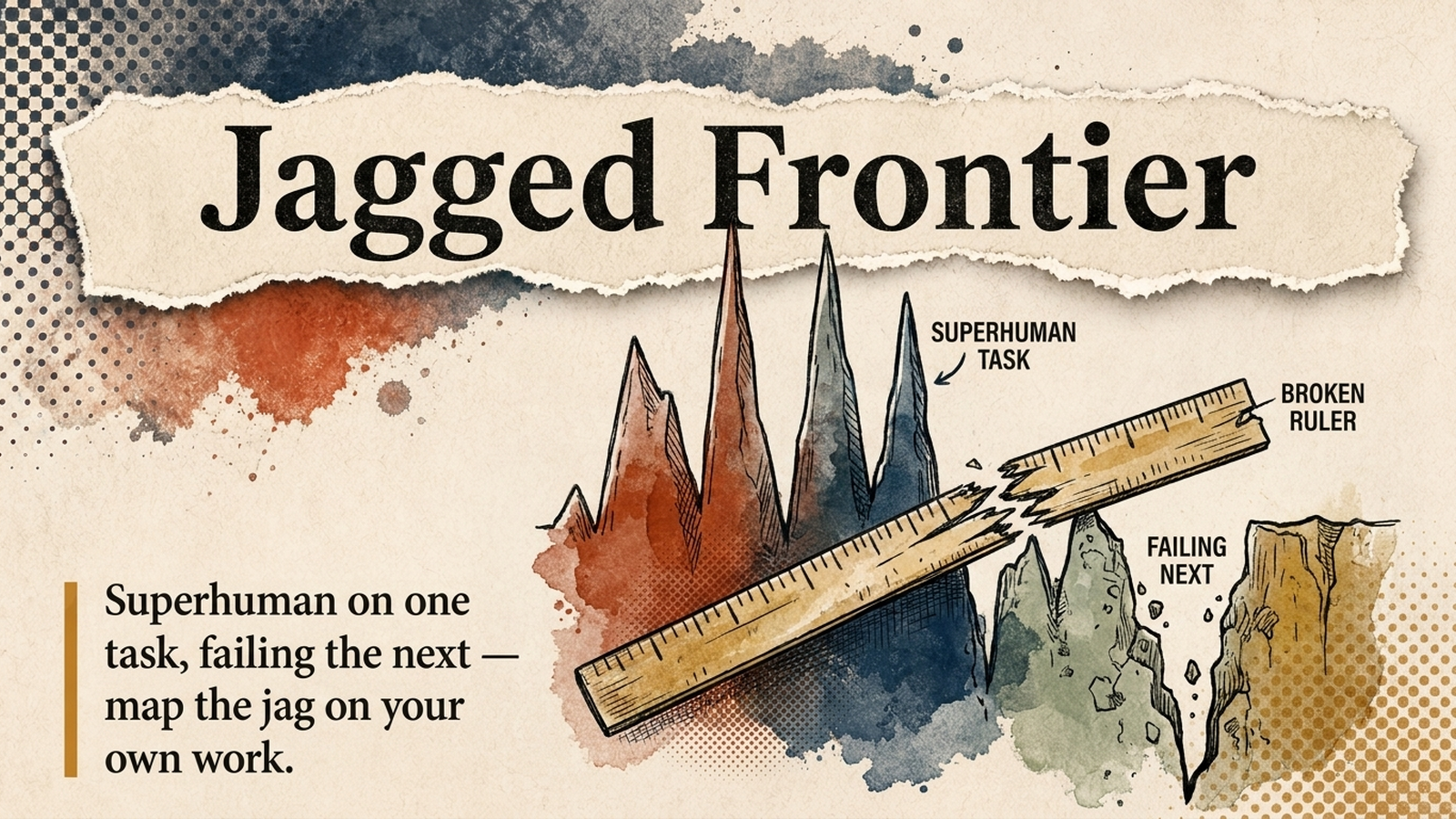
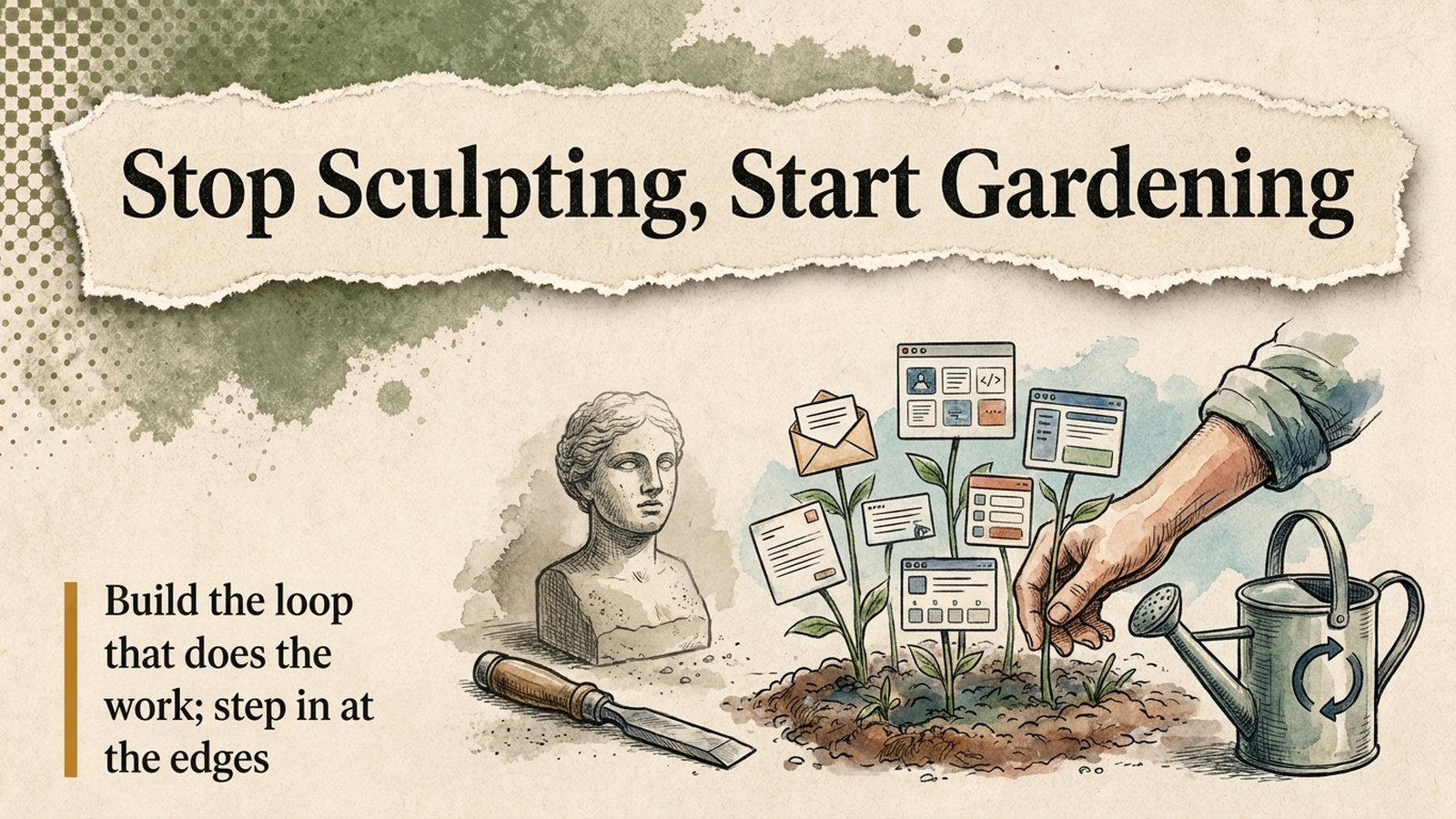
During an AI capability revolution, asking one team to both explore the frontier and execute a coherent roadmap pulls them in opposite directions. Exploration is divergent and mostly disposable; exploitation is convergent and customer-facing.
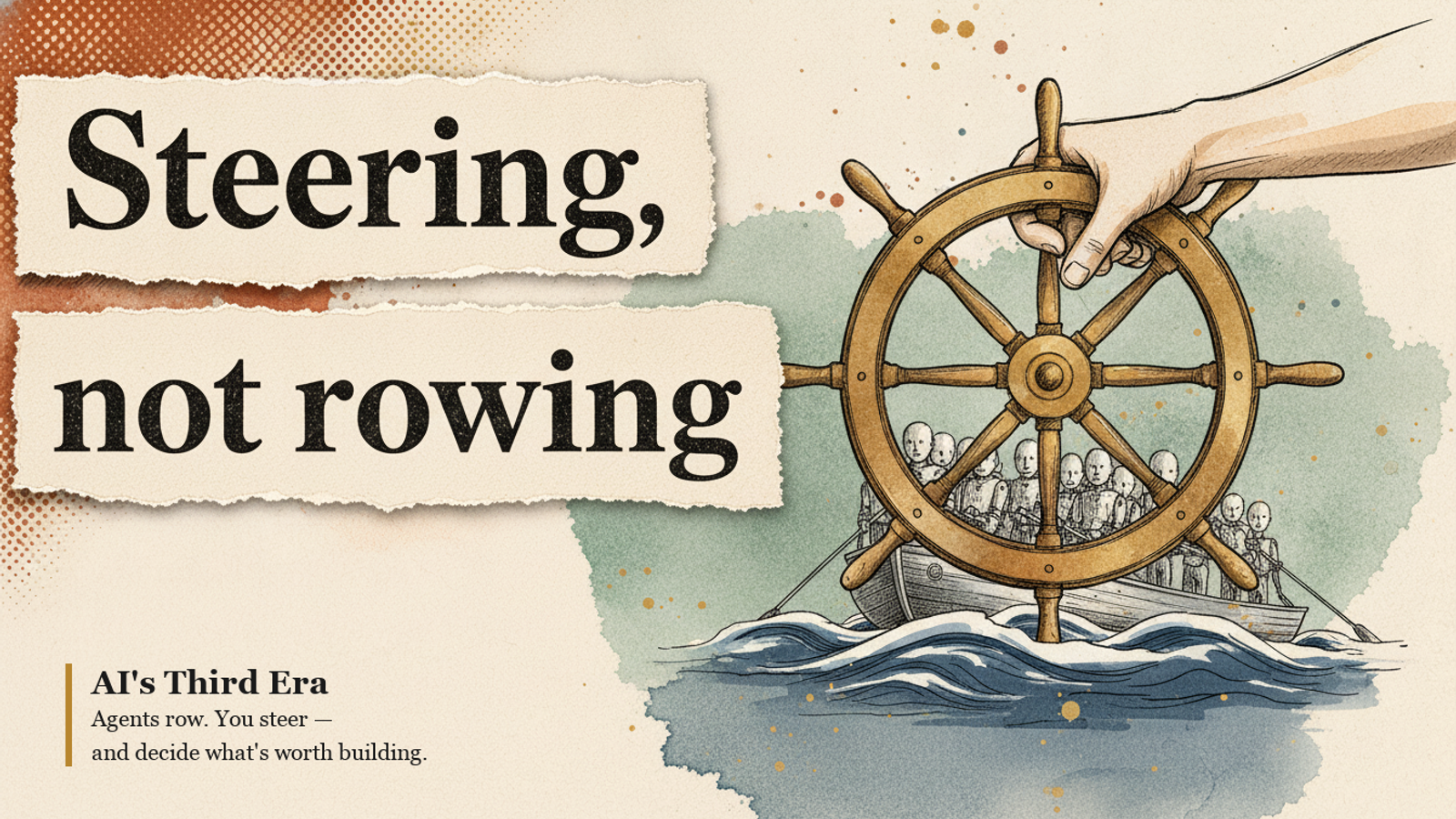
Dan Shipper (Every), speaking at the Lenny & Friends Summit, argues for a tiny labs function — even one person — that harnesses early adopters, runs parallel experiments, and feeds winners into product through a research pipeline with clear promotion gates.
Based on Dan Shipper's talk on Lenny's Podcast (published 24 Sep 2026; recorded at Lenny & Friends Summit).
Explore and exploit don't share a calendar
When a frontier model drops, demos explode and half the org starts living in the new capability while the other half tries to protect a roadmap customers already understand. Shipper names the tension: exploration is divergent; exploitation is convergent. One group cannot do both well at once.
If you want to explore the frontier, you're exploring. That's divergent. [...] Exploiting is very different. You're converging.
Dan Shipper
His rule of thumb for expectations: labs should expect to throw away roughly 90% of what they try; product should expect to adopt roughly 10%. Those ratios are an operating heuristic, not a study — but they force honesty about divergent work.
A labs team of one, pirates and architects
Identify the early adopters already running new models on weekends. Put them on labs so everyone else can stay focused. AI makes the structure cheap: a labs team of one can be enough on model-drop week.
Prefer a two-slice team (one or two people) over classic Amazon two-pizza teams. Pair a pirate who sprays messy experiments with an architect who turns a winner into something extensible. Dogfood in real work so you can tell useful from merely new. Run competing experiments in parallel on the same problem — when the frontier is unknown, multiple angles map it faster than one coherent bet.
Pipeline over pile of demos
Ideas move left to right: lab-only → internal adoption → early customers → main product. At Every, Shipper's multi-year attempt to automate copy edits for editor-in-chief Kate ("Kate bench") only graduated when capabilities caught up. An agent trained on her historical edits now files suggested changes; an architect added a dashboard. Shipper reports about 12% less remaining edit work month-over-month — an internal metric — and that signal unlocked talk of early customers.
Promote when people use it and return, when it's roughly 10x better after novelty fades, and when you can afford it at scale. Review the pipeline weekly so product can plan implications without scrambling into their own demos.
External proof — with one corrected number
Shipper points at Anthropic Labs (Claude Code, MCP, Skills) and OpenAI's Codex path: a small team shipped a desktop coding app in February 2026 that was later merged into ChatGPT's desktop experience. The pattern holds — tiny experimental groups can reshape the flagship.
One figure to fix: he called ChatGPT an "800 million daily active user" app. OpenAI's public milestones put ~800 million as weekly users (October 2025), with later reports nearer ~900M weekly. The org lesson survives the correction.