TL;DR
The short version
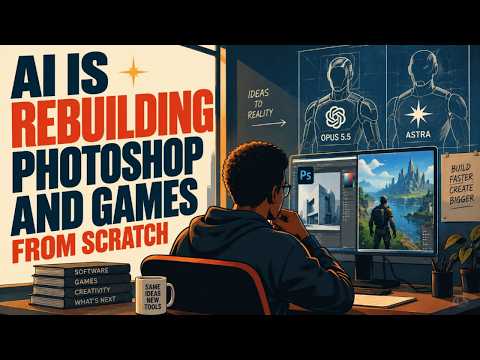
The latest model jump (Astra and Opus 5.5) has made decompiling and rebuilding software cheap enough for one person to try. A Claude-built Photoshop clone rattled Adobe, and AI-rebuilt games are spreading fast.
On The AI Daily Brief, Nathaniel Whittemore argues enterprise SaaS likely holds because it sells support, not code. Games face real disruption, and legacy firms are splitting between lawyers, labs, and AI-first rebuilds.
Based on Nathaniel Whittemore's 16 Oct 2026 episode of The AI Daily Brief, with deal and market claims checked against company filings and news reports.
A one-person Photoshop clone
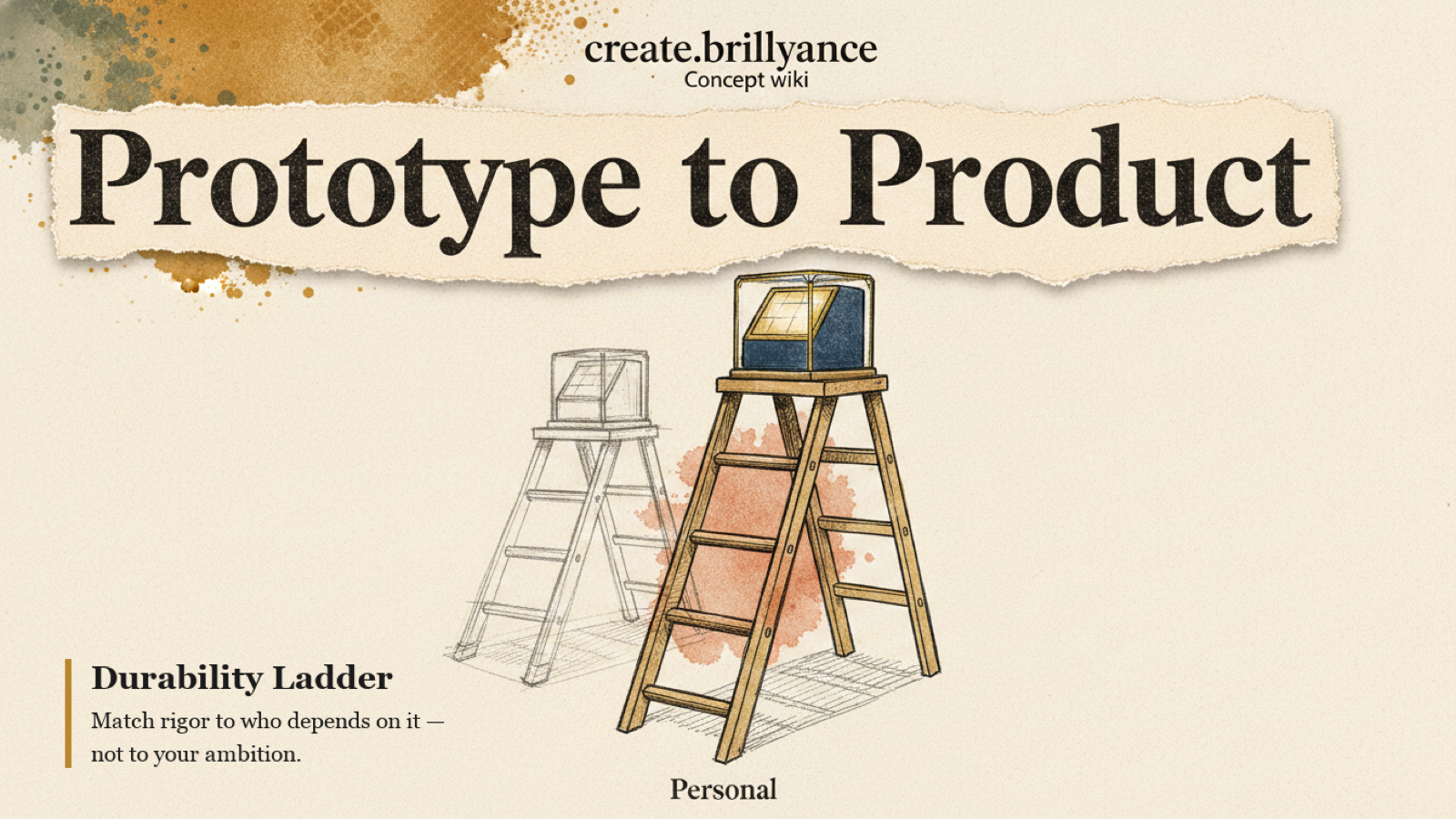
Developer Brandon Thomas posted "Software is over" after using Claude to build ArtCraft, an open-source clean-room rebuild of Photoshop and then much of Adobe's suite (Ars Technica). In a clean-room rebuild, one team documents a program and a second team rewrites it without ever seeing the code. That used to be slow and expensive. Now one person can try it.
It's still early alpha, but HSBC downgraded Adobe anyway, citing the free alternatives (Investing.com). On All-In, Chamath Palihapitiya argued that once services go headless (APIs wrapped as agent tools over MCP), the code stops being the moat.
Why enterprise SaaS likely holds
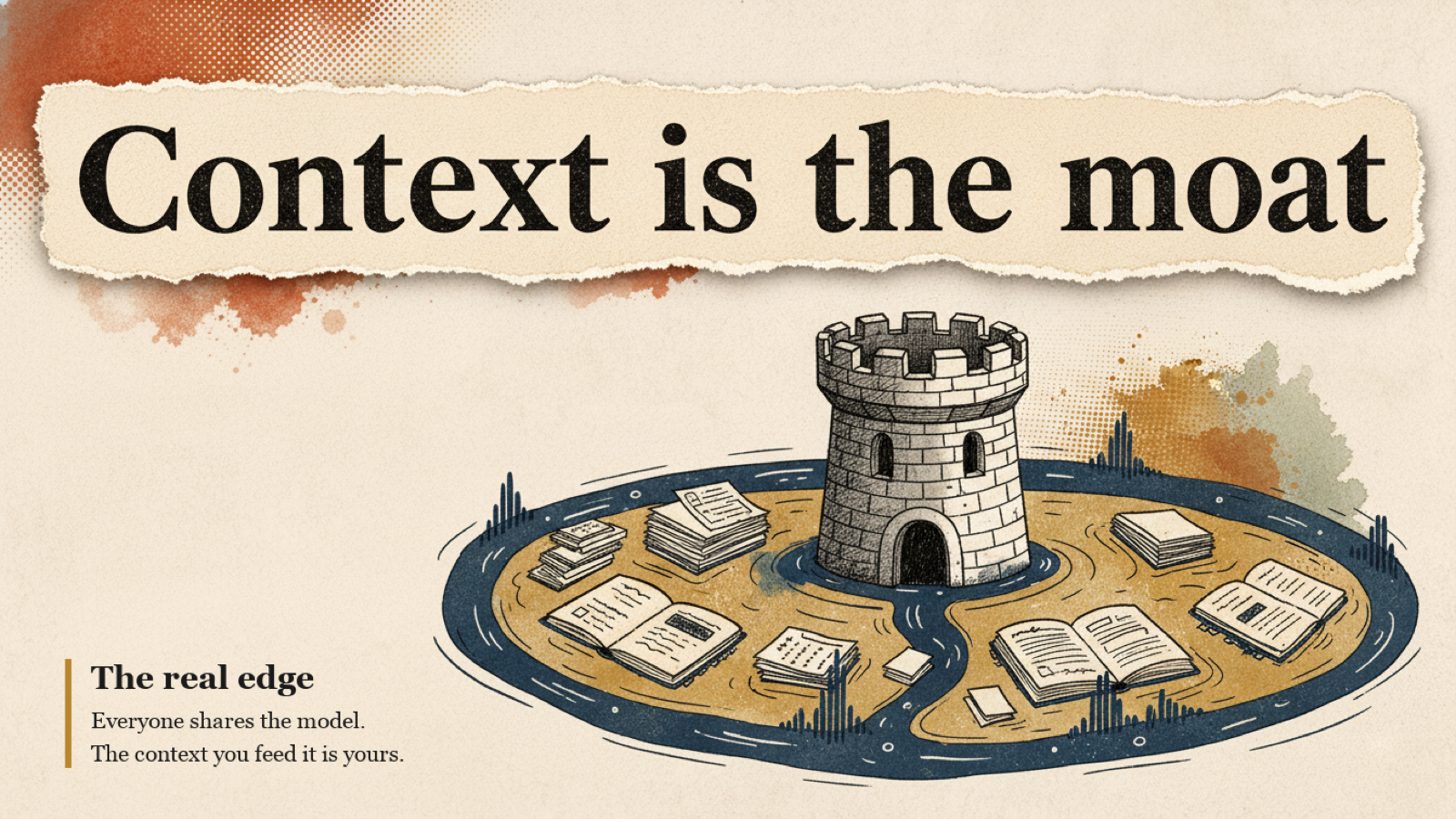
The reality is of course that most SaaS companies aren't selling the software, they're selling the support that goes around it.
Nathaniel Whittemore, The AI Daily Brief
An IT procurement manager pays a monthly fee to offload maintenance, updates and accountability. Whittemore calls this a rerun of the vibe-coding narrative, when some companies briefly thought they'd prompt their own CRM and then quietly went back to Salesforce.
The legal risk is still there too. "Clean room" is evidence against copying source code, not proof the clone is legal. Patents, terms of service and trade dress still apply (Plagiarism Today).
Games are the real test
Games are more exposed. AAA is in a downturn, and the standard PS5 now costs $650, up from roughly $500 at launch (Bloomberg). Bloomberg Intelligence expects cloud streaming to reach about $38 billion and consoles to shrink to an enthusiast niche (Bloomberg Law). The bull case goes further: if a model can build the exact game a player wants, why buy from a studio at all?
Studios are splitting. Epic told the team on a delayed Disney shooter "no more hand-written code," with art from full AI workflows (Ars Technica), then shipped a "vibe coded" launcher with visible glitches. Xbox went the other way. CEO Asha Sharma's memo named the wave of decompiled games directly and launched Xbox Labs to build openly around it (Xbox Wire).
You can call the lawyers or you can start a lab and embrace it.
Christian Catalini, MIT, quoted on The AI Daily Brief
Buy the incumbent, rebuild it with AI
A third response is financial. Ithaca Holdings agreed to take Bumble private for $1.3 billion, betting that human connection gets more valuable as intelligence gets abundant (Bumble). Bending Spoons, which refurbishes brands like AOL, Vimeo and Evernote, took a further $330 million from Berkshire Hathaway, lifting Berkshire's stake to 4% (SEC filing). David's Bridal is rebuilding itself as an AI wedding planner on top of its customer data. Its president says about ten people built what once needed more than a hundred.
Boundary: ArtCraft is alpha software, the Bumble and Bending Spoons bets are unproven, and the solo-studio claims are X posts, not shipped titles. Whittemore himself warns against rapid-change forecasts.