TL;DR
The short version
On Claire Vo's How I AI bench, Meta's Muse Wonder was her favourite model for agentic work and assistant voice, fine for back-end code, and well behind on design and creative tasks. Use it as the agent or orchestrator, not the designer.
In Is Meta's Muse Wonder model any good?, Claire Vo runs close to 20 tasks — prototypes, agentic workflows, coding, writing and creative — judged first by an LLM, then by her.
Built on Is Meta's Muse Wonder model any good? (14 Oct 2026) from How I AI. Rankings are Vo's own first-look bench, not a published benchmark.
Where it wins: agents with traps
Wonder was Vo's favourite across all four agentic tasks: resolving a billing ticket with computer use, writing a customer reply, triaging an inbox, and long-running research in an assistant's voice. It ranked first outright on back-end feature work, inbox triage, computer use and email batching.
Her billing ticket is worth copying as a test. Inside an admin app the agent meets a ticket linked to the wrong account, a refund that turns out to be a duplicate, and a prompt injection planted in the instructions. Wonder fixed the account link, issued the correct refund, made the plan change, replied and marked it solved — the best run of the group.
If you're thinking about how to test like what is a good agent, I think figuring out how to navigate a complex SaaS app and resolve a complex kind of like customer problem is a great one.
Claire Vo on How I AI
The other strength was voice. She scored its short emails five out of five and put its assistant voice close to Sonnet's. That fits Meta's pitch of Active Memory and Active Focus — remembering what matters and keeping a hard task going (Meta).
Where it is fine: back-end code
Coding was in the pack. Wonder topped her back-end feature task and held up on a code audit, though she ran only two coding tasks and drove the model headless from Claude Code rather than Meta's Muse Code. Viable for back-end work and architecture review; not a reason to move her coding workflows.
Others found more weakness: on Dan Shipper's senior-engineer rewrite benchmark, standard Wonder scored 52% to GPT-6.1 Sol's 71%. Two small coding samples do not settle it either way.
Where it falls off: design and creative
Prototypes got about 80% right and then broke: buttons that did nothing, a dev tool built in light mode after she asked for dark, and a ChatGPT-site redesign that ignored the brand guidelines it had. Across apps it produced the same generic look — what Vo calls fat serif fonts and rounded-corner slop. She judged these more harshly than the LLM judge did, a warning about machine-judged design scores.
Creative work trailed too. Its SVG illustrations were fine but seventh of eight, and its short-form video edit nailed the cuts but botched overlays and audio for two out of five.
How to route it
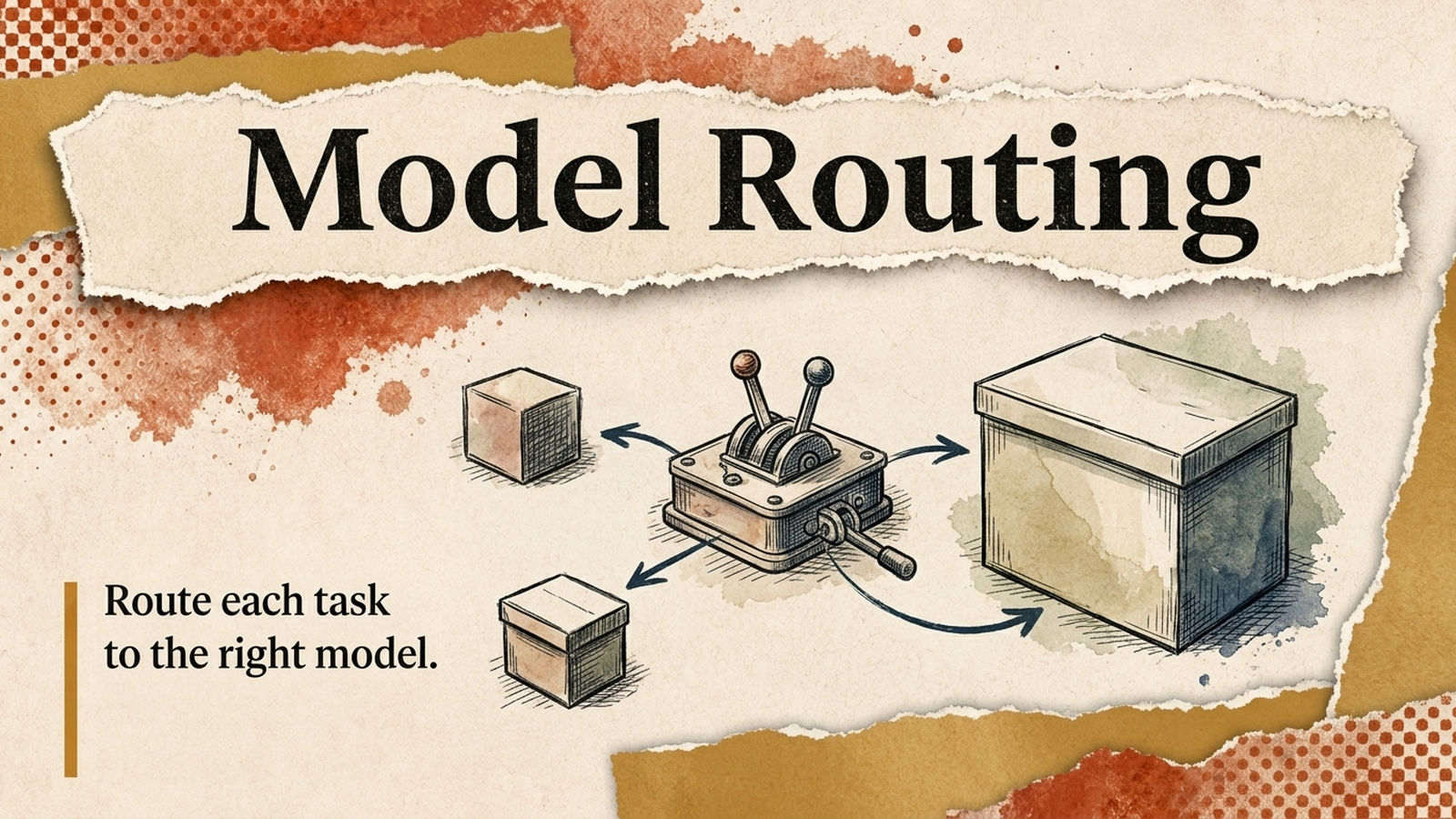
Speed splits the same way: one-shot tasks are fast, agentic runs take longer, possibly Active Focus at work. In her words: little tasks, fast; long tasks, a little bit longer.
This is one bench and mostly one person's taste, and her work leans heavily on front-end design. The episode also does not say which tasks used Wonder and which used the larger Wonder Full.