TL;DR
The short version
When anyone on the team can point an agent at the codebase and ship a working feature, the scarce resource stops being engineering hours and becomes trust plus guardrails. The leader's job shifts from rationing the roadmap to backstopping what people already want to build.
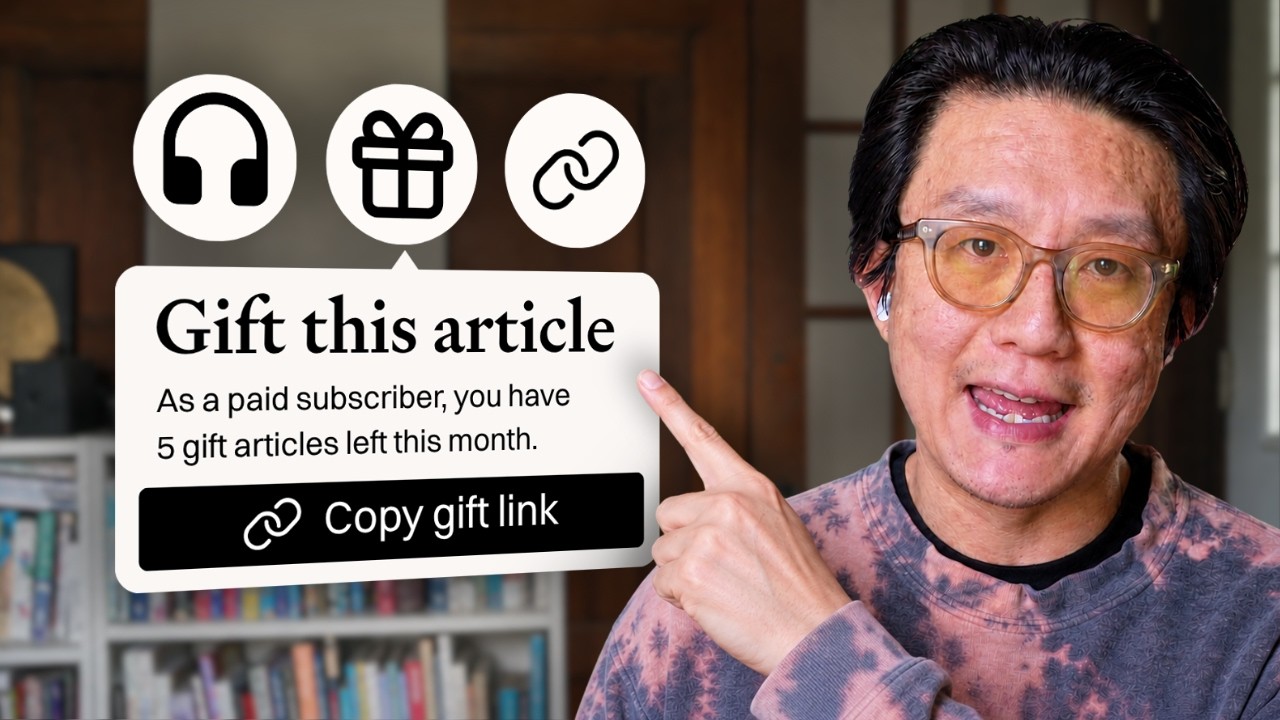
In a team roundtable, Every walks through how a senior editor shipped a paywall-free 'gift links' feature with Codex — no roadmap fight, no waiting on the one site engineer. The head of growth never had to win the priority argument; he just checked the change against the two constraints he owns and let it ship.
Built on a public Every roundtable with Dan Shipper (CEO), Austin Tedesco (Head of Growth), and Jack Cheng (Senior Editor). Verified digest in the project vault.
A feature that would never have made the roadmap
Jack Cheng is a senior editor at Every, not an engineer. He wanted gift links — the paywall-free share links that let a paid subscriber send a full article to someone who isn't one. He'd seen the pattern work on blogs like Jason Kottke's, and he ran his own newsletter where he kept wanting to share his Every pieces without the wall.
In the old world, that idea dies in a meeting. You pitch the head of growth. You argue for roadmap priority against every other experiment. You wait on the one engineer who owns the codebase and already has a full plate. Gift links are a P3 or P4 — a real want, never a priority.
Instead, Jack pointed an agent at the codebase and shipped it.
The pitch built itself
Before writing a line of code, Jack had ChatGPT run deep research on gift-link effectiveness and on what implementing it would take given Every's actual codebase — including what to track to know if it worked.
That one document did three jobs that used to be separate steps: the market case, the technical spec, and the measurement plan. He circulated it for buy-in. The artifact that used to take a cross-functional month arrived as a single report.
The leader stopped gatekeeping and started backstopping
Here's the part worth copying. Austin Tedesco, Every's head of growth, is on the hook for MRR and calls himself "an enormous control freak." He was skeptical gift links would make money. He still is. In the old model, that skepticism is a veto — the feature waits until it wins the priority argument.
He never had to have that argument. Jack brought the plan; Austin shared it with Codex and asked one thing: is this going to break anything, or give away a bunch of content I don't want to? Codex said no.
I'm backstopping it against the things that I really care about.
Austin Tedesco, Head of Growth, Every
That's the move. Austin didn't approve a roadmap slot. He named the two constraints he actually owns — don't break the site, don't bleed MRR — had the agent check the plan against them, and let it ship.
Cheap-to-try changes what's worth trying
The economics flip once building is cheap. A P3 feature that would never earn an engineer's week is worth shipping when the cost of finding out is near zero. "I'm so happy we never had to have that argument," Austin said. "Ultimately, what this allows for is to just let the data show us." If gift links convert free readers to paid, scale it. If redemptions don't convert, turn it off — and wiring up the tracking was itself an agent task.
There's a real cost the team names but soft-pedals: sprawl. If everyone ships, who maintains the twenty features non-engineers shipped, and who reviews the PRs landing on the site engineer's codebase? Austin voices the worry himself — the pull toward playing with everything and losing the main thing. The answer isn't "ship less." It's build the systems — guardrails, tests, tracking — that make shipping safe by default.
The minimum viable practice
For leaders: stop pre-approving units of work. Write down the constraints you're accountable for, make them checkable, and let people run at what excites them inside those lines.
For everyone else: the confidence to ship at work is built on personal projects first. Shipping a PR to the company site is scary — Jack still braces every time. So practice where it's safe. He built his own version of Codex and his own CMS to try new models and tooling. "If it feels too scary to ship a PR to the website for your company, play around with a personal project." The reps are what let you do it in front of people later.