TL;DR
The short version
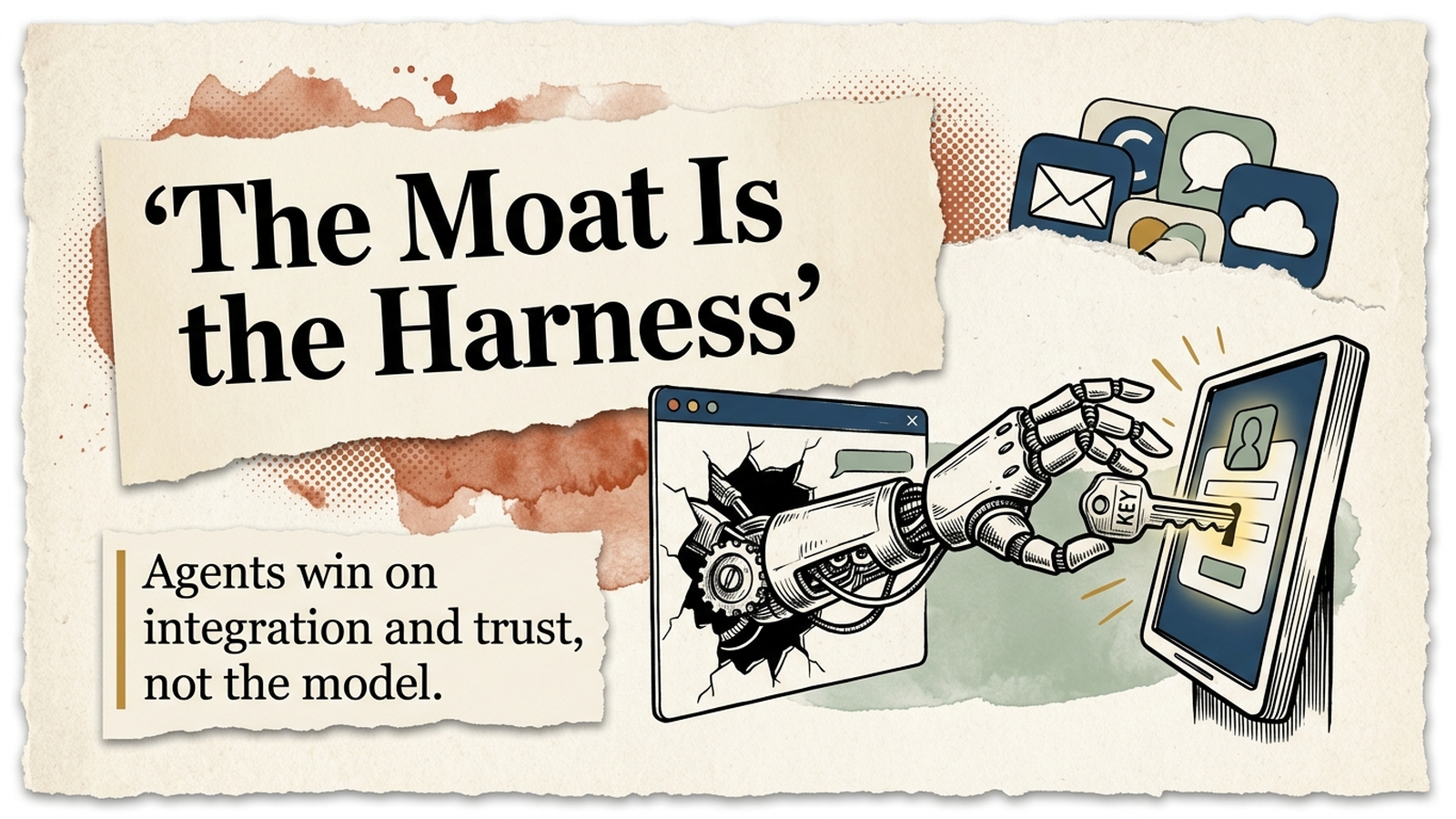
For two years the honest answer to "can AI do this task?" was often no. That's changed. The wall now is context — the model doesn't know how you do the task, on your tools, to your standard.
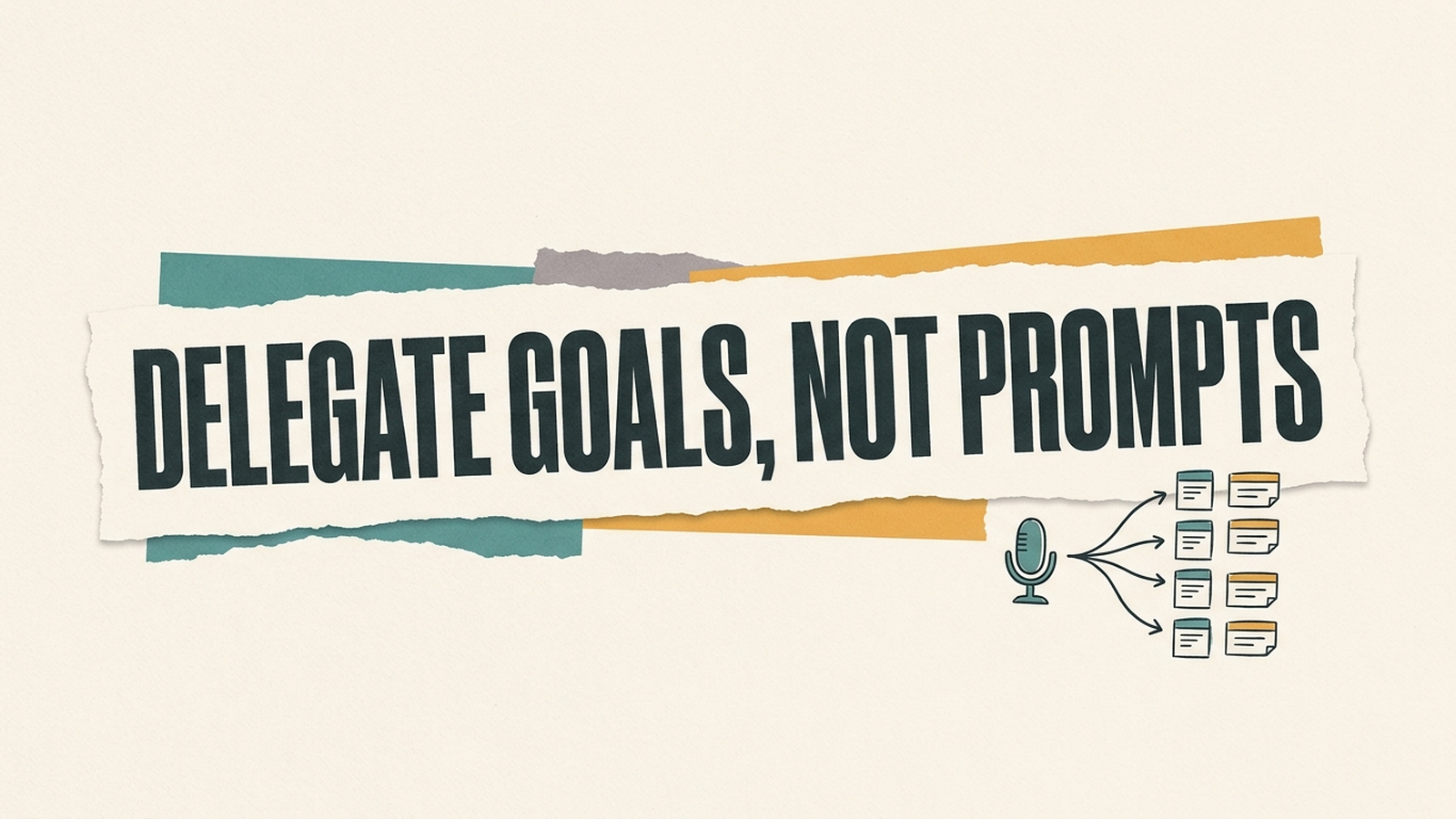
So the work is yours: decide what to teach an agent, and teach it well. On The AI Daily Brief, Nathaniel Whittemore offers a five-part filter for which tasks to hand over — and a warning about the one cost nobody budgets for.
Built on The AI Daily Brief with Nathaniel Whittemore (16 Aug 2026).
The constraint moved from capability to context
When capability was scarce, you waited for the model to get good enough. Now the models are good enough at enough things that capability is rarely the wall. What they lack is context — how you work, on your tools, to your standard.
Two products that shipped this month aim squarely at that. Grok Bot lets you record yourself doing a task once and turns the recording into a reusable skill an agent can run. ChatGPT's new "computer history" watches how you work over time and remembers it. Different mechanisms, same move: teach by showing instead of prompting cold.
That changes the job. When context is the constraint, deciding what to teach — and teaching it well — is the work.
Which work to hand over
Most people pick the wrong first task. They automate something rare and important, get burned when it goes sideways, and conclude agents aren't ready.
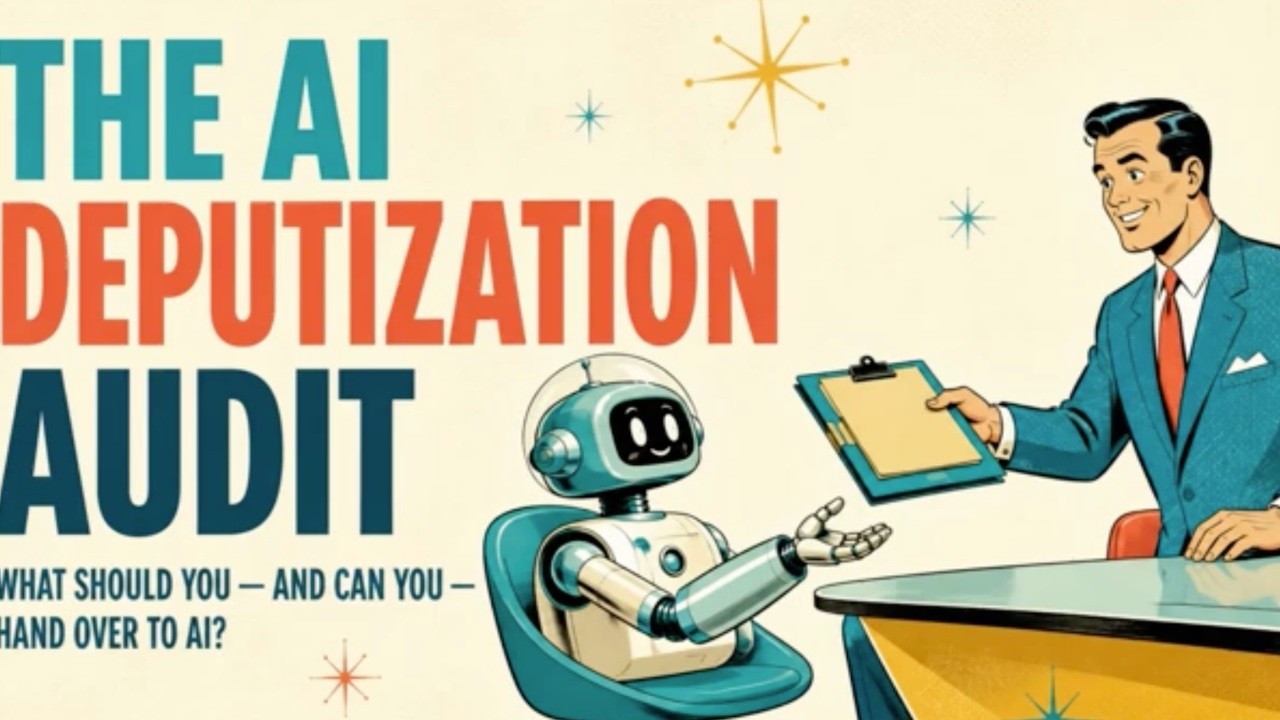
The work best suited for AI deputization is frequent, time-consuming, teachable, easily verifiable, and doesn't require you to have been the one to do it to be successful.
Nathaniel Whittemore, The AI Daily Brief
Two of those five carry most of the weight. Verifiable is the one people skip: if you can't cheaply check whether the output is right, an agent's mistakes compound silently, and the time you saved is borrowed against a bill you can't see coming. Tasks where correctness is obvious at a glance are safe to delegate; tasks where it isn't are where you stay in the loop.
Doesn't require you personally is the ego check. Plenty of work feels like it needs your judgment when it actually needs a documented process. If the only reason it needs you is that the process lives in your head, that's a reason to write it down and hand it off — not a reason to keep it.
The pattern that's emerging
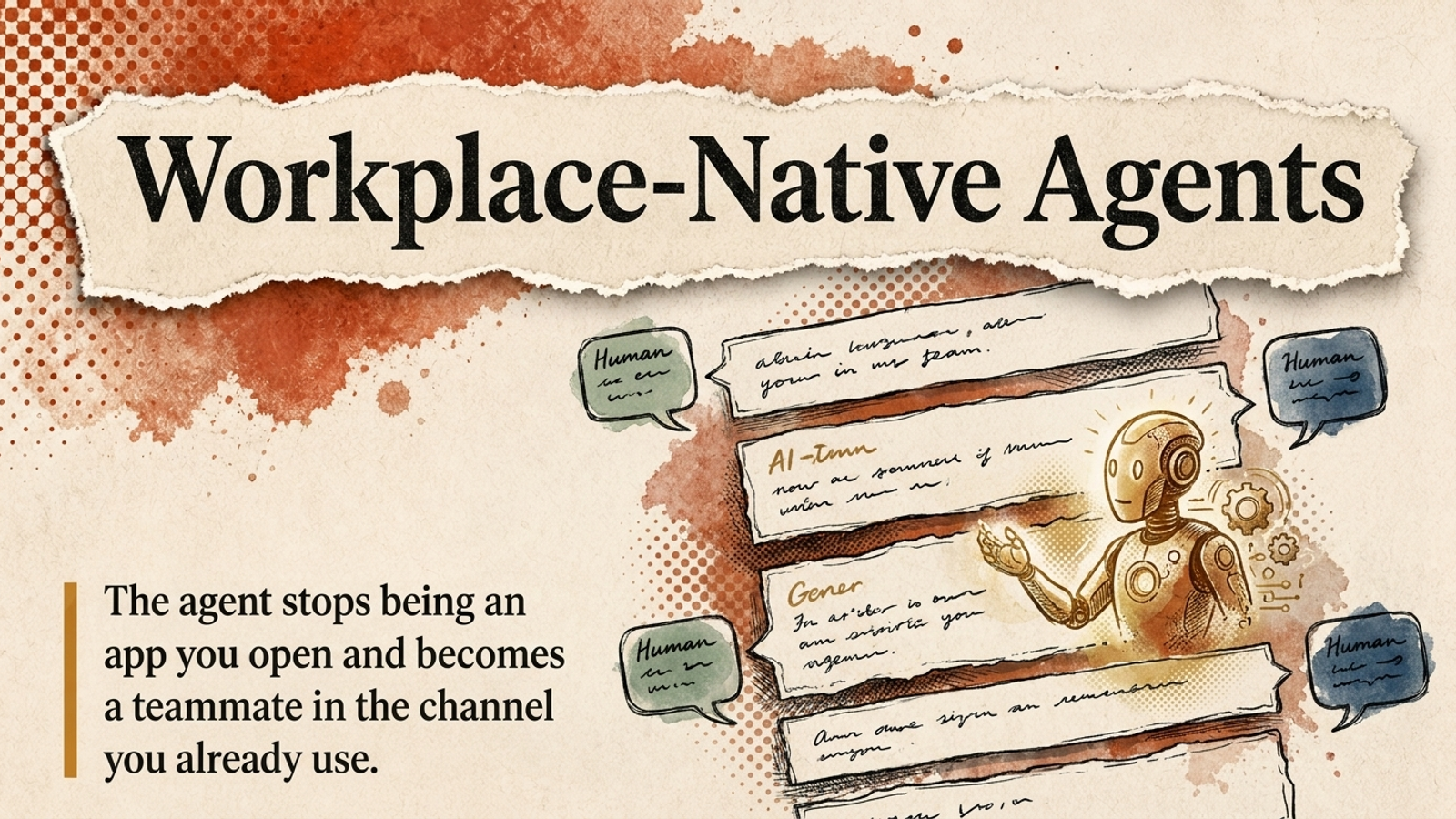
Early users aren't building one assistant that does everything. They're spinning up a bot per task and coordinating them through a single "chief of staff" agent — topic per bot, one coordinator. It keeps each agent's job narrow enough to teach and to check, which is exactly what the filter asks for.
If you want a first task, the standard starting point is the morning brief: an agent that reads your inbox and Slack overnight and hands you a digest. It's frequent, tedious, easy to verify, and doesn't need your judgment to assemble. It now takes about a minute to set up.
The cost nobody budgets for
The real cost isn't the tooling. It's the hour you spend changing a workflow you already have dialed in.
High-productivity people have their process so tuned that stopping to rebuild it around an agent feels like a step backward — and in the short term it is. You lose time this week to save time every week after.
Start with something you can check. Teach it once. Watch what it does before you trust it. Then pick the next task on the list.