TL;DR
The short version
A year ago, plenty of companies still hoped AI was a fad. That bet is settled. The useful question is no longer whether AI works — it's how to run it well, and every honest answer creates fresh work.
In a weekend AI Daily Brief, Nathaniel Whittemore surveys the second-order problems agentic AI creates — recurring token costs, AI slop, and a slow erosion of expertise — and the fixes leaders are shipping in public to solve them.
Built on Nathaniel Whittemore's The AI Daily Brief, drawing on essays from EY, BCG, KPMG, Clay, and OpenAI CFO Sarah Friar.
Productivity is jagged, and that's normal
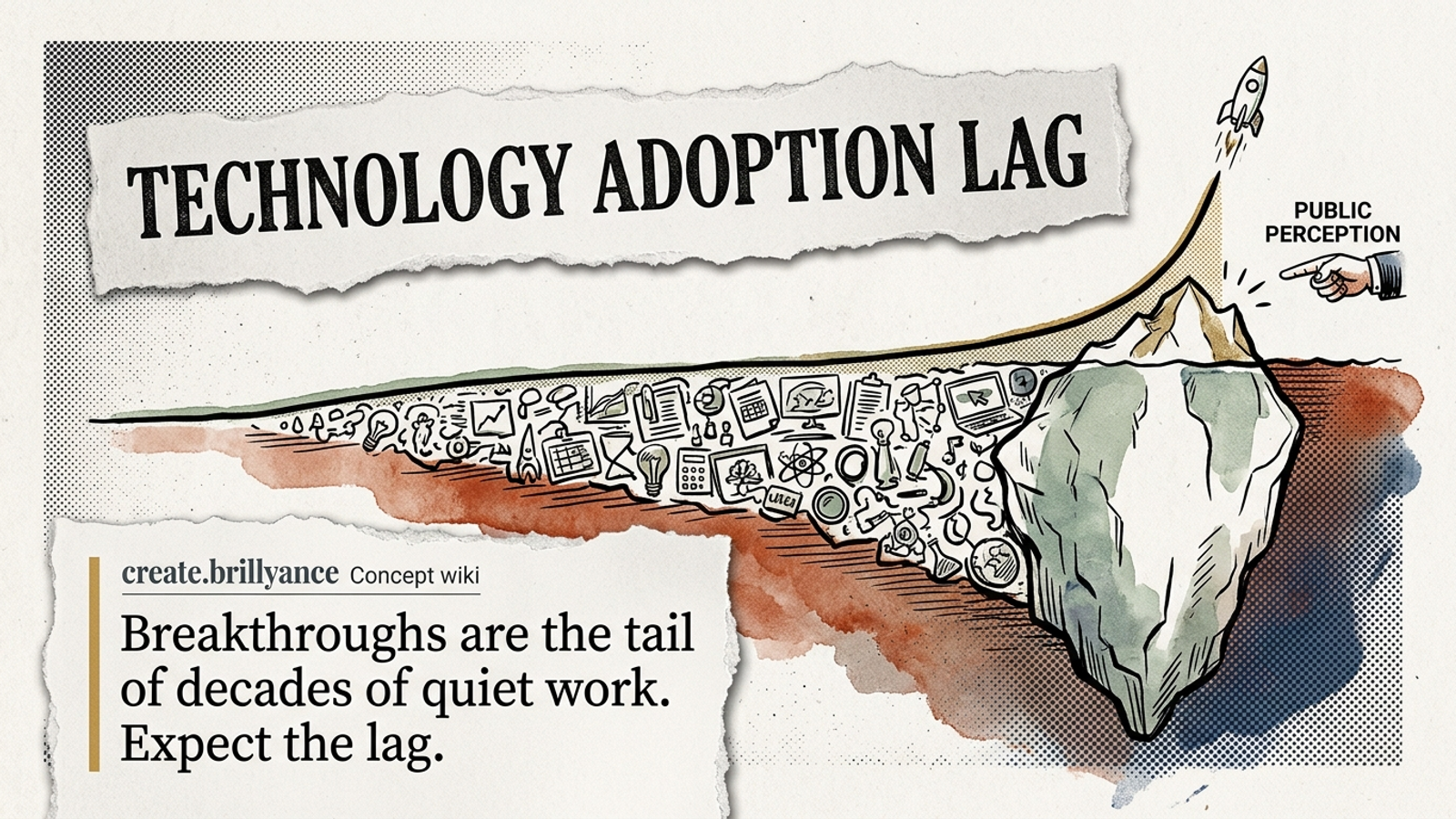
An EY essay names three misconceptions worth retiring. The first: that AI produces an instant productivity boom. History says the lag from a general-purpose technology to measurable aggregate productivity is long.
EY, framing consistent with the classic productivity paradox
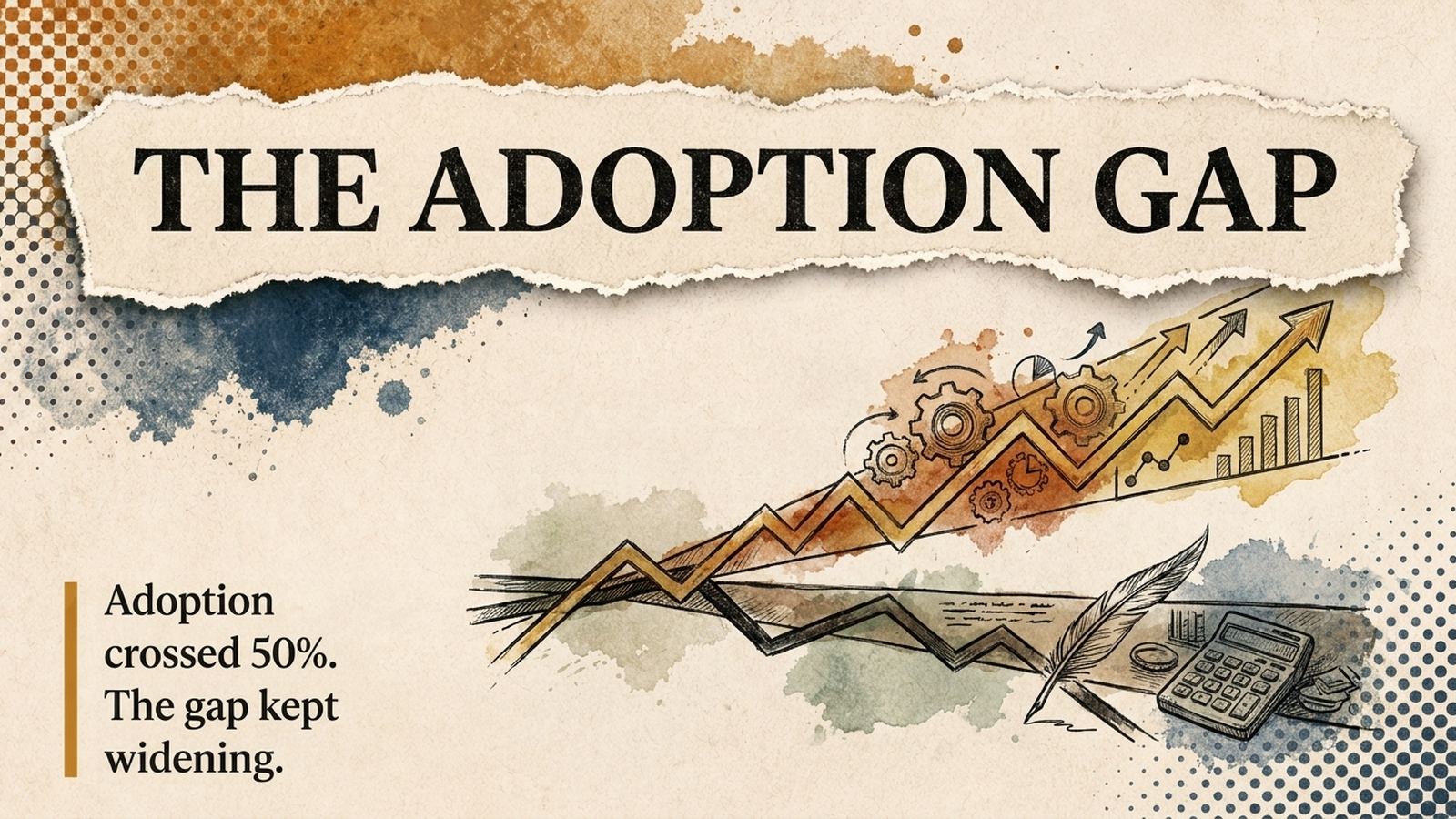
Inside a company the pattern is subtler. AI's gains are jagged, like its capabilities: some tasks get an immediate lift, others stay stubbornly manual, and the new work of integrating agents often backfills the time just saved. That isn't failure — it's a transition, and the leaders doing well have stopped lamenting the gap and started working the problems one by one.
AI stopped being software and became labor
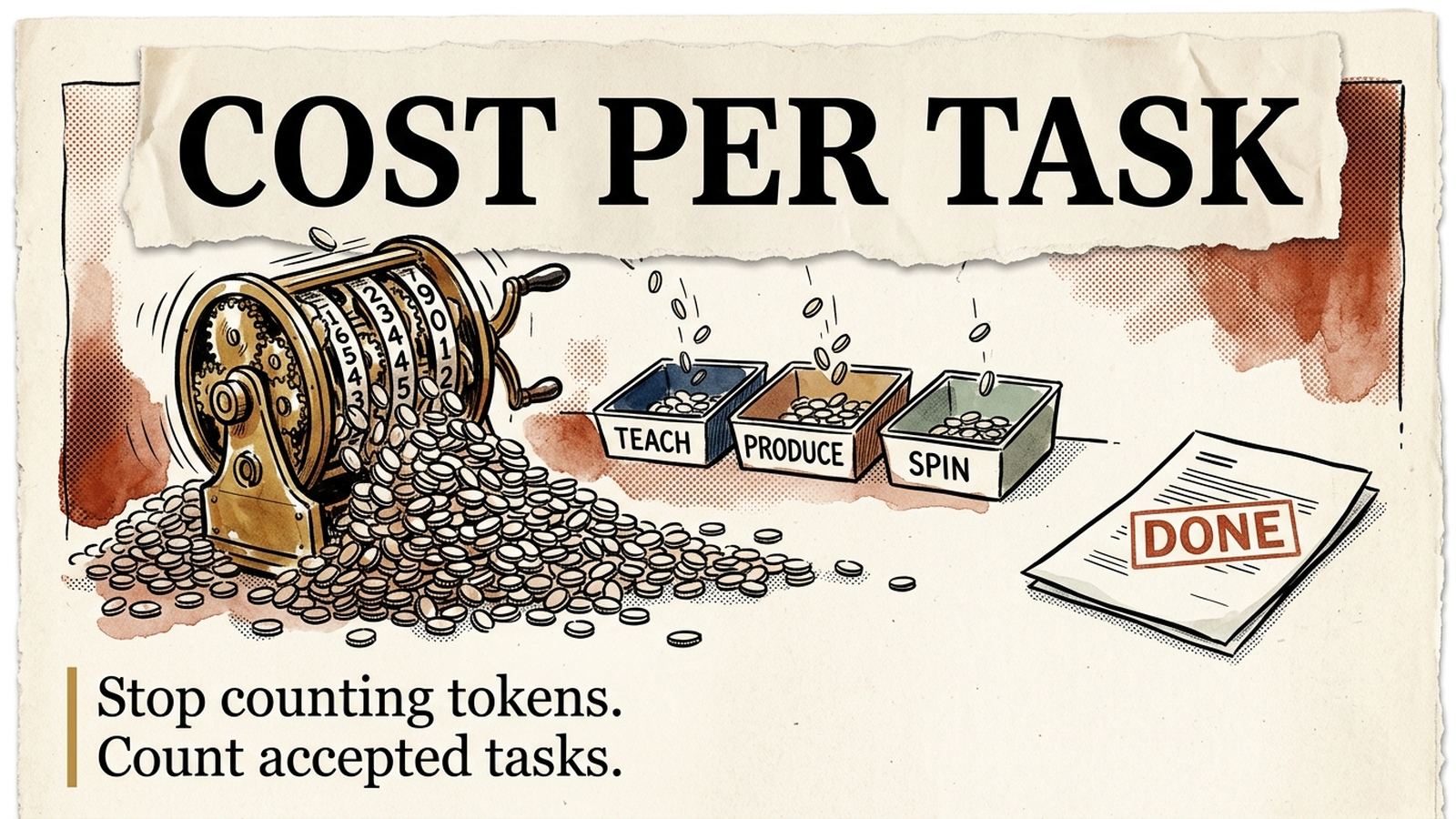
EY's second retired misconception: that AI is nearly free. Unlike a SaaS seat, AI "carries a meaningful marginal cost every time it is used." Every prompt burns tokens, compute, and electricity, and several firms have exhausted annual AI budgets in months.
So the model to copy isn't a per-seat license — it's capital allocation. That's why token budgets and usage caps are appearing, not as panic but as governance. The balance runs both ways: token maxing is wasteful, but token minimizing is worse. Section CEO Greg Shove's advice to CEOs is to keep making deliberate bets, pick one "lighthouse" team and 10x its investment, and build a path for people to request more budget when they've earned it.
Norms adapt faster than tools
The flood of mediocre AI writing is a real problem, and the fix is turning out to be social, not technical. LinkedIn now lets readers flag a post as AI slop; companies are writing policies of their own.
Clay's is a good template. It doesn't ban AI — it sets four principles: stand behind every sentence, remember that writing is thinking, spend more time writing a document than readers spend reading it, and accept that longer isn't better.
If you're producing docs from a short prompt, consider just sharing the prompt.
Clay's internal AI-writing policy
It's an injunction against laziness, not against the tool.
Measure value per unit of intelligence
OpenAI CFO Sarah Friar's account of building an AI-native finance team offers the cleanest operating metric going: value per unit of intelligence. Seats bought and tokens spent tell you almost nothing. For each workflow, ask four questions — did AI complete work that mattered, what did it truly cost (including review and rework), was the result good enough to use, and did it help you move faster or decide better?
Her second lesson matters as much: professionals are becoming builders. Finance staff now assemble their own live dashboards on the business's data instead of shipping static spreadsheets. The durable asset isn't the model you rent — it's what BCG calls the "enterprise cortex," your proprietary data, rules, and context, plus a harness that runs any model against it. The CEO question has quietly shifted from "which model?" to "are we committing too much too soon?"
The problem to watch is people, not tokens
Here's the underfunded frontier. Leaders are about twice as likely to increase spending on technology than on training their people, per the 2026 KPMG Adaptability Index. Fewer than one in five employees feel confident using AI tools. Confidence, not token usage, is the real adoption signal — and it's built by recognizing the people who do the hard thing instead of the easy one.
The horizon version is sharper. A 2026 paper, "The Tragedy of the Cognitive Commons," names it: checking AI's output requires deep expertise, deep expertise comes from years of grunt work, and grunt work is the first thing AI eats. Cut every junior role and you get a profession that can't catch AI's mistakes because no one learned the craft.