TL;DR
The short version
The per-token price on your AI bill can't be compared across providers and tells you nothing about value. When the bill grows, people ration the wrong thing — they self-censor, avoid the expensive model, and retreat to work AI didn't need to do.
Manage the one number that survives across every tool: what a finished, accepted piece of work actually costs. Then sort every token into the ones that teach, the ones that produce, and the ones that just spin. Framing from The AI Daily Brief's Operator's Cut with Nofar Gaspar.
Built on the 4 Aug 2026 episode of The AI Daily Brief (Nathaniel Whittemore, with Nofar Gaspar). Token, tokenizer, and per-task figures verified against The Register, Simon Willison, Databricks, and McKinsey.
The per-token price is a sticker, not a cost
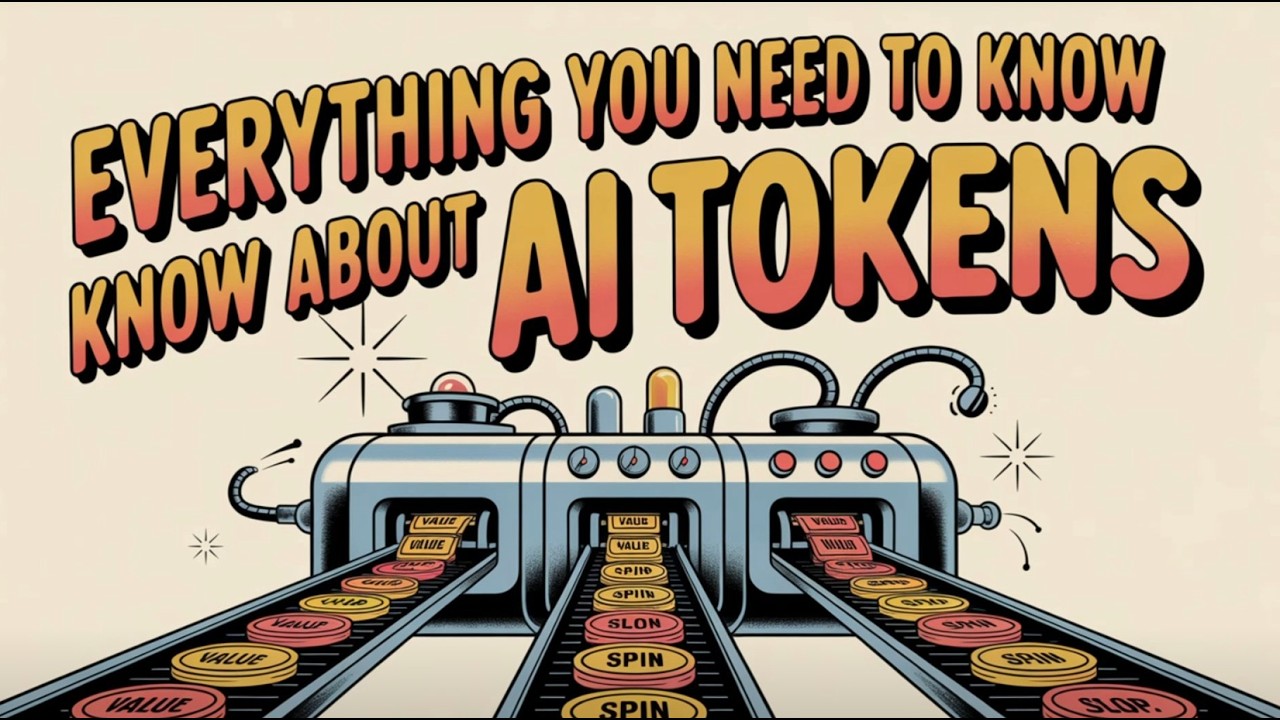
A token is a chunk of text the model reads or writes — usually smaller than a word; in English a page runs about 1,000 tokens. That much is simple.
Comparing what a token costs across tools is not. Every lab tokenizes differently — OpenAI's vocabulary is around 200,000 tokens, Gemini's 256,000, Llama's about 128,000, Anthropic's unpublished — so the same document can run 10–20% more tokens on one provider than another before the model does anything. Then the models behave differently: one answers in a pass, another reasons longer and retries. The per-token rate is the sticker; the real number is cost per accepted task.
Anthropic made this concrete. When its tokenizer changed with Opus 4.7 the price sheet stayed identical, but the same text produced roughly 30% more tokens (The Register; Simon Willison measured 1.42x on English prose). Same sticker price, smaller candy bar — a double-digit bill increase for identical work, invisible if you track dollars per token.
Cheaper per token is not cheaper per task
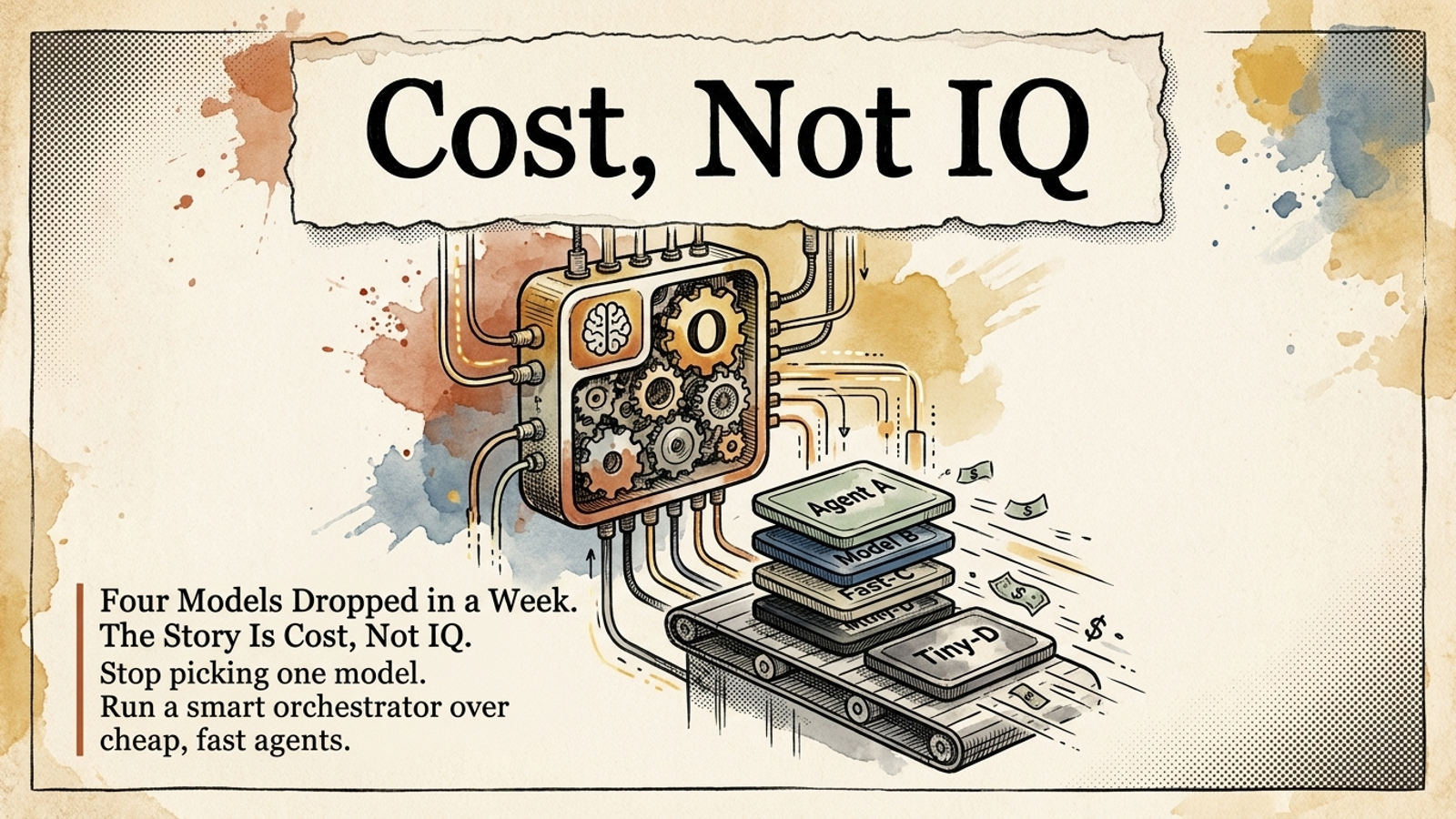
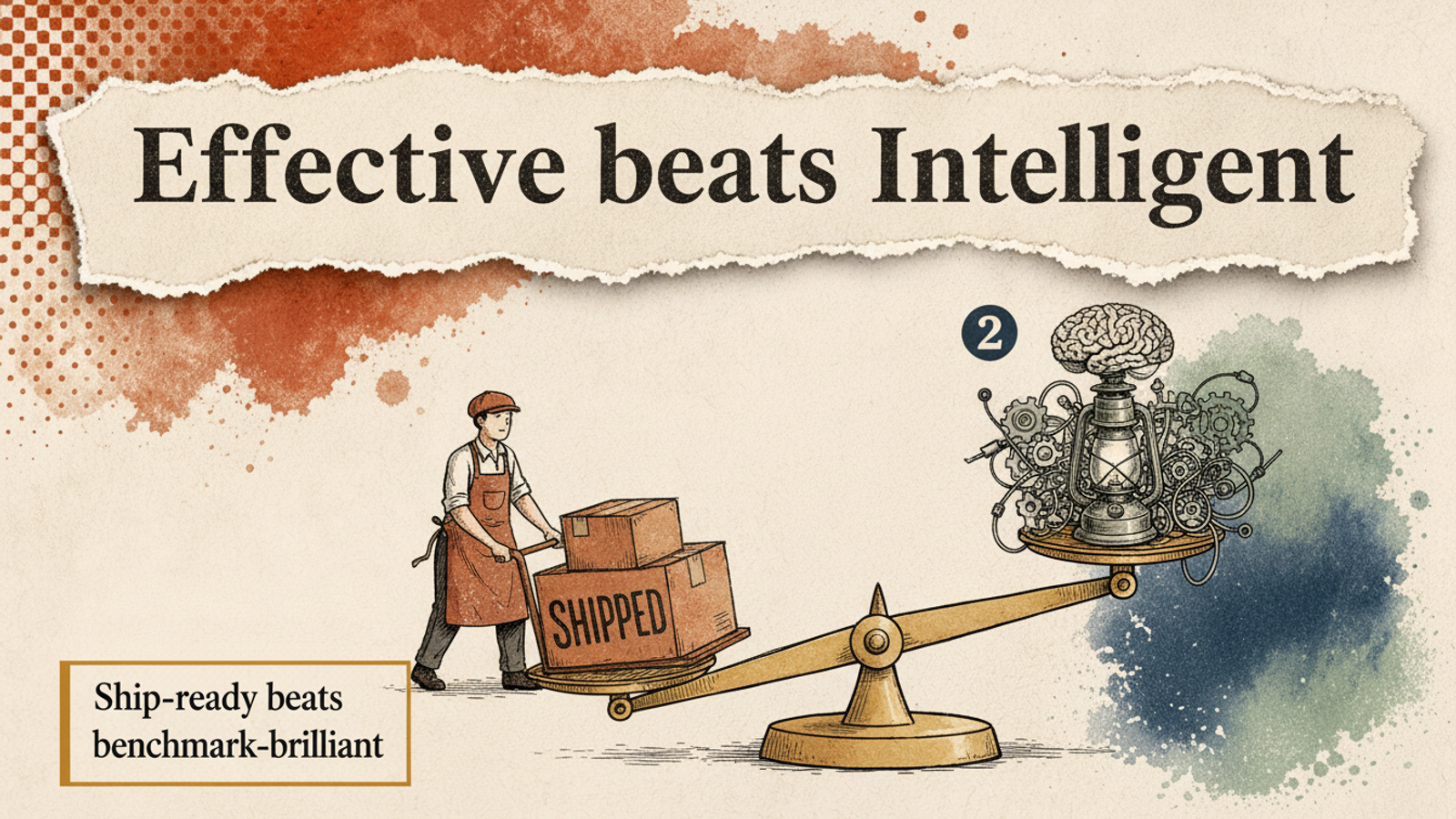
Databricks tested this on its own codebase. Sonnet 5 was 1.7x cheaper per token than Opus 4.8 — and cost more per task, because it needed more iterations and burned 1.9x the tokens to get there (Databricks). The "expensive" model was cheaper to operate.
The Register / Simon Willison; Databricks; McKinsey (2026)
The harness matters as much as the model: the same model at the same settings through different agent harnesses produced a 2x-plus swing in cost per task, because one fed three times less context per turn. This is why agents are where budgets die — they burn far more tokens than a chat, and McKinsey found about 60% of an agentic task's cost is the checking, refining, and regenerating after the first answer.
Sort your spending into teach, produce, and spin
Once you measure per task, sort every token into three buckets:
- Tokens that teach — experiments, failed attempts, and the context you build so AI understands your work. They look like waste because nothing ships. They're tuition.
- Tokens that produce — the code, proposal, or research that ships. Easiest to defend.
- Tokens that spin — activity without output. Machines talking to themselves.
The most expensive token is the one that your best person is afraid to spend.
Nofar Gaspar, The AI Daily Brief [07:14]
Spin is rarely a bug. Gaspar ran a chief-of-staff agent that quietly billed $1,500 in two weeks she wasn't using it — 400 million tokens in, almost none out, a compaction job firing every 30 minutes on empty sessions. It was doing exactly what it was told. The usual suspects repeat: idle agents, over-frequent jobs, the morning brief nobody reads, immortal chat sessions dragging old history into every turn.
The minimum viable practice
You don't need a dashboard to start. Run the weekend test: if you did nothing with AI but the bill kept climbing, something is spinning. Check the input-to-output ratio — thousands-to-one usually means empty loops. List every automation you own and ask which created value last week; if you can't answer, it's a suspect. Set spend caps and a jump alert instead of letting the meter run.
Then build the habits that lower cost without lowering value: new task, new session; match the model to the job; give the model exactly the context it needs and no more; point it at the right rows, files, and channels; and kill a job early when it's clearly off rather than letting it grind.
The bill isn't the enemy, and neither is spending. Metering by the token is. Spend wisely, not sparingly — and measure the only number that survives across every tool: what a finished task cost you.