TL;DR
The short version
The agentic shift enterprises spent two years anticipating has landed. A year ago the open questions were whether AI was real and how to prove ROI. Now they're redesign questions.
Recapping a KPMG innovation symposium on The AI Daily Brief, Nathaniel Whittemore lays out where the enterprise conversation actually is: architectures over models, token budgets over seat licenses, and systems built to be thrown away.
Built on Nathaniel Whittemore's episode "6 Questions Shaping Enterprise AI" on The AI Daily Brief.
Enterprise AI moved from "if" to "how"
A year ago, the enterprise AI conversation was full of "if" questions. Is this real? How do I convince the rest of the org? How do I show ROI before the budget review? Whittemore says those questions haven't vanished — they're just no longer the center of gravity.
The center moved because the capability did. The late-2025 model jump made agentic workflows — AI that does the work, not just autocompletes it — actually usable. By 2026 that stopped being a software-engineering story; marketing, legal, and finance teams started managing agents too.
The paradigm shift has happened. For years, basically since the ChatGPT moment, enterprises have been anticipating the shift from assisted AI to agentic AI.
Nathaniel Whittemore, The AI Daily Brief
The cost chart is the revenue chart, flipped
Here's the reframe every finance team is living through: the labs' revenue explosion is your cost explosion, viewed from the other side.
For years the argument was that enterprise AI isn't another line of software spend — it's closer to labor. You don't pay per seat. You pay per token, and token consumption scales with how much work the agents do. That reframe is what quietly collapsed a lot of the "AI bubble" narratives, because usage was compounding for a concrete reason.
It also blew up annual budgets. Uber was the loudest example — a company torching its yearly AI budget in a few months. Presented as a shock, it shouldn't have been. Nobody could budget for the agentic-token era when the budgets were set before that era existed.
Architectures, not vendors
The old enterprise reflex was to name a problem and shop for the vendor who solved it. That reflex is now insufficient.
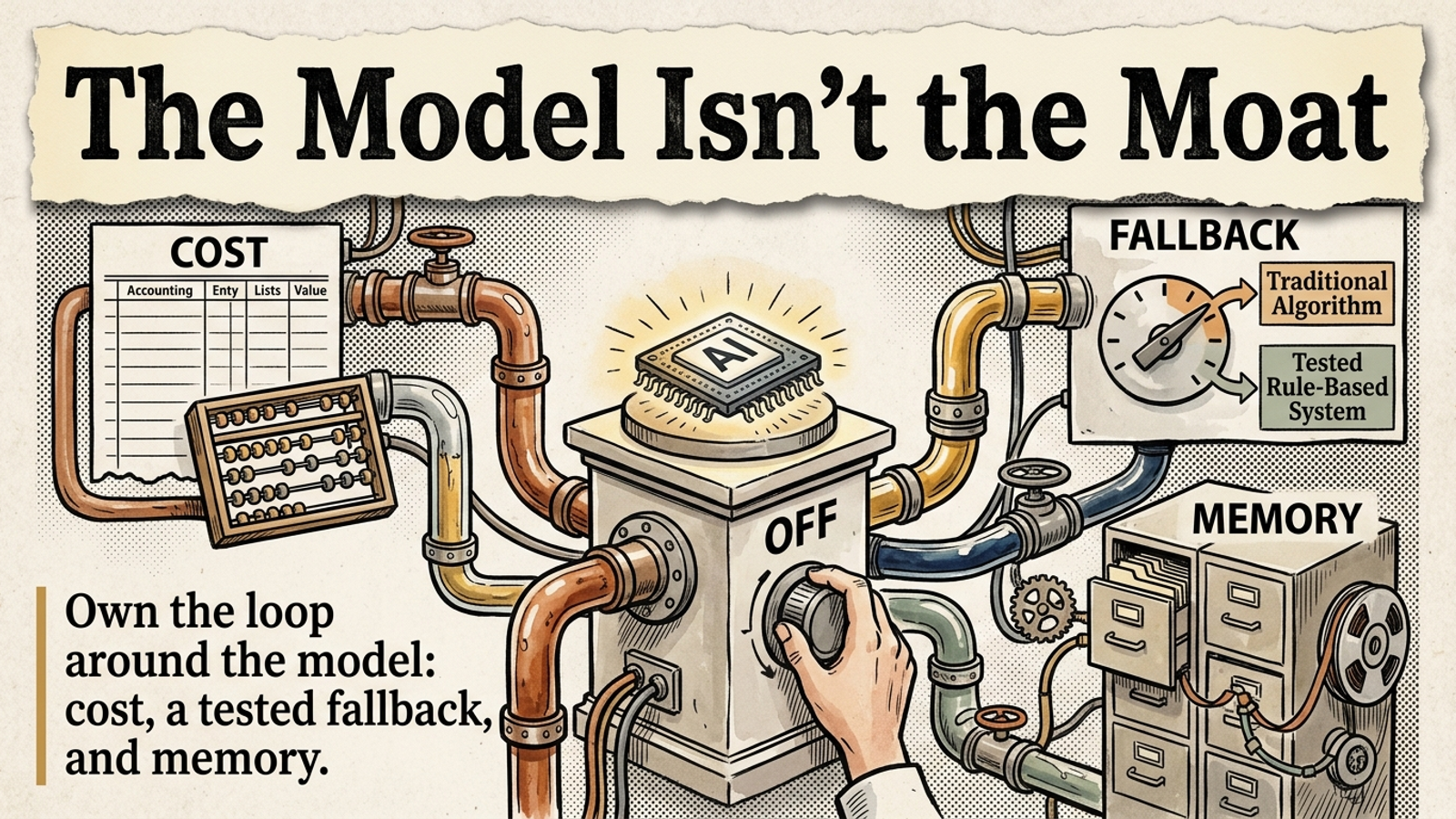
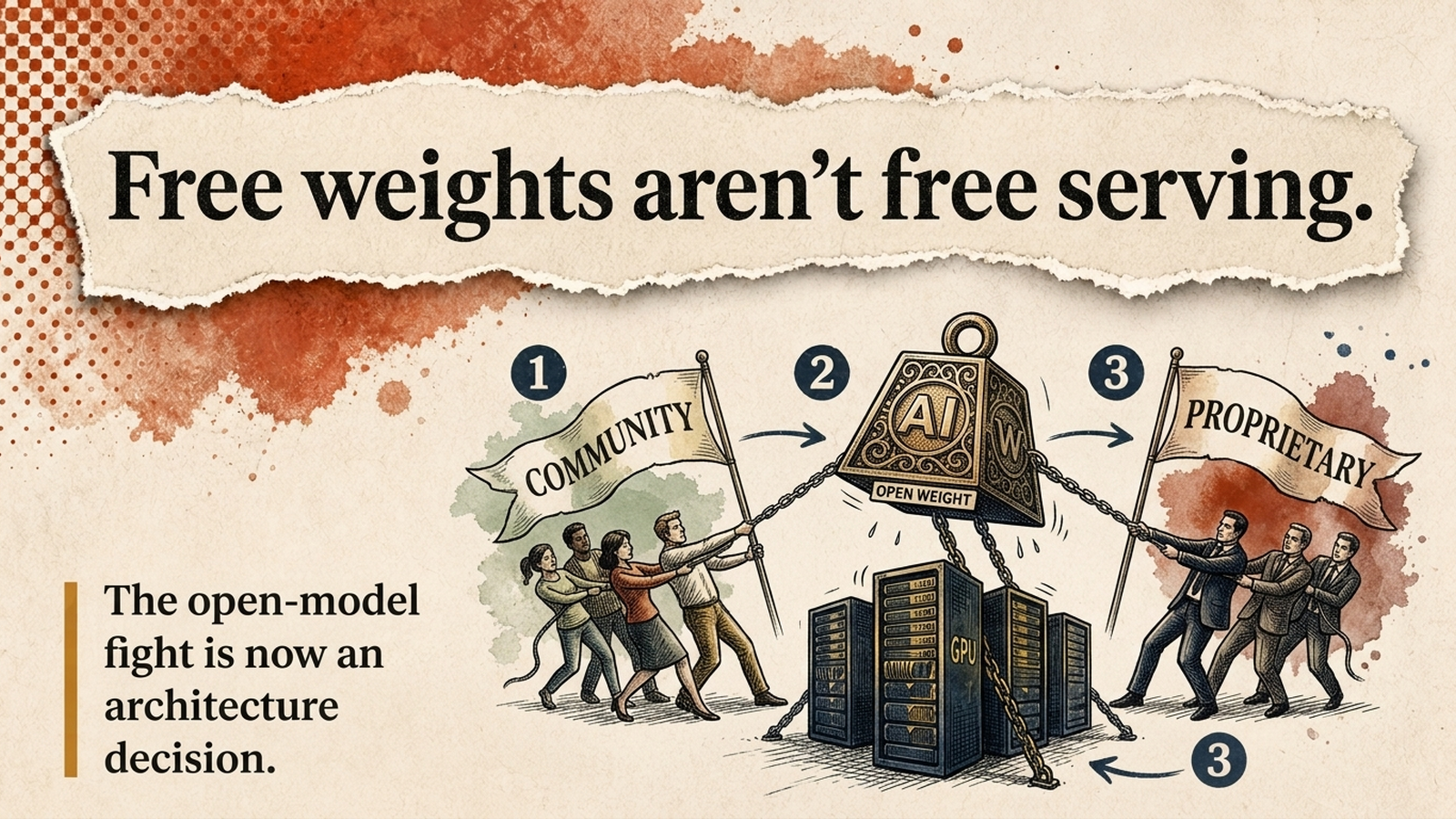
The question shifted from "which model" to "which system." That means multi-model setups routing different intelligence to different tasks, and it means the harness — the routing, access, context, and guardrails you build around the models — carries as much of the capability as the weights do. Satya Nadella made the same point from the platform side: keep the harness separate from the model, so any model stays swappable.
Google I/O / Q2 2025 earnings; Microsoft FY2026 Q4 earnings call
No enterprise leader at the event treated a router as a silver bullet. The work is architectural, and it's theirs to do.
The upskilling bill is coming due
When AI was about writing good prompts, you could underinvest in training and mostly get away with it. That's over.
The work primitive changed — from "I do my work" to "I manage agents that do my work." That's a different skill, and the gap between what AI can do and what a team actually gets out of it is widening, mostly because the ceiling keeps rising. Under-trained staff land in one of two bad spots: locked out of powerful tools they can't be trusted with, or turned loose without guardrails.
Build it to be thrown away
The last question is the one leaders find hardest: how do you design a system that assumes its own obsolescence?
The harnesses will change. Interaction patterns, customer expectations, and policy will change. Whatever you ship will likely need to change again a few months after it's ready. So dynamism isn't a nice-to-have bolted on later — it's a design constraint from the first line.
Most organizations are treating themselves as patient zero: fix how they work internally before rewriting what they sell. But the external pressure is real — outcomes-based pricing is replacing hourly billing in some corners, and the definition of a service (what an audit even is, if agents run it continuously) is up for grabs.
None of these questions have answers yet. That's the point. A year ago the questions were defensive — prove this is worth it. Now they're the foundational redesign questions a whole era will spend the next half-decade answering.