TL;DR
The short version
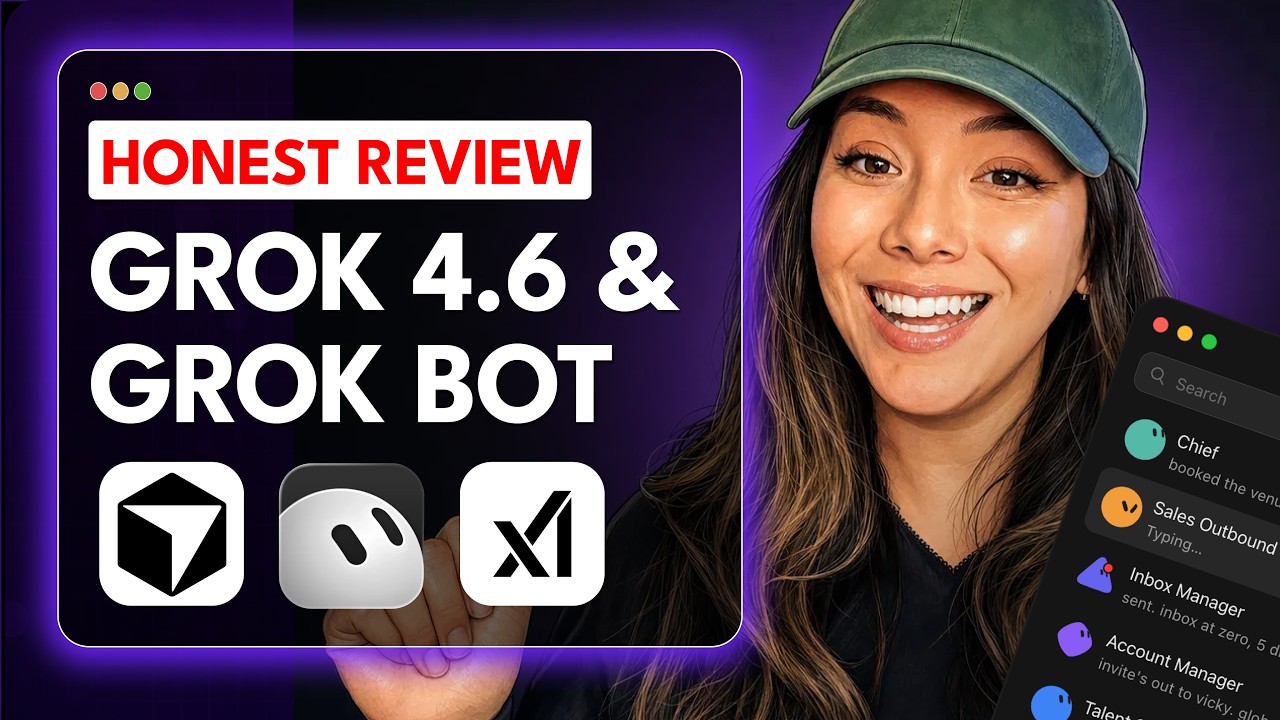
The AI coding race is no longer OpenAI vs. Anthropic. Two months after SpaceX closed its $60B acquisition of Cursor, the xAI stack shipped three products at once — an agent app (Grokbot), a GitHub replacement (Origin), and a new model (Grok 4.6).
In a hands-on How I AI review, Claire Vo finds a credible third contender: strongest on connector UX and design taste, weakest on lock-in and hackability.
Built on Claire Vo's hands-on review on How I AI; product facts traced to Bloomberg, TechCrunch, and MarkTechPost.
Grokbot: simple wins, until simple is the ceiling
Grokbot is a hosted, iMessage-style app where each agent has a name and a job — Claire runs a PM bot, a commitment tracker, an invoice-chaser, each with its own virtual machine that can browse and run a terminal.
The killer feature is mundane and real: you can connect multiple accounts per connector — several Gmails, several Slacks — and have one agent traverse all of them.
This is something that Codex has not figured out. Claude has not figured out.
Claire Vo, on multi-account connectors
The catch is the flip side of the same coin. You can't pick the model, can't hack the config, can't run it locally — power users lose the tunability that makes an agent feel like theirs, and the default voice reads as generic "slop."
Cursor Origin: the right idea, too early to move
Origin is an agent-native GitHub replacement: the same git primitives — repos, diffs, pull requests — rebuilt so agents are first-class reviewers that can be assigned and reply to comments. It launched in early beta, awkwardly, into a six-hour GitHub outage.
Claire's verdict is honest: today it's largely a wrapper on the GitHub API, and it isn't compelling enough to leave the ecosystem you've built — actions, codeowners, automations. "We are mostly in the very, very, very early stages of a very, very, very long migration," she says.
That's the real lesson for a leader evaluating any agent-native tool: the deciding factor is rarely the demo. It's the switching cost of everything you've already wired around the incumbent.
Grok 4.6: a genuine design contender
The surprise is the model. On Claire's "vibe bench" — PRDs, prototypes, and design graded blind, weighted 70% her taste and 30% an LLM-as-judge — Grok 4.6 lands next to her favorite, GPT-5.6 Sol, and beats both Sonnet 5 and Opus 5 for design. It's strongest when given freedom to make its own choices.
MarkTechPost, Bloomberg (Aug 2026)
Part of why: you can now spot each lab's house style. "GPT-5.6 loves forest green. Claude loves a brown, tan, orange combo." But taste and benchmarks diverge — strip out her preferences and the LLM-as-judge (GPT-5.5, the harshest) prefers Claude Opus and Sonnet. Two defensible evaluations, opposite conclusions: a leaderboard tells you what a judge model rewards, not what your team will enjoy shipping with.
What to take from it
Three things worth copying, none of them "switch everything":
- Evaluate on workflow and taste, not just scores — build a small, opinionated eval on the work you actually do.
- Treat lock-in as a first-class variable — how much control and integration will you trade for convenience?
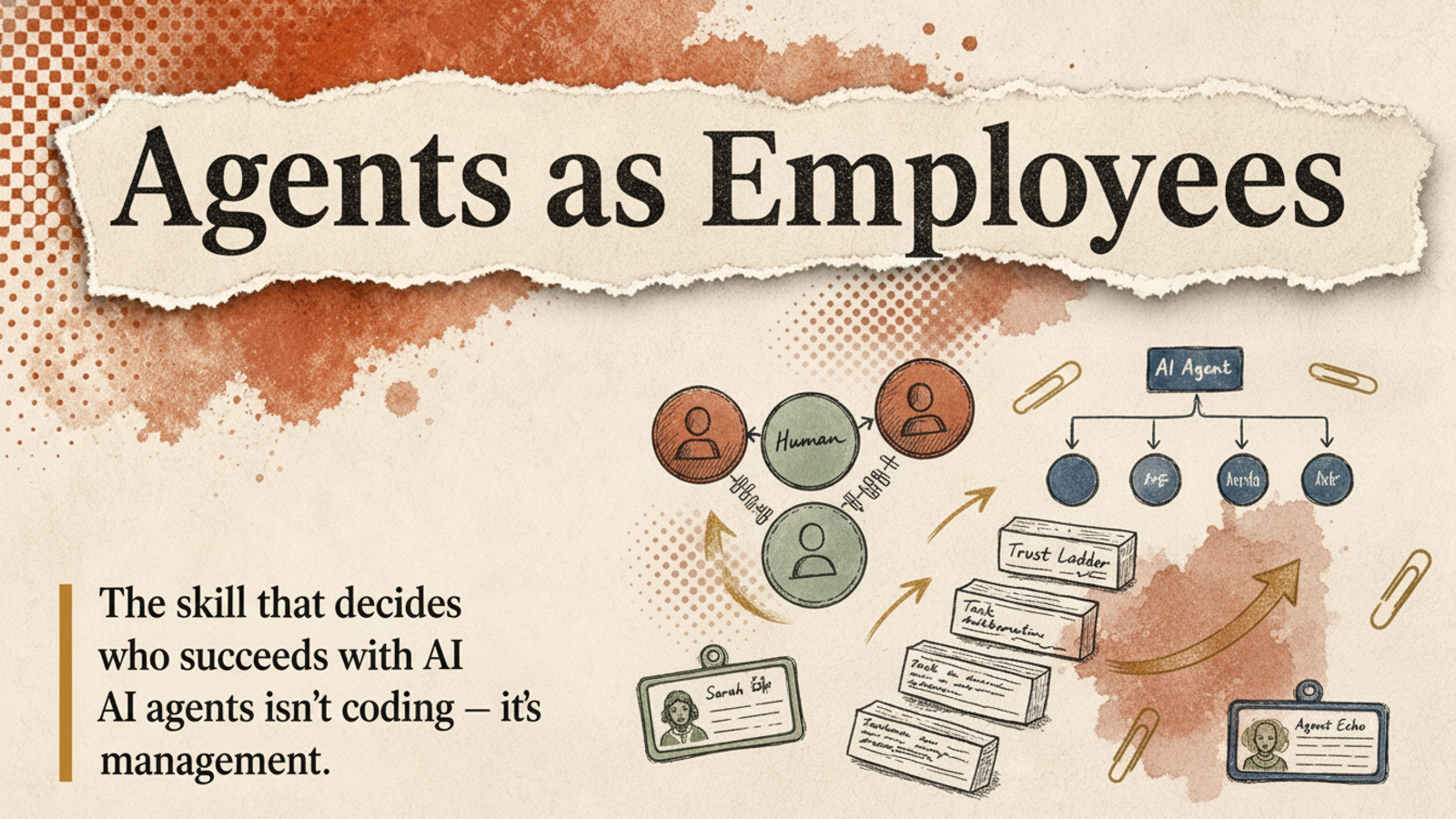
- Give agents roles, not one super-agent — "what kind of teammate do I want?" beats "one agent to rule them all."
So, is Claude Code dead? No. But the stack has a third pole now, and it's good enough that ignoring it is a choice — enough, at least, to run the test.