TL;DR
The short version
Granola's CEO Chris Pedregal runs an AI meeting-notes app worth $1.5B — and his product strategy is a bet against building his own agent. Own the deepest context on a narrow job; let any agent plug into it.
In a candid conversation with Dan Shipper, he lays out an org model (the "pirate and architect"), a claim that work is splitting into two surfaces, and a product bet he calls the "Codex-native app."
Built on Chris Pedregal's interview on Every's AI & I. Funding figures verified via TechCrunch.
Still a knife fight
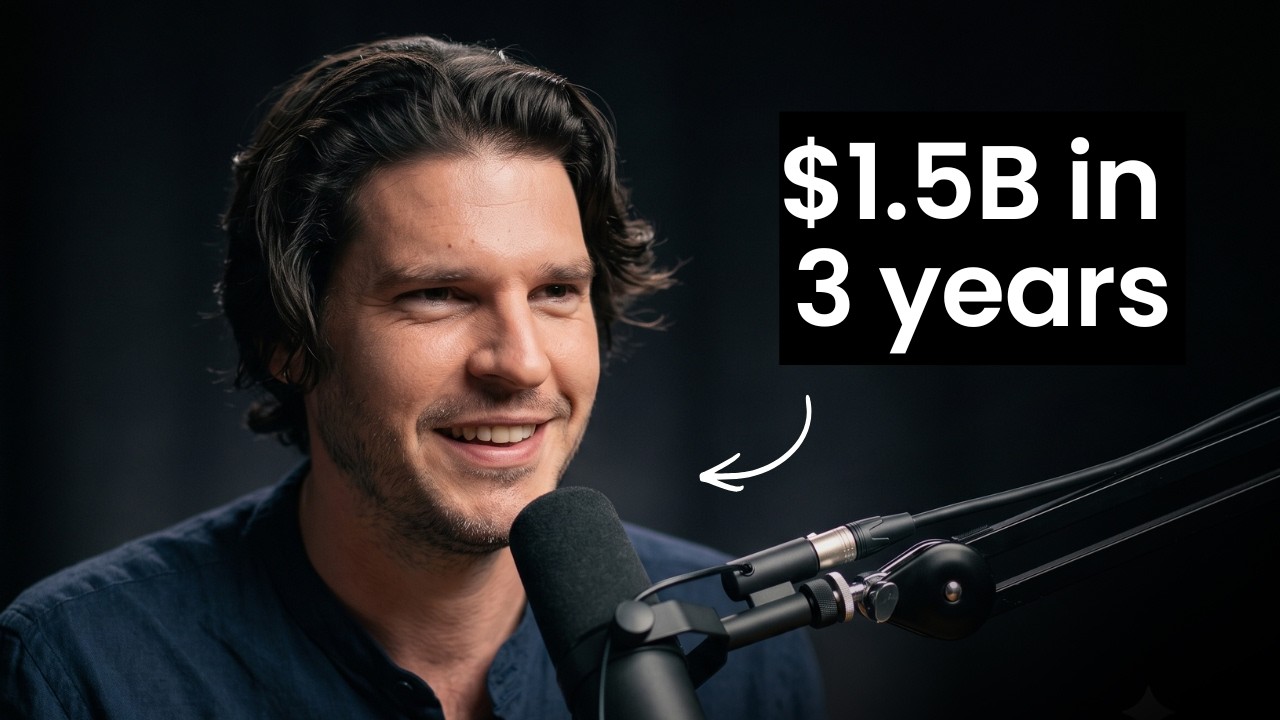
Chris Pedregal runs Granola, the AI meeting-notes app that hit a $1.5 billion valuation on a $125M round this year. He opens by refusing the winner's-profile framing.
"I thought startups were just really hard when they weren't working. Turns out they're really hard even when they're working as well," he says. A growing company means you're on the big wave trying not to fall off — always operating just past your abilities. That honesty is the frame for everything else he says about how to actually build.
The pirate and the architect
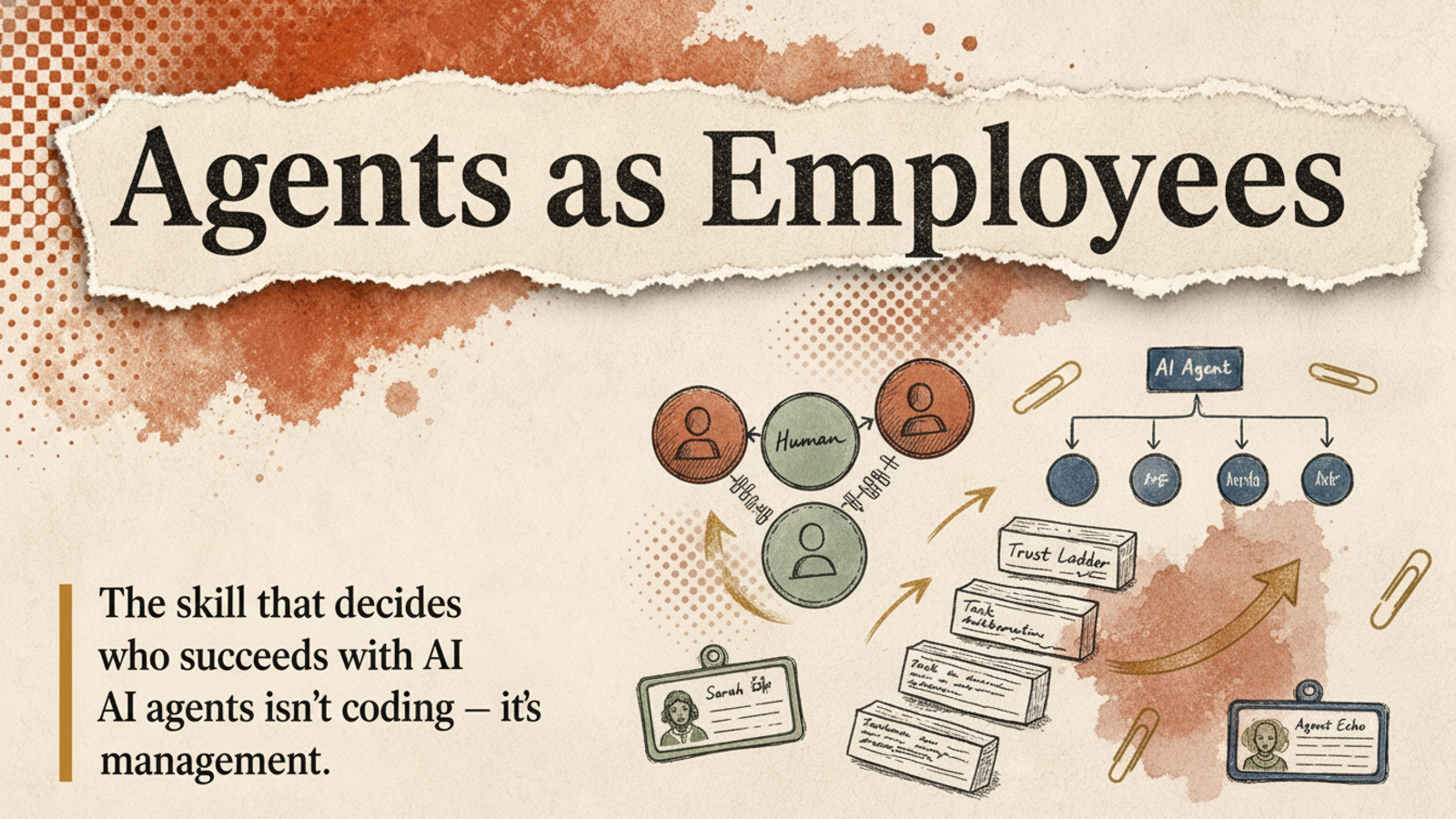
For any new product, Pedregal pairs two roles. The pirate builds as fast as possible to find something valuable — vibe-coded, ugly, no thought for architecture. The architect pairs alongside and turns whatever the pirate finds into a system that can scale.
The ratio is the insight: one pirate per product, but one architect can cover several. Agents are why. A strong architect can drop into a codebase, have Claude or Codex map it, learn it in an hour, identify the invariants, and "send off Codex to do a 24-hour rewrite" while they go do something else.
This is the old explore/exploit split, but the economics moved. When code generation is cheap, the scarce human isn't the one writing lines — it's the one setting the structure the agent fills in.
Two surfaces, not one app
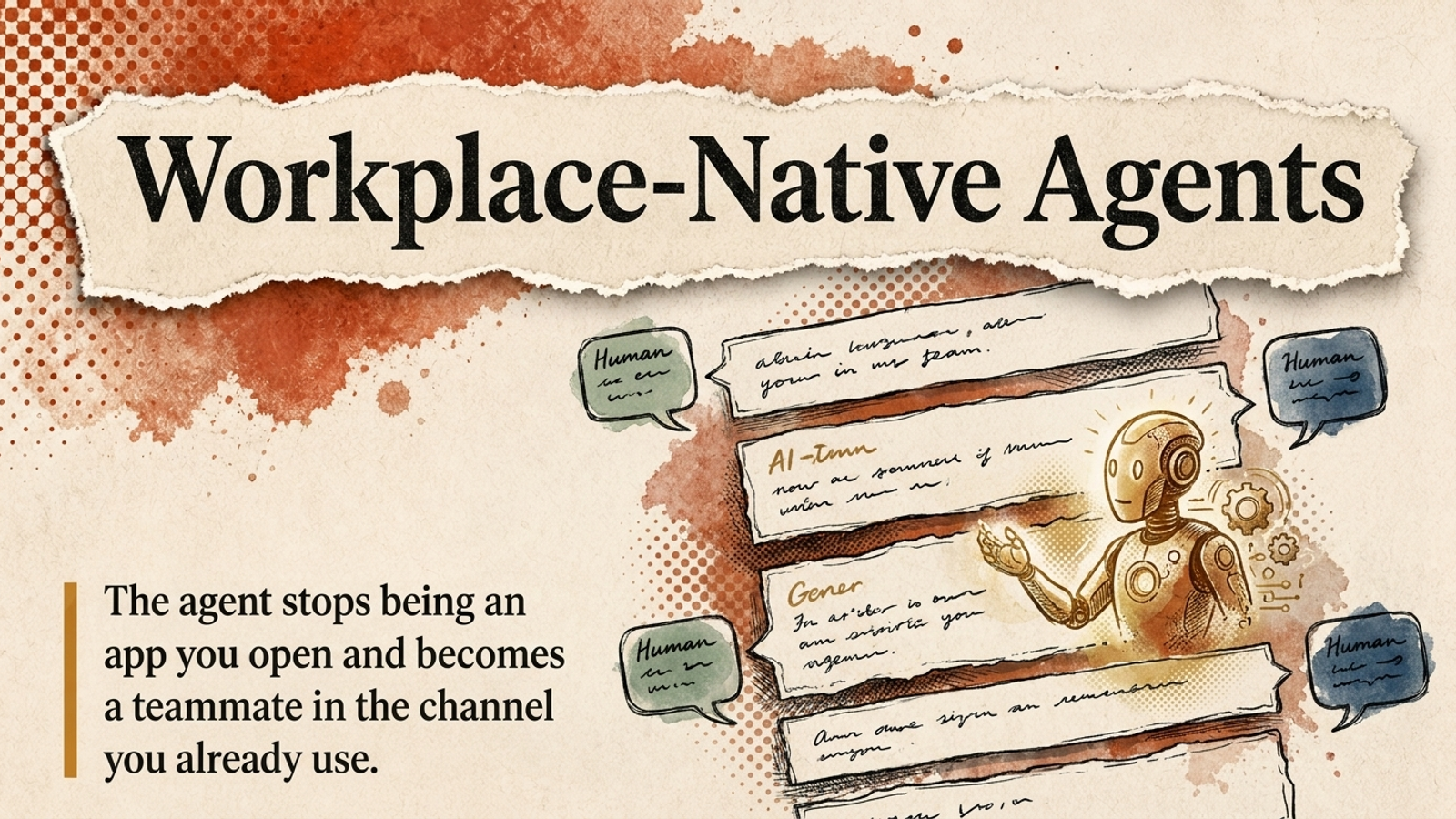
Pedregal thinks work is splitting into two surfaces that need different tools. The first is async delegation in Slack — multiplayer, and importantly public. Bots post the morning's shipped PRs and open bugs; anyone can reply "kick off a PR for that" and argue with the agent in the same channel. Because most AI is single-player, doing it in public is the unlock.
The second is focused work, where you and the agent "are sitting in the same place on the same app together" — a Codex or Claude desktop. His tell: when he sees Granola's own UI pop up, "it's usually a mistake." He'd rather Codex pull the context out or push a result in.
Own the context, cede the agent
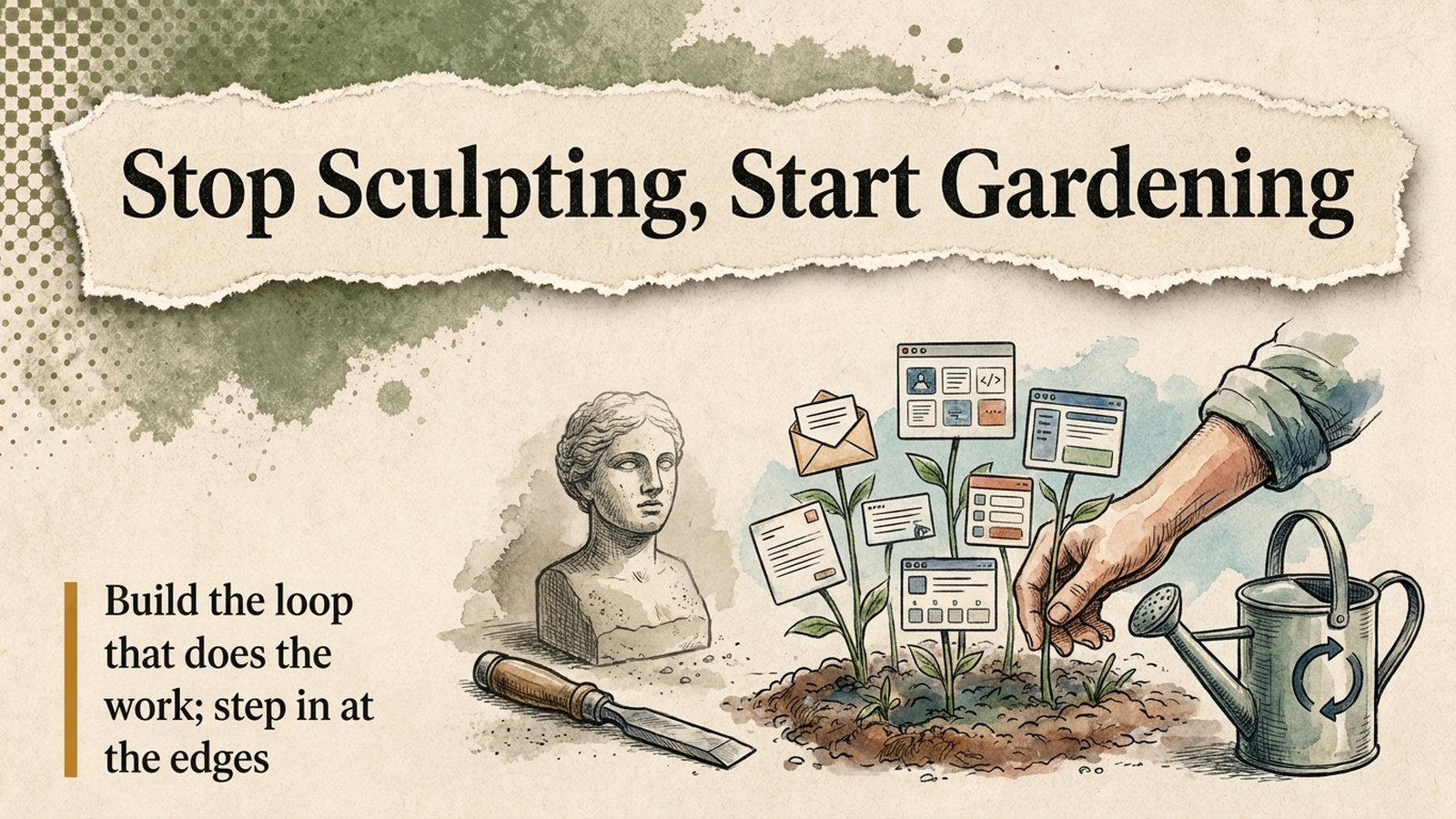
Here's the strategic core, and the part worth copying. Granola won't try to out-build Claude and Codex at being the agent. Instead: be "5x better than anybody in the world" at a narrow set of meeting-adjacent jobs, and be the best way to capture context that powers any agent.
He wants you to bring your agent to Granola, not the reverse. He calls the pattern a "Codex-native app" — the app saves state and renders the UI, the agent acts on it through a CLI or MCP, and human and agent manipulate the same interface. Granola's API and MCP, he says, are now a first-class goal.
AI is like the ligaments and the muscles, and then the software has to be the bones.
Chris Pedregal, Granola
AI is flexibly powerful only when something gives it structure and context. The app's durable job is to be the skeleton. It's a testable bet, not a law — Notion, Zoom, and OpenAI all bolted meeting notes onto their products, and Pedregal admits it, claiming only that it "hasn't changed anything" about Granola's growth. Whether context beats distribution is the open question. The framing is the useful part.
The handrail test
One idea travels well beyond note-taking. Granola's product metaphor is a handrail: invisible until you trip, then instantly load-bearing. You never notice it — until your hand shoots out and it's exactly there.
To hit that, they pre-generate a "silly amount" of pre-meeting briefs — millions, of which only a small share ever get opened — because the value lives in a 15-second window when you're two minutes late and can't remember who you're about to meet. Wasteful by conventional metrics. Right by the handrail test.