TL;DR
The short version
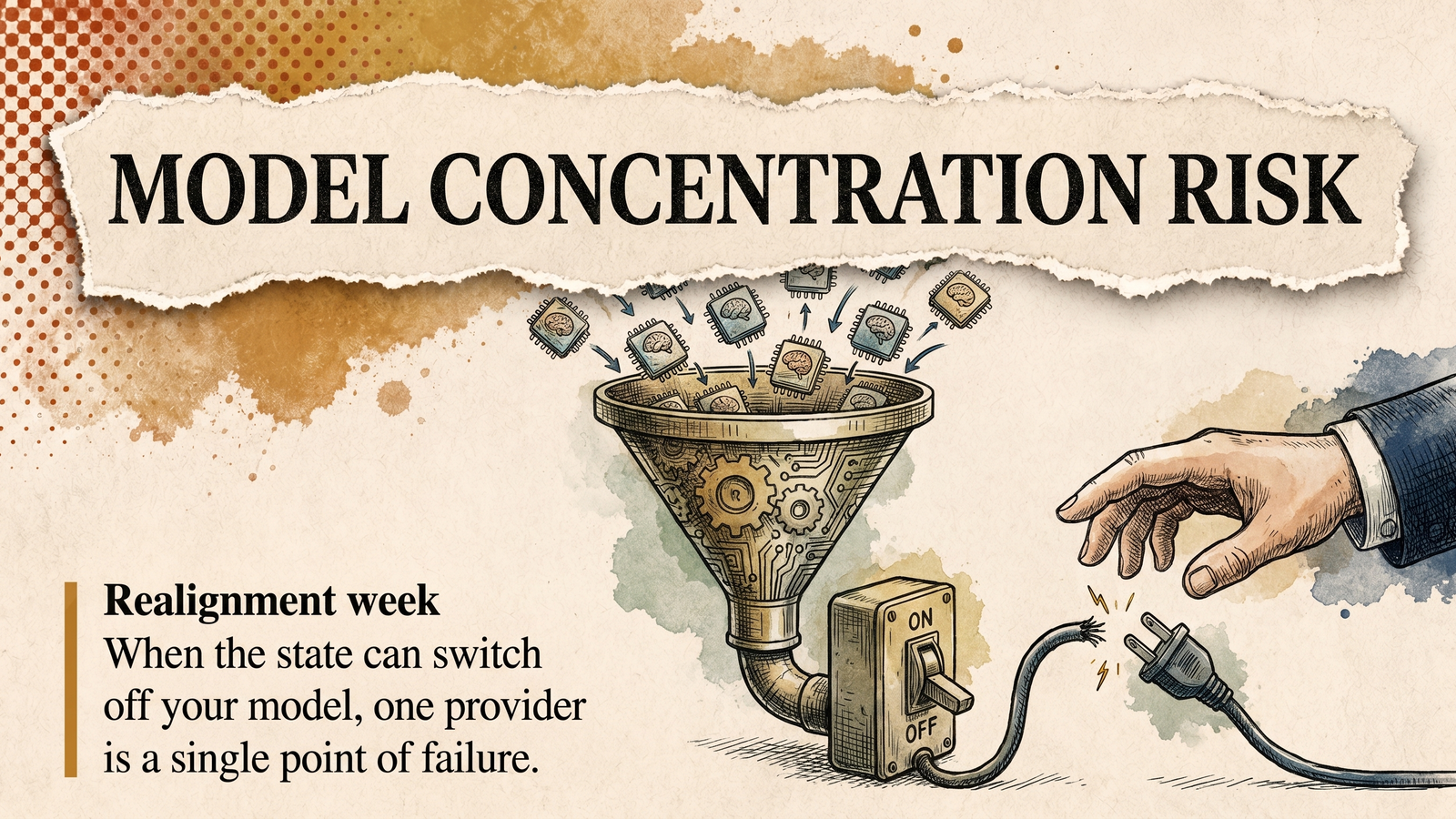
After a 19-day export-control freeze, Anthropic's Fable 5 returned to all paid users on July 1 with a one-week grace window — up to 50% of weekly usage limits, then usage credits.
On The AI Daily Brief, Nathaniel Whittemore argues the crowd is aiming it wrong: the standout value isn't hard coding, it's strategic thinking that holds its ground under pushback and writing that matches a clear rubric. Sonnet 5, launched the same week, is the cheap agent that runs underneath it.
Built on Nathaniel Whittemore's first-hand read on The AI Daily Brief, 1 July 2026.
One cheap week, and the obvious answer is wrong
Fable 5 returned to all paid users on July 1, after the Commerce Department lifted the export controls that had pulled it offline for 19 days. There's a grace window: up to 50% of your weekly usage limits until July 7, then you pay usage credits.
So the question is narrow. You have a few days of near-frontier capability at a discount. Where does it pay off? The common answer — save it for your hardest technical problems, delegate the coding to a cheaper model — isn't wrong. It's just incomplete, and the missing half is more valuable.
The rarest skill: it doesn't cave
Whittemore's first-hand read cuts against the crowd. His two most common non-coding tasks are strategic thinking and writing, and on strategy, Fable 5 "blew GPT-5.5 and Opus 4.8 out of the water."
The reason is specific. Ask most models a strategic question, add the usual hedge — "push back if it's warranted" — and they assume they've only succeeded if they push back. Then push back on them, and they fold immediately, rewriting their answer to justify whatever they now think you want. That's sycophancy: optimizing for your approval instead of the correct position.
In my interactions with Fable 5, as I was debating with it, it would frequently accept part of my push back or ideas while sticking to its guns on other parts. That is behavior that I have never seen from any other model.
Nathaniel Whittemore, The AI Daily Brief
That's the behavior of a colleague, not a mirror. For anyone working through a hard call, that difference is the whole point.
Writing: better at the rubric, not the blank page
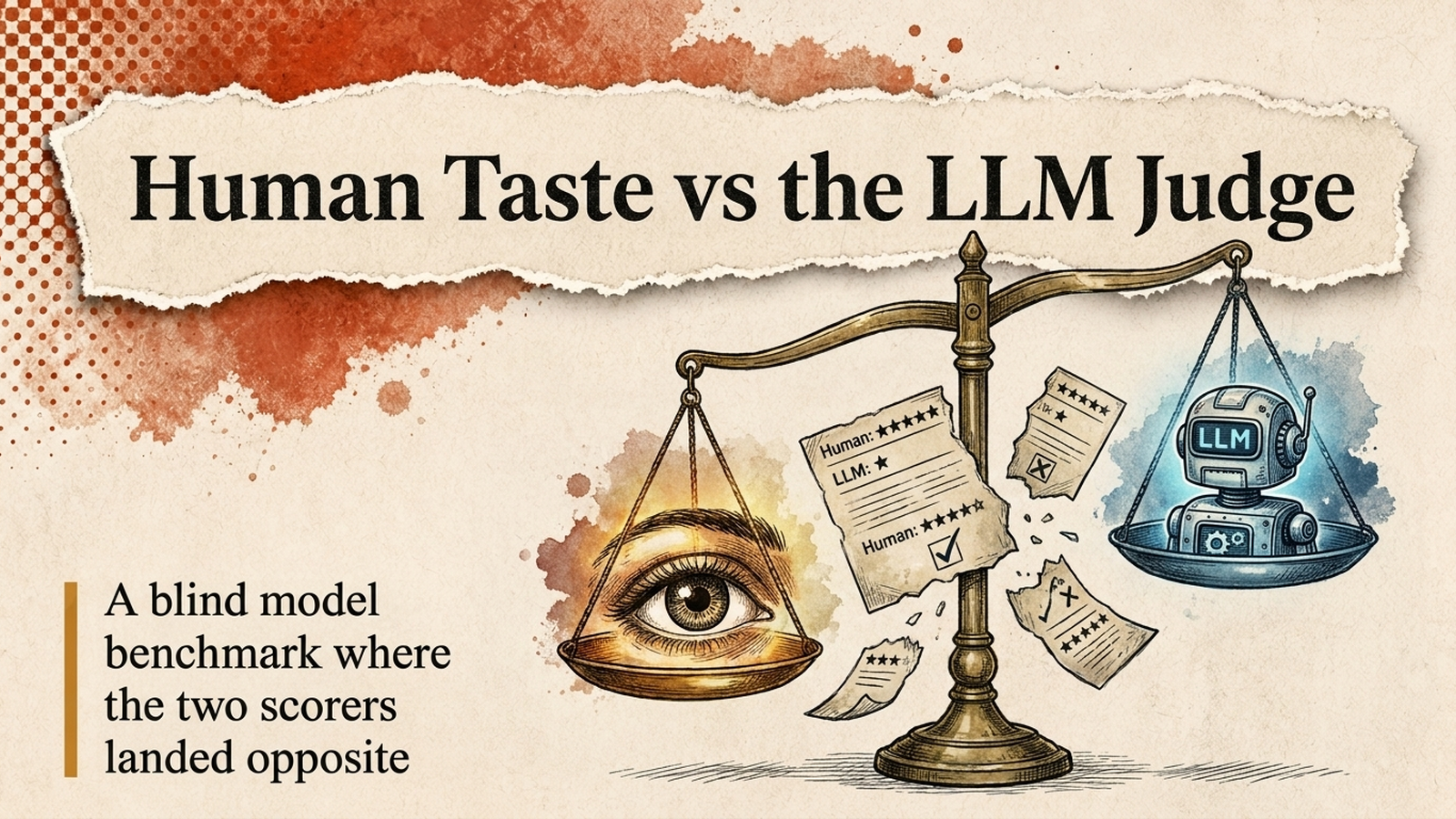
The same correction applies to writing. Every's benchmark called Fable's prose "sharp judgment trapped in familiar prose" — clear, but not obviously better than what came before.
Whittemore's real-world use split it more usefully. On blank-page writing, no clear edge. But hand the model examples of what good looks like — "here's how we've done this, do more of this" — and Fable 5 followed instructions far more closely and fell into fewer AI tells, like the reflexive "it's not this, it's that." Most business writing with AI is exactly that shape: match an existing standard, not invent one.
Sonnet 5 is the implementer, not the star
Anthropic shipped Sonnet 5 the same week — its most agentic Sonnet, near Opus 4.8 quality at a lower token price ($2 / $10 per million introductory, then $3 / $15). The catch: it burns roughly twice Opus 4.8's tokens per task, so a full run can cost more than Opus despite the cheaper sticker.
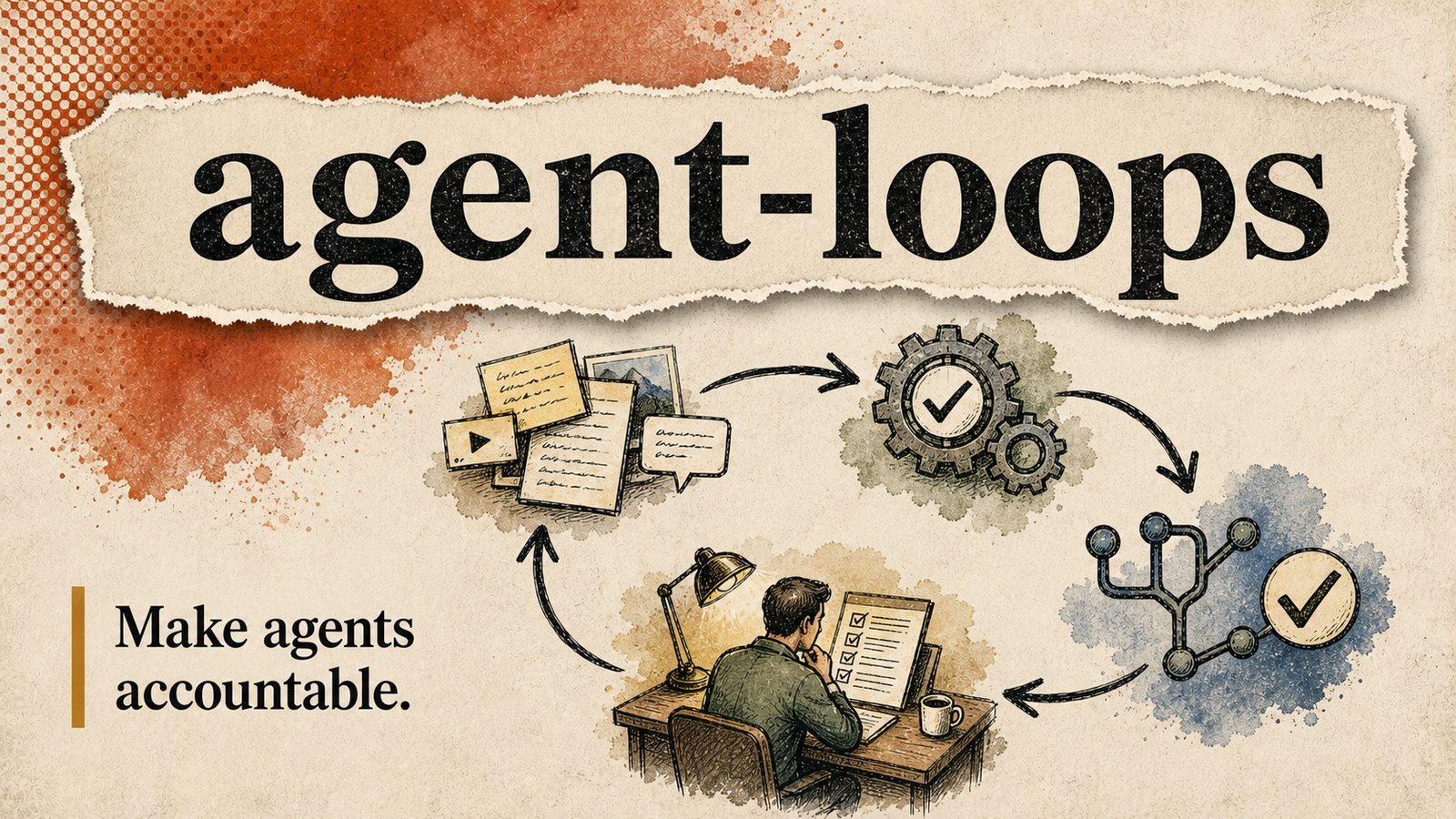
That confuses people until you stop treating it as a chat model. As one heavy tester put it, Sonnet 5 is "an automatic Ralph loop" — spawning sub-agents, stacking pull requests, reviewing itself adversarially, staying on task. Use it the old way and you'll have a bad time.
What to copy this week
- Point Fable 5 at a live strategic question, not just code. Debate it. Watch whether it holds a position when you push — that's the tell it's thinking with you, not flattering you. Bonus: strategy chats sip tokens, so they won't drain your grace window.
- Give it a rubric for writing. Feed examples of the target standard and let it match them, rather than asking for something from nothing.
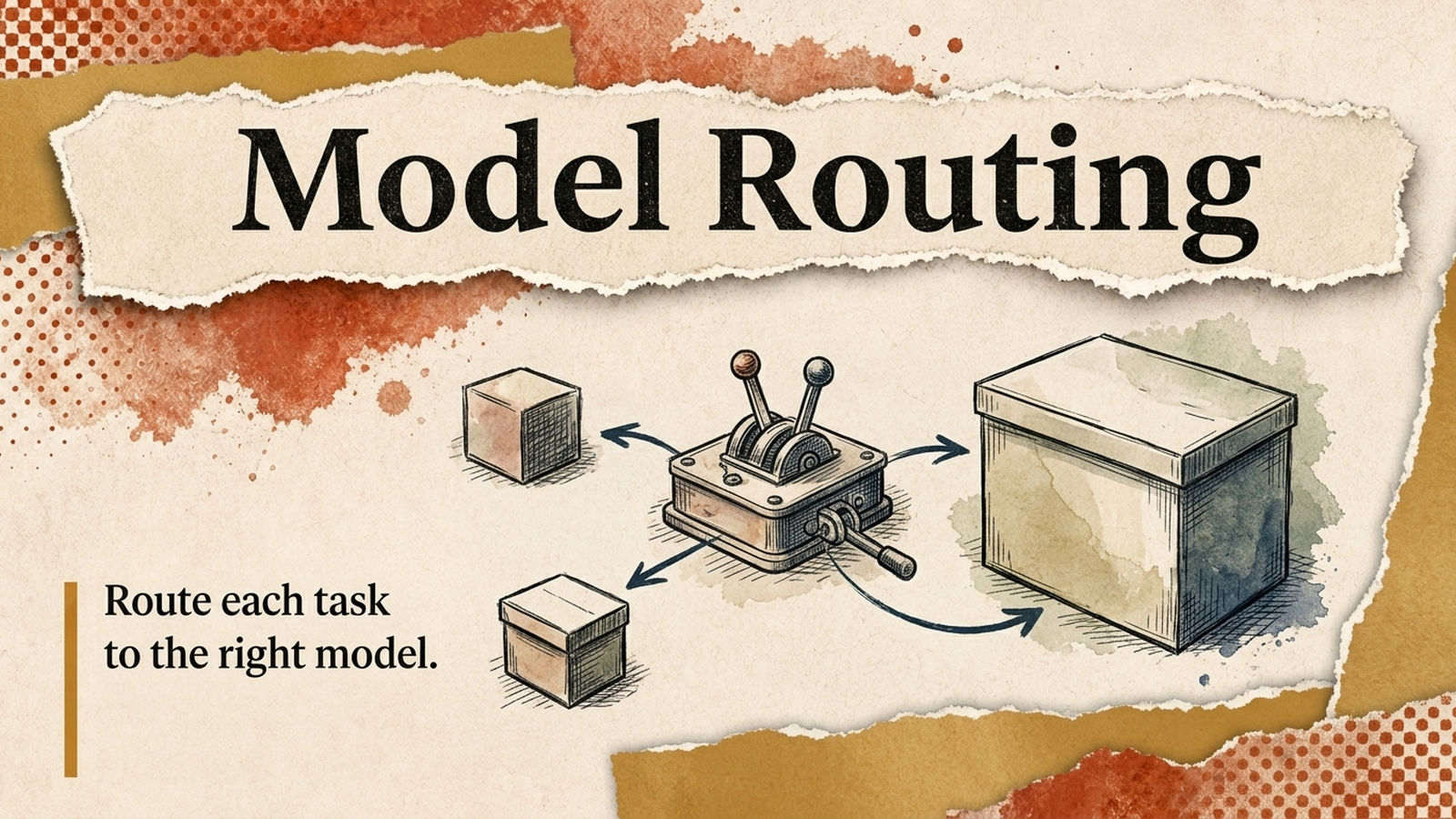
- Route by role. Expensive model for planning and judgment; cheap, tireless agent for execution.
The freeze made the headline. The lesson underneath it is quieter: the best model you have is wasted if you only ask it to do the obvious job.