TL;DR
The short version
Codie Sanchez argues that attention is the biggest moat in business right now: roughly 40 cents of every venture dollar raised goes to Google and Facebook for ads, while building an audience organically compounds on your side of the ledger.
Her rule of thumb: divide paid-ad revenue by total revenue. Under 30% is fine; 30–60% is shaky; over 60% means you're renting a business. A complementary Ad Trap frame makes the same point in unit economics — when ad spend races ahead of profit, you're renting demand.
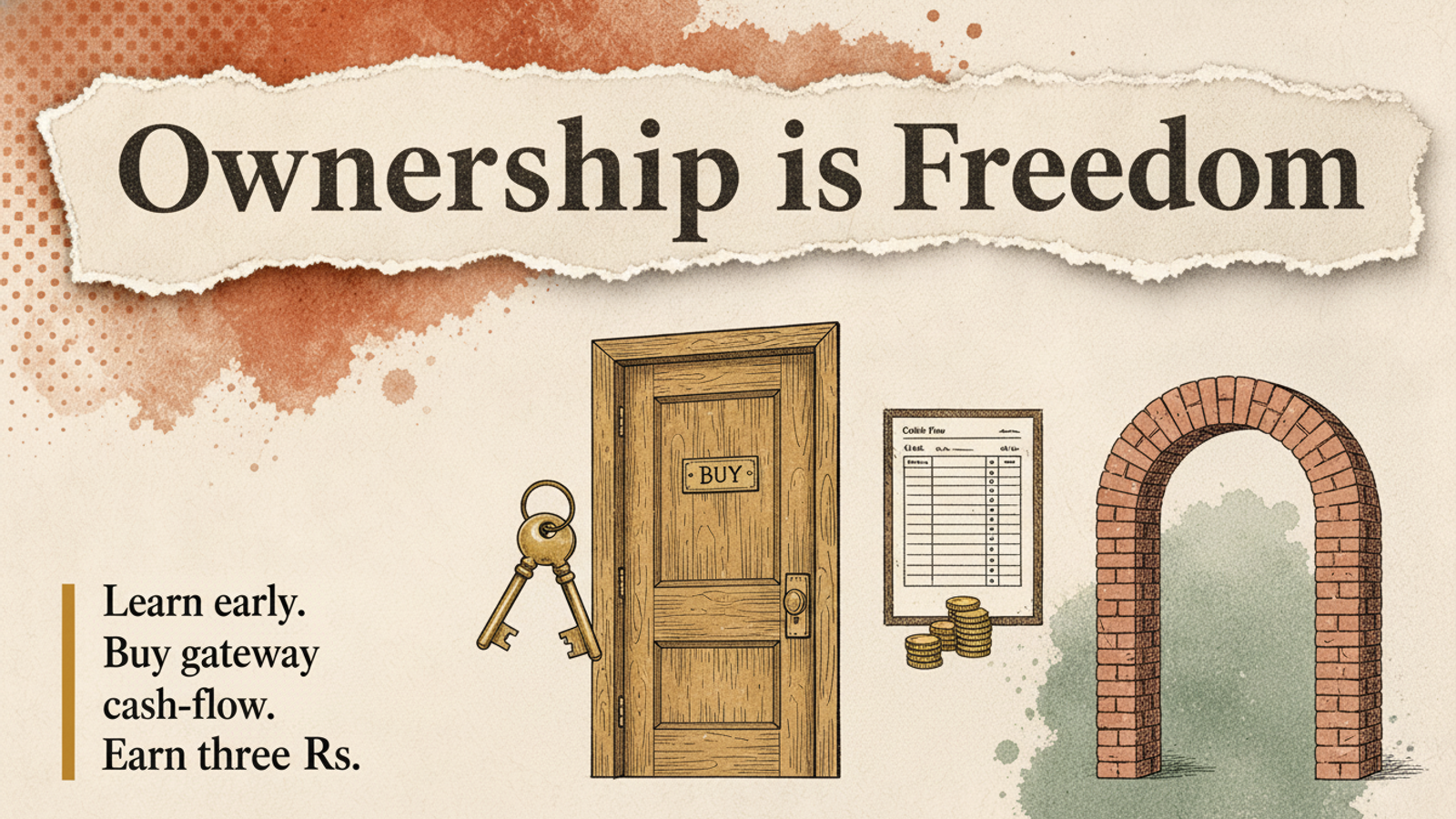
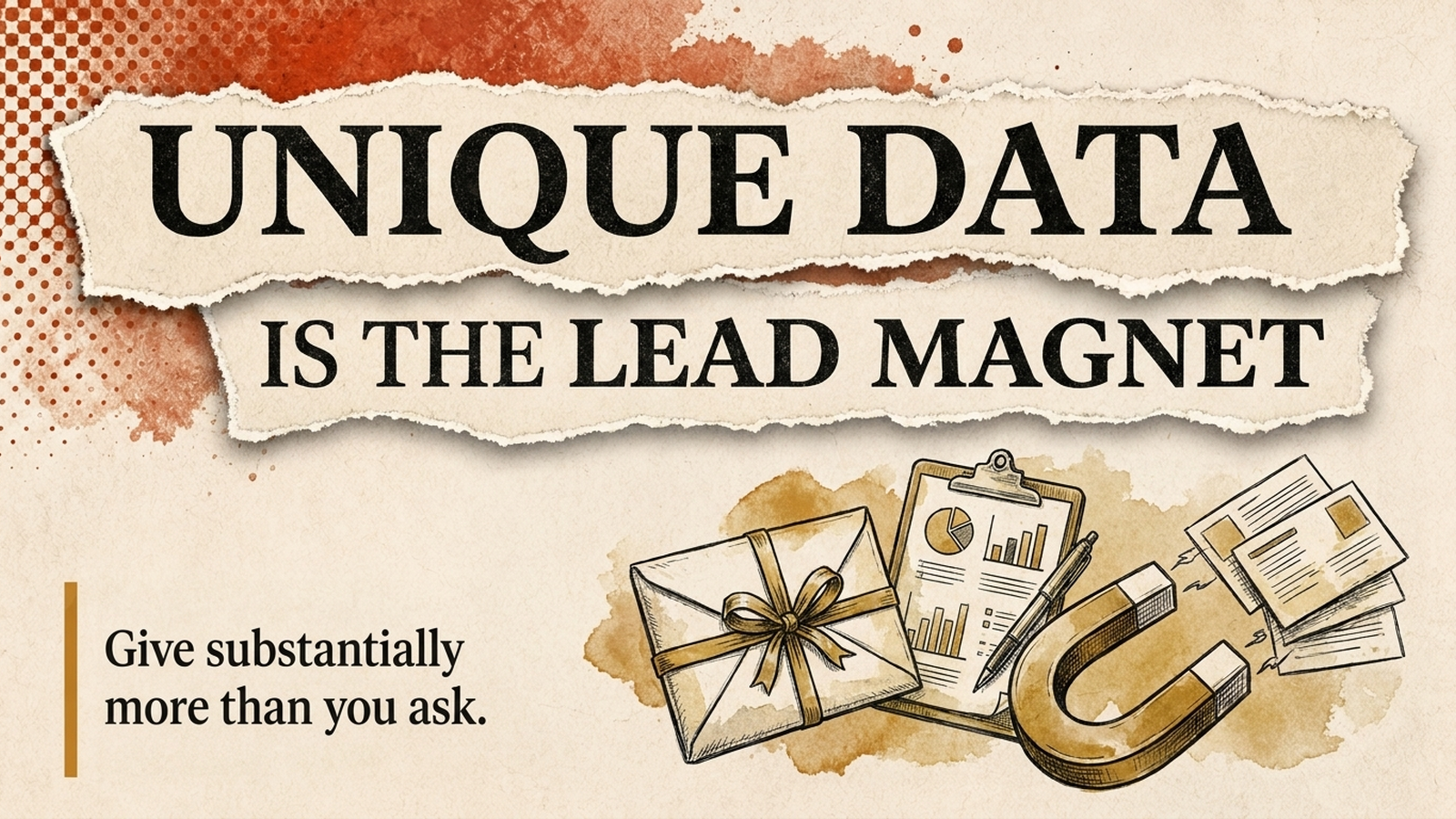
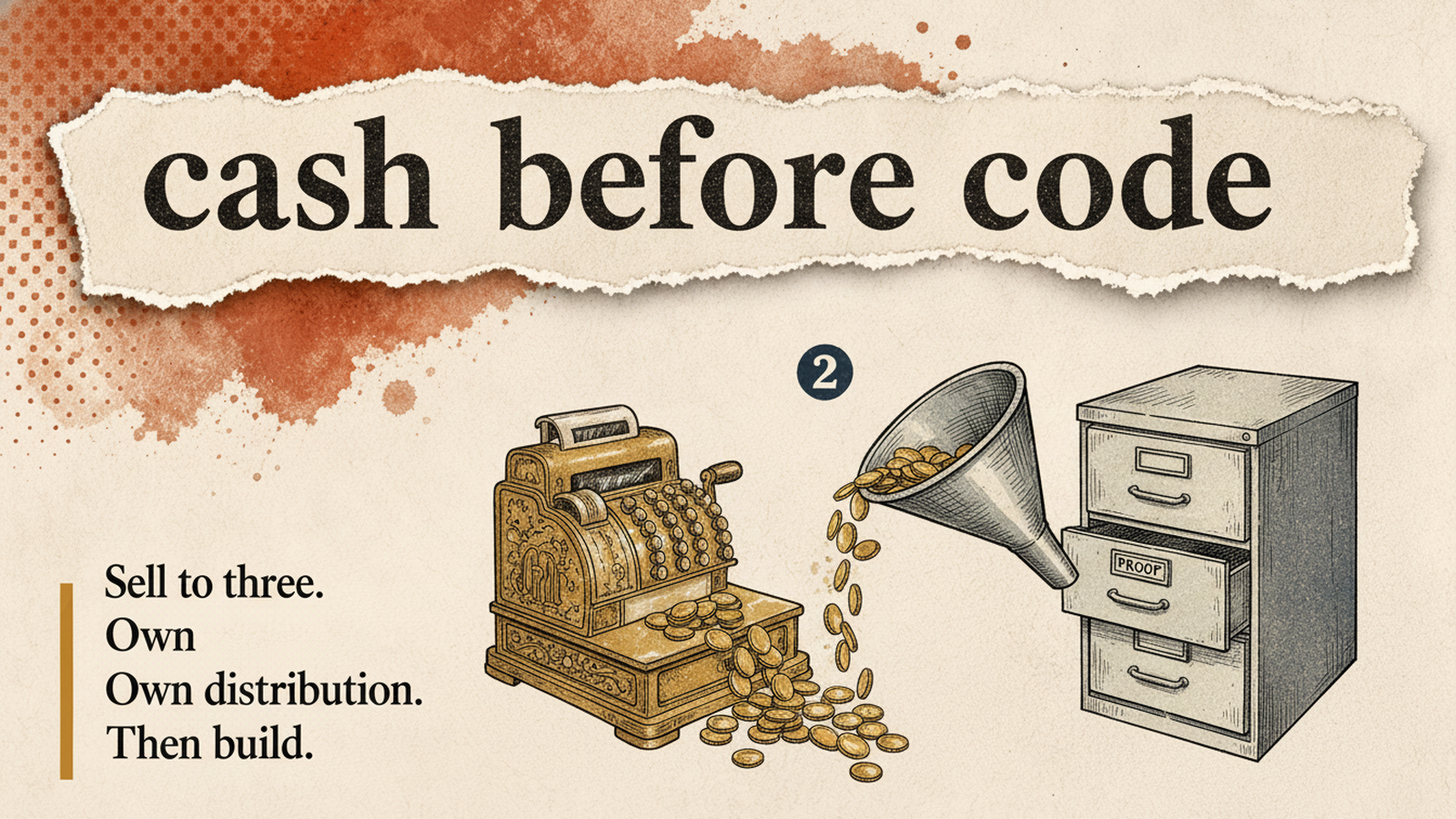
Primary: Codie Sanchez on LinkedIn. Related operating notes: Cash Before Code — Galaxy Day 1. Book: Own or Be Owned (launches 18 Sep 2026). Capture layer: Unique Data Is the Lead Magnet. Ownership playbook: Ownership Is Freedom — DOAC.
Attention is the moat
Codie Sanchez put it plainly on LinkedIn: nobody wants to hear it, but the biggest moat in business right now is attention.
Nobody wants to hear this, but the biggest moat in business right now is attention.
Codie Sanchez · LinkedIn
That claim sits next to a harder truth for founders. Products are getting cheaper to build. Reach is not. If you cannot earn attention, you buy it — and buying it forever is not a moat.
Forty cents of every venture dollar
Sanchez's supporting number is the one that stings: 40 cents of every venture dollar raised goes to Google and Facebook for ads. Capital raised to "scale" often becomes rent paid to platforms that own the demand.
Ads can still work. Her point is dependence. Spending time building an audience organically, she argues, produces higher long-term ROI than almost anything else a founder can do — because the asset compounds on your side of the ledger, not theirs.
The 30 / 60 renting rule
Her rule of thumb is a single ratio: paid-ad revenue ÷ total revenue.
Codie Sanchez, LinkedIn — paid-ad revenue ÷ total revenue
The test is deliberately crude. It does not grade creative quality or ROAS for a single campaign. It asks whether the company can still exist if the ad faucet tightens. If most revenue arrives only when you pay for clicks, the "business" is a lease on someone else's attention graph.
The Ad Trap
A complementary frame — shared here as a working diagram, not claimed as Sanchez's own drawing — labels the same failure mode The Ad Trap.

Profit still starts from the familiar identity: Profit = (LTV − CAC) × customers. When CAC rises faster than LTV, profit falls even if top-line looks healthy.
The simple diagnostic: revenue ↑, ad spend ↑↑, profit flat or ↓ → you're renting demand. Growth that only appears when ad spend accelerates is not ownership. It is a meter running. Top-line charts can look like progress while contribution margin quietly dies — which is why the trap is easy to miss until cash gets tight.
Build the audience that compounds
Sanchez's alternative is not "never buy ads." It is sequencing and ownership.
- Earn attention first. Learn who responds and what creative works before you pay to amplify noise.
- Treat organic audience as a balance-sheet asset. Email lists, communities, owned channels, and reputation compound; rented clicks reset when the bid rises.
- Use ads to scale a message that already works — not to invent demand you have never proven.
- Watch the rent ratio. If paid share of revenue drifts past 30%, and especially past 60%, you are financing someone else's moat.
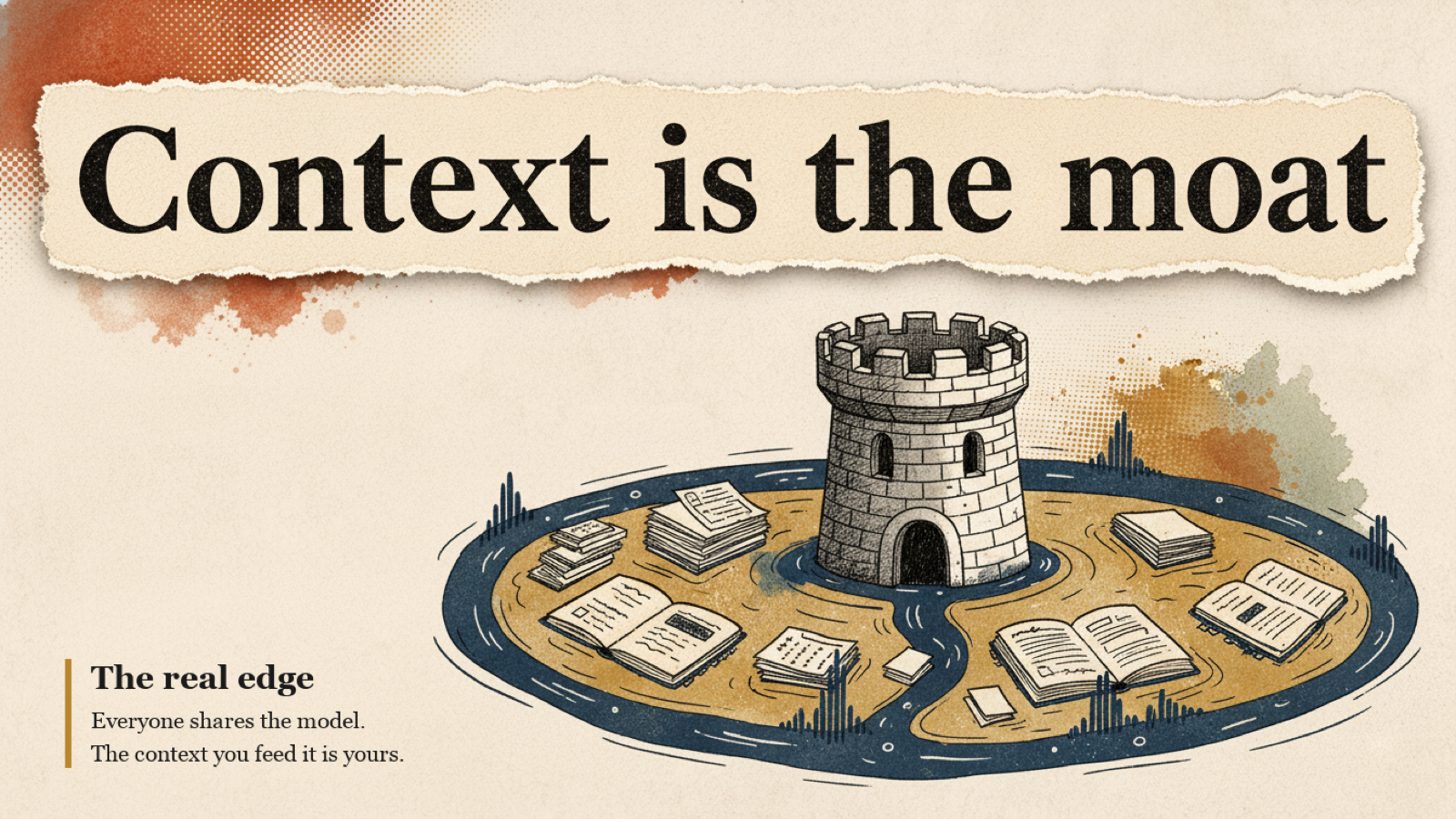
Founders often invert that order: raise capital, buy traffic, then hope the product retains. Sanchez's frame flips it. Distribution work is the product work that shows up as a moat later — slower to start, harder for a competitor to lease overnight.
This is the same distribution discipline she stressed in the Galaxy Day 1 notes: organic before paid; distribution as the moat. That earlier piece covers sell-to-three, imitate→iterate→innovate, and proof vaults. This page owns the LinkedIn ratio and the Ad Trap test. Lead magnets that over-deliver are the capture mechanism for that owned audience — see Unique Data Is the Lead Magnet.
Own or be owned
She closes the LinkedIn post by pointing to her book Own or Be Owned, launching 18 Sep 2026 — the same ownership thesis in long form: own the audience, the cash flow, and the asset, or rent them from platforms that do. The same ownership thesis appears earlier in her DOAC interview notes.