TL;DR
The short version
On Grok Bot Galaxy Day 1 (15 Sep 2026), Codie Sanchez told the live Ship-by-Thursday team to sell the idea to three people before deciding what business to build, treat distribution as a moat, learn organically on X before buying ads, keep a proof vault and invert AI pitches until they make small businesses cash. Cool builds do not pull customers by themselves.
Her message was practical rather than technical: prove demand early, study what already works, capture evidence and make every product answer the question of how it creates near-term value.
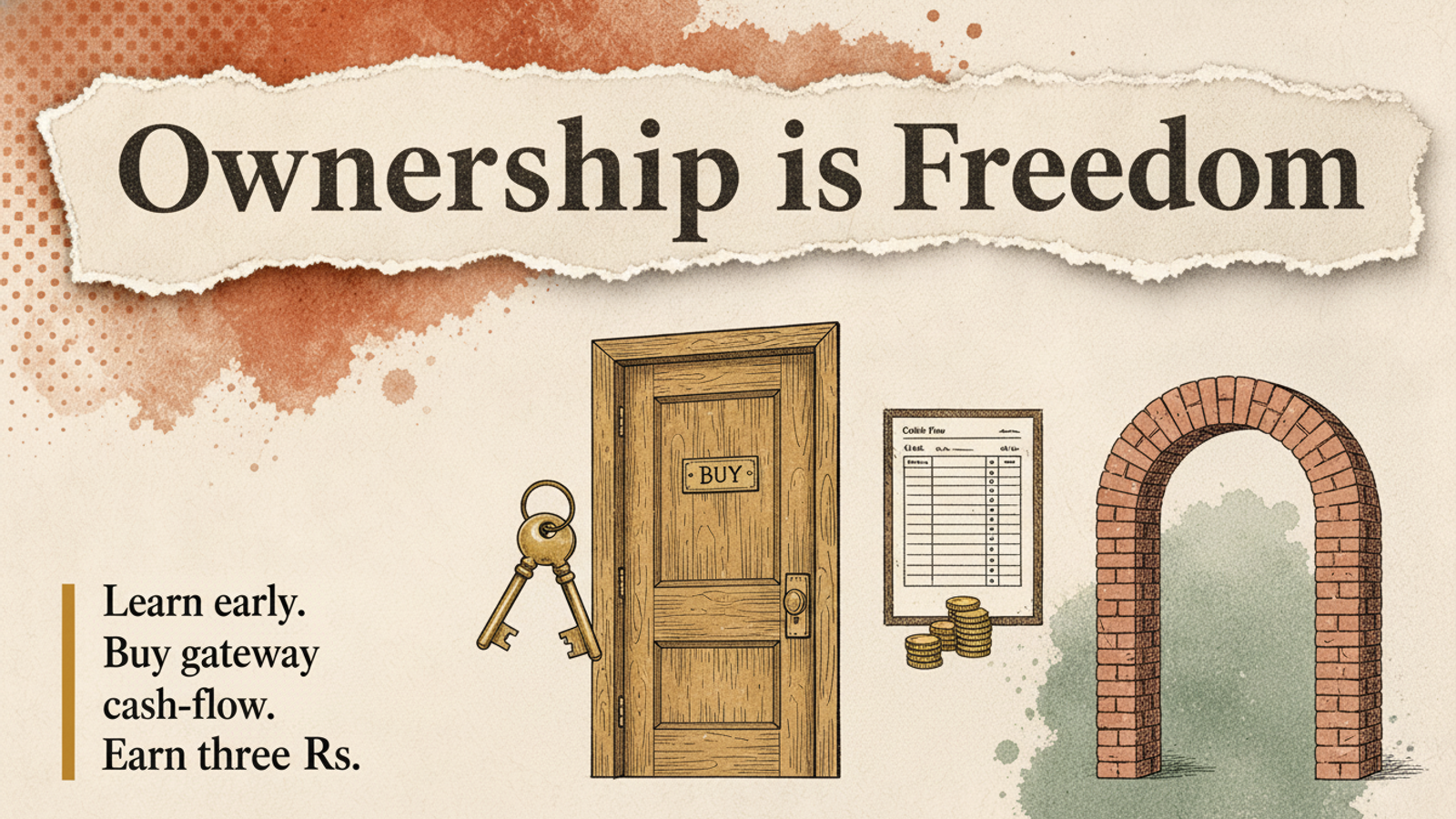
Guest: Codie Sanchez (Contrarian Thinking). Event: Grok Bot Galaxy Day 1. Primary source: official X broadcast. Secondary: Contrarian Thinking, Main Street Millionaire, Own or Be Owned. Ownership frame from DOAC: Ownership Is Freedom.
Who showed up, and why it mattered
On 15 Sep 2026, during Grok Bot Galaxy Day 1, Codie Sanchez joined the builders working on a San Francisco pop-up. She is the founder and CEO of Contrarian Thinking, the author of Main Street Millionaire and was preparing to launch Own or Be Owned.
The builders had a pop-up wedge and little domain knowledge. Her advice was not "prompt harder." It was cash, distribution and proof.
Cash first — sell before you build
Her opening rule was simple: before deciding what business to build, see whether you can sell it to three people. A restaurant pop-up may not attract venture capital, but that is no reason to neglect distribution. The first test is whether anyone wants the thing badly enough to commit.
Sell the dream before signing leases or taking on paid commitments. Free tests still need a story people want to help with. Sanchez encouraged founders to learn from people who have lived the problem, or to reverse-engineer how strong operators positioned themselves early; she pointed to Danny Meyer and Shake Shack as examples.
If you build it, I promise you they will not come.
Codie Sanchez · Galaxy Day 1
Her broader point was that a business exists to make a profit. Builders often ship something interesting and assume customers will follow. The hard work is creating the pull before the build becomes expensive.
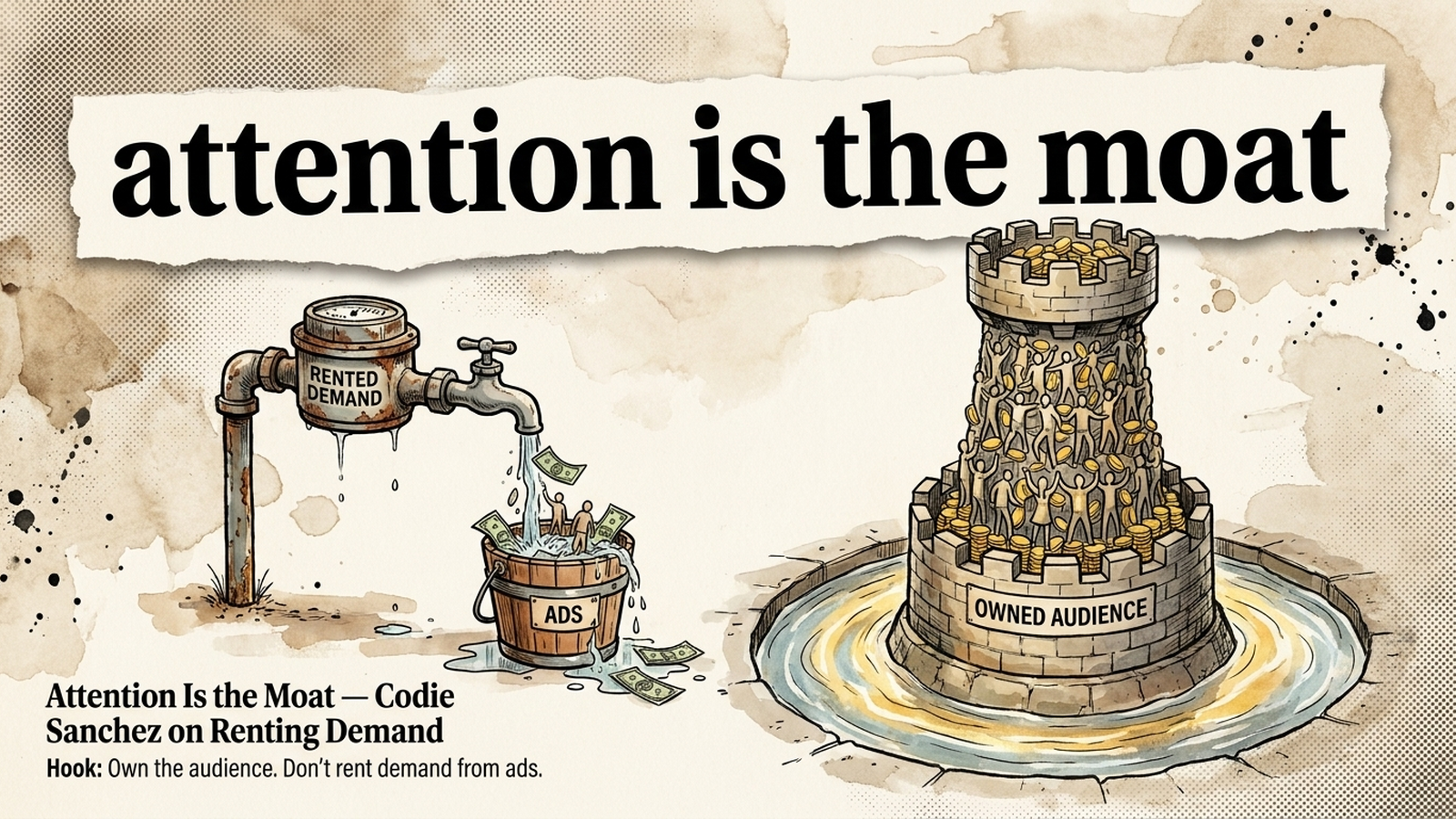
Distribution is the moat — ads come later
Sanchez argued that products are becoming easier to build, which makes distribution more valuable, not less. At Contrarian Thinking Capital, she said, the most common reason AI businesses fail is that they have no distribution. Most businesses will not receive funding, so they need early cash flow and a way to reach customers.
She has made a similar case publicly, describing attention as a major current moat and framing audience, community and cash flow as a compounding stack. The practical implication is to build in public and learn from the market instead of disappearing into stealth mode.
Controversy can be inexpensive distribution: ask what you believe that others do not. Sanchez also said the most effective creative is often less polished, with people talking inside the business rather than corporate visuals and heavy branding. Hooks and landing pages should give people a reason to act through some combination of exclusivity, scarcity, timeliness and relevance.
Imitate → iterate → innovate
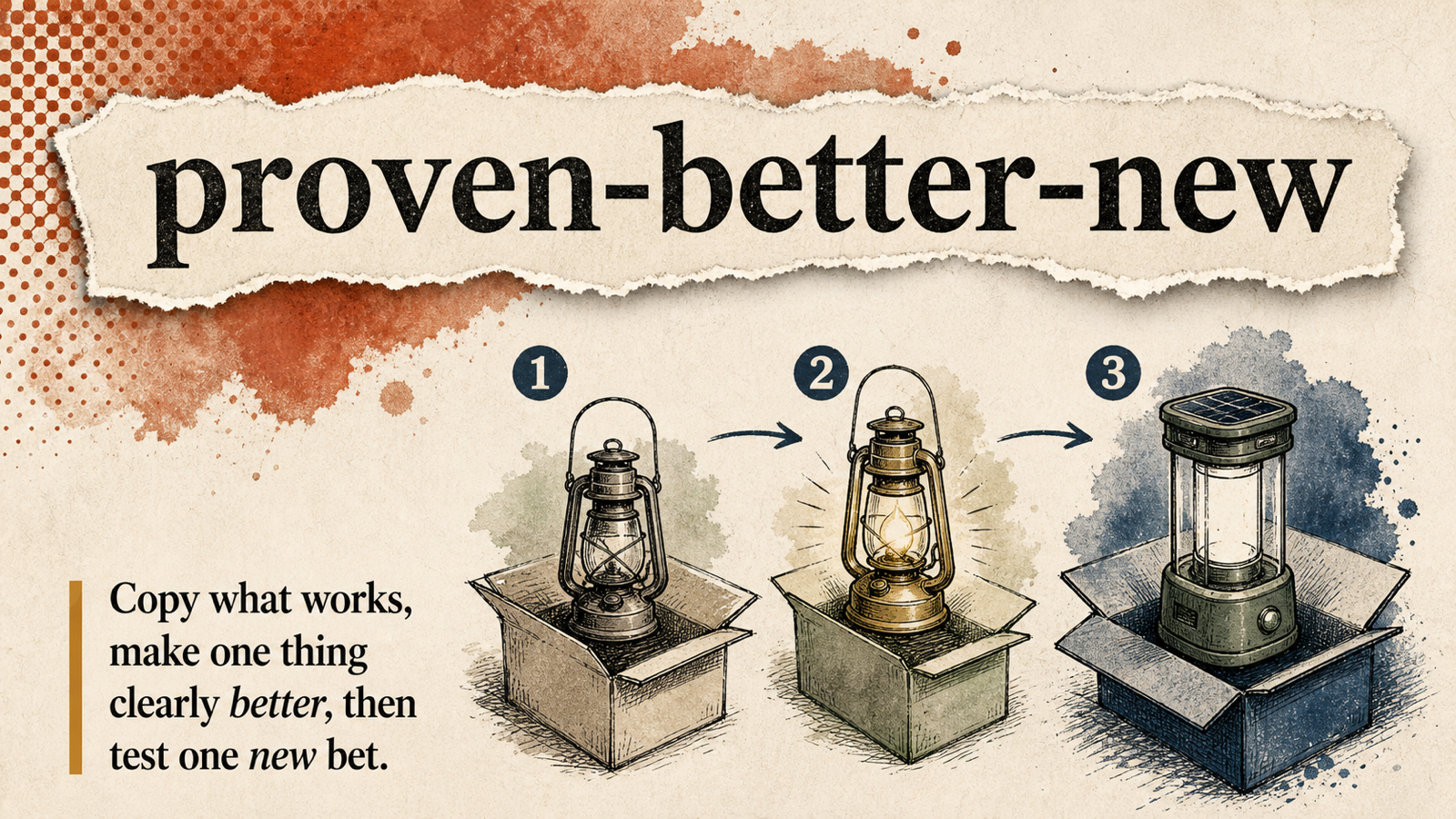
Sanchez's preferred order for building is imitate, iterate, innovate. Do not begin with a blank page when someone else has already solved part of the problem. Find the strongest examples, understand why they work, improve what is weak and only then introduce something genuinely new.
For the San Francisco pop-up, she suggested identifying leading local restaurateurs, studying their best sites, reviewing successful pop-up pages and examining major-city pop-ups from the previous six to twelve months. Bring the research into one document before deciding on branding and differentiation. If the purchase or reservation is not ready, capture email addresses first.
It is a repeatable antidote to premature originality. The goal is not to copy forever; it is to replace guesswork with evidence. The sequence also echoes the imitate → iterate → innovate pattern discussed elsewhere.
Invert the AI pitch until it makes cash
For traditional and small-business buyers, Sanchez recommended starting with the outcome rather than the technology. She invoked Charlie Munger’s maxim, "invert, always invert," (see the Munger Archive) and asked founders to work backward from the point where an AI service makes a small business cash.
When money is tight, an AI product that cannot be tied to near-term revenue is a difficult sale. A better question is: what can this help a customer earn, save or collect now?
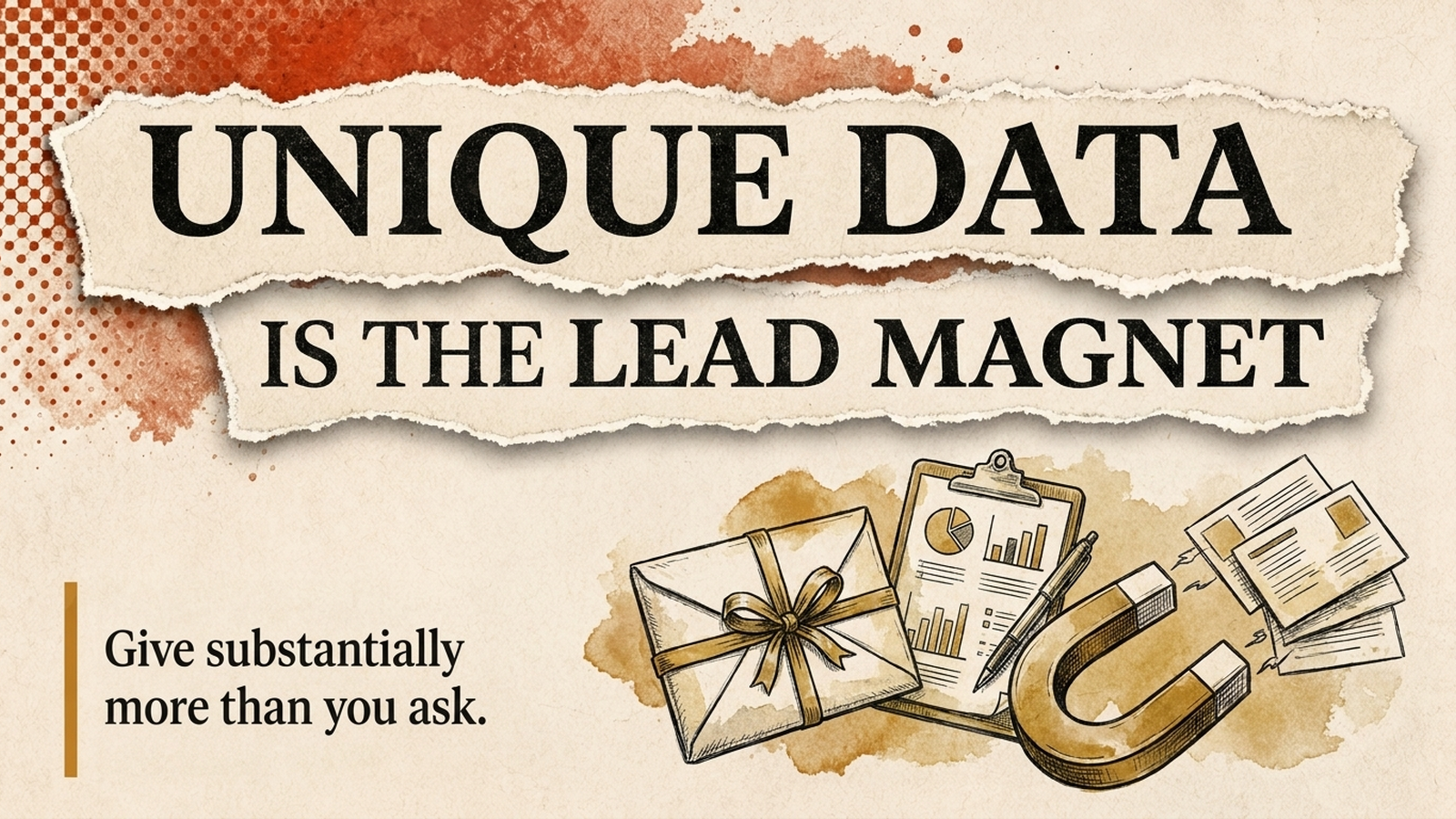
She also urged founders to ask what unique data they possess. Her lead-magnet example was a survey of business owners, assembled with tools including Claude, Vercel and Replit, that made the request for an email feel like a gift rather than a trade. The standard should be to give people something substantially more valuable than what you ask from them. The full magnet thesis — unique data, over-deliver, and her live assets — is in Unique Data Is the Lead Magnet.
Keep a proof vault
Sanchez’s final operating lesson was to collect proof from the beginning. Testimonials, video views, screenshots, recent wins, verification and permission to share should live in a simple proof vault. Capture the evidence while the company is still small; it becomes much harder to reconstruct later.
- Hire excellent people and oversee them intensely rather than assuming management can disappear.
- Set clear goals and connect marketing incentives to lifetime value and other business outcomes.
- Apply the same discipline to bots: do not simply let them run without supervision.
The through line from Sanchez’s Galaxy appearance is straightforward. Technology can make a product possible, but it does not create demand. Sell before you build, learn where attention comes from, keep evidence of progress and make every AI idea answer the same question: where is the cash?. For the broader ownership / gateway-business frame from her Diary Of A CEO interview, see Ownership Is Freedom.