TL;DR
The short version
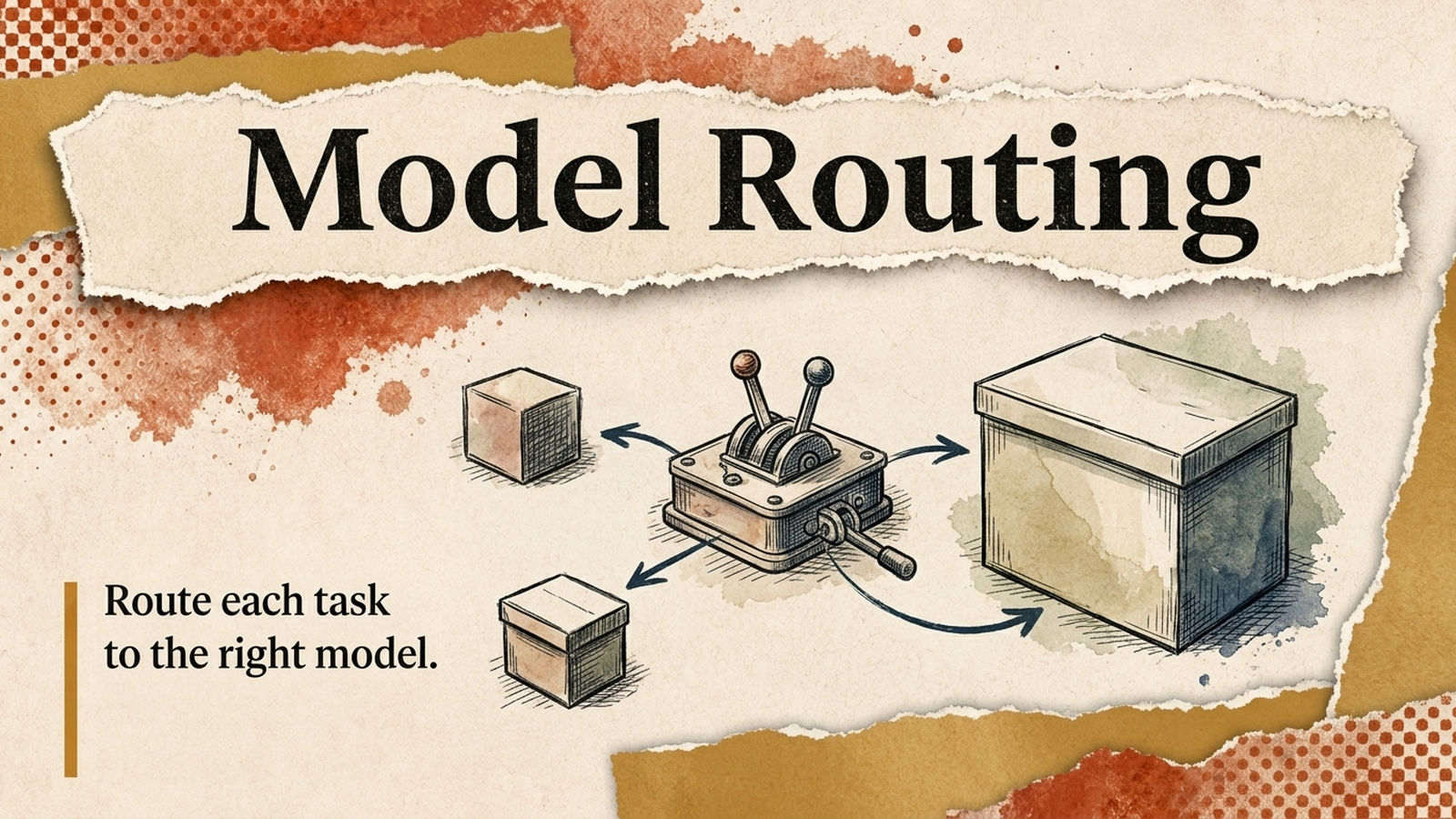
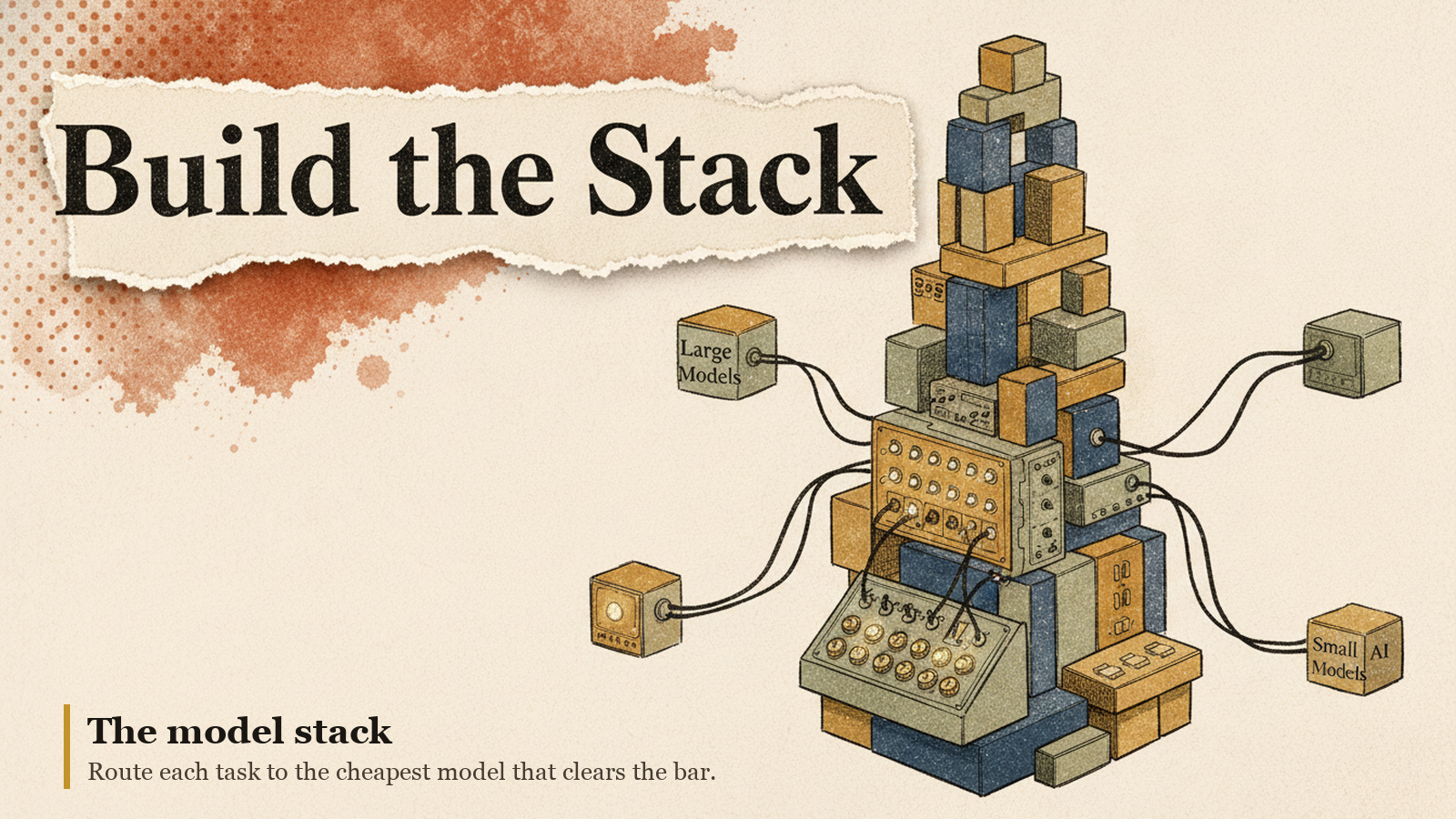
Three launches in one week point the same way. Grok Bot will route work to rival labs' models. Anthropic is now competing hard at the cheap end. OpenAI is competing on how answers look, not just how smart they are. The model is turning into a part you swap; the product around it is what keeps users.
On The AI Daily Brief, Nathaniel Whittemore reads the week's product news against Ramp's October spending data and finds the trends line up: multi-model products, cheap American models, and labs finally caring about product.
Built on Nathaniel Whittemore's 9 October episode of The AI Daily Brief, with pricing and benchmarks checked against Anthropic, Artificial Analysis and OpenAI.
The spending data already shows the shift
Ramp's October vendor letter is built from card and bill-pay transactions across more than 70,000 businesses. Those customers skew toward early adopters, so treat it as a leading signal, not the whole market.
TypeSafe AI, maker of the Jev decision model, topped Ramp's trending list. Jev gained a full percentage point of business adoption within a month. DeepSeek appeared twice, alongside model-routing platforms like Featherless AI.
Ramp's lead economist, Ara Kharazian, describes spend being pulled two ways. Cheaper and highly token-efficient models "will threaten OpenAI and Anthropic's revenue growth among businesses." Expensive image and video tools such as Runway and Higgsfield push spend back up.
Grok Bot will use whichever model wins
The biggest product news came from Elon Musk. "Going forward, SpaceX will use the best back end model for any given task, including Claude Opus 5.5, MidJourney, Suno and other leading APIs," he posted on 7 October. Most simple requests, he added later, will go to a fast version of Grok 4.8 once it ships.
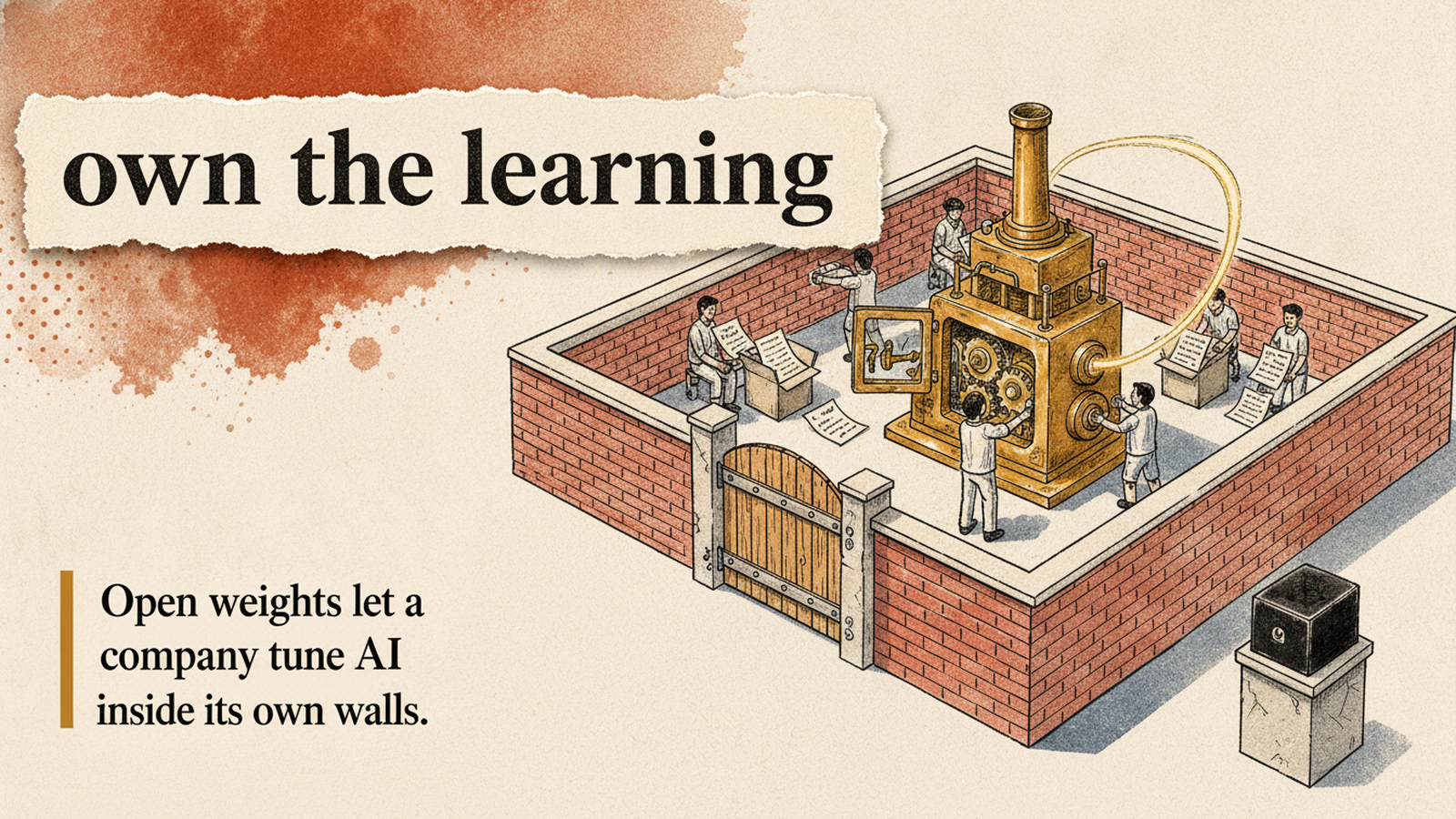
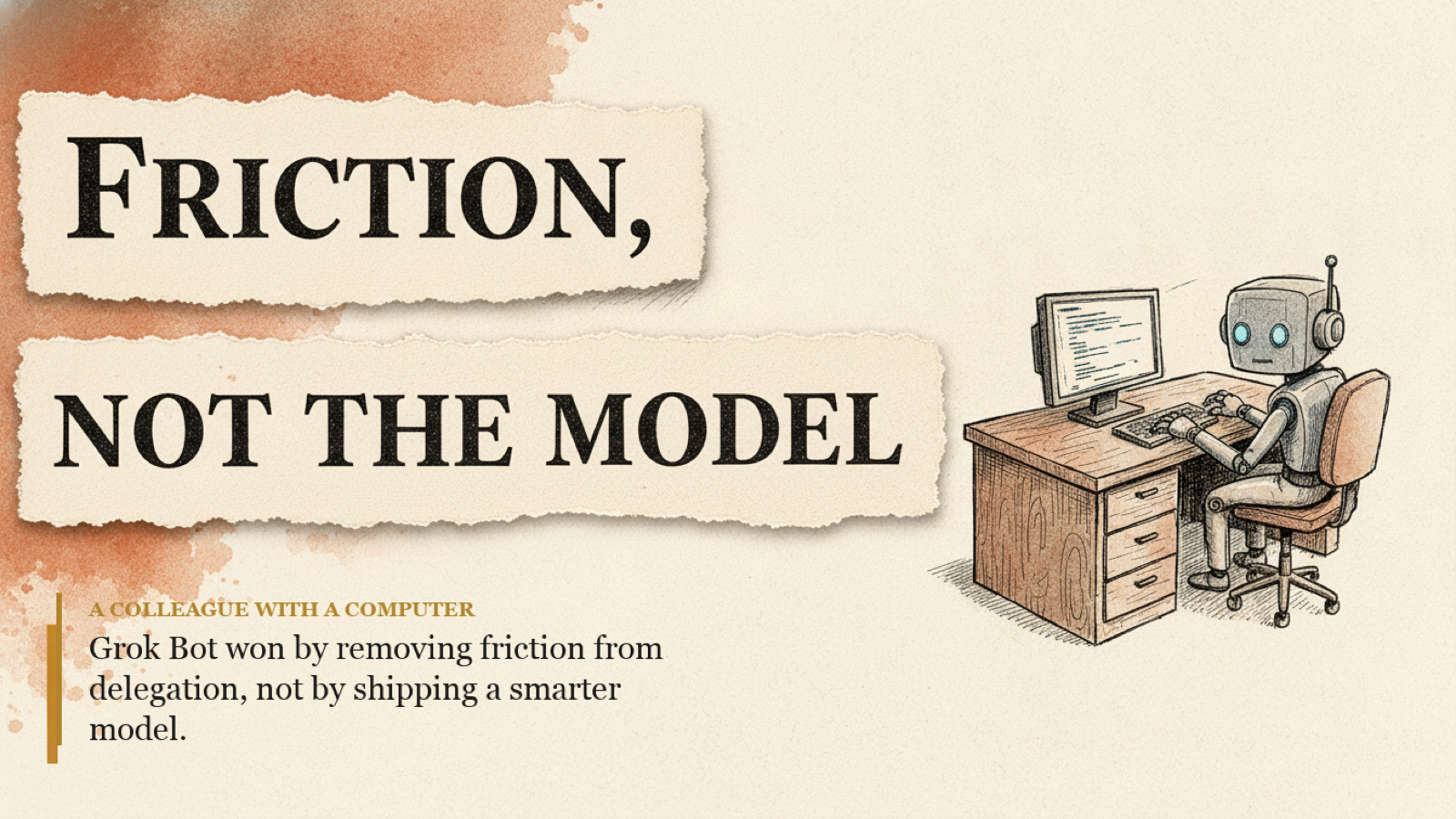
Whittemore calls this a flag planted on a question the industry has argued about all year: does the lasting advantage sit in the model or in the harness, meaning the product, tools and context wrapped around it? Grok Bot is betting on both. Users keep the product and their context, and the models become "mobile and transportable".
No company can provide the best model for every use case.
Thomas Tungus on X, read on The AI Daily Brief
There are limits. The named partners are companies with ties to Musk or SpaceX compute, and there is no OpenAI option. Some Grok users said they don't want to pay for, or route through, rival labs. That is a curated menu, not the bring-any-model openness of Nous Research's Hermes agent, which just raised at a $1.5 billion valuation.
Cheap and capable is now American
Anthropic's Claude Haiku 5.5 shows a frontier lab will also fight at the cheap end. On Anthropic's own tests it scores 72.4% on the OSWorld computer-use benchmark against 48.9% for OpenAI's GPT-6 Luna. Artificial Analysis independently scores it 43 on its intelligence index, between Kimi K3 and GLM-5.3 Flash.
The price is the story, and the episode understates it. For prompts up to 100,000 tokens, Haiku 5.5 costs $0.10 per million input tokens and $0.50 per million output: about a twentieth of Sonnet 5.5 and 90% below Haiku 4.5. The "quarter of Sonnet" figure on the show applies only above 100,000 tokens. Anthropic says about 90% of requests to its previous Haiku fell below that line.
Anthropic, Introducing Claude Haiku 5.5; Artificial Analysis (7 Oct 2026)
The catch is that Haiku 5.5 uses a lot of tokens: about three times as many as Luna per task at maximum effort in Artificial Analysis's testing.
One investor's verdict, read on the show: "Narrative violation. If you want the cheapest LLM, you should now buy American." Whittemore's open question is the right one. If enterprises still want Chinese open models, was it ever about cost, or about running models on their own hardware and keeping their data?
The labs are finally competing on product
OpenAI shipped two things. GPT-6 now reaches free users, with more than 1.2 billion people using ChatGPT each week. And Intelligent UI lets answers arrive as charts, maps, forms and small tools, built from a library of components that render while the model writes.
OpenAI's Andrew Chen put the hard part plainly, as read on the show: "It turns out the hardest part of generative UI isn't generating the UI." It is deciding when an interface helps and when plain text is better. Some early users found the answers busier, not clearer.
Whittemore's larger point is about the labs themselves. They have got away with clumsy products because the intelligence made up for it. "Now that everyone has that sort of intelligence on tap, product differentiation is going to really matter."
So treat model choice as a setting, not a commitment. If a product lets you route by task, the cheapest capable model is now often a US one. Price it on your real prompt lengths and token use, not the headline rate. And judge AI tools on the product as well as the model, because that is where the labs are now competing.