TL;DR
The short version
Two failure modes name the same self-deception. AI wishing treats AI as magic — wave it at a hard problem and skip the work. AI washing is claiming more AI progress than exists to show a quarterly win. The toxic form is the AI layoff: cut headcount for efficiency that doesn't exist yet, then quietly rehire.
The cure isn't a better model, it's maturity. Buyers who treat AI as a real engineering discipline — open-weight policy, fine-tuning, routing — starve the incentive to fake it. Terms from former Lululemon CIO Julie Averill, via The AI Daily Brief.
Built on Nathaniel Whittemore, The AI Daily Brief, 5 Aug 2026, on Julie Averill's New York Times op-ed.
Wishing and washing
AI wishing is the belief that AI is magic — that you can wave its wand at a hard problem and skip the work of solving it. It's a close cousin of solutionism: the assumption a technology dissolves organizational problems that are really about process and people.
AI washing is the next step down: a company under pressure to show results claims to be doing more with AI than it actually is. This is already legally actionable — the U.S. SEC has brought AI-washing enforcement actions against firms overstating AI use to investors.
This kind of work doesn't happen in a quarter, and believing that it can is the trap.
Julie Averill, The New York Times
The AI layoff is the toxic form
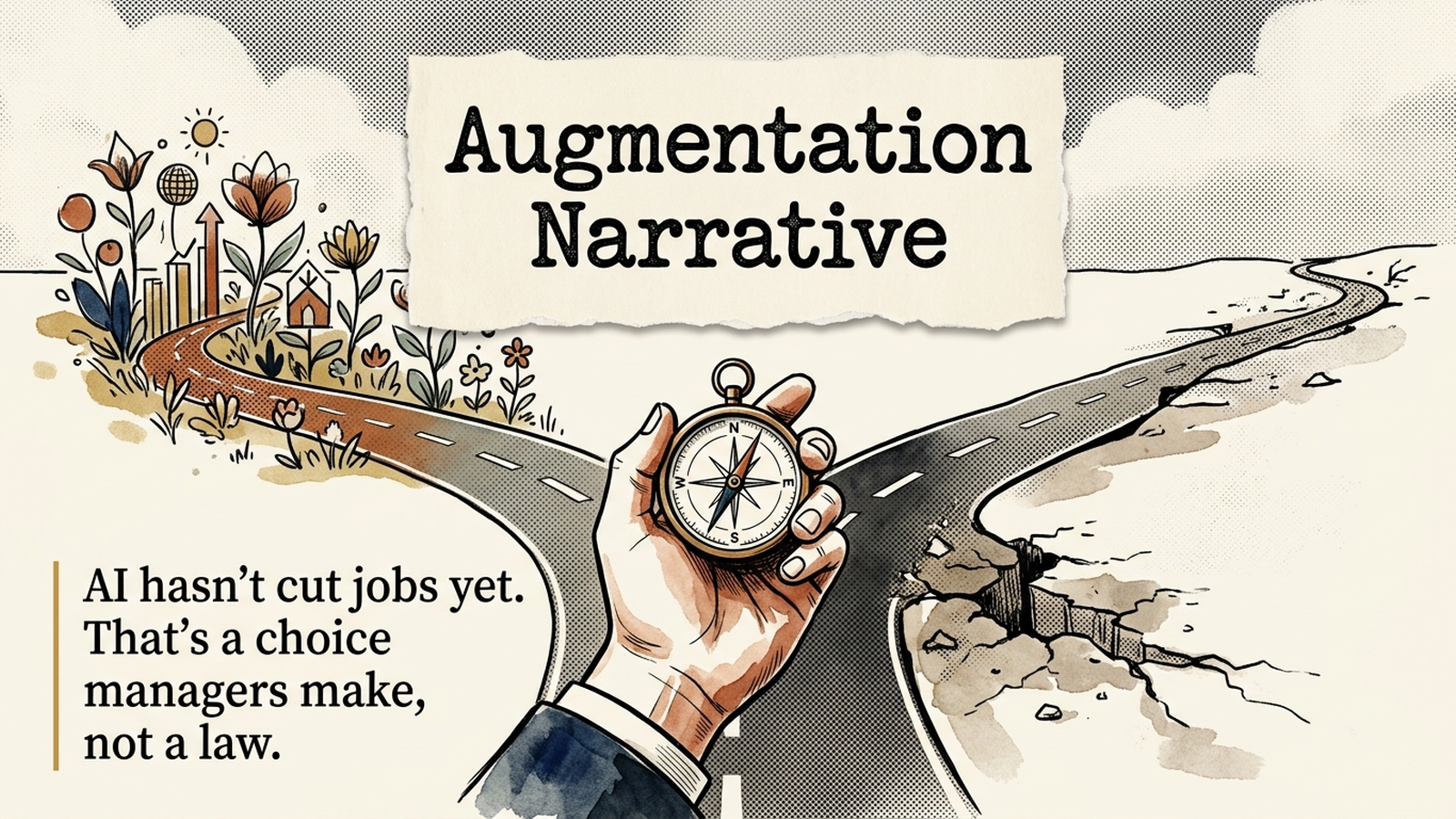
Washing turns destructive when the fake becomes a headcount decision: cuts justified by efficiency that doesn't exist yet, then partly reversed. The cost is real on both sides — cash burned on severance-then-rehiring, and trust burned with the people who remain.
Challenger, Gray & Christmas (May 2026); Robert Half via CNBC. Verified.
Maturity is the antidote
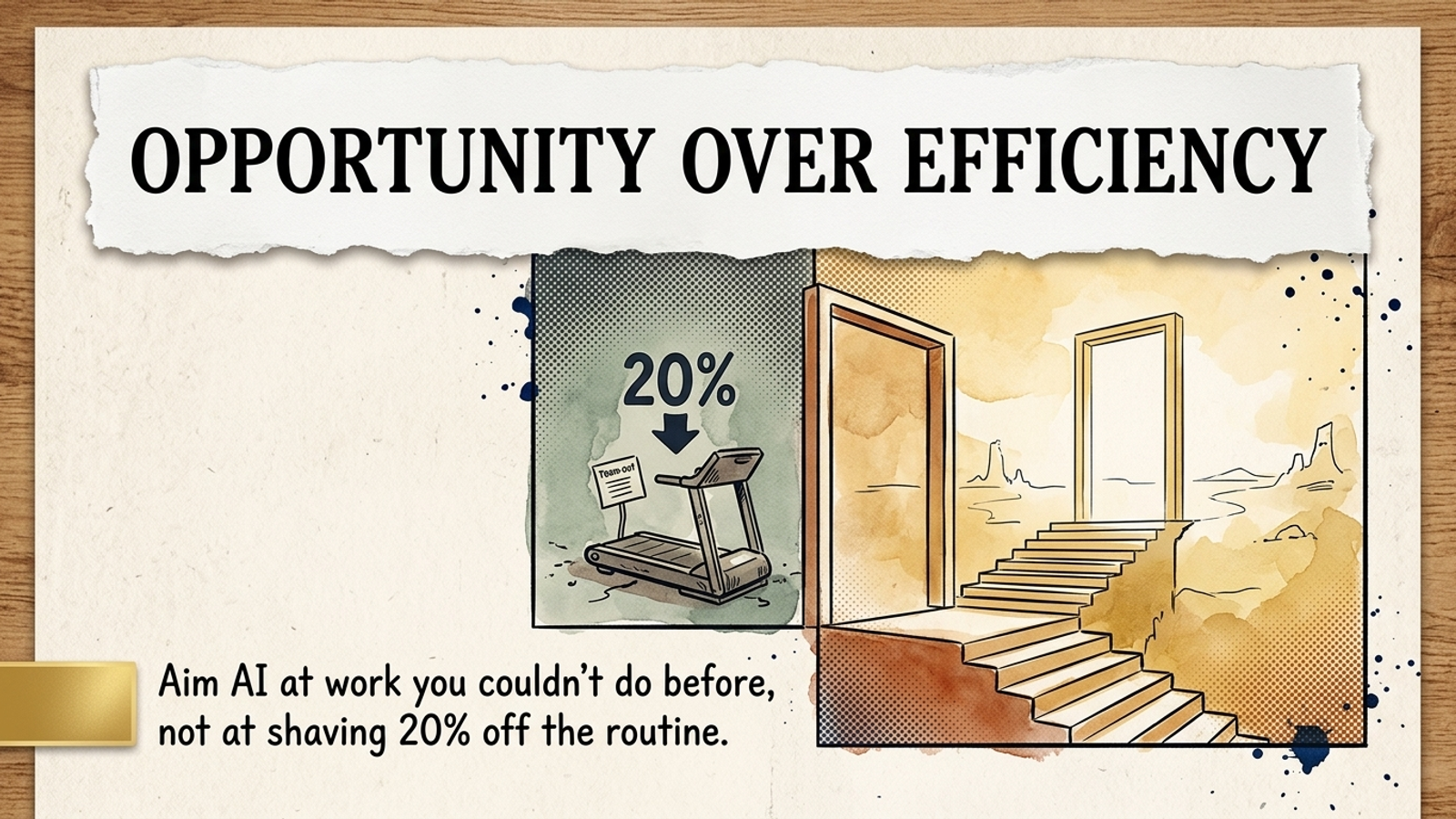
Efficiency-only framing is what produces washing under pressure. Organizations that treat AI strictly as an efficiency technology rather than an opportunity technology might eke out a few headline wins, then get pummeled by the firms that treat it as a redesign moment.
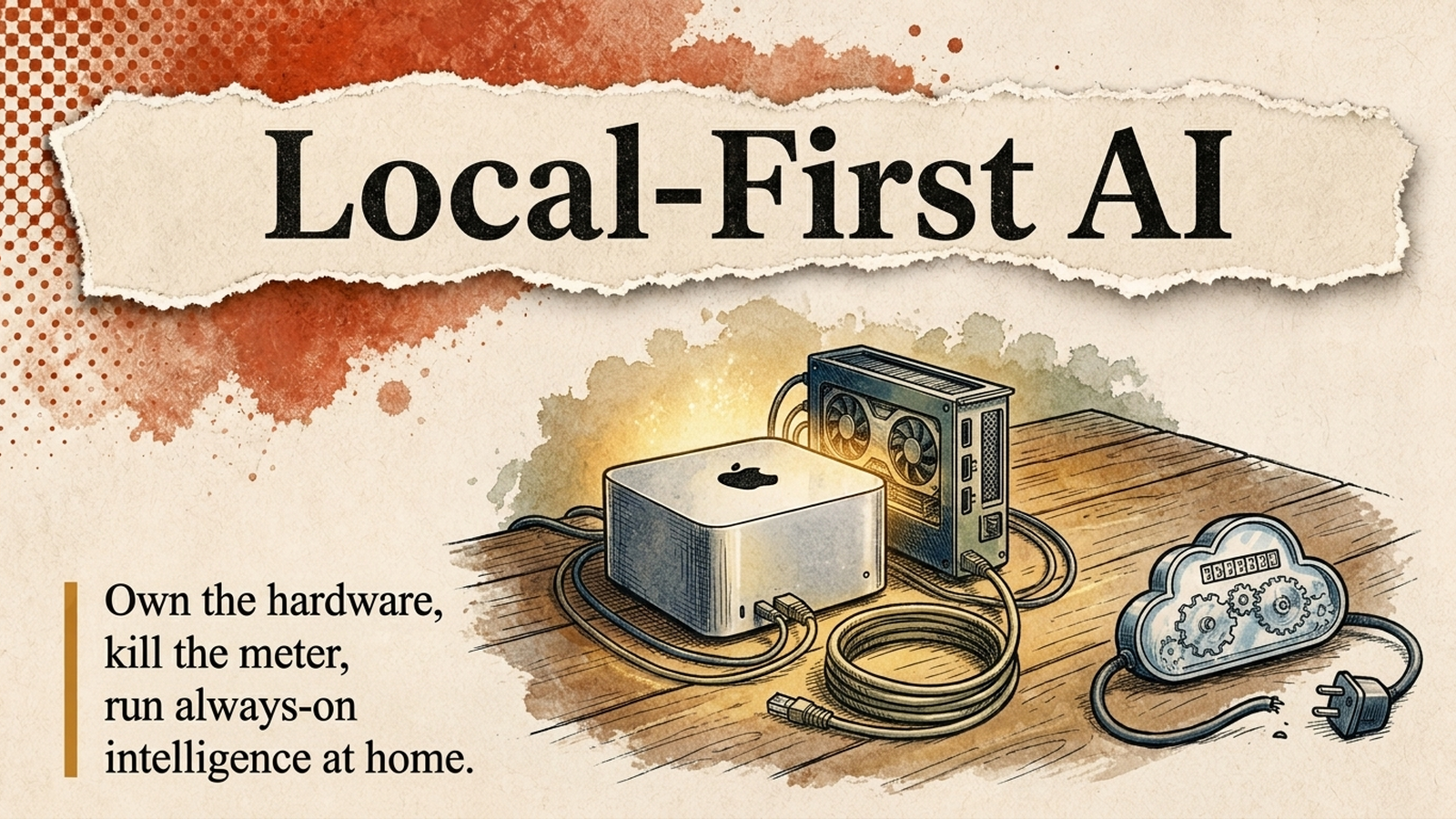
The through-line: enterprise buying is now a discipline. Buyers weigh open-weight policies, fine-tuning, and routing as an engineering problem, not a vendor checkbox — the release of a frontier open-weight model like Qwen 3.8 Max draws real enterprise attention now, not just developers. You can't wish or wash your way through a discipline you actually understand.