TL;DR
The short version
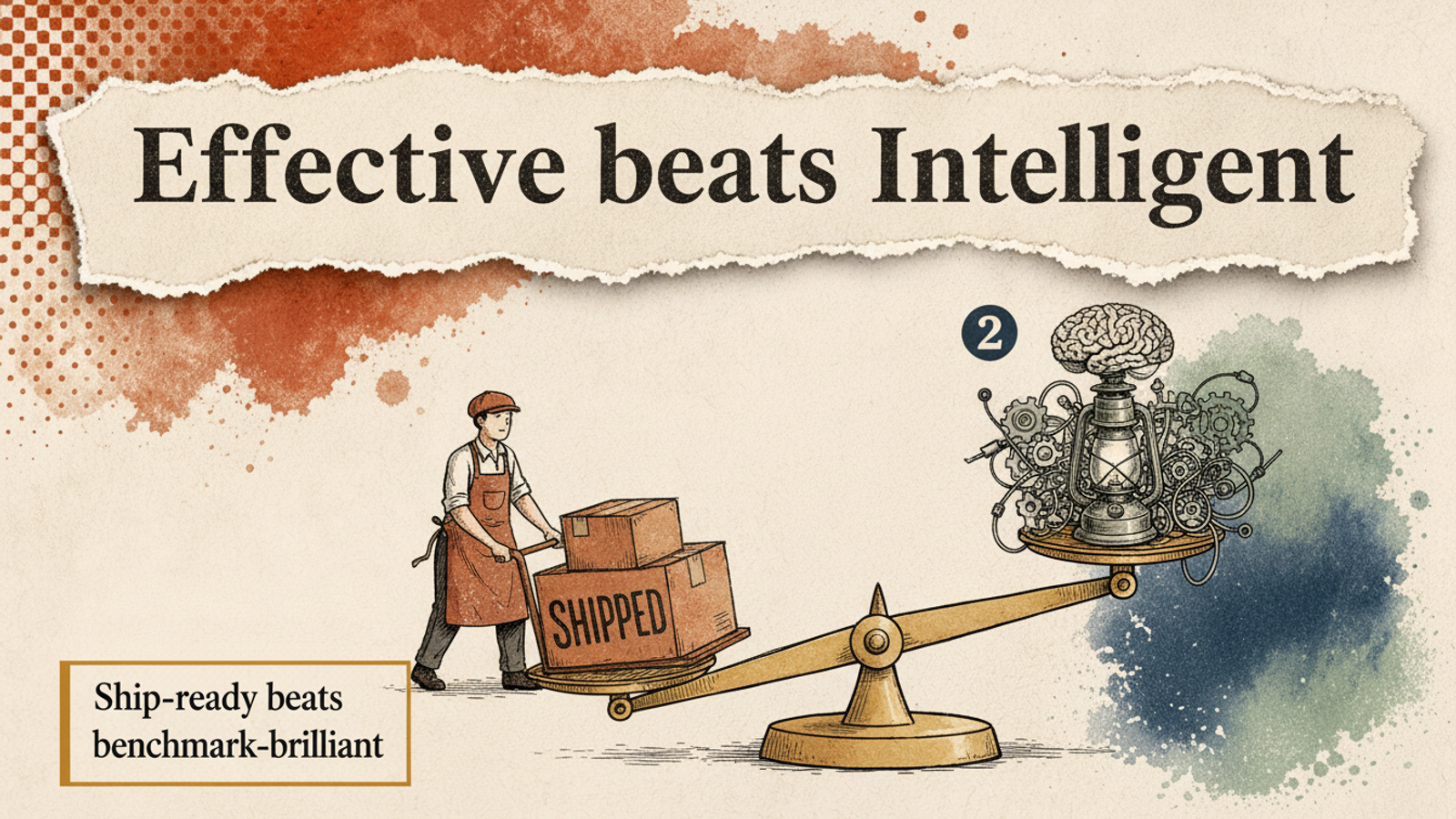
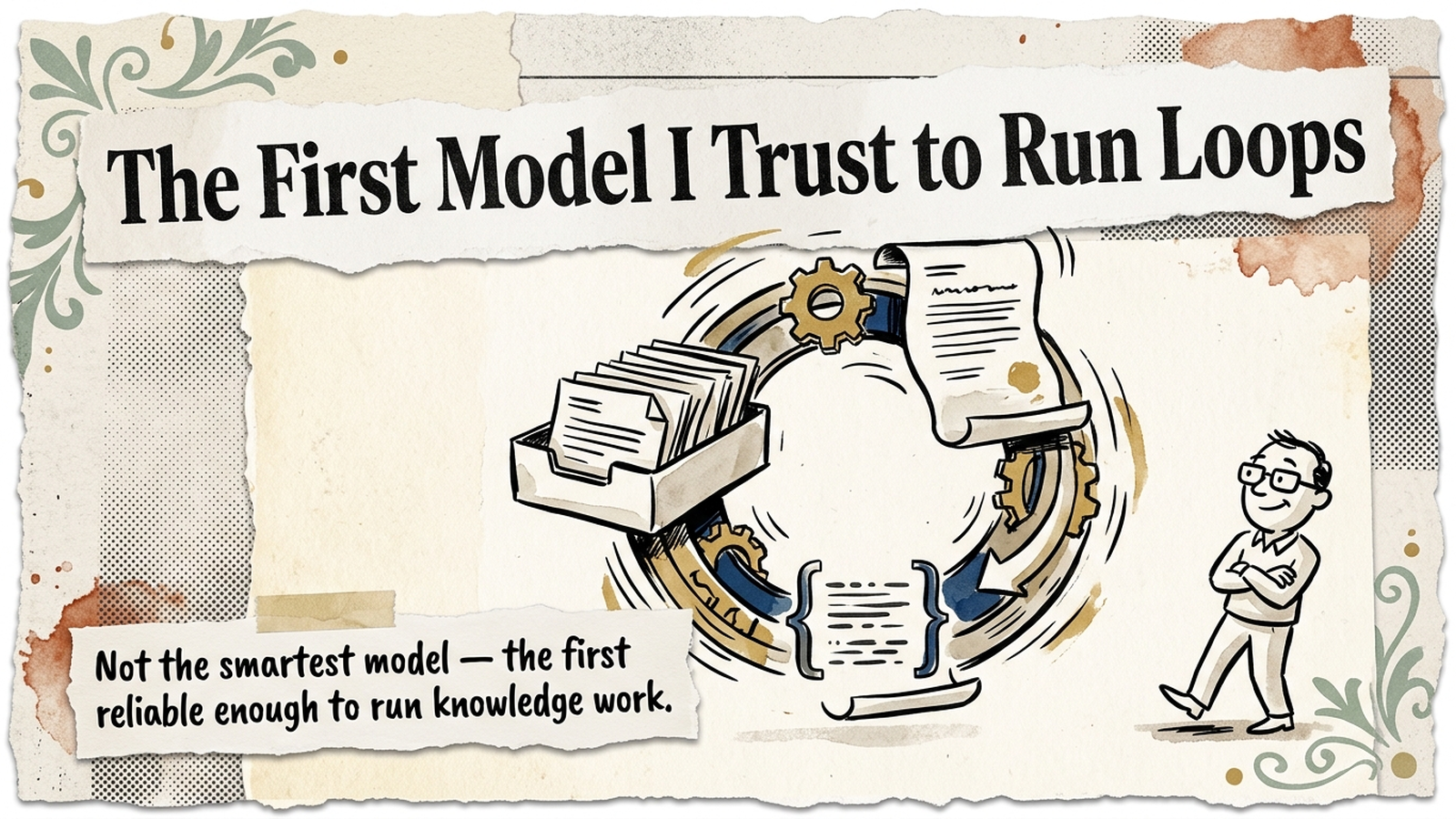
Four models shipped in one week — OpenAI's full-duplex GPT-Live, xAI's Grok 4.5, Cognition's SWE-1.7, and GPT-5.6 Sol. None is the smartest model available, and that's the point.
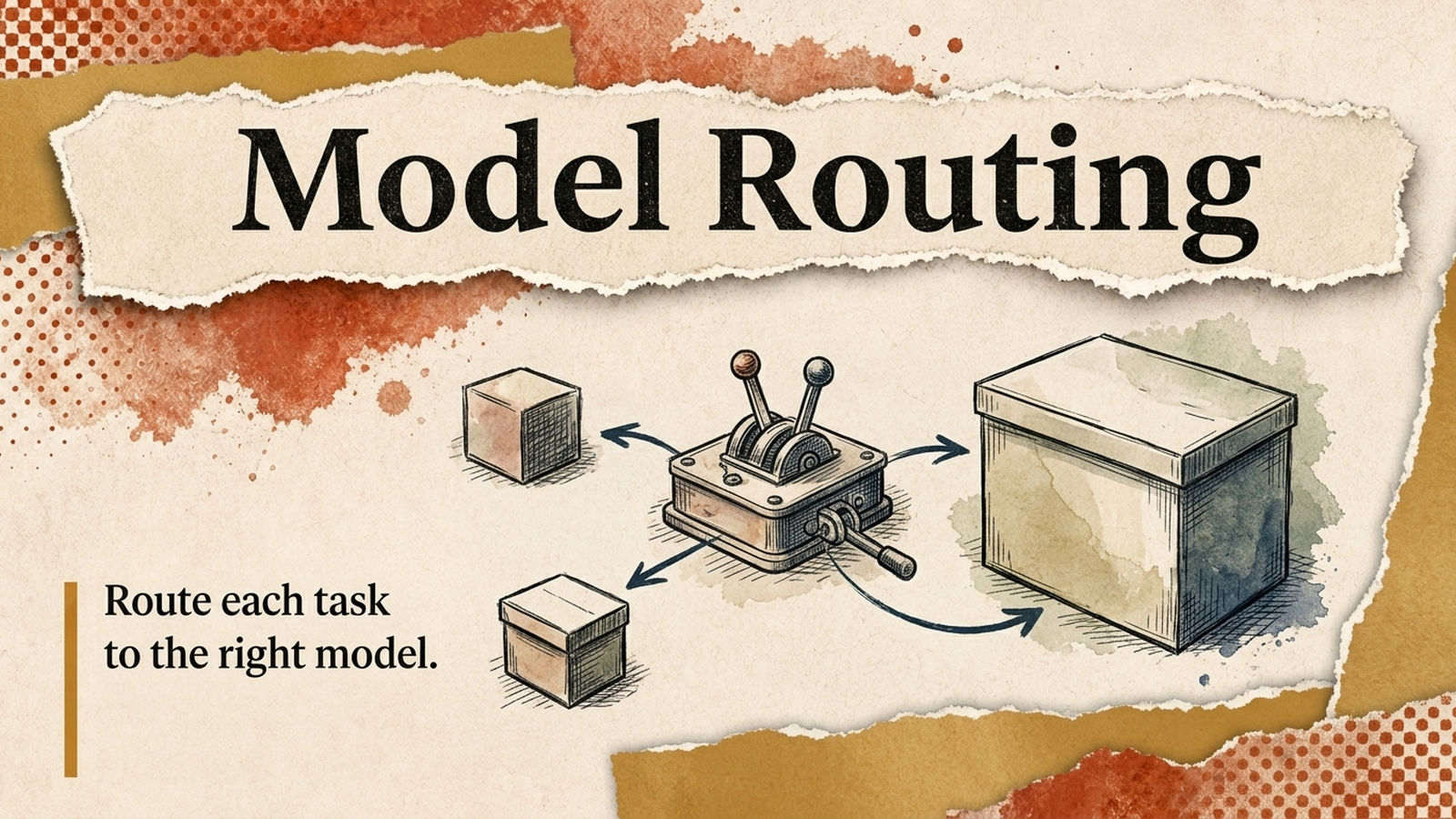
Read together, they move work in two directions: voice becomes a real input method, and near-frontier output gets cheap enough to run several models at once. The winning setup is a smart orchestrator over cheap, fast implementers — not a single best model.
Distilled from The AI Daily Brief (Nathaniel Whittemore), 10 Jul 2026. Benchmark figures verified against Artificial Analysis, Cognition, and OpenAI primary sources.
The frontier stopped being one race
The instinct is to ask which new model is best. That question is already stale.
The week's four releases aren't competing to be the smartest model. They compete on speed, cost, and how you interact with them. The deepest reasoning still lives in a frontier model like Fable 5 or GPT-5.6 — what changed is everything around it.
These are not just model tiers, they're interaction tiers.
Nathaniel Whittemore, The AI Daily Brief
Voice became an input method, not a gimmick
OpenAI's GPT-Live runs a full-duplex architecture: it listens and speaks at the same time instead of waiting for you to finish. When a question needs real reasoning, it hands off to GPT-5.5 in the background and keeps talking.
The operator's version is narrower than Sam Altman's 'I'll stop typing' framing. You don't need the model to talk back — you need to talk to it. Talking is faster than typing, and rambling gives the model far more context than a tidy prompt.
Keep the counter-point. As Gail Weiner put it, the voice isn't the product, the thinking is — a smooth voice around shallow reasoning is a pretty face with no depth. For quick answers, voice wins; for deep strategic work, the benchmark is still the reasoning model underneath.
Cheap is the new capable
Grok 4.5, trained by xAI with Cursor, makes the cost argument concrete. On Artificial Analysis' Intelligence Index it ranks fourth at $0.31 per task. On AutomationBench — an agentic test across simulated Excel, Gmail, and Slack workflows — it took the top score, and did it for a fraction of the cost.
AutomationBench via Yellow.com; Intelligence Index via Artificial Analysis (verified)
Elon Musk conceded the ceiling and made the point anyway: Fable is better than Grok 4.5, but most tasks don't require Fable-level capability. That's the pattern early adopters landed on — a smart, expensive model as orchestrator, a cheap fast one as the implementation agent underneath.
Cognition's SWE-1.7 tells the same story from the application layer: post-trained from the open Kimi K2.7 base, near-frontier quality at a fraction of the cost. For enterprises, the quiet advantage is open-source-level price without the data-sovereignty concerns of Chinese open-weight models.
Speed changes what the work is
The overlooked release is speed. SWE-1.7 runs around 1,000 tokens per second, which creates a new middle mode: a task that used to justify walking away finishes before you've mentally moved on. Technically async, fast enough that you just watch.
GPT-5.6 Sol shows the same effect in knowledge work. Reviewers rate Fable 5 higher on pure intelligence but reach for Sol to actually finish things — Peter Gostev called Fable 'a wise owl' and Sol 'a Rottweiler who will grab the problem by the throat and not let it go until it's done.' Cheap revisions make it easy to bin a weak draft and retry while the problem is still in your head.
What to do with this
Stop shopping for the single best model. Start assembling a stack.
Pick a smart orchestrator for the hard reasoning, wire cheaper fast models under it for the implementation, and move your own input to voice for the context-heavy parts.