TL;DR
The short version
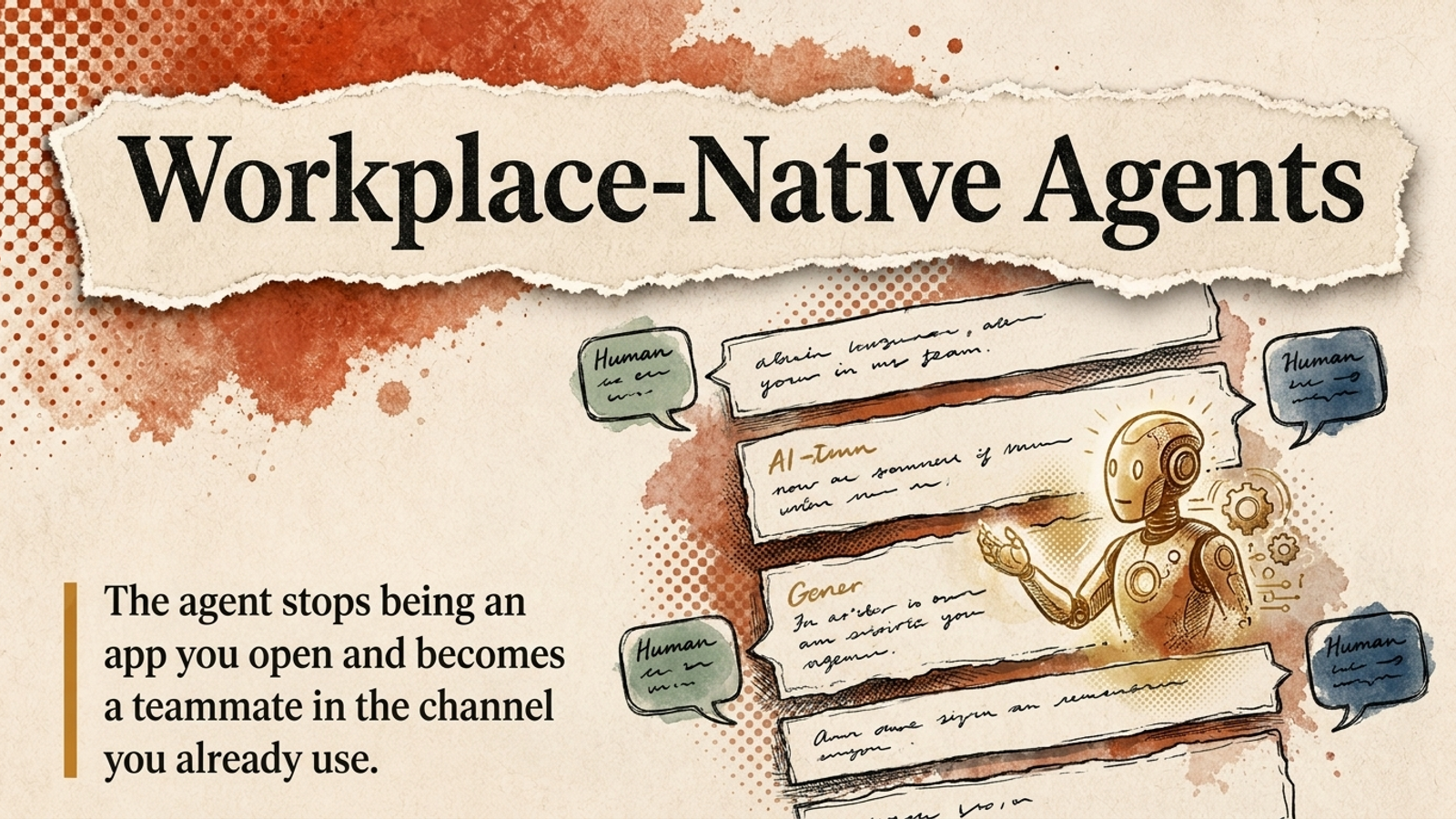
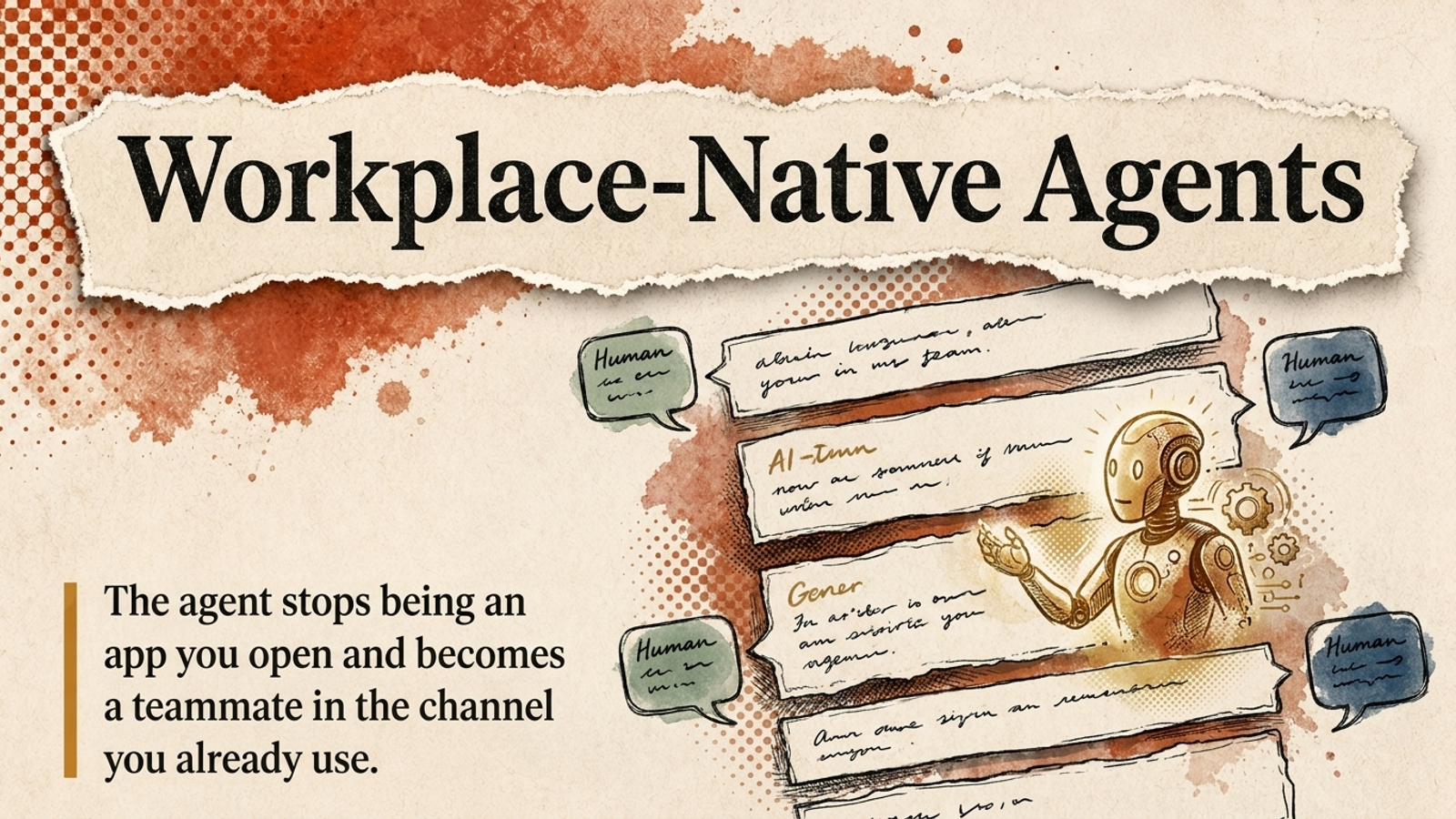
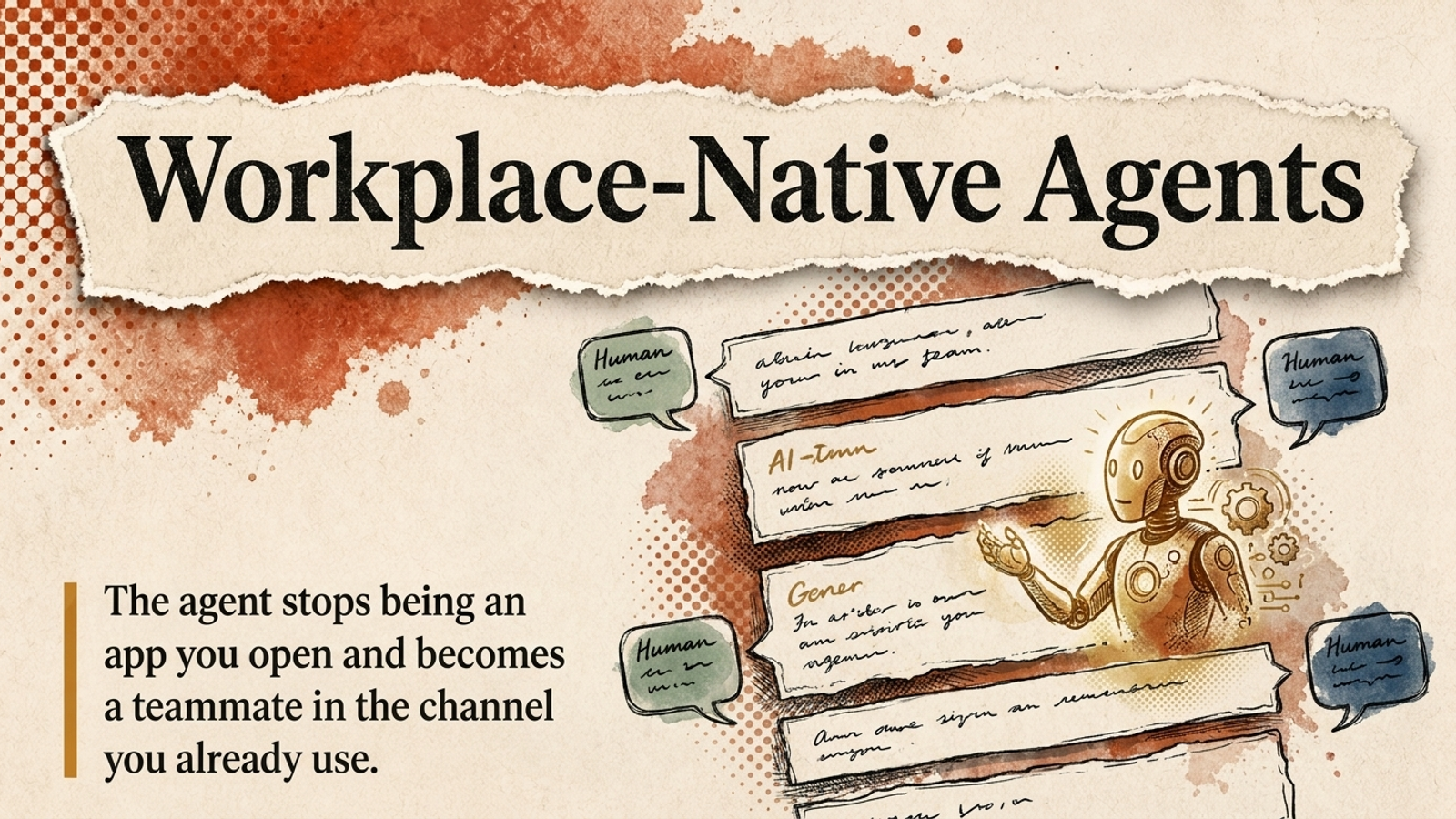
The argument that consumers don't want personal agents is half right. People don't want to optimize the parts of life they enjoy. They do want the admin gone. Now that agents are moving onto glasses, pocket devices and cars, the next test is whether they work proactively, without being asked.
On The AI Daily Brief, Nathaniel Whittemore puts Ben Thompson's "consumers don't want to be productive" critique up against the first real evidence: Muse at the top of the App Store, the NYT's two-week Muse test, Meta Connect's glasses and Muse Charm, and Grok Bot running errands from a Tesla.
Based on The AI Daily Brief, "AI Agents Are Moving Into the Real World" (published 5 Oct 2026), with reporting from the NYT, Sensor Tower via 9to5Mac, Meta and The Verge.
The skeptic case is about enjoyment, not capability
Ben Thompson made the sharpest version on TBPN. Tech demos keep offering to book your flight. He has had a personal assistant for ten years, and that assistant "does not come within an inch of booking my flights for me." And shopping, he argues, is entertainment. People don't want it optimized away.
It is a good critique of the demo, not of the category. The flight booking is the one task the user cares about getting exactly right. That is why it makes a bad first job for an agent.
The demand is for the schlep
The rebuttals Whittemore collected all make the same move: split the tasks, not the people. Fintech writer Simon Taylor agrees shopping is fun. Booking a kid's cycle class is not. That means checking calendars, finding the form, filling it in, telling everyone else and paying the deposit.
That's not shopping. It's buying things. It's the opposite of entertainment.
Simon Taylor, via The AI Daily Brief
A Meta AI researcher puts it more simply: browsing clothes can be entertainment, but hiring a roofer is miserable for most. So the question for anyone building consumer agents is not "do people want to be productive?" It is "which of this user's tasks do they resent?"
What early users actually delegated
The best evidence is the New York Times' Eli Tan, who handed his accounts to Meta's Muse for two weeks. It filled in forms, paid a parking ticket from a photo after asking for approval, sat on hold with his dental insurer, and found a $44.99 refund on an expired newspaper trial. His verdict: "the most useful AI app I had ever used." His skepticism didn't go away. It moved, from "is it useful?" to "will people accept the data bargain?"
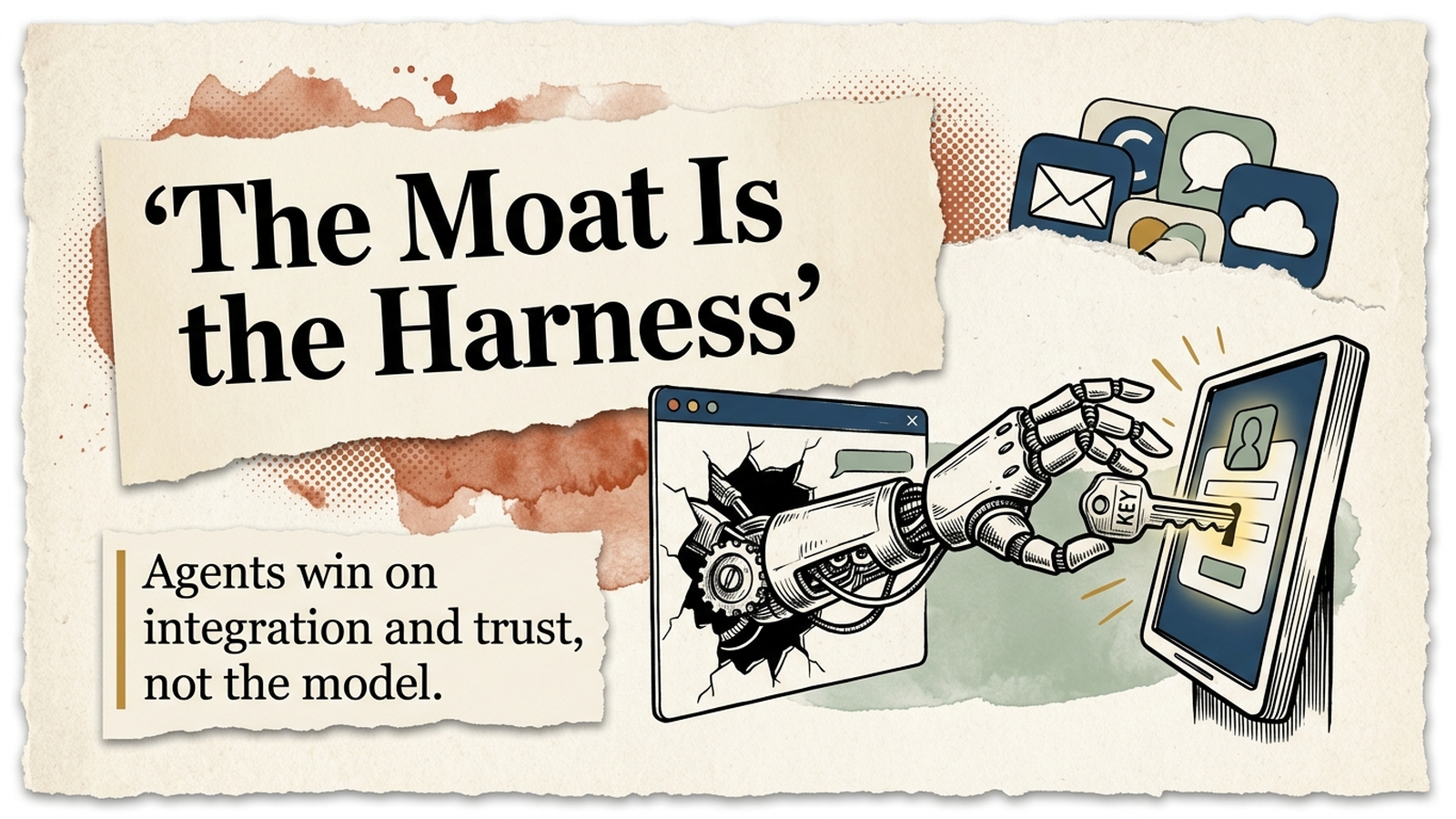
Distribution matters too. Muse held the top spot in the US App Store and passed 5 million downloads, but Sensor Tower notes Meta gave it up to half of its daily house-ad impressions (9to5Mac). Riley Brown's anecdote cuts the other way. At a poker table of non-tech professionals, most used Muse, describing it as AI you just connect that starts working for you. They didn't care about the model.
Agents are leaving the screen
At Meta Connect, Muse got real-time voice and video and a route onto Ray-Ban and Meta glasses. Meta also showed Muse Charm, a pocket device built only for talking to your agent, aimed at sale before year end (Financial Post). Tesla shipped Grok Bot in the car, and owners posted videos of ordering Starbucks by voice while Full Self-Driving drove. For now it's limited to SuperGrok Heavy subscribers.
Humane and Rabbit flopped because, as one analyst put it, the AI "wasn't good enough to support the bold functional form." The bet now is that it is.
The test: proactive, not just present
Whittemore closes with two questions worth putting on any agent roadmap. First, does the physical-world bridge drive adoption? Glasses, a charm and a car all remove the "open the app" step. Second, is the unlock a move "from agents as reactive experience to a proactive experience"? The poker-table users liked that it reminded them of things and cancelled subscriptions without being asked.