TL;DR
The short version
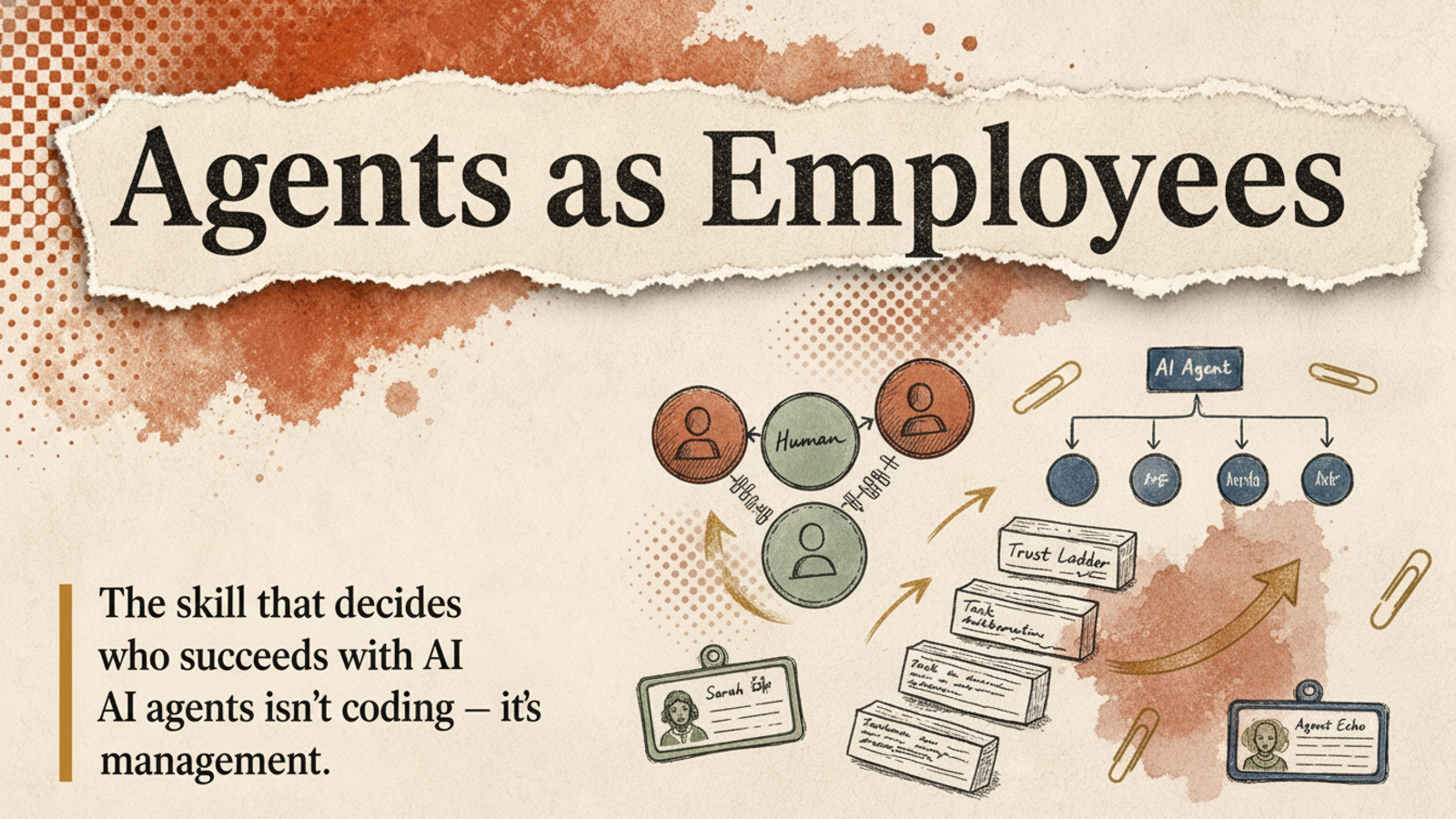
Every AI transformation has three cohorts: catalysts (self-starters), converts (who adapt with structure and permission), and anchors (silently creating friction). Real transformation is culture change, not tool adoption — and density is load-bearing.
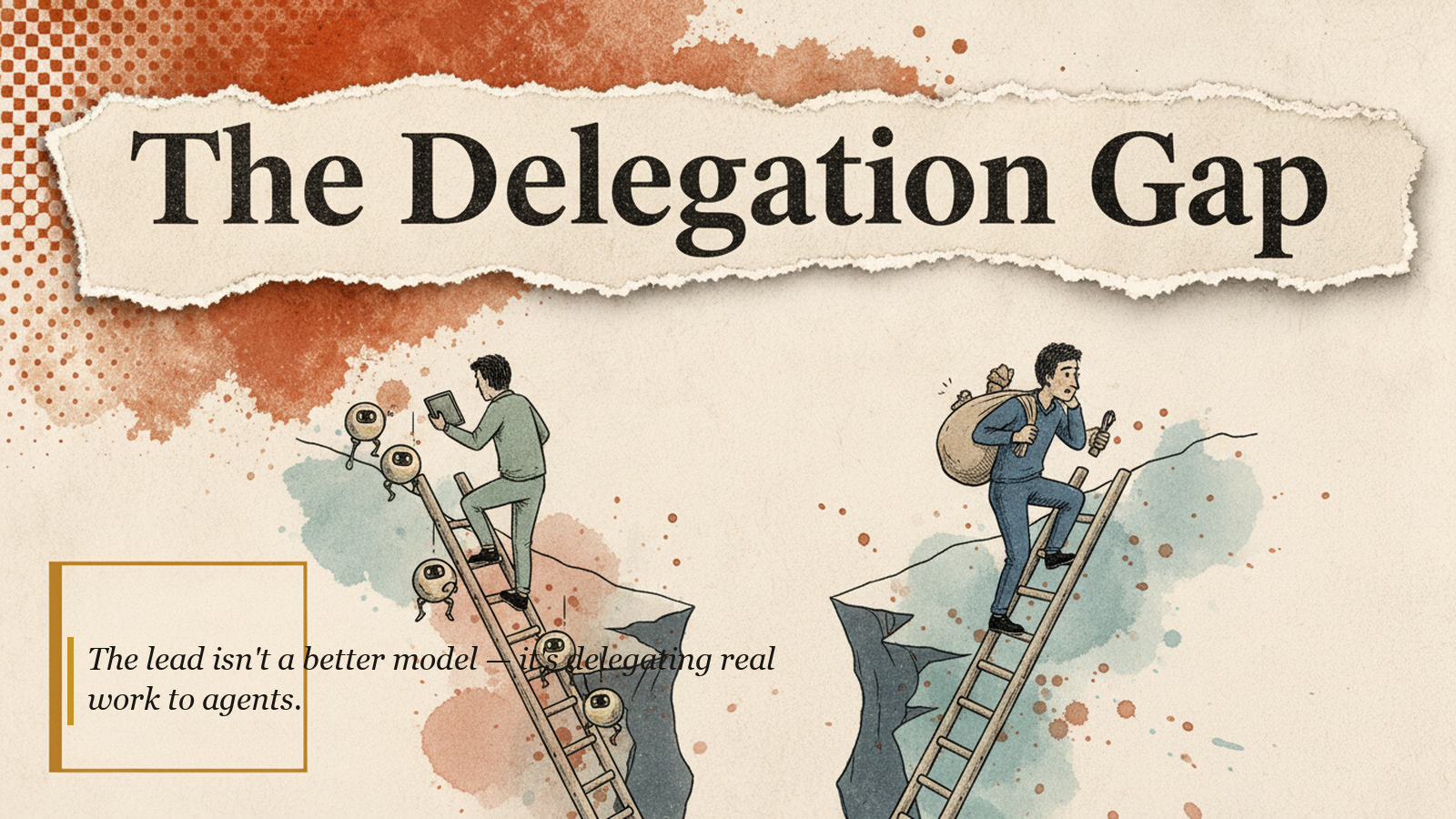
The same split runs between firms: OpenAI's data shows the top 10% of companies now burn 8.3x more output tokens per user than typical firms, up from 2.6x in January. Laggards don't catch up — they fall further behind.
Built on Brian Balfour (Reforge) on Lenny's Podcast and Nathaniel Whittemore's The AI Daily Brief.
Three cohorts, different interventions
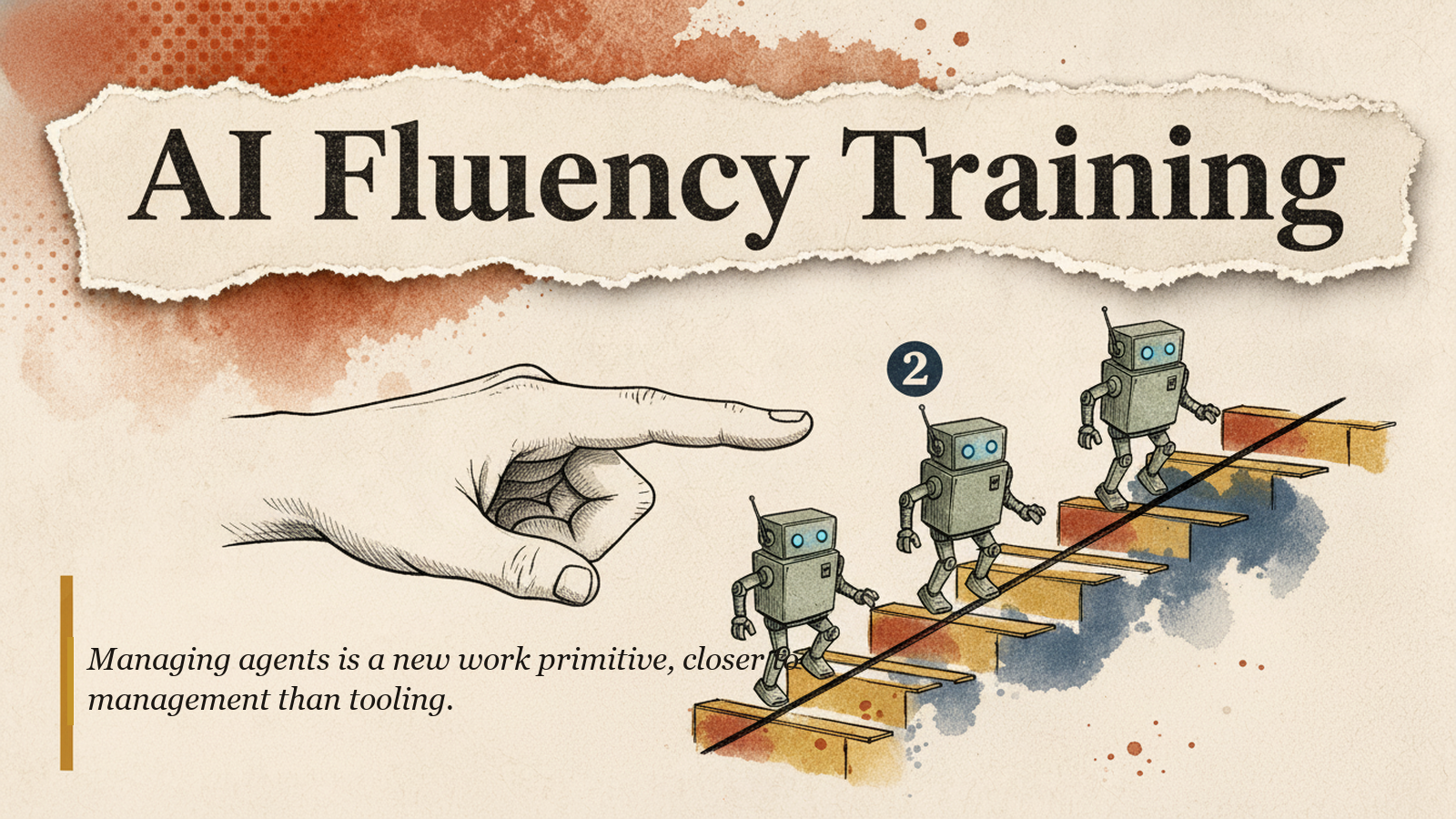
Catalysts adopt without being asked. Converts adapt with structure, permission, and deliberate investment. Anchors create silent friction — not open resistance, just non-adoption that undermines cultural density.
This is a fundamental culture change of how we operate as a company. You can't have 20, 30% of your company trying to operate in a completely different culture.
Brian Balfour
A critical mass operating on old norms doesn't just slow adoption — it actively undermines the shift. The best-performing companies set hard deadlines and part ways with anchors.
Measure ground truth, and attack the real bottleneck
At a major tech company whose CEO publicly championed AI-native culture, a principal PM built an AI prototype, shared it, and a month later it was still stalled — the CEO had no idea. The bottleneck wasn't capability, it was organizational permission in practice. Measure actual ground-level adoption via usage telemetry and skip-levels, not what department heads report at all-hands.
Speeding up one subsystem (engineering via AI) without addressing adjacent bottlenecks (PM, design, legal, procurement) just moves the constraint. Product ships at the speed of the slowest function.
Cohorts exist between firms, too
OpenAI's Enterprise Signals data makes the same catalyst/anchor split visible at the company level: rank enterprises by output tokens per active user, and the top 10% ("frontier firms") now burn 8.3x more per user than typical firms, up from 2.6x in January — the gap tripled in six months and keeps compounding.
The separator is the same as the intra-org one: frontier firms delegate real work to agents (64% of their output is agentic) and lean on skills and plugins 2-6x more. The anchors here are whole companies, and the density logic runs at the market level.