TL;DR
The short version
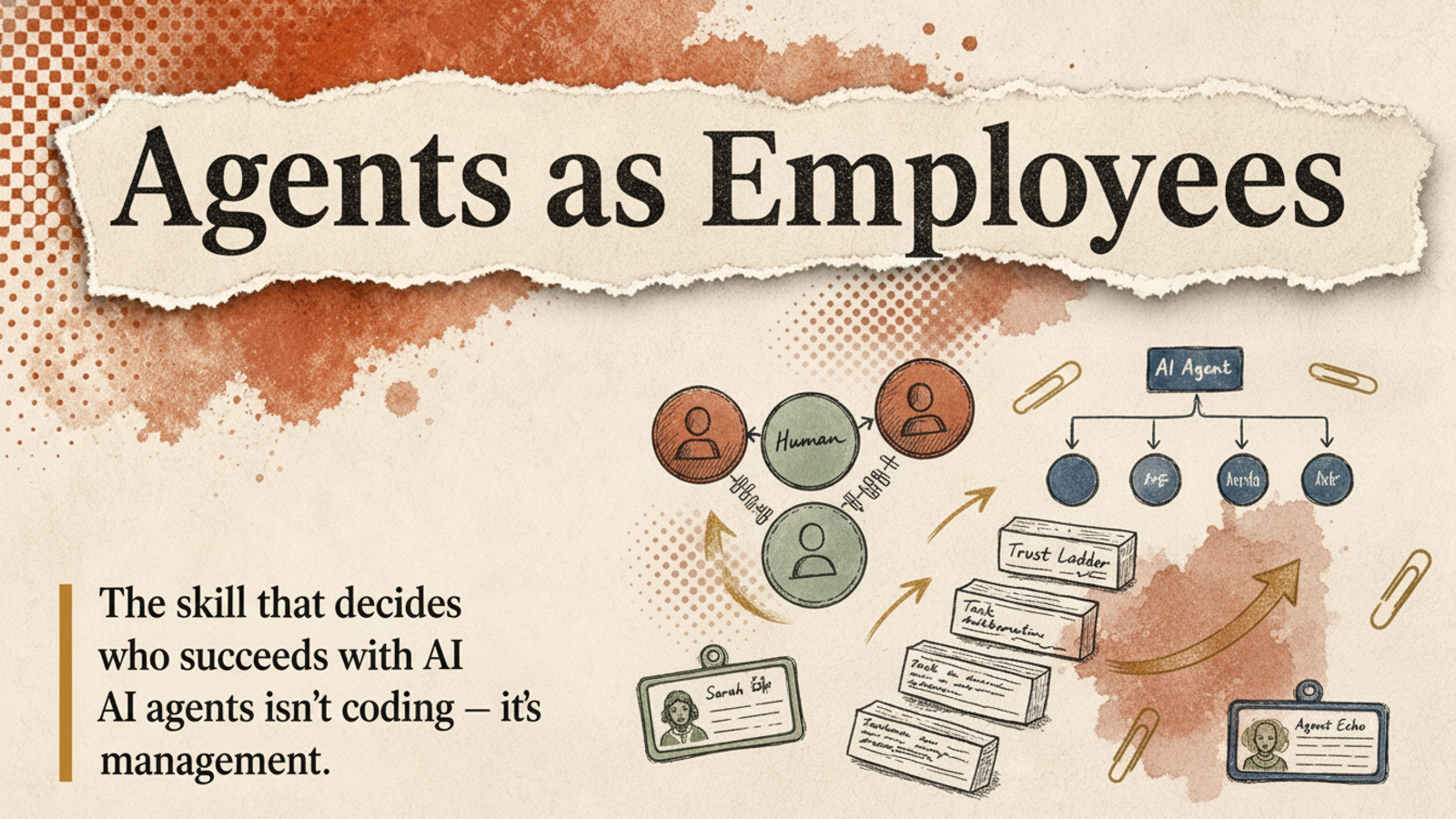
The gap between elite AI users and average ones is exploding — and it isn't a model gap, it's a delegation gap. Everyone has the same models; frontier firms win on how they put them to work.
OpenAI's Enterprise Signals data shows the top 10% of firms now burn 8.3x more output tokens per user than typical firms, up from 2.6x in January. The driver is agents — and the real bottleneck is human habit, not capability.
Built on Nathaniel Whittemore's The AI Daily Brief, What the Top AI Users Are Doing Differently. This is OpenAI marketing its own adoption data; output tokens is a metric it concedes is imperfect.
It's a delegation gap, not a model gap
Everyone has the same models; the winners differ on how they put them to work. The gap grew because frontier firms moved from asking AI questions to delegating real work to agents — not because they bought better models.
This is not a model question. It's about how they put those models to work.
Nathaniel Whittemore
OpenAI Enterprise Signals
Agents are the inflection — and non-technical functions adopt fastest
Enterprise output flipped from roughly all chat to 64% agentic tokens in under a year. Asking a model a question and delegating a task to an agent are different operating modes, and the shift to the second separates the frontier.
The fastest adoption is where it started latest: legal up 108x since February, sales and recruiting 41x, marketing 26x — versus just 5x for engineers. "LLMs are for lawyers what spreadsheets were for accountants." The gap widens across the whole org, not just engineering.
Skills and plugins are the mechanism: frontier firms use these reusable-instruction and tool-connection layers 2-6x more than typical firms. Giving agents context and tools is what lets them act, not just answer.
The real bottleneck is human habit
Even power users default to old workflows despite better tools. The binding constraint on adoption is behavioral, not technical.
By revealed preference, I have a better way to do it now and I still do it the old way... we all get stuck in the patterns of how we've always done things.
Sam Altman