TL;DR
The short version
Since early 2023, watching what software engineers build and complain about has bought non-engineers roughly a six-month head start on where AI is going. This month the AI Engineer World's Fair gave a clear signal: the field is done just turning agents loose.
One attendee summed up the mood — last year was the year of let the agents rip; this year was the year of realizing that autonomy without structure creates as much slop as leverage. Across all five trends, the human is being pulled back to the center of the system.
Built on The AI Daily Brief with Nathaniel Whittemore, recapping Richard McManus's Latent Space write-up of the AI Engineer World's Fair. Every statistic is traced to a primary source in the working digest.
The engineers just learned this the hard way
There's a cheap trick for staying ahead of where AI is going: watch what actual software engineers are building and complaining about. Since early 2023, that habit has bought non-engineers about a six-month lead on the tools, the mental models, and the way work itself gets reshaped.
This month the AI Engineer World's Fair happened in San Francisco, and Latent Space's Richard McManus wrote up the five trends that defined it. Read together, they tell one story: the recalibration of our relationship with autonomy.
Last year was the year of let the agents rip. This year was the year of realizing that autonomy without structure creates as much slop as leverage.
Tyler Brown, quoted in the episode
The work moved off the model and onto the harness
For two years the frontier was the prompt. Now it's the system around the agent.
The cleanest way to see the shift is two essays by Lilian Weng, three years apart. Her 2023 piece described the anatomy of an agent — planning, memory, tool use — using AutoGPT and BabyAGI as examples. Her newer work is about harness engineering: the workflows, context, permissions, evals, and persisted state that surround the agent. The agent stopped being the interesting part. The scaffolding became the job.
At the event, agents were framed as augmenting the engineer, not replacing them. That's the tell.
Loops are the new control layer
The word engineers couldn't stop saying was loops. And the useful version splits in two. The inner loop is the autonomous work the agent does. The outer loop is the human's job: setting direction, running evals, feeding back corrections, improving the system.
The agent runs the inner execution loop. I set the direction and make decisions in the outer loop.
Peter Steinberger, quoted in the episode
Notice what that does. It gives the human a permanent seat. Agents absorb more of the inner loop over time; the outer loop stays yours. For anyone leading a team, this is the org chart in miniature — you are not being automated out, you are being moved up a level.
The 'software factory' problem is coming for everyone
Enterprises are now standing up what people at the event called software factories: systems that automate the full life cycle — triage, spec, implementation, review, ship, monitor — while cutting down human variability.
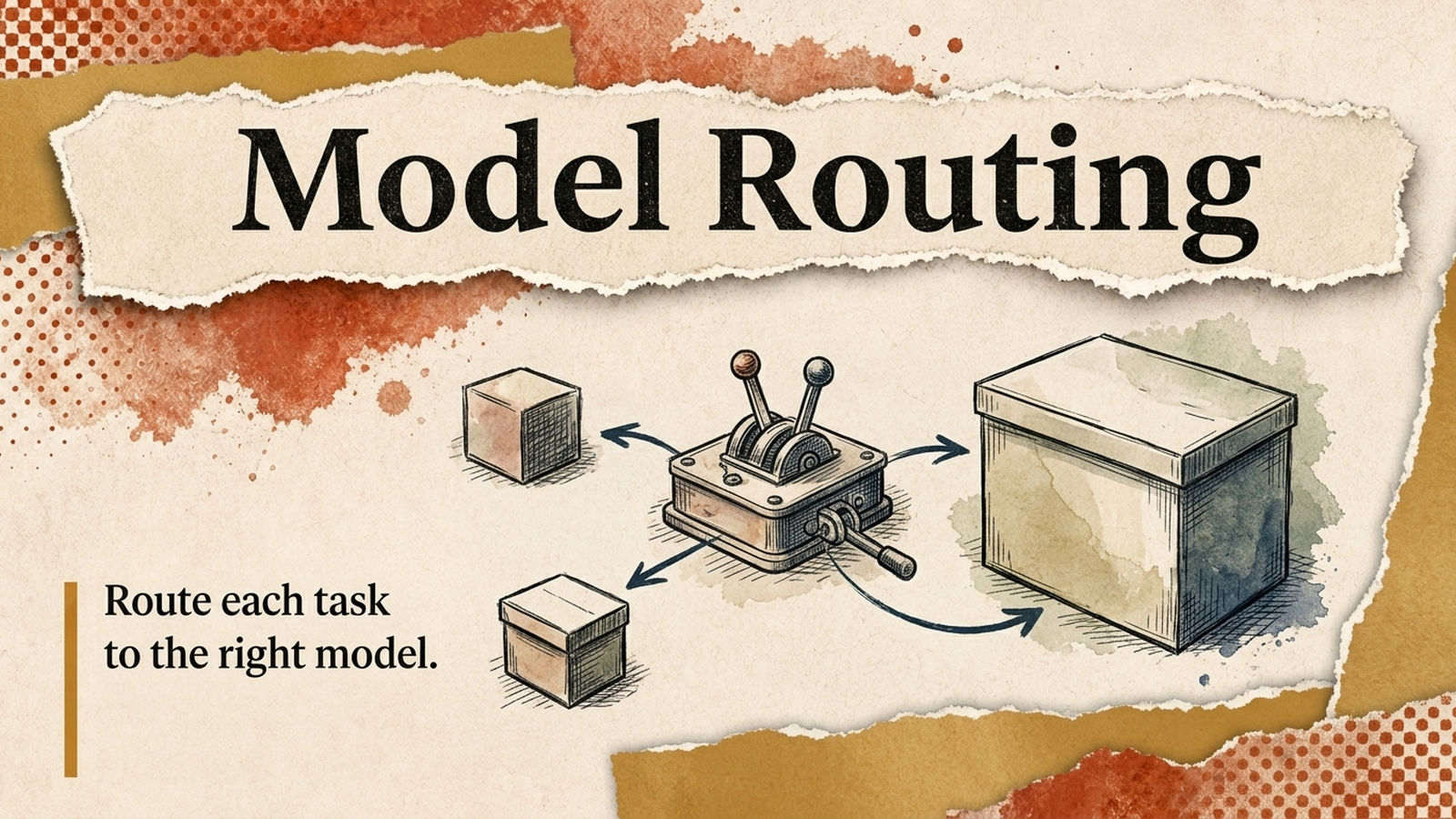
Warp's Zack Lloyd was blunt about why the factory framing matters. Loose, interactive agent use creates real problems: cost blowouts, weak governance, security holes. His example is one every leader will recognize — a person reaching for the most expensive model on a task that didn't need it, or wiring up a tool with far too much access.
That problem is not specific to code. Swap 'model' for 'budget' and 'MCP' for 'integration' and you've described what happens when marketing, sales, and finance each get agents and use them however they like.
Skills are the leverage — and the trap
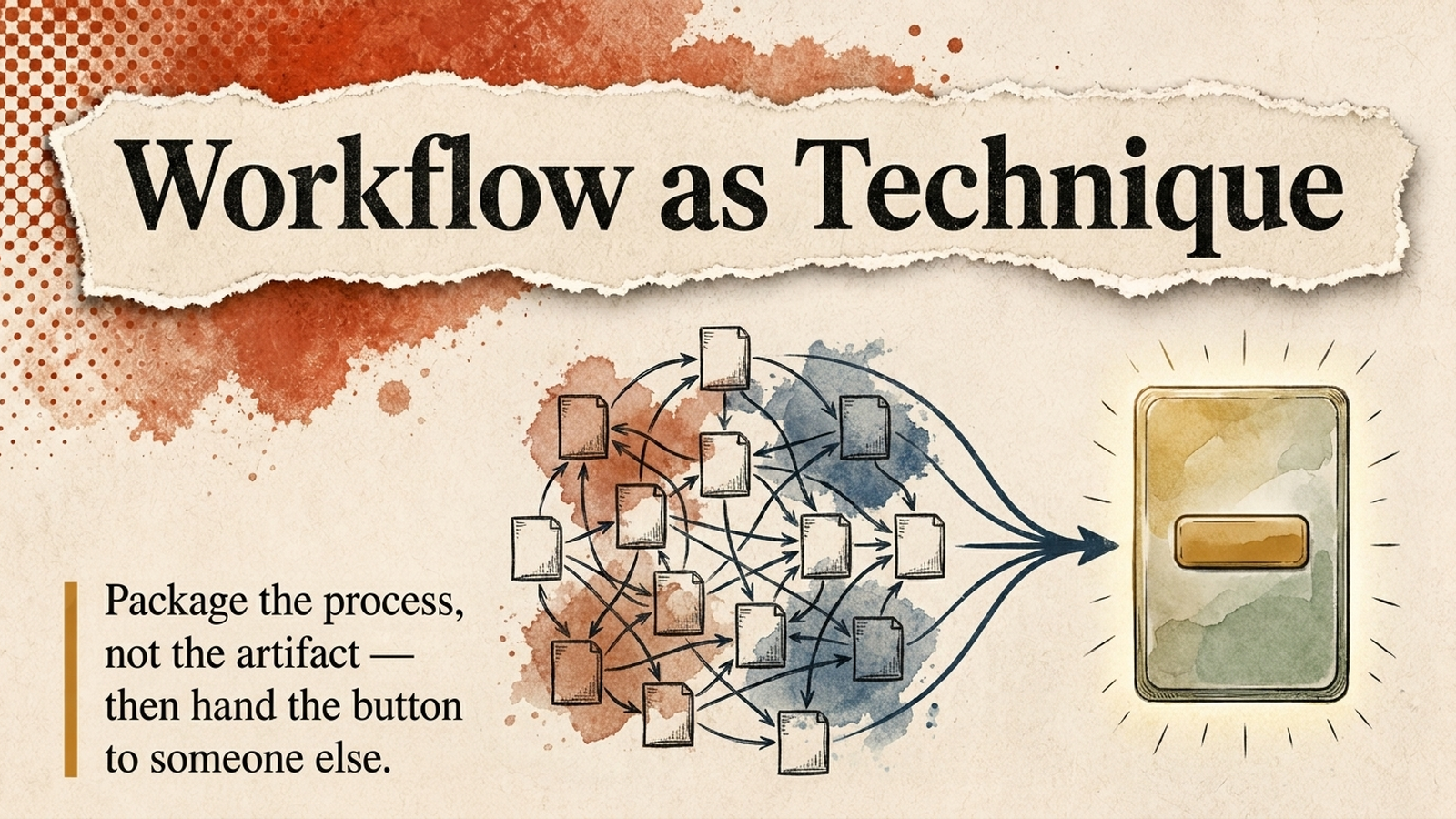
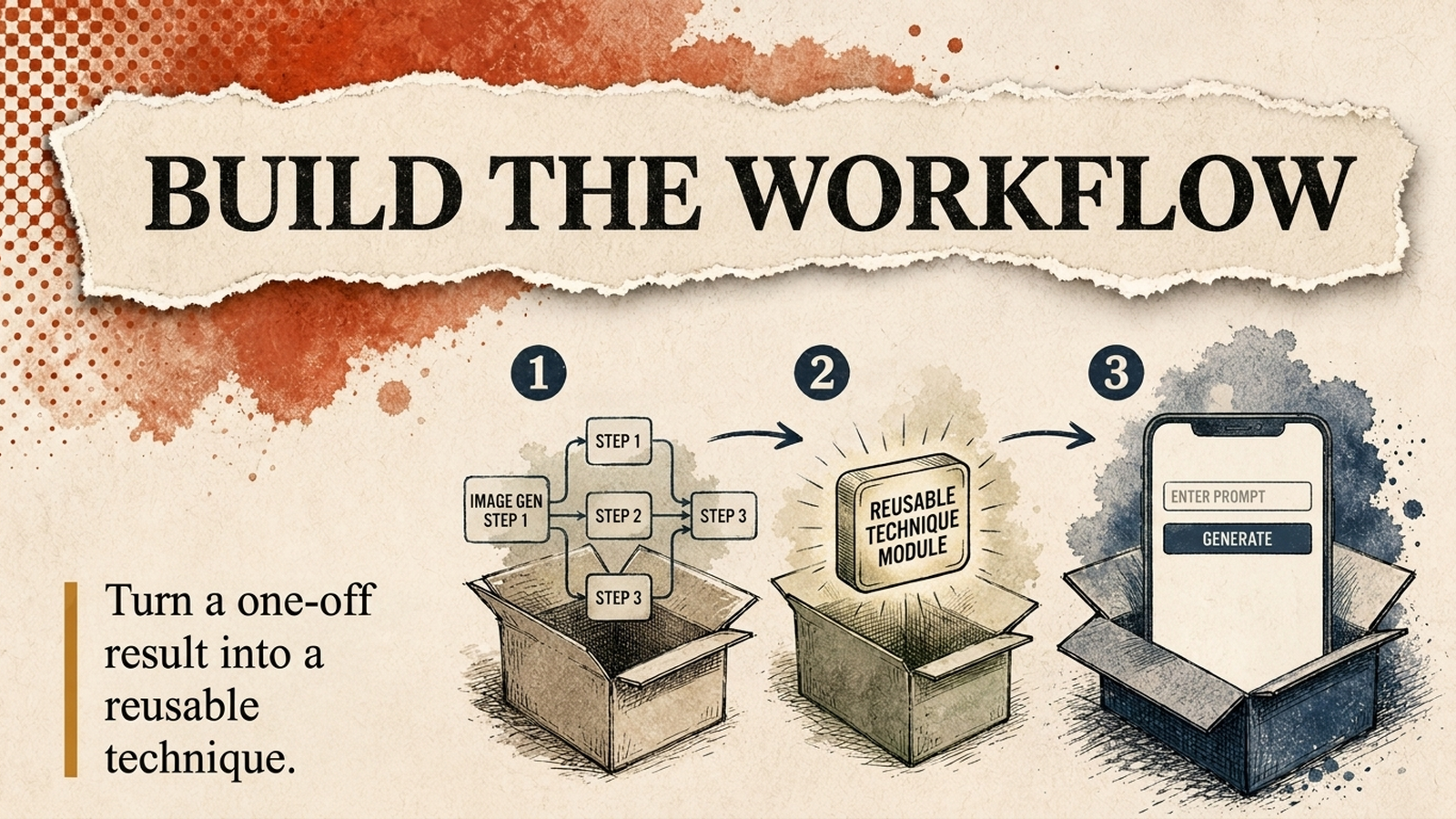
The fifth trend was that every platform is building around skills: packaged workflows, quality gates, and taste, encoded so an agent follows them consistently. Call it portable, on-demand knowledge.
The argument worth stealing: don't wait for the next model. When you're genuinely good at something, you spot where even strong models fall short faster than anyone. Encoding your rules and taste as skills is often a better path than waiting for a version bump. In his closing keynote, Y Combinator's Garry Tan framed skills across sales, support, and finance as integral to being an AI-native company.
There's a catch, and it's the theme again. Skills go stale — one attendee's advice was to re-implement them on every model release, because the curriculum that fit the old model holds the new one back. Autonomy you set and forget rots into slop.