TL;DR
The short version
Every new model triggers the same reflex: is it good enough to switch to? That question is dead. The models are all capable now, so the useful question is where a new one fits in your stack.
On The AI Daily Brief, NLW argues Fable 5.1 tops the benchmarks and earns a slot for long-running, high-judgment work — but its token appetite wrecks subscription limits, so route to it deliberately rather than defaulting to it.
Built on NLW's 2 Sep 2026 episode of The AI Daily Brief. Benchmark and cost figures are launch-window claims relayed in the episode, not independently verified.
The switching question stopped being useful
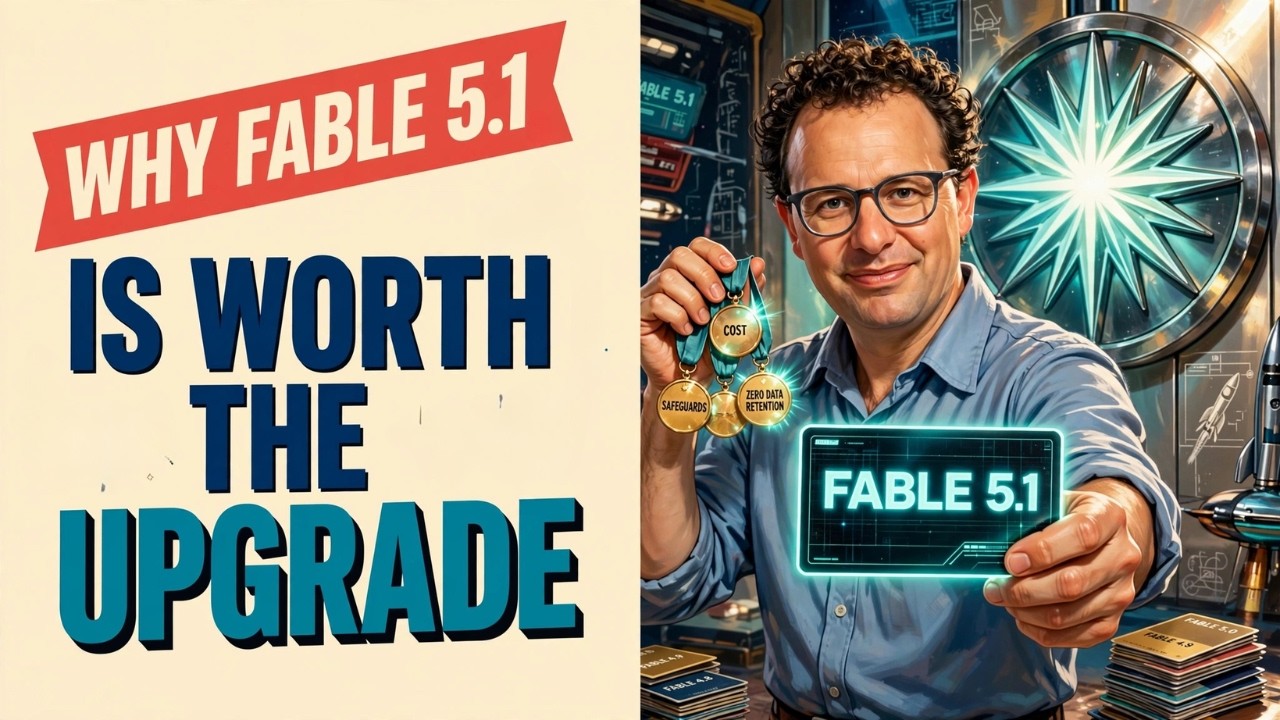
When a model launches, the reflex is to ask whether it beats the one you use now. Anthropic's Fable 5.1 tops the benchmarks — new state of the art on agentic coding, business tasks, and scientific research — so the reflex says switch.
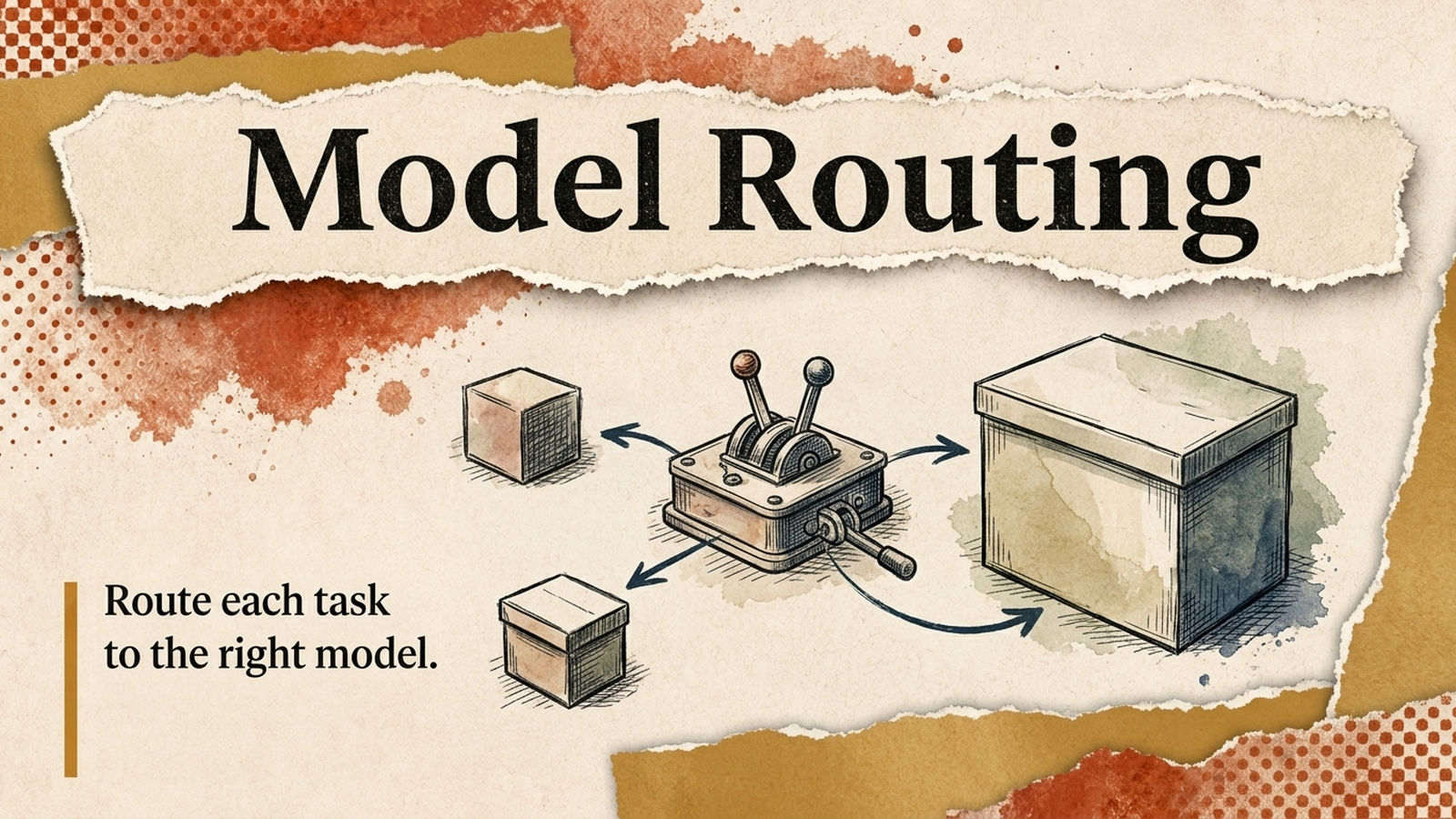
But "which one is best" assumes you run one model for everything. Nobody serious does that anymore. Enterprises route each task to the right capability tier; individuals do the quieter version — no router, just a learned sense of which model and setting to reach for.
So the real question isn't whether Fable 5.1 is better. It's what it's for.
What Fable 5.1 is for
The pattern power users keep landing on is a division of labor. Interactive, in-the-loop tasks go to the GPT models and Codex. Long-running builds that don't need supervision go to Fable.
Dan Shipper described his version: send Fable off at the start of the day for a big job like an end-to-end MVP build, then check in occasionally. Every's review called 5.1 the strongest coding model they've used — and, unusually for Anthropic, fast and token-efficient enough to actually use.
That's the slot. Not "my only model." The one you hand a full day of building to and walk away from.
The best users are going to figure out how to get the most out of new models rather than just clunking around from one to the next with some old idea that you have to pick just one.
NLW, The AI Daily Brief
The cost is real, and it's the token bill
Here's the catch, and it's a big one. Fable 5.1 is hungry.
Anthropic sold the launch on price — a claimed 25% cut for typical workloads, up to 45% for agentic work, from cheaper cache reads. But the independent eval told a different story. Artificial Analysis found 5.1 actually cost more per task than Fable 5 because it burned far more tokens across the run. The cache discount was real; it just wasn't enough to offset the appetite.
Two practical notes from the reviews: running "extra high" instead of "max" cut cost meaningfully for about a one-point score drop, and most cost complaints come in the first hours of a launch, before anyone has learned to use the thing. Your mileage usually improves.
What to actually do
Keep a personal benchmark slate. Not anyone else's tasks — yours. The recurring work that matters to you: research, writing, strategy, building. Run every new model against that set.
This matters because the work that's hardest to judge is the work benchmarks can't capture. No public score tells you how a model handles your strategic thinking or your writing voice. When you watch models do your actual tasks, the differences are still large — the claim that all frontier models are interchangeable holds for commodity tasks and falls apart on high-end work.
One honest caveat: if you're not able to shift fluidly between models, most of this changes, and "they're all generally capable" is just true. For everyone else — stop treating model choice as a one-time switch. Treat it as an architecture. The best users aren't the ones on the newest model; they're the ones who know what each model is for.