TL;DR
The short version
OpenAI's DevDay pile looks like feature spam until you see the form-factor move: always-on agents inside ChatGPT. Dan Shipper's early-access take — Dots delight when they work and confuse when they don't — is to wait a week, then try.
From the Every report: Space puts Office-like collab beside chat, Sign in with ChatGPT lets subscriptions travel like a data plan, and the Decisions API enters the Jev-class judgment-model race with vision.
Dan Shipper / Every, same-day DevDay field report, 29 Sep 2026.
Dots first — then wait
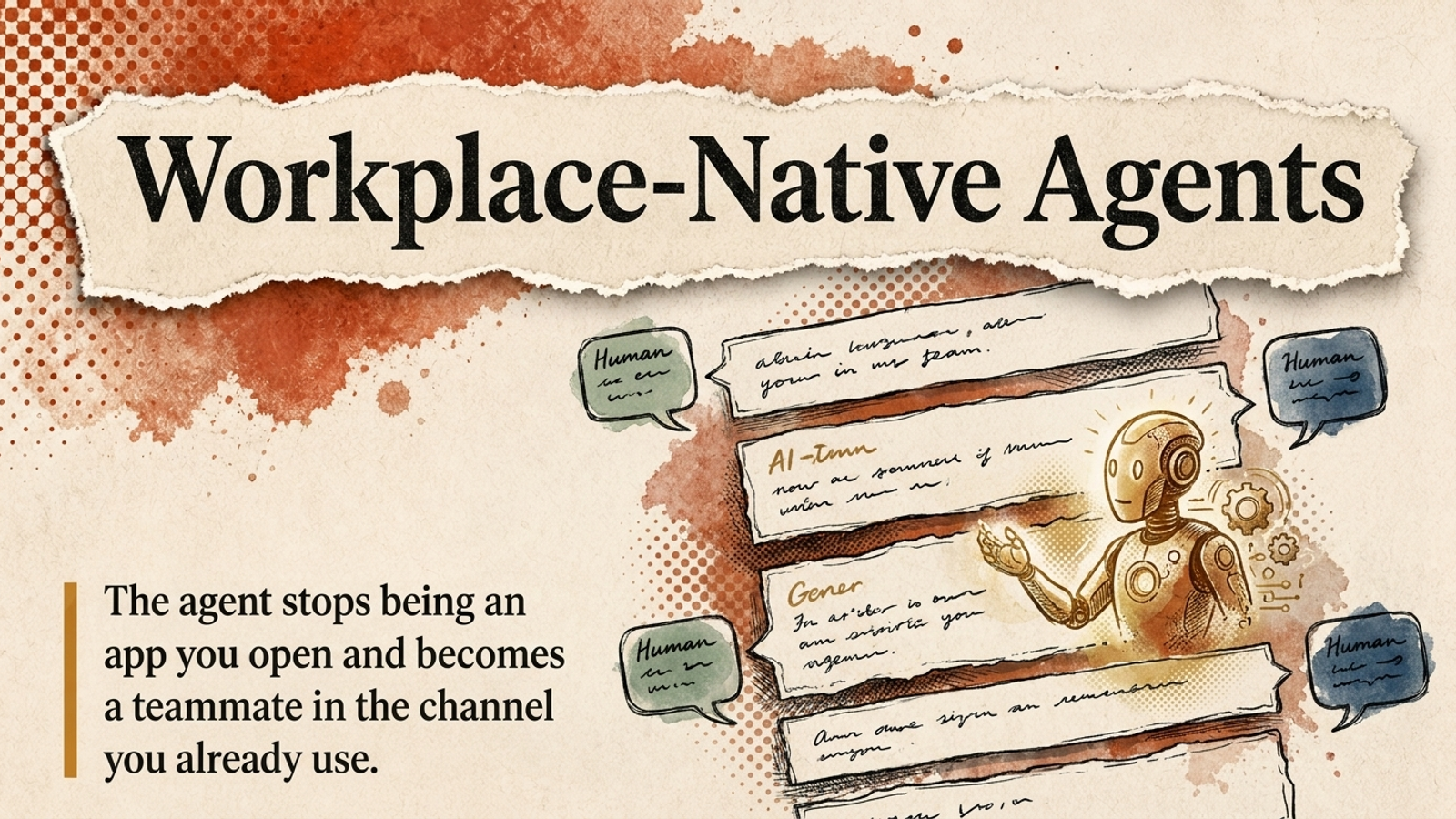
Dots are OpenAI's persistent agent: long-running thread, cloud computer, optional laptop access, proactive pings. Lineage runs through OpenClaw-style always-on agents. When it works, Shipper reaches for the Dot over a fresh chat. When it doesn't — wrong browser surface, login/wallet confusion — it feels early next to Muse or mature personal-agent stacks.
When it works, it's obviously the future. The only problem is it's not quite there yet.
Dan Shipper
Space, plugins, tokens that travel
Space is the Office suite bet inside ChatGPT — docs, slides, sheets — where you tag a Dot in a comment. Plugin extensions let third parties ship apps beside chat with mid-task discovery. Sign in with ChatGPT (~16 launch partners) spends plan allowance in other products. The sticky metaphor: subscription as a cell-phone data plan.
Decisions, Sol, Ultrafast
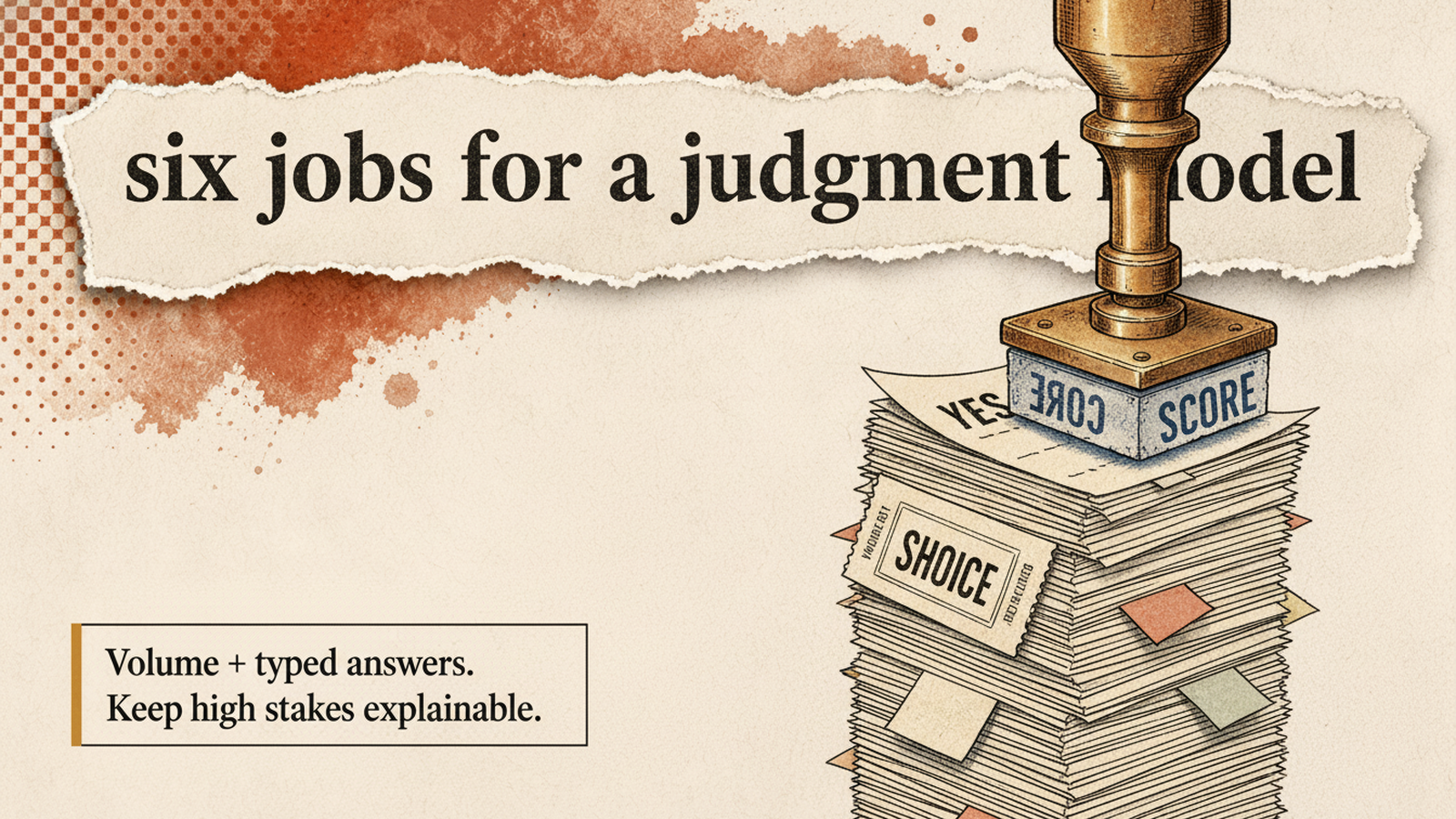
The Decisions API is fixed-choice and fast — multimodal, sometimes ~150ms in Every's tests. Sol 6.1 cuts cost near Astra ambition ($2/$10 per million on the API). Astra Ultrafast is the wallet tier behind Pro 500. The keepable arc: web chat → terminal agents → desktop → persistent agents. Launch volume is not readiness.